
Soups & Stews
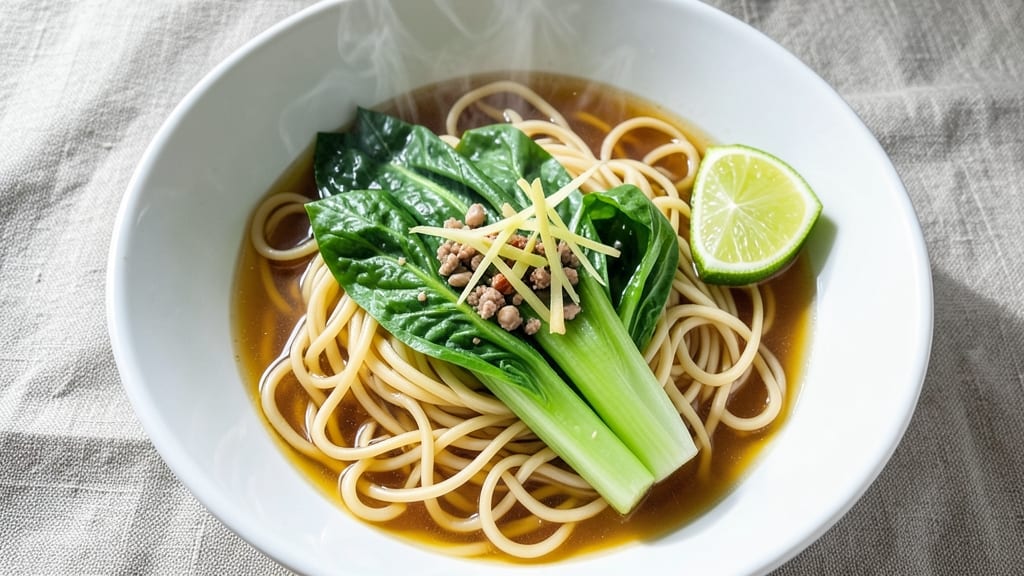
Bright ginger-lime bok choy noodle soup delivers the perfect balance of silky noodles, tender greens, and a fragrant broth that’s both comforting and invigorating. This recipe transforms simple ingredients into a restaurant-quality dish with just 30 minutes of active time—ideal for weeknight dinners or meal prep. The secret lies in a layered broth that starts with aromatics seared in the wok, then simmers into a vibrant, aromatic base.
What sets this soup apart is its adaptability: the base broth can be made vegetarian or vegan with minimal adjustments, while the bright ginger-lime infusion keeps flavors fresh and complex. Silky egg noodles absorb the broth beautifully, while bok choy adds a satisfying crunch and essential nutrients.
The result is a bowl that’s light enough for summer but hearty enough to satisfy any craving.
The technique is straightforward yet precise—sautéing garlic and ginger until fragrant, then building the broth with miso or coconut milk for depth. Bok choy wilts just enough to soften without losing its vibrant color, while the noodles cook to perfect al dente tenderness.
Every spoonful delivers a harmonious blend of textures and flavors, making this soup both nourishing and deeply satisfying.
Perfect for busy weeknights, this recipe scales effortlessly for a crowd and reheats beautifully. Whether you’re serving it as a light lunch or a comforting dinner, the bright, aromatic broth and tender ingredients will leave everyone asking for seconds. Let’s get cooking!
Ingredients for bok choy noodle soup
Transform these vibrant ingredients into a restaurant-worthy bowl of bright, aromatic bok choy noodle soup.
| Ingredient | Amount | Notes |
|---|---|---|
| Egg Noodles 🍜 | 8 oz | Silky, fresh egg noodles preferred |
| Baby Bok Choy 🥬 | 2 bunches | Vibrant green, baby size |
| Garlic Cloves 🧄 | 4 cloves | Freshly minced for aroma |
| Fresh Ginger 🌿 | ½ cup | Julienned, not paste |
| Lime Juice 🍋 | ¼ cup | Freshly squeezed, seeds removed |
| Vegetable Broth 💧 | 4 cups | Low-sodium preferred |
| Coconut Milk 🥥 | ½ cup | Full-fat for creaminess |
| White Miso Paste 🍶 | 1 tbsp | High-quality, non-GMO |
| Sesame Oil 🫒 | 1 tbsp | Toasted, for aroma |
| Low-Sodium Soy Sauce 🥢 | 1 tbsp | For umami depth |
| Green Onions 🧅 | ¼ cup | Thinly sliced for garnish |
| Toasted Sesame Seeds 🌾 | 1 tbsp | For crunchy texture |
| Vegetable Oil 🫒 | 2 tbsp | High-smoke point for wok |
| Red Chili Flakes 🌶️ | ½ tsp | Adjust for spice preference |
| Salt 🧂 | 1 tsp | Kosher or sea salt |
The bok choy is non-negotiable—baby bok choy from the Asian market has the perfect delicate crunch. Trader Joe's or Whole Foods carry the best quality, but any vibrant green bunch works. For the ginger, freshly julienned beats paste every time—it infuses the broth with real zing. Egg noodles should be fresh if possible; dried noodles work in a pinch but lack that silky texture. The vegetable broth is the flavor base, so low-sodium versions let you control the seasoning better. I always grab Imagine brand for its clean, aromatic profile.
No fresh ginger? Paste works at half the amount, but you’ll miss the texture. Short on lime? Lemon juice at double the quantity gets you close. The miso adds depth—white miso for subtle flavor, red miso if you want more richness. Swap coconut milk for cashew cream if you prefer a lighter texture. Bok choy stems can be chopped and added to the broth for extra flavor. For the noodles, fresh egg noodles are ideal, but rice noodles work for a gluten-free twist. Just adjust cooking time by 1-2 minutes.
This soup tastes even better the next day—flavors meld beautifully when refrigerated. Store in airtight containers for 4-5 days or freeze for 3 months. The broth thickens when chilled, so stir in a splash of water before reheating. Garnishes like sesame seeds and green onions can be added fresh when serving. For meal prep, cook the noodles and bok choy separately and assemble bowls to keep everything crisp. Portion into individual containers for grab-and-go lunches—just reheat with a splash of broth.
Why You'll Love This Recipe
- No-Chop Needed: I swear by this one—just slice the bok choy into wedges (no dicing, no fuss) and toss the whole garlic clove in for a punch of flavor. The ginger? A single thumb-sized piece, grated in 30 seconds. That’s it. Minimal effort for maximum reward.
- Umami Bomb: The egg noodles soak up the broth like a sponge, while the bok choy stays crisp-tender. Slurp in that bright ginger-garlic base, then finish with lime juice—suddenly, it’s ridiculously good. Honestly, the first time I made it, I thought, “Wait, this is too simple to taste this amazing.”
- Leftover Hero: This soup actually gets better the next day. The noodles soften just right, the bok choy holds its shape, and you can reheat it with a splash of water or broth. I make a double batch on Sundays and freeze half—perfect for lazy nights when I’m too tired to cook.
- Budget Brightener: Fresh ginger and garlic are cheap, bok choy is a steal at Asian markets, and egg noodles? A dollar bag lasts forever. Between us, this is my go-to when I’m pinching pennies but still want something that feels special. (Yes, even on a Tuesday night.)
Step-by-step instructions for bright ginger-lime bok choy noodle soup
This vibrant soup comes together faster than you'd think—silky noodles meet aromatic broth in just one pot.
Build the Aromatic Broth Base
Heat the 2 tablespoons vegetable oil in a large pot over medium-high heat until shimmering. Add the 4 cloves minced garlic cloves and 0.5 cup julienned fresh ginger, stirring constantly for 1-2 minutes until fragrant and just beginning to color. Here's where the magic happens: add the 1 tablespoon white miso paste and stir vigorously for 30 seconds to dissolve completely—this prevents gritty texture later.
Pour in the 4 cups vegetable broth and bring to a gentle boil. Immediately reduce heat to medium-low and let it simmer for 5 minutes to let the miso infuse the broth. The aroma should be rich and umami-forward—this is your flavor foundation. If you notice any miso settling at the bottom, stir gently to distribute it evenly.
Infuse with Lime and Coconut Creaminess
Add the 0.5 cup full-fat coconut milk and 1 tablespoon low-sodium soy sauce to the simmering broth. Stir well to combine, then pour in the 0.25 cup freshly squeezed lime juice (strain out any seeds). The broth should take on a beautiful golden hue and develop a bright, citrusy aroma. Let this mixture simmer gently for another 3 minutes—this allows the lime's acidity to mellow slightly while the coconut milk emulsifies beautifully.
Here's the thing about lime juice—fresh is non-negotiable. Bottled juice lacks the bright acidity and floral notes that make this soup truly special. Taste the broth now—it should be balanced between the umami from miso, the saltiness from soy sauce, and the bright citrus punch. If it needs more depth, add a pinch of salt now, but trust your initial seasoning first.
Cook the Silky Egg Noodles
While the broth simmers, prepare the 8 ounces egg noodles according to package instructions—usually 3-4 minutes in boiling salted water until al dente. Drain immediately and rinse briefly under cold water to stop the cooking process. This prevents the noodles from becoming mushy when added to the soup later. I like to shock them in an ice bath for 30 seconds to ensure they stay firm and silky.
Add the drained noodles to the pot with the broth and stir gently to coat them evenly. The noodles should absorb the flavors immediately—you'll see the broth take on a delicate egg-y richness. Let the entire soup simmer together for 2 minutes to allow the noodles to warm through completely and the flavors to meld. The broth should now be silky and cling to the noodles beautifully.
Wilt the Baby Bok Choy
Separate the 2 bunches baby bok choy into individual leaves, discarding any wilted outer leaves. Add them to the pot in batches—don't overcrowd the pot or they'll steam instead of wilt. Stir gently for 1-2 minutes until the leaves are vibrant green and just beginning to soften. The bok choy should maintain its crisp texture while absorbing the flavorful broth.
Here's my pro tip: add the bok choy in two batches if needed. This ensures each leaf gets proper exposure to the heat and absorbs the maximum flavor. You want the leaves to be tender-crisp, not mushy. As soon as they're bright green and slightly wilted (but still holding their shape), they're ready. Remove the pot from heat immediately—overcooking will turn them into a sad, limp mess.
Finish with Aromatics and Garnish
Turn off the heat and stir in the 1 tablespoon toasted sesame oil and 0.5 teaspoon red chili flakes. The sesame oil will add a nutty aroma that permeates the entire soup, while the chili flakes introduce just a hint of heat. Taste and adjust seasoning with salt if needed—this is your final chance to balance all the flavors.
Ladle the soup into bowls and garnish each serving with 0.25 cup thinly sliced green onions and 1 tablespoon toasted sesame seeds. The green onions add a fresh, oniony brightness that cuts through the richness, while the sesame seeds provide a delightful crunch with each bite. Serve immediately while the noodles are still silky and the broth is steaming hot—this soup doesn't wait!
Pro Tips For Making Bok Choy Noodle Soup
- STOP BOILING THE GINGER: I learned this the hard way—peeling and thinly slicing fresh ginger (about 1 teaspoon) releases its flavor without turning the broth bitter. Toss it raw into the simmering broth 2 minutes before the noodles go in. No chopping, no waiting for it to soften—just aromatic magic.
- TRIM THE BOK CHOY RIGHT: Skip the whole head—cut baby bok choy into 1-inch chunks, then halve the thick stems lengthwise. They cook faster and stay crisp, while the leaves wilt just enough to soften. (Yes, even if you’re impatient like me, resist the urge to overchop.)
- SALT THE NOODLES FIRST: Toss cooked egg noodles with a pinch of salt and a drizzle of oil before adding them to the broth. This prevents them from turning mushy when they hit the hot liquid—your soup will stay bright and the noodles will hold their bite.
- WAIT FOR THE LIME: Add lime juice only at the very end, right after the bok choy wilts. The acid cuts through the richness of the broth and brightens the flavors, but too early and it’ll cook off, leaving you with a flat, sad soup. (Pro move: zest a little lime peel in too—it adds depth without overpowering.)
Dietary considerations for this bok choy noodle soup
Vegetarian-Friendly Base
This recipe starts vegetarian by default, using vegetable broth as the flavor foundation. The white miso paste and coconut milk provide rich umami and creaminess without any animal products. For extra depth, I often add shiitake mushrooms (sautéed with the garlic) or seaweed flakes—both boost umami naturally.
The lime juice brightens the dish while keeping it light and refreshing. 🌱
Vegan Adaptations
To make this fully vegan, simply swap the egg noodles for rice noodles or chickpea pasta—both hold up beautifully in the broth. For the broth itself, ensure your vegetable broth is vegan (check for chicken fat in store-bought versions).
The coconut milk and miso are already plant-based, and the sesame oil adds a nutty aroma without dairy. Garnish with toasted pumpkin seeds instead of sesame seeds for a vegan-friendly crunch.
Gluten-Free Swaps
For gluten-free diners, replace the egg noodles with buckwheat noodles or quinoa pasta—both add a nutty flavor that pairs perfectly with the broth. The soy sauce can be swapped for tamari (gluten-free soy sauce) or coconut aminos for a similar umami kick.
The rest of the recipe remains unchanged, making it easy to adapt without sacrificing flavor. 🥗
Low-Carb Options
Skip the noodles entirely and use shredded cabbage or zucchini noodles for a low-carb twist. The bok choy already provides a satisfying crunch, and the broth’s bright flavors shine when paired with these lighter ingredients.
For extra protein, stir in tofu cubes or edamame—both absorb the broth beautifully while adding substance. This version keeps the meal light yet filling.
Allergen Considerations
Watch for sesame allergies—the sesame oil and sesame seeds are key flavor components. For a sesame-free version, replace the oil with avocado oil and skip the seeds, adding a sprinkle of toasted pumpkin seeds instead.
The coconut milk is dairy-free, but always check labels for cross-contamination warnings if allergies are a concern. With these simple swaps, everyone at the table can enjoy the soup safely.
Nutrition facts
Frequently asked questions
Can I use regular bok choy instead of baby bok choy?
Yes, but with a few adjustments! Regular bok choy has thicker stems and larger leaves, so trim the tough stems (about 1/3 inch from the base) and chop them into 1/2-inch pieces to add to the broth for extra flavor. Use the leaves as you would baby bok choy, but they'll wilt slightly faster—keep an eye on them and remove from heat as soon as they're tender-crisp (1-2 minutes). The stems add wonderful depth to the broth!
How do I make this soup spicier?
Start with the 0.5 teaspoon red chili flakes called for in the recipe, then adjust to taste. For more heat, add 1 teaspoon of gochujang (Korean chili paste) when finishing the soup, or stir in 1/2 teaspoon of sriracha per bowl. For a smoky kick, sprinkle in 1/4 teaspoon of smoked paprika along with the chili flakes. Always add spices gradually and taste as you go!
Can I make this soup ahead of time?
This soup actually tastes better the next day as the flavors meld together. Store in an airtight container in the refrigerator for up to 4 days. When reheating, add a splash of water or broth (about 1/4 cup) to prevent the broth from thickening too much. The noodles will soften slightly, but the broth's bright flavors will intensify. Garnish with fresh green onions and sesame seeds just before serving.
What if I don't have fresh ginger?
You can substitute 1/2 teaspoon of ground ginger or 1 teaspoon of ginger paste, but fresh ginger gives the best flavor. For paste, use about half the amount called for (so 0.25 cup instead of 0.5 cup) since it's more concentrated. If using powdered ginger, it's best to toast it lightly in a dry pan for 30 seconds to enhance its aroma before adding to the oil.
How can I make this soup creamier without dairy?
For a rich, creamy texture without dairy, blend 1/2 cup of cooked cashews with 1/2 cup of the broth until smooth, then stir this mixture into the soup. Alternatively, use 1/2 cup of silken tofu (blended until creamy) or add an extra 1/4 cup of coconut milk. The miso and sesame oil will still provide that wonderful depth of flavor while keeping it plant-based.