
Soups & Stews
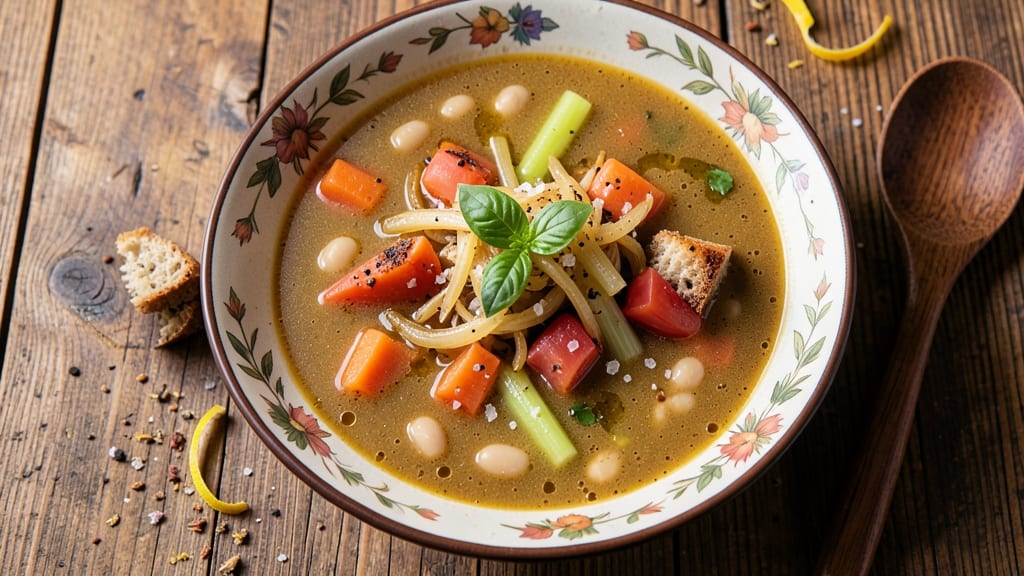
Bobby Flay's minestrone soup recipe delivers the hearty, herb-infused comfort food that defines Italian-American home cooking. This isn't your grandmother's basic vegetable soup—it's a masterclass in balancing textures and flavors, with tender beans, al dente pasta, and a rich broth that sings with aromatic herbs.
The secret lies in proper layering: first building a flavorful base, then adding vegetables in stages to maintain their individual textures.
What sets this recipe apart is Bobby's signature technique of toasting whole spices in olive oil before adding them to the broth, creating deep, complex aromatics that elevate every spoonful. We're talking caramelized onions, crisp-tender bell peppers, and perfectly cooked white beans that hold their shape.
The pasta cooks directly in the broth, absorbing all those incredible flavors while maintaining its bite.
The result is a soup that's equally satisfying as a light lunch or hearty dinner—packed with protein from beans and optional protein additions, fiber from fresh vegetables, and that signature Italian comfort that makes it universally appealing.
Each bowl delivers a perfect harmony of savory, slightly tangy, and herby notes that keep you reaching for another spoonful.
This recipe builds on classic minestrone foundations but incorporates Bobby's professional touches that make it restaurant-quality at home. The method is straightforward but requires attention to timing and technique to achieve that perfect balance of textures and flavors. Let's get cooking!
Ingredients for bobby flay minestrone soup
Sixteen ingredients, restaurant-quality flavor—Bobby Flay's secret lies in the layers.
| Ingredient | Amount | Notes |
|---|---|---|
| Extra-Virgin Olive Oil 🫒 | ½ cup | High-quality, fruity variety |
| Yellow Onions 🧅 | 2 large | Thinly sliced, yellow or red |
| Carrots 🥕 | 3 medium | Peeled, cut into 1/2-inch slices |
| Celery Stalks 🧅 | 3 whole | Cleaned, cut into 1/2-inch pieces |
| Garlic Cloves 🧄 | 6 cloves | Peeled, smashed for depth |
| Canned Diced Tomatoes 🍅 | 2 cups | San Marzano preferred |
| Vegetable Broth 💧 | 6 cups | Homemade or high-quality store-bought |
| Cannellini Beans 🌾 | 2 cups | Cooked, or 1 can drained |
| Ditalini Pasta 🍝 | 1 ½ cups | Uncooked, or 4 oz dry weight |
| Kale Leaves 🥬 | 4 cups | Chopped, stems removed |
| Fresh Basil Leaves 🌿 | ½ cup | Chopped, for finishing |
| Fresh Parsley Leaves 🌿 | ¼ cup | Chopped, for finishing |
| Bay Leaves 🍃 | 2 whole | Fresh preferred, dried works |
| Dried Oregano 🌿 | 1 tsp | Italian preferred |
| Dried Thyme 🌿 | 1 tsp | Fresh works too |
| Salt 🧂 | 1 ½ tsp | Diamond Crystal kosher |
| Black Pepper 🌶️ | ½ tsp | Freshly ground |
| Red Wine Vinegar 🍷 | 1 tbsp | For brightness |
The olive oil and onions are your flavor foundation. Use extra-virgin olive oil—none of that cheap stuff. Caramelize those onions until deep golden, about 20 minutes. Whole Foods or Trader Joe's have the best selection of San Marzano tomatoes, but any good canned tomatoes work. The beans? Canned Cannellini is a game-changer—drained and rinsed, ready to go. For the pasta, ditalini is traditional, but any small pasta shape works. The kale adds that perfect earthy bite—organic is best if you can find it, but regular works too. Fresh herbs make all the difference here, so don't skimp on the basil and parsley.
No San Marzano tomatoes? Any good-quality canned tomatoes will do—just make sure they're diced, not crushed. Substituting dried beans? Soak them overnight first. The wine vinegar is key for that bright, tangy finish—substitute lemon juice if you're avoiding alcohol. Fresh herbs? Dried works at one-third the amount, but honestly, it's not the same. For the broth, homemade is ideal, but even the good store-bought stuff like Pacific Foods or Imagine will work. The spices should be toasted in the olive oil first—this is Bobby's signature move, and it makes all the difference.
This soup tastes even better the next day as flavors meld. Store in an airtight container in the fridge for up to 5 days. For freezing, portion into containers with a bit of broth on top to prevent a skin from forming—keeps for 3 months. I always make a double batch because it disappears so fast. The pasta cooks directly in the broth, so no need to pre-boil it. Just add it in the last 10 minutes and let it absorb all those gorgeous flavors.
Why You'll Love This Recipe
- Sofa-to-Stove Simple: I swear, this soup starts with just five ingredients—olive oil, onions, carrots, celery, and garlic—all chopped in under five minutes. No fancy techniques, no stress, just a big pot and a spoon.
- Garlic Confidence: That first sizzle of garlic in olive oil? Chef’s move. It’s the secret weapon here—deep, toasty, and just sweet enough to make every spoonful feel like a little Italian vacation.
- Lunch or Leftovers: Make a double batch on Sunday, and you’ve got weeknight dinners covered. Tastes just as good reheated the next day (honestly, sometimes even better with extra breadcrumbs on top).
- Pantry Magic: Onions, carrots, celery—those are the holy trinity of cheap, long-lasting veggies. Add canned beans or pasta, and you’ve got a meal that costs less than takeout but feels like a restaurant dish.
Step-by-step instructions for Bobby Flay's minestrone soup
Let's create a restaurant-quality minestrone that balances hearty vegetables, rich beans, and al dente pasta.
Sauté the Aromatic Vegetable Base
Heat the 0.5 cup extra-virgin olive oil in a large Dutch oven over medium heat. Add the 2 large thinly sliced yellow onions, 3 medium peeled and sliced carrots, and 3 whole cleaned and chopped celery stalks. Cook for 8-10 minutes, stirring occasionally, until the vegetables soften and begin to caramelize slightly—this builds deep flavor. The onions should turn golden brown, and the carrots should start to tenderize.
Add the 6 peeled and smashed garlic cloves and cook for 30 seconds until fragrant. Here's the thing—don't let the garlic burn, or it'll turn bitter. As soon as you smell that sweet, pungent aroma, it's time to move on. The base should look like a colorful, aromatic medley at this point, ready to absorb the next layer of flavors.
Build the Herb-Infused Broth
Stir in the 2 cups canned diced tomatoes, 6 cups vegetable broth, 2 cups cannellini beans, 1.5 tsp dried oregano, 1.5 tsp salt, 0.5 tsp black pepper, and 2 whole bay leaves. Bring the mixture to a boil over high heat, then reduce to a gentle simmer. Let it cook uncovered for 20 minutes to allow the flavors to meld and the broth to deepen in richness. This is where the magic happens—the broth should smell like a warm, herbaceous hug.
While simmering, taste the broth and adjust the seasoning if needed. I always add a splash of 1 tbsp red wine vinegar at this stage—it brightens the flavors and cuts through the richness of the tomatoes and beans. The broth should taste balanced, with a touch of acidity that makes your taste buds dance.
Add the Leafy Greens and Pasta
Stir in the 4 cups chopped kale leaves and 1.5 cups ditalini pasta. Return the soup to a gentle simmer and cook for 12-15 minutes, stirring occasionally, until the pasta is al dente and the kale wilts completely. The pasta should have a slight bite to it—if it feels mushy, it's overcooked. You want that perfect texture where it's tender but still holds its shape.
Here's a pro tip: Check the pasta 2 minutes before the package's suggested cooking time. Minestrone is a forgiving soup, but pasta tends to absorb more liquid as it sits, so it's better to err on the side of slightly undercooked. The kale should be soft but still vibrant, adding a pop of color and nutrients to the dish.
Finish with Fresh Herbs and Rest
Remove the soup from heat and discard the 2 whole bay leaves. Stir in the 0.5 cup chopped fresh basil leaves and 0.25 cup chopped fresh parsley leaves. Let the soup rest for 5-10 minutes off the heat—this allows the flavors to settle and the pasta to finish cooking slightly in the residual heat. The herbs should brighten the soup and add a fresh, aromatic finish that ties everything together.
Taste the soup one final time and adjust the seasoning if necessary. The perfect minestrone should be hearty yet balanced, with a harmonious blend of earthy vegetables, rich beans, and al dente pasta. Serve it hot in deep bowls, garnished with extra herbs if desired. This is the kind of soup that warms you from the inside out and leaves you craving more.
Pro Tips For Making Bobby Flay Minestrone Soup
- Sweat the Veggies Slow: The first 10 minutes of cooking onions, carrots, and celery in olive oil are where flavor builds—don’t rush. Keep heat at a steady simmer (not sizzling) so the onions turn golden without burning, and the celery softens just enough to release its earthy notes.
- Cut Carrots in Uniform Chunks: Bobby Flay’s version relies on even cooking—slice carrots into ¼-inch dice, not random chunks. Uneven pieces mean some will turn to mush while others stay crunchy, ruining texture balance.
- Salt the Water Like the Sea: Use 1½ teaspoons of salt per quart of water (or 1 tablespoon per gallon) for the broth. Too little tastes bland; too much makes the soup taste like a salt mine. Taste the water before adding beans or pasta—it should taste like the ocean, not a swimming pool.
- Toast the Garlic Last: Add minced garlic to the pot only in the final 2 minutes of cooking. If you add it earlier, it burns faster than you think and turns bitter. The last-minute sizzle gives it that nutty aroma without overpowering the soup.
Storing and reheating this recipe
Refrigerator Storage
Let your minestrone cool to room temperature within 2 hours—never leave it out longer. Transfer to an airtight container (I love Glasslock containers for their tight seals) and refrigerate for up to 5 days.
The flavors actually deepen overnight as the herbs and vegetables meld together. Always leave 1 inch of headspace to prevent spills when the pasta expands slightly. ❄️
Freezer Prep Tips
For long-term storage, portion the soup into quart-sized freezer bags or airtight containers. Leave ½ inch of headspace and remove as much air as possible to prevent freezer burn.
I add a 1 tsp olive oil on top of each portion before sealing—this creates a protective layer that keeps the soup from drying out. Label with the date and freeze for up to 3 months. 🧊
Stovetop Reheating
This is my preferred method because it preserves the pasta's texture. Pour the soup into a pot and heat over medium-low heat for 10-15 minutes, stirring occasionally. If it looks too thick, add ¼ cup water or broth to restore the perfect consistency.
Taste and adjust seasoning—minestrone often needs a pinch more salt after reheating. The pasta should finish cooking perfectly in the process. 🔥
Microwave Revival
For quick lunches, transfer a portion to a microwave-safe bowl and cover with a damp paper towel. Heat on 70% power for 3-4 minutes, stirring halfway through. The damp towel prevents the top from drying out. If the soup separates, stir vigorously to recombine.
I find this works best for single servings rather than the whole pot. The texture won't be quite as perfect as stovetop, but it's a lifesaver on busy days. ⏰
Reviving Texture
If your reheated minestrone feels mushy, don't panic! The pasta has just absorbed extra liquid. Add 1 tbsp olive oil and let it sit for 2 minutes before serving.
This helps restore some of that al dente texture. For extra freshness, stir in 1 tbsp chopped fresh parsley right before eating—it brightens up the flavors beautifully. 💫
Serving Leftovers
Minestrone reheats beautifully for lunches, but it also makes a fantastic dinner when served cold. Chill it completely, then spoon into bowls with a dollop of crème fraîche or a sprinkle of grated Parmesan for contrast.
The temperature change actually enhances the flavors, making it a perfect summer soup. I often serve it with crusty bread to soak up any remaining broth. 🥖
Nutrition facts
Frequently asked questions
Why does Bobby Flay caramelize the onions for so long?
Caramelizing the onions for 8-10 minutes creates deep, complex sweetness that forms the flavor foundation of the soup. This step develops a rich, almost jam-like quality that balances the earthy vegetables and tangy broth. The longer you cook them, the more flavor they release—just don't let them burn!
Can I make this minestrone without fresh herbs?
Yes! Use 1/3 tsp dried basil and 1/3 tsp dried parsley instead, but add them with the pasta and cook for 5 minutes to let the flavors infuse. For best results, add fresh herbs at the end if possible—they brighten the soup and add vibrant color.
How do I keep the pasta from getting mushy?
Cook the pasta directly in the broth for 12-15 minutes, checking 2 minutes before the package's suggested time. Remove the pot from heat when pasta is al dente—it will finish cooking while resting. If it feels too soft, add 1 tbsp olive oil to help restore texture.
What's the best way to add protein to this recipe?
Bobby often adds 1 cup cooked ground turkey or ½ cup diced Italian sausage when browning the initial vegetables. For vegetarian options, try ½ cup crumbled feta or ¼ cup white beans (extra). Add protein with the tomatoes and broth to distribute flavors evenly.
Can I make this soup in a slow cooker?
Sauté the onions, carrots, celery, and garlic first, then transfer everything to the slow cooker. Cook on LOW for 6-7 hours or HIGH for 3-4 hours. Add the pasta and kale in the last 30 minutes to prevent overcooking. The slow cooker makes the flavors even more tender and melded.