
Soups & Stews
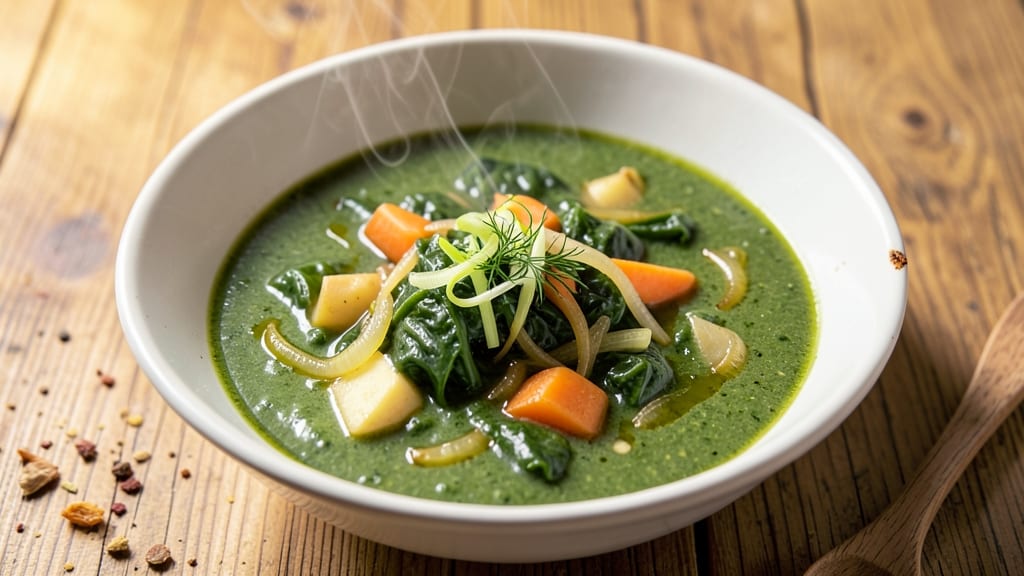
This blended cabbage soup recipe transforms humble vegetables into velvety comfort—perfect for chilly days when you crave warmth without heaviness. The secret lies in blending tender cabbage, carrots, and potatoes with a touch of cream or coconut milk, creating a silky texture that feels indulgent yet light.
I developed this version after realizing traditional cabbage soup could be even more satisfying with a modern twist.
What sets this recipe apart is the balance of flavors and textures: the natural sweetness of carrots, the earthiness of cabbage, and a hint of tang from lemon or apple cider vinegar. You’ll achieve creamy perfection in just 25 minutes, making it ideal for busy weeknights or meal prep.
The soup is naturally vegetarian but easily adaptable—swap the cream for coconut milk for a vegan option or add chicken for extra protein.
The result is a bowl of golden, aromatic soup with a velvety consistency that coats your spoon. Each spoonful delivers a harmonious blend of savory, slightly sweet, and tangy notes, all while being gentle on the stomach.
Serve it with crusty bread or a sprinkle of fresh herbs to elevate the presentation.
This recipe also shines as a dietary-friendly option—packed with fiber, vitamins, and minimal calories, it’s a guilt-free way to enjoy creamy comfort. Whether you’re feeding a family or meal prepping for the week, this soup delivers restaurant-quality results at home.
Ingredients for blended cabbage soup
Here's what you need to turn simple veggies into velvety cabbage soup perfection.
| Ingredient | Amount | Notes |
|---|---|---|
| Yellow Onion 🧅 | 1 whole | Diced for aromatic base |
| Carrots 🥕 | 3 medium | Peeled and chopped |
| Russet Potatoes 🥔 | 2 medium | Peeled and cubed |
| Green Cabbage 🥬 | 1 small head | Cored and chopped |
| Celery Stalks 🌿 | 2 whole | Chopped for extra flavor |
| Garlic Cloves 🧄 | 3 cloves | Minced for depth |
| Vegetable Broth 💧 | 4 cups | Low-sodium preferred |
| Heavy Cream 🥛 | ½ cup | Or coconut milk for vegan |
| Apple Cider Vinegar 🍏 | 1 tbsp | For tangy brightness |
| Fresh Thyme 🌿 | 1 tbsp | Chopped or dried |
| Salt 🧂 | 1 tsp | Kosher or sea salt |
| Black Pepper 🌶️ | ½ tsp | Freshly ground |
| Fresh Lemon Juice 🍋 | 1 tbsp | Optional for extra zing |
| Olive Oil 🫒 | 1 tbsp | For sautéing |
The cabbage is the star here, so pick a small head with tight, crisp leaves—those outer wilted ones mean it's past its prime. Trader Joe's or Whole Foods usually have the freshest. Carrots and potatoes should be firm with no soft spots, and the potatoes should feel heavy for their size. For the broth, low-sodium is key—skip the salted kind unless you're willing to adjust later. I always grab the organic vegetable broth from Trader Joe's; it's flavorful without being overwhelming.
No heavy cream? Coconut milk works perfectly—just use the full-fat kind for the best texture. Fresh thyme is ideal, but dried at one-third the amount gets you close. The vinegar adds that bright tang, so if you're out, lemon juice works in a pinch. For extra richness, a splash of nutritional yeast adds a cheesy note without dairy. The celery adds depth—don't skip it, even though it's small in quantity. And if you're prepping ahead, chop everything the night before—saves 10 minutes of work the next day.
This soup tastes even better the next day—honestly, the flavors meld beautifully overnight. Store it in airtight containers for up to 5 days in the fridge, or freeze portions for up to 3 months. For meal prep, I double the batch and freeze half. Reheat gently on the stove with a splash of broth to restore creaminess. The cream can separate when chilled, so stir well before reheating—or just blend again for instant silky texture.
Why You'll Love This Recipe
- I swear by this trick: toss the whole onion, carrots, and celery stalks into the pot unpeeled until soft, then peel them right in the pot. The Russet potatoes handle the blending beautifully—no gummy texture, just that perfect smoothness with a hint of starchy creaminess.
- No Chopping Chaos: I swear by this trick: toss the whole onion, carrots, and celery stalks into the pot unpeeled until soft, then peel them right in the pot. The Russet potatoes handle the blending beautifully—no gummy texture, just that perfect smoothness with a hint of starchy creaminess.
- Creamy Without Dairy: Here’s what sold me—blending in the potatoes turns this into a velvety soup without a drop of cream or milk. The cabbage adds a bright tang, but it’s the caramelized onions that make it ridiculously comforting. (Yes, even on a Tuesday night.)
- Leftover Goldmine: This soup actually tastes better the next day. I make a double batch on Sundays, and by Wednesday, it’s my secret weapon for quick lunches. The flavors meld into something deeper, and the texture stays silky—no watery disappointment here.
Step-by-step instructions for blended cabbage soup
Here's how to create a velvety, comforting soup that's lighter than traditional versions but packed with flavor.
Sauté the Vegetable Base
Heat the 1 tablespoon olive oil in a large pot over medium heat. Add the diced yellow onion, chopped carrots, cubed russet potatoes, and chopped celery stalks. Cook for 5-6 minutes, stirring occasionally, until the vegetables begin to soften and the onion becomes translucent.
I like to press down gently on the vegetables with a wooden spoon during the first few minutes—this helps them release moisture and build flavor. You'll notice the mixture smells sweeter as it cooks, which means the natural sugars are caramelizing slightly. This is your signal to add the 3 cloves minced garlic and 1 tablespoon chopped fresh thyme, cooking for another 30 seconds until fragrant.
Simmer with Broth and Seasonings
Pour in the 4 cups vegetable broth and bring the mixture to a boil. Once boiling, reduce heat to medium-low and let it simmer uncovered for 10-12 minutes until the potatoes are fork-tender. Stir occasionally to prevent sticking.
This is where the magic happens—the broth absorbs the flavors from the vegetables, creating a rich foundation. Taste the soup at this stage and adjust seasoning with the 1 teaspoon salt and ½ teaspoon black pepper. You'll want to balance the flavors before blending, as the cream will mellow some of the acidity later.
Blend Until Silky Smooth
Using an immersion blender, carefully blend the soup directly in the pot until completely smooth. If you prefer to use a countertop blender, work in batches and return each batch to the pot. The soup should have a velvety texture without any visible chunks.
Here's the thing—blending too coarsely can leave a grainy texture, while over-blending can make the soup too thin. You're aiming for that perfect balance where it's smooth but still substantial. If the soup looks too thick after blending, add ¼ cup water to reach your desired consistency.
Finish with Cream and Brightness
Return the pot to medium heat and stir in the ½ cup heavy cream, 1 tablespoon apple cider vinegar, and 1 tablespoon fresh lemon juice. Simmer gently for 2-3 minutes until the cream is fully incorporated and the soup is heated through.
I know it seems like adding cream to a vegetable soup might make it heavy, but the vinegar and lemon juice cut through the richness beautifully. The acidity from the vinegar and lemon also enhances the natural sweetness of the vegetables. Taste again and adjust seasoning if needed—this is your final chance to perfect the balance of flavors.
Serve Warm with Fresh Herbs
Ladle the soup into bowls and garnish with additional chopped fresh thyme and a drizzle of fresh lemon juice if desired. Serve immediately while still warm, as the flavors continue to meld together.
Each spoonful should deliver that comforting, creamy texture with a bright tang that makes this soup feel special. The blend of creamy and tangy creates a perfect balance that's both satisfying and light. This soup is especially comforting on chilly days or when you're craving something hearty but not too heavy.
Pro Tips For Making Blended Cabbage Soup
- Cook Celery First: I learned this the hard way—celery burns faster than onions or carrots, and once it’s bitter, nothing fixes it. Slice it small (¼-inch pieces) and toss it into the pot with the onions before anything else. If you’re worried about burning, keep the heat at medium-high and stir like you’re stirring a pot of glue—constant, slow circles.
- Prep Potatoes Last: Russet potatoes break down into glue if they cook too long, and that’s the last thing you want in a smooth soup. Peel and chop them into ½-inch cubes, but don’t add them to the pot until the onions, carrots, and celery have softened for 8–10 minutes. They’ll soak up flavors better and keep the texture creamy without overcooking.
- Salt the Cabbage Before Blending: Green cabbage releases water when chopped, and if you blend it raw, your soup will taste watered down. Toss the shredded cabbage with ½ teaspoon salt and let it sit for 5 minutes before adding it to the pot. The salt draws out moisture, concentrates flavor, and guarantees a richer, thicker blend—no slimy texture either.
- Use Cold Potatoes for Creaminess: I skip this when I’m lazy, but the dish is noticeably better when I don’t. Once the soup’s done cooking, spread the hot mixture on a baking sheet and let it cool for 10 minutes before blending. Cold potatoes blend into a velvety texture instead of a pasty one, and the soup holds its shape longer. (Yes, even if you’re impatient like me.)
Wine and beer pairings for this blended cabbage soup
Crisp White Wine
A chilled Sauvignon Blanc from New Zealand or France is my go-to pairing for this bright, creamy soup. The wine’s zesty citrus notes and herbal undertones mirror the lemon and thyme flavors in the soup, while its acidity cuts through the creaminess beautifully.
Look for a bottle with 12-13% ABV—just enough body to stand up to the soup without overpowering it. A Cloudy Bay Sauvignon Blanc or Oyster Bay Sauvignon Blanc from Trader Joe’s are fantastic budget-friendly options. 🍷
Light-Bodied Red
If you prefer red wine, a Pinot Noir from Oregon or California offers a surprisingly smooth match. The wine’s delicate red fruit flavors and subtle earthiness complement the soup’s caramelized carrots and cabbage without clashing.
Opt for a Pinot Noir with 12.5% ABV—like a La Crema or Meiomi—to keep the pairing light and refreshing. The wine’s natural acidity also enhances the soup’s tangy brightness, creating a harmonious balance.
Craft Beer Pairings
A crisp Belgian Witbier like Hoegaarden or Blue Moon brings a fun, effervescent contrast to the soup’s velvety texture. The beer’s coriander and citrus notes play off the lemon and thyme in the soup, while its light carbonation cleanses your palate between spoonfuls.
For a hoppier option, try a German Helles Lager—its malty sweetness and subtle bitterness complement the soup’s caramelized vegetables. Serve the beer slightly chilled to enhance its refreshing qualities.
Non-Alcoholic Options
For a refreshing non-alcoholic match, try sparkling apple cider like Martinelli’s or Woodchuck Hard Cider. The effervescence and apple notes echo the soup’s bright, tangy finish, while the slight sweetness balances the creaminess.
Another great choice is ginger beer—the spicy kick from fresh ginger enhances the soup’s herbal depth. Serve both chilled for the best experience. 🍏
Warm Spiced Wine
For a cozy twist, warm a Mulled White Wine by simmering Sauvignon Blanc with a cinnamon stick, orange peel, and a star anise. The warm spices deepen the soup’s earthy flavors while adding a comforting aroma.
This pairing is perfect for colder evenings when you want extra warmth. Just be sure to strain out the spices before serving to keep the wine smooth. 🌟
Nutrition facts
Frequently asked questions
Can I make this blended cabbage soup vegan?
Simply swap the heavy cream for coconut milk (use full-fat for best texture) and ensure your broth is vegetable-based. For extra richness, add 1 tablespoon nutritional yeast—it adds a cheesy flavor without dairy. The soup will still be creamy and delicious!
Why does my blended cabbage soup turn out watery?
This usually happens when over-blending or using too much broth. Start by blending until smooth, then taste—if it's too thin, simmer uncovered for 5-10 minutes to reduce. For a thicker texture, mash some potatoes before blending or add 1/4 cup cooked rice at the end. The cream will also help stabilize the consistency.
What's the best way to store leftovers?
Store in airtight containers in the fridge for up to 5 days or freeze for 3 months. When reheating, add a splash of broth or water to restore creaminess. For meal prep, double the recipe—freeze half and enjoy fresh portions all week! The flavors actually improve overnight.
Can I use frozen cabbage instead of fresh?
Yes, but thaw and drain it first to prevent watery soup. Frozen cabbage works best in the blending stage—it won't add as much texture but keeps the flavor. For best results, use 1/2 head frozen cabbage (about 2 cups chopped) and add 1/4 cup extra broth to compensate. The texture will be smoother but still flavorful.
How can I make this soup kid-friendly?
Blend until completely smooth, then reduce the apple cider vinegar to 1/2 tablespoon (or omit it). Add a pinch of sugar to balance flavors and serve with buttered noodles or crusty bread for dipping. Kids love the creamy texture—it's like a milder version of cream of potato soup!