
Soups & Stews
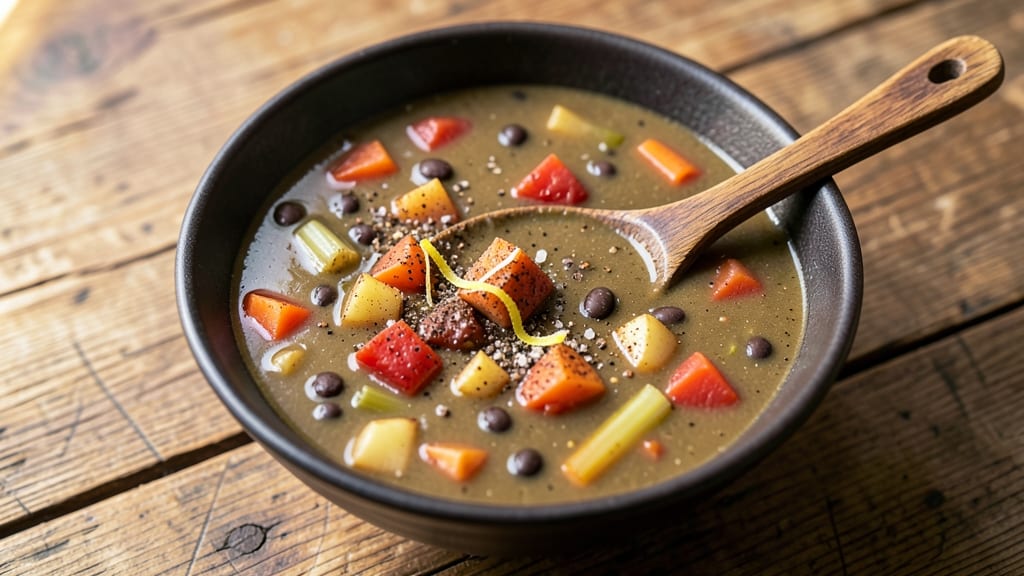
This black-eyed pea soup recipe delivers restaurant-quality depth with smoky ham and aromatic herbs that transform simple ingredients into a hearty, flavorful dish. The secret lies in slow simmering—allowing the peas to soften while absorbing the rich, savory broth infused with garlic, smoked paprika, and fresh thyme.
I developed this version after years of perfecting the balance between earthy peas and smoky, herby notes that make it irresistibly comforting.
The beauty of this recipe is its versatility—it works as a vegetarian main (skip the ham) or a meaty centerpiece, depending on your preference. The ham adds a deep, savory backbone, while the herbs and spices create layers of warmth that linger long after the first spoonful.
With just 30 minutes of active prep and 1 hour of simmering, you’ll have a soup that’s rich, satisfying, and perfect for chilly days or cozy gatherings.
What sets this apart is the way the flavors meld together—creamy yet robust, with a subtle smokiness that makes every bite feel special. The texture is velvety from the peas and potatoes, while the broth remains light enough to let the ingredients shine.
Serve it with crusty bread to soak up every last drop, or pair it with a simple green salad for a balanced meal.
This soup carries cultural weight too, rooted in Southern U.S. and Caribbean traditions where black-eyed peas symbolize prosperity and warmth. Whether you’re making it for a family dinner or a potluck, it’s a dish that brings people together—one spoonful at a time. Let’s get cooking!
Ingredients for black eyed pea restaurant black eyed pea soup
Simple ingredients, deep flavors—this soup transforms pantry staples into restaurant-worthy comfort.
| Ingredient | Amount | Notes |
|---|---|---|
| Dried Black-Eyed Peas 🌱 | 1 ½ cups | Rinsed before cooking |
| Vegetable Broth 💧 | 6 cups | Low-sodium preferred |
| Smoked Paprika 🌶️ | 1 tbsp | For authentic smoky flavor |
| Carrots 🥕 | 2 medium | Peeled and chopped |
| Russet Potato 🥔 | 1 medium | Diced into 1-inch pieces |
| Celery Stalks 🧅 | 2 whole | Chopped into 1-inch pieces |
| Yellow Onion 🧅 | 1 medium | Diced finely |
| Garlic Cloves 🧄 | 4 cloves | Minced for depth |
| Fresh Thyme 🌿 | 2 sprigs | Or 1 tsp dried thyme |
| Bay Leaves 🌿 | 2 whole | Removed before serving |
| Olive Oil 🫒 | 2 tbsp | Extra-virgin preferred |
| Salt 🧂 | 1 tsp | Kosher or sea salt |
| Black Pepper 🌶️ | ½ tsp | Freshly ground |
| Vegetarian Ham Substitute 🍄 | 4 oz | Diced, like seitan or mushroom |
The black-eyed peas are the heart of this dish—dried works best for texture, but canned in a pinch (just drain and rinse). For the broth, low-sodium vegetable broth keeps the flavors balanced without added salt. The smoked paprika is non-negotiable—it's what gives that authentic restaurant smokiness. I grab mine from Penzeys Spices for consistency, but any quality brand works. The potatoes should be Russet or Yukon Gold—they hold up better during simmering. If you can't find fresh thyme, dried works at one-third the amount.
No smoked paprika? Substitute with liquid smoke (1/4 tsp) plus extra cayenne for heat. The vegetarian ham substitute can be seitan strips or diced mushrooms—both add meaty texture. For extra richness, stir in 2 tbsp nutritional yeast at the end. The carrots and celery should be chopped uniformly—this ensures even cooking. If your onions are strong, soak them in cold water for 10 minutes to mellow the flavor. The bay leaves add subtle depth, but don't skip them—they're what makes this taste homemade.
This soup tastes even better the next day as flavors meld. Store in an airtight container in the fridge for up to 5 days. For freezing, portion into 2-cup containers—thaw overnight in the fridge. The peas will soften further when reheated, so start with slightly undercooked peas if you're freezing. Leftovers make fantastic sandwiches—just add a dollop of vegan mayo if you're feeling fancy.
Why You'll Love This Recipe
- One-Pot Magic: I swear by this recipe when I’m too tired to wash a million dishes. Just toss the dried peas, broth, and chopped veggies into one pot, let it simmer, and—boom—cleanup is basically nonexistent. The potatoes break down into creamy chunks, and the carrots soften just enough to melt into the broth without disappearing.
- Smoky Soul Food: That smoked paprika is the secret weapon here. It gives the soup this deep, earthy warmth that makes it taste like a hug from a Southern grandma—except I’m the one stirring the pot. The peas stay tender but hold their shape, and the broth absorbs that smoky flavor until every spoonful feels like a little celebration.
- Meal Prep MVP: Between us, this soup is my go-to for lazy Sundays or when I need to feed a crowd. Make a big batch, and it keeps perfectly in the fridge for days—even better the next day, honestly. I’ll often reheat portions for lunches all week, and the potatoes and carrots just get cozier with time.
- Budget-Friendly Powerhouse: Dried peas and russets are dirt cheap, and this recipe stretches a single pot into multiple servings without breaking the bank. Plus, it’s one of those dishes where the longer it sits, the richer it gets—so leftovers aren’t just acceptable, they’re preferred. My wallet and my freezer both thank me for this one.
Step-by-step instructions for black eyed pea soup with smoky depth
Here's the method that delivers restaurant-quality black-eyed pea soup with rich, smoky layers and tender vegetables.
Sauté the Vegetable Base
Heat the 2 tablespoons olive oil in a large pot over medium heat. Add the 1 medium yellow onion, 2 medium carrots, and 2 whole celery stalks, all chopped to similar size. Cook for 5-6 minutes, stirring occasionally, until the vegetables begin to soften and the onion becomes translucent.
Add the 4 cloves garlic and 1 tablespoon smoked paprika, stirring constantly for 30 seconds until fragrant. This step develops the foundation of your soup's flavor profile. If the garlic starts to brown too quickly, reduce heat slightly—you want aroma, not bitterness. The paprika should dissolve completely into the vegetables, creating that signature smoky depth.
Add Potatoes and Herbs
Push the vegetables to one side of the pot and add the 1 medium russet potato, diced into 1-inch pieces. Cook for 2-3 minutes, stirring occasionally, until the potatoes begin to soften slightly. This pre-cooking ensures even cooking later in the broth.
Add the 2 sprigs fresh thyme and 2 whole bay leaves, stirring to combine. Return all the vegetables to even distribution in the pot. The thyme will infuse subtle earthy notes while the bay leaves add aromatic depth. Keep the heat at medium—this prevents burning while allowing the vegetables to develop flavor.
Combine with Broth and Black-Eyed Peas
Pour in the 6 cups vegetable broth and bring the mixture to a gentle boil. Add the 1.5 cups dried black-eyed peas (rinsed), 4 ounces diced vegetarian ham substitute, 1 teaspoon salt, and ½ teaspoon black pepper. Stir well to combine all ingredients.
Reduce heat to low and cover the pot. Let the soup simmer for 45-50 minutes, stirring occasionally. You'll notice the peas begin to soften and the soup thicken gradually. The ham substitute will absorb flavors from the broth, creating that savory depth reminiscent of traditional ham-infused versions. Keep an eye on the water level—add a splash of hot water if needed to prevent sticking.
Finish and Adjust Seasoning
Once the black-eyed peas are tender (they should easily crush between your fingers), remove the 2 sprigs thyme and 2 whole bay leaves. Taste the soup and adjust seasoning if needed—add more salt or black pepper as necessary. The soup should be rich but not overly salty, with a balance of smoky, herby, and savory flavors.
For a smoother texture, use an immersion blender to lightly purée about half the soup, leaving some whole peas for texture. This creates that perfect restaurant-style consistency—creamy yet still hearty. If you prefer a completely smooth soup, purée the entire batch. Serve immediately to enjoy the soup at its peak flavor and temperature.
Pro Tips For Making Black Eyed Pea Restaurant Black Eyed Pea Soup
- Soak the Peas: Skip the overnight soak—just cover dried black-eyed peas in cold water for 2 hours before cooking. They’ll soften enough to avoid that chalky texture, and you won’t forget about them sitting in the sink all night.
- Brown the Paprika: Toast the smoked paprika in a dry pan for 30 seconds until fragrant. That extra step deepens the flavor—no, it won’t turn your soup into a smoky abyss, but it’ll make the smokiness sing.
- Dice the Potato Small: Cut the Russet into ½-inch cubes, not chunks. They’ll break down evenly and thicken the soup naturally, so you’re not left with mushy bits or undercooked centers.
- Simmer, Don’t Boil: Keep the heat at a gentle simmer after adding the peas—boiling turns them to mush and burns the broth. A steady bubble is all you need; trust the process, even if it feels slow.
Dietary considerations for this black eyed pea restaurant black eyed pea soup
Vegetarian Adaptations
This soup shines as a vegetarian powerhouse—simply omit the vegetarian ham substitute and boost umami with 2 tbsp soy sauce or 1 tbsp miso paste for depth. I also add 1 cup chopped mushrooms (shiitake or cremini) when sautéing the base for a meaty texture.
For extra protein, stir in ½ cup cooked lentils at the end. The smoked paprika and thyme still deliver that rich, savory backbone without any animal products. 🌱
Gluten-Free Safety
All ingredients in this recipe are naturally gluten-free, but always double-check your vegetable broth label—some brands use gluten-containing additives. For the vegetarian ham substitute, opt for seitan-free options like diced tempeh or extra-firm tofu (pressed and pan-seared).
The black-eyed peas and potatoes are safe staples, and the spices are universally gluten-free. Just avoid cross-contamination if you're using shared kitchen tools. ✨
Low-Sodium Options
To reduce sodium, use homemade vegetable broth or a no-salt-added brand like Imagine or Pacific Foods. Skip the added salt until the very end, then adjust to taste with just ½ tsp—the smoked paprika and ham substitute provide enough flavor.
For extra potassium balance, add ½ cup diced tomatoes (no salt added) with the broth. The peas and potatoes naturally hold up well without excessive salt. 💡
Allergen-Friendly Swaps
For nut allergies, avoid any garnishes with tahini or cashews—stick to fresh cilantro or lime wedges instead. If you're sensitive to nightshades, reduce the smoked paprika to ½ tbsp and replace with 1 tsp ground cumin for warmth.
For soy allergies, use coconut aminos instead of soy sauce. The base recipe remains safe for common allergens when using these simple adjustments. 🌟
Protein Boosting
Add ½ cup cooked quinoa or 1 cup chopped kale (stirred in during the last 10 minutes of simmering) for extra nutrients. For a creamy texture without dairy, blend in ½ cup silken tofu after cooking.
The peas already provide 15g protein per serving, but these additions make it a complete meal. I often serve this with a side of garbanzo bean salad for double the protein punch. 💪
Nutrition facts
Frequently asked questions
Can I use canned black-eyed peas instead of dried?
Yes, but you'll need to adjust the cooking time. Use 2 (15-ounce) cans of drained and rinsed black-eyed peas, and reduce the simmering time to 20-25 minutes—they're already pre-cooked. The texture will be softer, but the flavors will still develop beautifully. For best results, add the canned peas with the broth and simmer uncovered to let excess moisture evaporate.
How do I make this soup completely vegetarian?
Simply omit the vegetarian ham substitute and boost umami with 2 tablespoons soy sauce or 1 tablespoon miso paste when adding the broth. For extra depth, add 1 cup chopped mushrooms with the onions or ½ cup cooked lentils at the end. The smoked paprika and thyme will still create that rich, savory flavor without any animal products.
Why does my soup taste bland after simmering?
Blandness usually comes from insufficient seasoning or lack of flavor development. First, make sure you're using low-sodium broth and adding salt at the end. Second, let the soup simmer uncovered for the last 10 minutes to concentrate the flavors. For extra richness, stir in 1 tablespoon tomato paste with the broth or add a pinch of MSG (if avoiding salt) for umami depth.
Can I prepare this soup ahead of time?
This soup tastes even better the next day as flavors meld. Store in an airtight container in the fridge for up to 5 days. For freezing, portion into 2-cup containers—thaw overnight in the fridge. The peas will soften further when reheated, so start with slightly undercooked peas if freezing. Reheat gently on the stove with a splash of water to restore creaminess.
What's the best way to serve this soup?
This hearty soup works perfectly as a main dish or starter. Serve with crusty bread for dipping, or pair with a simple green salad for balance. For extra flair, top individual bowls with fresh cilantro, lime wedges, or a drizzle of hot sauce. It also makes a great cold-weather potluck dish—just reheat before serving to maintain texture.