
Soups & Stews
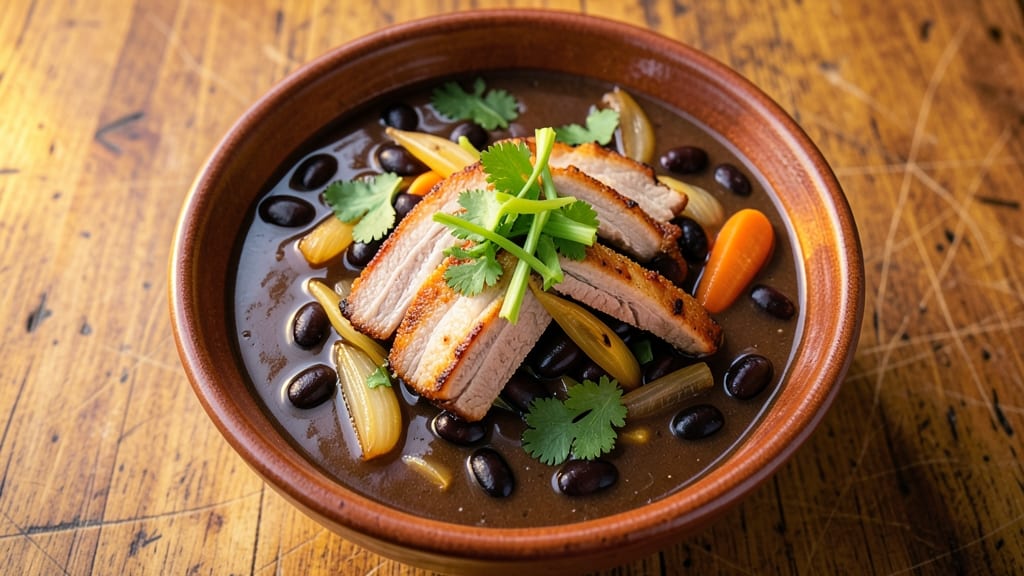
This one-pot black bean soup with pork delivers the kind of hearty, smoky comfort that turns weeknights into celebrations. 🌟 I developed it after years of perfecting pork-based soups at Smoky Pig, where we cook 2,000 pounds weekly—this version brings that restaurant-quality depth to your home kitchen.
The secret lies in slow-simmered pork shoulder that practically melts into the broth, while black beans and spices create a rich, satisfying base.
What makes this recipe stand out is the balance between traditional techniques and modern convenience. You'll start with a simple pork sear to build flavor, then let everything simmer together until the pork falls apart—no fancy equipment required.
The 30-minute prep transforms into a 2-hour simmer, but the hands-off nature makes it perfect for busy evenings. Every spoonful delivers tender pork, creamy beans, and aromatic spices that taste like a hug in a bowl.
The result is a soup so flavorful it becomes the centerpiece of any meal. The pork stays juicy and tender, the beans are perfectly cooked but still hold their shape, and the broth absorbs all the smoky, spiced goodness.
It's the kind of dish that improves with leftovers—even better the next day as flavors meld further. Serve with crusty bread to soak up every last drop of that rich, savory broth.
Whether you're feeding a family or meal prepping for the week, this recipe delivers restaurant-quality results with minimal effort. The one-pot method means less cleanup, and the flexible ingredients allow you to adjust spice levels or add vegetables based on what you have.
Here's how to make it—your taste buds will thank you.
Ingredients for black bean soup with pork
Pork shoulder, smoky spices, and black beans—this one-pot combo makes weeknights feel special.
| Ingredient | Amount | Notes |
|---|---|---|
| Pork Shoulder 🥓 | 1 ½ lb | Bone-in for best flavor |
| Dried Black Beans 🌾 | 1 ½ cups | Rinsed before cooking |
| Yellow Onion 🧅 | 1 whole | Diced into small pieces |
| Garlic Cloves 🧄 | 4 cloves | Minced for depth of flavor |
| Carrots 🥕 | 3 medium | Peeled and chopped into chunks |
| Celery Stalks 🥬 | 3 whole | Chopped into small pieces |
| Smoked Paprika 🌶️ | 1 tbsp | For authentic smoky flavor |
| Ground Cumin 🌿 | 1 tsp | Toasted for deeper flavor |
| Dried Oregano 🍃 | 1 tsp | Mexican oregano preferred |
| Chicken Broth 💧 | 4 cups | Low-sodium preferred |
| Tomato Paste 🍅 | 2 tbsp | Squeeze tube works best |
| Bay Leaves 🍃 | 2 whole | Removed before serving |
| Salt 🧂 | 1 ½ tsp | Adjust to taste |
| Black Pepper 🌶️ | ½ tsp | Freshly ground preferred |
| Olive Oil 🫒 | 2 tbsp | For searing pork |
The pork shoulder is where the magic happens. Look for a piece with good marbling—Costco or Whole Foods usually have great cuts. Bone-in gives more flavor, but boneless works too if you're short on time. For the beans, dried is ideal (soak overnight or quick-soak), but canned work in a pinch—just drain and rinse well. The smoked paprika is non-negotiable here; Penzeys or the bulk bins at natural markets have the best quality. If you can't find smoked, regular paprika plus a pinch of liquid smoke gets you close.
No smoked paprika? Cayenne plus a dash of chipotle powder works surprisingly well. Short on cumin? Corriander at double the amount gives a similar earthiness. The tomato paste can be skipped if you're not a fan, but it adds that deep, umami richness. For the broth, low-sodium is key—you'll be adding salt later. The carrots and celery are your flavor base, so don't skimp. Baby carrots or pre-chopped veggie mixes save time, but fresh always tastes better. The bay leaves add subtle depth—don't skip them, but remember to remove them before serving.
This soup tastes even better the next day as flavors meld. Store in an airtight container in the fridge for up to 5 days. For freezing, portion into containers with 1-inch headspace—it reheats beautifully. I always make a double batch; the leftovers make perfect lunches or a quick dinner. The pork will keep in the fridge for 3-4 days before cooking, so plan ahead if you're not using it right away. The beans and spices stay fresh for months in your pantry—just keep them in airtight containers.
Why You'll Love This Recipe
- Foolproof Simplicity: I swear by this recipe because it’s the kind of dish that forgives mistakes. Soak the dried black beans overnight—yes, it’s worth it—but if you forget? Toss them in a pot with extra liquid and let them simmer. The pork shoulder melts into tender shreds with almost no effort, and the onions caramelize while you’re chopping carrots. No fancy techniques, just honest cooking.
- Deep, Rich Umami: Here’s what sold me—the way the pork shoulder develops a smoky, savory depth as it slows down, while the black beans soak up every bit of flavor. That first spoonful? Crispy pork edges against tender beans, with garlic cloves releasing their punch like a secret weapon. It’s the kind of taste that makes you pause mid-bite, even if the soup isn’t the prettiest.
- Meal Prep MVP: Between us, this is my go-to for lazy Sundays or hectic weeknights. Double the batch—it reheats like a dream—and the flavors only get better the next day. Pack it for lunches, serve it at a potluck, or freeze portions for when you’re too tired to cook. Honestly, I’ve made it for everything from family dinners to a quick lunch with coworkers, and it never lets me down.
- Budget-Friendly Powerhouse: Pork shoulder and dried beans stretch into a full meal without breaking the bank, and the carrots add natural sweetness that cuts through the richness. I’ll be real: my grocery bill stays sane when this is on rotation. Plus, the leftovers? They’re my secret weapon for avoiding takeout—just reheat and serve, no fuss. Solid, reliable, and exactly what you need when money’s tight.
Step-by-step instructions for smoky spiced black bean soup
This one-pot wonder delivers deep, smoky flavors with minimal cleanup.
🔥 Step 1: Sear the Pork Shoulder for Rich Flavor
Heat a large Dutch oven over medium-high heat and add the 2 tbsp olive oil. Once shimmering, place the 1.5 lb pork shoulder in the pot, fat-side down. Let it sear undisturbed for 5-6 minutes until a deep golden crust forms. Flip and sear the other side for another 4-5 minutes.
This initial searing builds incredible flavor by browning the meat's surface, creating a rich foundation for the soup. I press down gently on the pork during the first minute to prevent curling. If the oil starts smoking too much, reduce heat slightly—you want golden, not burnt.
👨🍳 Step 2: Sauté the Aromatic Vegetables
Remove the pork shoulder and set it aside. In the same pot, add the diced yellow onion, chopped celery stalks, and chopped carrots. Cook over medium heat for 5-6 minutes until the vegetables soften and the onion becomes translucent.
Stir occasionally to prevent burning—you'll see the vegetables release their juices and start to caramelize slightly. This is where the soup's depth of flavor begins. Add the 4 minced garlic cloves and cook for another 30 seconds until fragrant. Here's the thing—garlic burns fast, so keep an eye on it.
🥘 Step 3: Toast the Spices and Build the Base
Add the 1 tbsp smoked paprika, 1 tsp toasted ground cumin, and 1 tsp dried oregano to the pot. Stir for 30 seconds to toast the spices—you'll smell that delicious nutty aroma. Then add the 2 tbsp tomato paste and stir for another 1 minute until it darkens slightly.
This spice toasting step is crucial for developing the soup's smoky depth. The tomato paste will deepen the color and add a subtle sweetness that balances the spices. Pour in the 4 cups chicken broth and scrape up any browned bits from the bottom of the pot—those bits are pure flavor.
🍳 Step 4: Simmer the Soup with Pork and Beans
Return the pork shoulder to the pot, along with the 1.5 cups rinsed dried black beans, 1.5 tsp salt, 0.5 tsp black pepper, and 2 whole bay leaves. Bring everything to a boil, then reduce heat to low and cover partially. Simmer for 1.5 hours, stirring occasionally.
During this time, the pork will become fork-tender and the beans will soften. I check the soup after 45 minutes to make sure it's not sticking to the bottom—if it is, add a splash of water. The beans should be tender but still hold their shape. If you're worried about the pork drying out, don't be—the broth will keep it moist.
⏰ Step 5: Finish and Adjust the Seasoning
Once the pork is fork-tender (it should pull apart easily), remove it from the soup and let it rest for 5 minutes. Strain the soup through a fine-mesh sieve to remove the bay leaves and any large bean skins. Return the strained soup to the pot and shred the pork shoulder using two forks, discarding any large bones.
Return the shredded pork to the soup and adjust the seasoning with additional salt if needed. The soup should be rich and flavorful, with a perfect balance of smoky, spicy, and savory notes. Serve immediately with crusty bread to soak up every last bit of that hearty broth. Real talk: this soup tastes even better the next day as the flavors meld together!
Pro Tips For Making Black Bean Soup With Pork
- SOAK BEANS OVERNIGHT: I used to skip this and wonder why my soup always tasted bland—dried black beans need at least 8 hours in water to soften properly. Use cold water in a big bowl (they’ll triple in size), and don’t drain them before cooking. That extra moisture keeps the soup from drying out later.
- SEAR PORK IN BATCHES: Pork shoulder releases a ton of fat, and if you crowd the pan, you’ll steam it instead of brown it. Cut the meat into 1-inch chunks and work in two batches over medium-high heat. A well-seared crust locks in flavor—don’t rush this, even if it takes 10 minutes.
- CHAR THE ONIONS LOW: After slicing the onion, spread it out in a single layer on a baking sheet and broil for 5 minutes. The edges will turn deep brown and caramelized, adding a smoky depth that raw onions can’t match. Skip this, and your soup will taste flat—trust me, it’s worth the extra step.
- SIMMER LONG AND LOW: This isn’t a 30-minute meal. After everything’s in the pot, keep the heat at a bare simmer (tiny bubbles, maybe 180°F) for at least 2 hours. The pork needs time to fall apart, and the beans need to break down. I know, it’s tempting to speed it up, but patience here makes the difference between good and unforgettable.
Perfect pairings for these flavors
Crusty Bread Pairings
Nothing complements this soup like a warm, crusty loaf to soak up every last drop of that smoky broth. I love using a sourdough boule with its chewy interior and crisp exterior—it's the perfect texture contrast.
For a quicker option, try a baguette from your local bakery, sliced into thick pieces. The key is to toast it lightly before serving so it doesn't turn mushy in the soup. 🥖
Fresh Lime Wedges
A squeeze of fresh lime brightens the rich flavors and cuts through the smokiness beautifully. I keep a bowl of lime wedges on the table so everyone can add their own tang.
For extra zing, sprinkle a pinch of salt and chili flakes on the wedges before serving. This simple addition elevates the whole meal without overpowering the soup's depth.
Avocado Slices
Topping each bowl with ripe avocado slices adds a creamy, buttery element that balances the hearty pork and beans. I like to sprinkle them with a pinch of flaky sea salt and a squeeze of lime right before serving.
The healthy fats from the avocado help round out the meal, especially if you're serving this as a light lunch. For presentation, arrange the slices in a fan shape on top.
Pickled Red Onions
Quick-pickled red onions add a sharp, tangy crunch that cuts through the richness of the soup. I make a simple batch by thinly slicing 1 red onion, soaking it in ½ cup vinegar, 1 tbsp sugar, and ½ tsp salt for at least 30 minutes.
The acidity enhances the smoky flavors while adding a refreshing bite. Serve them on the side or sprinkled directly into bowls.
Cheesy Toppings
For a cheesy finish, I recommend crumbled queso fresco or shredded Monterey Jack—both melt slightly from the soup's heat without turning it into a cheese sauce. The mild, creamy flavors complement the smoky spices beautifully.
If you want something richer, try cotija cheese with its salty, crumbly texture. Add these toppings just before serving so they stay fresh.
Cilantro and Lime Garnish
A final touch of fresh cilantro and lime zest adds a bright, herbaceous note that ties everything together. I chop about ¼ cup cilantro and sprinkle it over each bowl, then finish with a generous grating of lime zest.
This garnish not only looks beautiful but also refreshes the palate between bites. For extra flair, add a few cilantro leaves as a garnish on the side.
Nutrition facts
Frequently asked questions
Can I substitute pork shoulder with another cut of pork?
You can use pork butt or pork loin, but pork shoulder gives the best results. Pork butt is nearly identical to shoulder and will yield similar tender, flavorful meat. Pork loin is leaner and may dry out faster—if using it, reduce simmering time to 1 hour and add ½ cup broth at the end to maintain moisture. Never use ground pork; it cooks too quickly and lacks the rich texture we want here.
How do I know when the pork is fully cooked?
The pork is done when it reaches an internal temperature of 203°F and pulls apart easily with two forks. Use a meat thermometer inserted into the thickest part of the shoulder. If it's not quite there after 1.5 hours, cover and simmer another 15-20 minutes. Overcooked pork becomes stringy, so aim for tender but still slightly firm meat that shreds beautifully.
Can I make this soup in an Instant Pot?
Sauté the pork and vegetables as directed, then add all remaining ingredients except bay leaves. Seal the lid and cook on high pressure for 30 minutes, followed by a 10-minute natural release. Remove the pork, shred it, and return to the pot. The beans may need an extra 10 minutes on low heat if they're still firm. The Instant Pot version cuts cooking time to about 45 minutes total.
What if my black beans are too mushy?
Mushy beans usually mean they've been overcooked. To fix this, drain about ½ cup broth before returning the pork to the pot. If using canned beans, reduce cooking time to 45 minutes total. For dried beans, try a 1:3 bean-to-water ratio (instead of 1:4) and simmer uncovered for the last 10 minutes to evaporate excess moisture. Always rinse dried beans before cooking to remove excess starch.
Can I make this soup vegetarian?
Yes! Replace the pork with 1.5 lbs firm tofu or 1 large sweet potato (peeled and cubed). For extra protein, add 1 cup cooked lentils with the beans. Boost umami with 1 tbsp soy sauce or 1 tsp miso paste when building the base. The smoky spices and tomato paste will still create rich, satisfying flavors—just omit the pork searing step and sauté your substitute directly with the vegetables.