
Soups & Stews
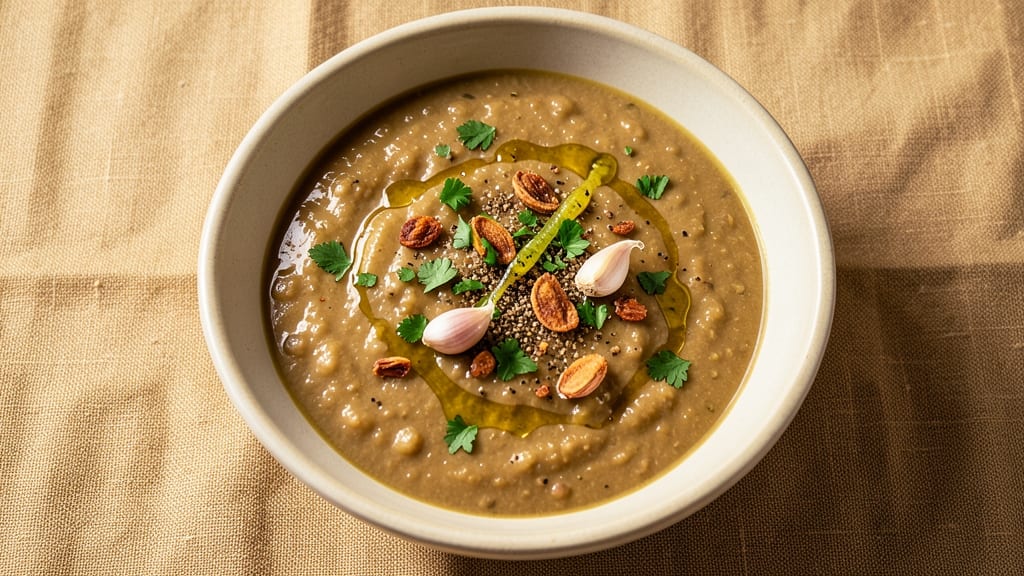
This Bissara soup recipe delivers the warm, earthy comfort of traditional North African fava bean soup in just 20 minutes—perfect for cozy nights or special gatherings. The blend of creamy fava beans, aromatic cumin, and lemon brightens every spoonful, creating a dish that’s both hearty and refreshing.
What makes Bissara special is its ability to transform simple ingredients into something deeply satisfying, with a velvety texture that lingers.
The beauty of this recipe lies in its simplicity: no complex techniques, just a few key steps that build rich, layered flavor. Start with soaked fava beans (or canned for convenience), then blend them with garlic, cumin, and olive oil until smooth.
Simmer until the spices meld into the broth, and finish with a touch of lemon for that signature tang. The result is a soup that’s equally at home as a main dish or a starter, served with crusty bread or on its own.
What sets Bissara apart is its cultural warmth—traditionally enjoyed in Egypt, Libya, and Tunisia, where it’s a staple for breakfast or late-night meals. The cumin and garlic create an aromatic depth, while the fava beans add a creamy, almost custard-like richness.
It’s the kind of soup that feels like a hug in a bowl, especially when the weather turns chilly or you crave something nourishing yet light.
Perfect for weeknight dinners or weekend cooking projects, this recipe scales easily for a crowd. The blend of spices and the natural sweetness of the beans make it unforgettable, and the bright lemon finish cuts through the earthiness beautifully.
Ready in under 20 minutes, it’s the ideal comfort dish for any occasion.
Ingredients for bissara soup
Nine simple ingredients transform into velvety, aromatic Bissara soup—creamy fava beans meet earthy cumin for comfort in every spoonful.
| Ingredient | Amount | Notes |
|---|---|---|
| Dried Fava Beans 🌱 | 1 cup | Soaked overnight or canned for convenience |
| Ground Cumin 🌿 | 2 tbsp | Toasted for deeper aroma |
| Garlic Cloves 🧄 | 4 cloves | Peeled and roughly chopped |
| Extra-Virgin Olive Oil 🫒 | ½ cup | High-quality, fruity variety |
| Vegetable Broth 💧 | 4 cups | Low-sodium preferred |
| Lemon Juice 🍋 | 2 tbsp | Freshly squeezed |
| Salt 🧂 | 1 tsp | Kosher or sea salt |
| Black Pepper 🌶️ | ½ tsp | Freshly ground |
| Fresh Cilantro 🌿 | ¼ cup | Chopped, for garnish |
| Crusty Bread 🍞 | 1 loaf | For serving, optional |
| Red Pepper Flakes 🌶️ | ½ tsp | Optional for heat |
The fava beans are the heart of this soup. Dried beans need overnight soaking to soften, but canned fava beans (drained and rinsed) cut prep time dramatically. Trader Joe's carries them in the international aisle, or check Middle Eastern markets for the best quality. Toast the cumin seeds in a dry pan for 30 seconds before grinding—that smoky aroma is what makes Bissara sing. For the garlic, don't peel it all at once; it oxidizes fast. Keep the peeled cloves submerged in water until ready to use.
No cumin? Ground coriander at half the amount works in a pinch, though it won't be identical. Substitute vegetable broth with water plus 1 tsp soy sauce for umami depth. The olive oil matters—use extra-virgin with noticeable fruitiness, not the cheap cooking oil. Fresh cilantro is ideal, but dried at one-fourth the amount works if you're out. Red pepper flakes? Only add if you want heat—start with 1/4 tsp and adjust to taste. The lemon juice should be freshly squeezed; bottled won't have the same bright punch.
This soup tastes even better the next day as flavors meld. Store in an airtight container in the fridge for 4-5 days—the texture stays creamy, not watery. For longer storage, freeze portions in 1-cup containers for up to 3 months. Reheat gently on the stove with a splash of water to restore creaminess. The crusty bread? Warm it in the oven for 5 minutes before serving—it soaks up the soup beautifully. Double the recipe if you're feeding a crowd; it scales perfectly.
Why You'll Love This Recipe
- Soak-and-Go Simplicity: I’ll be real—this soup requires zero fancy skills. Toss dried fava beans in water overnight (or use canned for 10-minute speed), then simmer with cumin and garlic. Honestly, the hardest part is waiting for the beans to soften—everything else is just stirring and savoring.
- Earthy-Garlicky Magic: The cumin and garlic don’t just flavor—they transform. That deep, toasty cumin warmth meets the sharp punch of garlic in olive oil, then melts into the creamy fava purée. It’s the kind of taste that makes you pause mid-sip, like a hug in a bowl.
- Weeknight to Potluck: Between us, this soup works everywhere. Serve it steaming in mugs for a cozy night in, or ladle it into a big bowl for a potluck where everyone asks for the recipe. Even my picky-eating cousin (who hates beans) finishes his second helping.
- Budget Meal That Lasts: A pound of dried fava beans costs pennies, stretches into five servings, and tastes better the next day. I’ve reheated mine three times—each batch richer, the flavors only deepening. Plus, it’s my go-to when grocery money’s tight, but no one ever guesses.
Step-by-step instructions for Bissara soup
Transform simple ingredients into a rich, aromatic fava bean soup with this straightforward method.
Prepare the Fava Beans
If using dried fava beans, rinse the 1 cup thoroughly under cold water to remove any debris. Place them in a medium saucepan and cover with plenty of fresh water—about 4 cups—then bring to a boil over high heat. Once boiling, reduce heat to medium-low and simmer for 1 hour until the beans are fork-tender. You'll know they're ready when they mash easily between your fingers.
For a quicker version, you can use canned fava beans instead. Drain and rinse them well before using. Either way, this foundational step ensures your soup has a smooth, velvety texture without any gritty bits. Don't skip the simmering time—rushing this will leave you with a grainy consistency that's hard to fix later.
Toast the Cumin and Cook the Garlic
In a separate small skillet, toast the 2 tbsp ground cumin over medium heat for 1-2 minutes until fragrant and slightly darker in color. This step unlocks the cumin's deep, earthy aroma that defines bissara. Immediately transfer the toasted cumin to your soup pot.
In the same skillet, add the 0.5 cup extra-virgin olive oil and heat over medium heat. Add the 4 peeled garlic cloves (roughly chopped) and cook for 1-2 minutes until they turn golden and smell irresistible. Be careful not to let them burn—they should be fragrant but not colored. Pour this aromatic oil into the soup pot with the beans.
Simmer the Soup
Add the 4 cups vegetable broth and bring the mixture to a gentle boil over medium heat. Once boiling, reduce heat to low and let it simmer uncovered for 10-15 minutes. This slow cooking allows the flavors to meld together beautifully while the beans break down further, creating that signature creamy texture.
Season with the 1 tsp salt and 0.5 tsp black pepper, then stir in the 2 tbsp lemon juice. Taste and adjust seasoning—you want a balance of earthy cumin, bright lemon, and savory broth. If the soup is too thick, add a splash of warm water to reach your preferred consistency. The lemon juice is crucial here; it brightens the earthy flavors and adds a refreshing contrast.
Finish and Serve
Carefully blend the soup using an immersion blender until completely smooth—this is what gives bissara its signature velvety texture. If you prefer a chunkier version, you can skip blending or only blend half. For extra heat, stir in the 0.5 tsp red pepper flakes now.
Garnish with the 0.25 cup chopped fresh cilantro just before serving. The cilantro adds a fresh, herbal note that cuts through the richness of the soup. Serve immediately with slices of crusty bread on the side. The bread helps soak up the flavorful broth while adding a satisfying crunch to each bite. This soup tastes best fresh—don't let it sit too long after blending, as the texture will thicken further.
Pro Tips For Making Bissara Soup
- SOAK BEANS OVERNIGHT: I learned this the hard way—rushing the soak leaves you with tough, mealy beans that won’t blend smoothly. Use a big bowl, cover with cold water by 2 inches, and let them sit 12+ hours. The longer they soak, the creamier your soup will be (yes, even if you’re impatient like me).
- TOAST CUMIN LOW: Cumin burns faster than you think. Heat it in your olive oil on low for 30 seconds—just until fragrant, not brown. Over-toasting turns it bitter, and you’ll taste it in every spoonful. Trust me, your nose will thank you.
- SKIP PEELING FAVAS: Peeling dried fava beans is a waste of time. After soaking, just rinse them and blend with skins on—they’ll dissolve into the broth anyway. The skins add earthy depth, and you’ll save 15 minutes of scrubbing.
- BLOOM GARLIC IN OIL: Sauté minced garlic in olive oil for 1 full minute before adding broth—until it’s golden but not crispy. This stops it from turning bitter when simmered, and the flavor sticks to the beans instead of floating away. (Your future self will notice the difference.)
Best sauces and condiments for these flavors
Creamy Tahini Swirl
Bissara’s earthy flavors pair beautifully with a swirl of tahini sauce—just whisk 2 tbsp tahini, 1 tbsp lemon juice, 1 tsp maple syrup, and 2 tbsp warm water until smooth.
Drizzle over the soup just before serving for a nutty, velvety contrast. I like using Al Yaman brand tahini for its rich, roasted flavor. 🌿
Spicy Harissa Drizzle
For a bold kick, blend 2 tbsp harissa paste (like El Fenn brand), 1 tbsp olive oil, and 1 tsp water into a smooth sauce. Drizzle 1 tsp over each bowl of bissara—it adds smoky heat that complements the cumin beautifully.
Start with less if you’re sensitive to spice, as harissa can be intense. 🌶️
Garlic Yogurt Sauce
Mix ½ cup plain Greek yogurt, 1 minced garlic clove, 1 tsp lemon juice, and a pinch of salt for a cooling, tangy topping.
This balances the soup’s richness and adds a creamy texture. I use Fage 5% for its thick consistency. Serve with extra cilantro for a fresh finish. 🥄
Lemon-Herb Oil
Infuse ½ cup olive oil with 1 tbsp chopped fresh herbs (parsley, dill, or cilantro) and 1 tsp lemon zest. Let it sit for 10 minutes, then strain.
Drizzle 1 tbsp over the soup for a bright, aromatic finish. This adds a fragrant layer without overpowering the dish’s natural flavors. ✨
Crispy Onion Topping
Sauté ½ cup thinly sliced red onions in 1 tbsp olive oil over medium-high heat until caramelized and crispy (about 10 minutes). Sprinkle over the soup for a sweet, crunchy contrast. This adds texture and depth that elevates the dish. 🧅
Nutrition facts
Frequently asked questions
Can I make bissara soup with canned fava beans instead of dried?
Canned fava beans are a fantastic shortcut that saves 1 hour of soaking and cooking time. Just drain and rinse them thoroughly before using—this removes excess starch that can make the soup too thick. For best results, use high-quality canned fava beans (like those from Trader Joe's or Middle Eastern markets) for a smoother texture. The flavor will be just as rich, though dried beans develop deeper flavor when simmered.
Why does my bissara soup taste bitter? How do I fix it?
Bitterness often comes from overcooked beans or unbalanced seasoning. First, check if you simmered the beans too long—dried fava beans should be fork-tender but not mushy. Add a splash of lemon juice (1-2 tbsp) to brighten flavors, or stir in 1 tsp sugar to balance bitterness. If the cumin tastes harsh, reduce it by ½ tsp in future batches. Freshly blended soup should be creamy, not bitter.
What's the best way to store leftover bissara?
Store leftovers in an airtight container in the fridge for 4-5 days—the flavors actually improve overnight! For longer storage, freeze portions in 1-cup containers for up to 3 months. When reheating, add 1-2 tbsp warm water to restore creaminess. Never reheat directly from frozen; thaw in the fridge first. The texture stays velvety if handled gently.
Can I make bissara soup without cumin?
While cumin is traditional, you can substitute with ½ tsp ground coriander + ¼ tsp turmeric for warmth, or ½ tsp smoked paprika for depth. The earthy aroma is key—without it, the soup will taste more like a simple bean broth. If you're avoiding cumin due to allergies, try 1 tsp caraway seeds (toasted and ground) as an alternative. The lemon and garlic will still shine through!
Is bissara soup gluten-free and vegan?
Yes! This recipe is naturally gluten-free and vegan—it contains no animal products or wheat-based ingredients. Just ensure your vegetable broth is certified gluten-free (many brands offer this) and check cumin labels for cross-contamination warnings. Serve with gluten-free bread or roasted vegetables to keep it allergy-friendly. It's a staple in Middle Eastern vegan diets!