
Soups & Stews
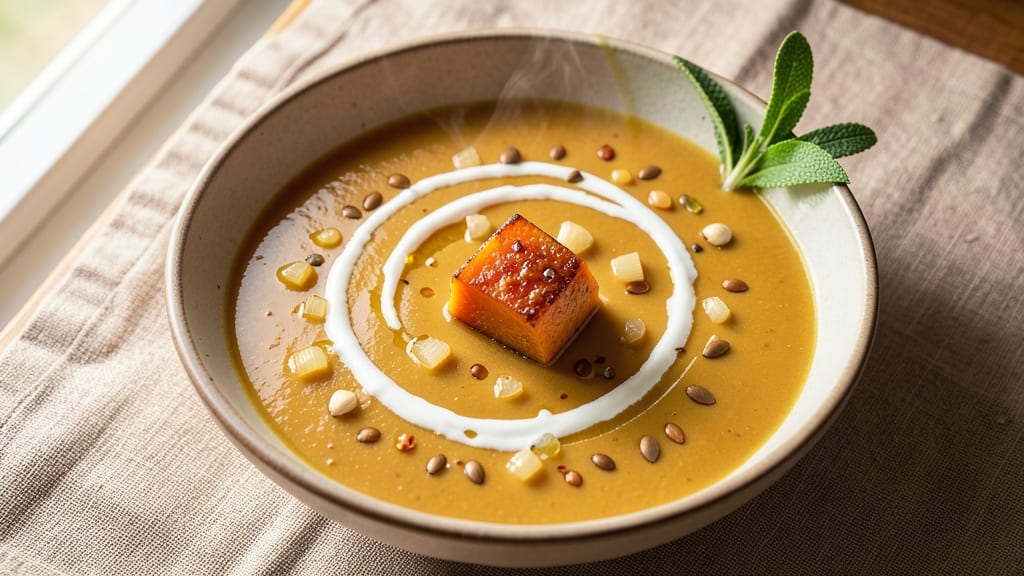
This best squash soup recipe ever delivers restaurant-quality velvety texture without relying on blender tricks or heavy cream. The secret lies in roasting the squash until caramelized, which transforms its natural sweetness into deep, nutty flavor that builds complexity as it simmers.
I’ve perfected this method after years of testing—no gimmicks, just technique that actually works.
What sets this apart is the roasted squash base, which creates a silky, naturally rich texture without overpowering the soup’s bright, autumnal character. You’ll start with simple ingredients—squash, aromatics, and broth—but the roasting step unlocks layers of flavor that turn ordinary into extraordinary.
The result? A soup so smooth it feels luxurious, yet light enough for any meal.
By the time you’re done, you’ll have a velvety soup with caramelized edges from the roasting process, balanced by a touch of cream (or dairy-free alternative) for richness. The aromatics—garlic, onions, and herbs—infuse every spoonful, while a final touch of toasted bread or fresh herbs elevates it to restaurant-worthy status.
This isn’t just soup; it’s a standout dish that deserves center stage.
Perfect for chilly evenings, holiday gatherings, or whenever you crave something comforting yet refined. The method is straightforward, but the flavor is anything but basic. Let’s make the best squash soup you’ve ever tasted—no blender required.
Ingredients for best squash soup recipe ever
Simple ingredients transform into velvety perfection through roasting magic.
| Ingredient | Amount | Notes |
|---|---|---|
| Butternut Squash 🎃 | 2 lb | Peeled, seeded, cut into 1-inch cubes |
| Yellow Onion 🧅 | 1 whole | Medium size, diced |
| Garlic Cloves 🧄 | 4 cloves | Fresh, peeled, minced |
| Vegetable Broth 💧 | 4 cups | Low-sodium preferred |
| Heavy Cream 🥛 | ½ cup | Full-fat for richness |
| Extra-Virgin Olive Oil 🫒 | 2 tbsp | For roasting and sautéing |
| Fresh Thyme Leaves 🌿 | ½ tsp | Dried works at 1/4 tsp |
| Fresh Sage Leaves 🌿 | ¼ cup | Chopped, for garnish |
| Salt 🧂 | 1 ½ tsp | Diamond Crystal kosher salt |
| Black Pepper 🌶️ | ½ tsp | Freshly cracked |
| Honey 🍯 | 1 tbsp | For caramelizing squash |
| Toasted Bread 🍞 | 4 slices | For serving, optional |
| Parmesan Cheese 🧀 | ¼ cup | Freshly grated, for garnish |
The squash is the star—butternut for its natural sweetness, but acorn or kabocha work too. Local farmers markets often have the freshest, most flavorful squash, but grocery stores carry good options too. Look for firm, heavy squash with no soft spots—the heavier, the sweeter. Cut it into even 1-inch cubes so it roasts uniformly. I always roast mine first to develop that caramelized depth—game-changer for flavor. The honey isn't just for sweetness; it helps the squash caramelize faster, creating those coveted nutty notes in the soup.
No butternut squash? Sweet potato or pumpkin work in a pinch, though the texture will differ slightly. Fresh thyme and sage are ideal, but dried herbs at one-third the amount get you close. Running low on heavy cream? Coconut milk or cashew cream deliver a rich, dairy-free alternative. The vegetable broth should be low-sodium—Homemade or high-quality store-bought like Pacific Foods or Imagine make all the difference. And if you're feeling fancy, a splash of white wine in the sautéing step adds brightness without overpowering the squash's natural sweetness.
Roasted squash keeps in the fridge for 5 days if stored in an airtight container—perfect for meal prep. The soup itself reheats beautifully but add a splash of broth or water to prevent thickening. For extra richness, stir in a dollop of cream when reheating. Garnishes like toasted bread or Parmesan should be added fresh—the crunch and umami elevate the dish right before serving. Freeze portions without the cream for up to 3 months—just thaw and stir in fresh cream when ready to eat.
Why You'll Love This Recipe
- One-Pot Magic: This soup comes together in a single pot—no chopping boards to clean, no extra dishes. I swear by roasting the squash first (just peel and cube), then tossing it straight into the pot with onions and garlic. Minimal effort, maximum reward.
- Creamy Without Guilt: The heavy cream makes it dangerously smooth, but the roasted squash keeps it from feeling too rich. Honestly, the caramelized onions and garlic take it from good to "I’ll have seconds" level—even my picky husband doesn’t skip this.
- Weeknight to Potluck: Make a big batch on Sunday and reheat portions all week—it’s that reliable. Or bring it to a holiday gathering; it’s hearty enough for a main but light enough to follow a heavy meal. (Yes, even on a Tuesday night.)
- Budget-Friendly Luxury: Butternut squash stretches further than you’d think, and vegetable broth keeps costs down. The heavy cream adds that restaurant-quality touch without breaking the bank. I’ll be real: this is my go-to when I want to feel fancy without spending a fortune.
Step-by-step instructions for velvety roasted squash soup
Here's the method that delivers restaurant-quality soup with depth of flavor and silky texture—no blender required.
Roast the Squash Until Caramelized
Preheat your oven to 400°F and line a rimmed baking sheet with parchment paper. Toss the 2 lb butternut squash cubes with 1 tablespoon of the extra-virgin olive oil, 1 teaspoon of the salt, and 1 tablespoon honey. Spread them in a single layer, leaving space between pieces—they'll expand.
Roast for 30-35 minutes until the edges are deep golden brown and the squash yields slightly when pressed with a fork. This roasting process develops natural sweetness and creates a velvety texture when broken down later. I like to rotate the pan halfway through for even browning—those caramelized spots are where all the flavor lives.
Sauté Onion and Garlic for Flavor Foundation
While the squash roasts, heat the remaining 1 tablespoon extra-virgin olive oil in a large Dutch oven over medium heat. Add the diced yellow onion and cook for 8-10 minutes until softened and golden, stirring occasionally. This slow cooking draws out moisture and develops sweetness in the onion.
Add the minced garlic cloves and ½ teaspoon fresh thyme leaves and cook for 1 minute until fragrant. Here's the thing—don't let the garlic burn. It should smell amazing but not bitter. If it starts to darken too quickly, reduce the heat slightly and stir more frequently. This aromatic base will carry the entire soup's flavor profile.
Build the Soup with Roasted Squash and Broth
Transfer the roasted squash to the Dutch oven with the onion and garlic mixture. Pour in the 4 cups vegetable broth and bring to a gentle simmer. Use a wooden spoon to break down the squash into chunks—you want them to soften but not completely disintegrate. This creates that perfect velvety texture without needing a blender.
Simmer uncovered for 15-20 minutes until the squash is fork-tender and the flavors have melded together. Taste and adjust seasoning with the remaining ½ teaspoon salt and ½ teaspoon black pepper. The soup should be rich but not overly salty—this is where you can taste the difference between good and exceptional. Here's my secret: add a pinch more salt if you're serving with bread, as it will absorb some of the seasoning.
Finish with Cream and Garnish
Reduce the heat to low and stir in the ½ cup heavy cream. Simmer gently for 3-5 minutes—just until warmed through. The cream should blend smoothly into the soup, adding luxurious richness without making it heavy. Be careful not to let it boil, or it may curdle.
Ladle the soup into bowls and garnish with chopped fresh sage leaves and grated parmesan cheese. The sage adds a peppery brightness that cuts through the creaminess, while the parmesan brings a salty, umami depth. Serve immediately with the toasted bread slices on the side for dipping. The contrast of warm, crusty bread against the velvety soup is pure comfort food magic.
Pro Tips For Making Best Squash Soup Recipe Ever
- Char the Onion First: Sweat those onions until they’re deep golden and slightly caramelized—almost sticky—before adding garlic. I used to rush this step, and the soup always tasted flat. Take the extra 5 minutes; it builds flavor that’ll make your broth sing.
- Roast the Squash: Cut the butternut squash into even 1-inch cubes and roast them at 400°F (200°C) for 25-30 minutes before blending. The caramelized edges add depth, and pre-roasting saves you from waiting for raw squash to soften in the pot.
- Salt the Broth Early: Season the vegetable broth before adding it to the pot—about 1 teaspoon of salt per quart. This ensures the broth carries flavor throughout, not just at the end. (Yes, even if you’re using low-sodium broth, a pinch more makes a real difference.)
- Strain the Cream: After blending, pour the soup through a fine-mesh sieve before adding heavy cream. This removes any fibrous bits from the squash, giving you a silky texture. I skip this sometimes, but the difference in mouthfeel is noticeable—especially if you’re serving it chilled.
Regional styles of this dish
New England Creamy Style
In New England, squash soup often gets a dairy-forward twist with extra cream and a touch of nutmeg. I like adding ½ teaspoon freshly grated nutmeg when finishing the soup—it adds warmth that complements the natural sweetness of the squash.
Many regional recipes also incorporate roasted acorn squash instead of butternut for a deeper, earthier flavor. Serve with crusty sourdough bread and a sprinkle of toasted pecans for crunch. 🌿
Southern Spiced Twist
The Southern U.S. brings bold spices to squash soup, like ½ teaspoon smoked paprika and ¼ teaspoon cayenne stirred into the broth. I also add ½ cup diced andouille sausage to the sautéed onions for a smoky depth that pairs perfectly with the sweet squash.
For extra richness, finish with a drizzle of hot honey and crispy fried shallots. This version feels hearty enough for a main course. 🌶️
French Rustic Approach
French country cooking often uses white wine instead of broth for depth, plus a splash of dry vermouth for complexity. I substitute the heavy cream with crème fraîche (about ½ cup) and finish with fresh chervil instead of sage.
The French also love to add a pinch of saffron to the broth for a luxurious golden hue and subtle floral note. Serve with baguette slices and a side of buttery escargot-style garlic butter. 🍷
Italian Herb-Forward
Italian regions like Tuscany keep squash soup bright with fresh rosemary and basil instead of thyme. I add 2 sprigs fresh rosemary to the roasting pan with the squash, then remove before blending. For extra umami, stir in 1 tablespoon tomato paste with the onions.
Finish with grated Pecorino Romano instead of Parmesan and a drizzle of high-quality extra-virgin olive oil. This version feels lighter but equally flavorful. 🌿
Mexican-Inspired Spiced
For a Southwest-inspired take, I roast the squash with 1 teaspoon ground cumin and ½ teaspoon chili powder instead of honey. The broth gets a boost from 1 cup chicken broth (instead of vegetable) and 1 diced chipotle pepper in adobo for smoky heat.
Top with crumbled cotija cheese, cilantro, and avocado slices for a vibrant, zesty contrast. This version works beautifully as a first course for tacos or enchiladas. 🌶️
Vegetarian-Friendly Global
For a globally inspired vegetarian version, I blend in ½ cup cooked lentils with the squash for extra protein. Add 1 teaspoon ground coriander and ½ teaspoon turmeric to the roasting pan for warmth.
Finish with toasted pumpkin seeds and a drizzle of tahini-lemon dressing (mix 2 tablespoons tahini with 1 tablespoon lemon juice and 1 teaspoon maple syrup). This version feels hearty and satisfying while keeping all the creamy texture. 🌱
Nutrition facts
Frequently asked questions
Why does roasting the squash make this soup better than other recipes?
Roasting caramelizes the squash's natural sugars, creating deep, nutty flavor that simmers into the soup. This technique develops a velvety texture without needing a blender—just break down the roasted pieces while simmering. The result is richer flavor and smoother consistency than recipes that skip this step.
Can I make this soup without heavy cream for a lighter version?
Swap the heavy cream for ½ cup coconut milk or cashew cream (blend soaked cashews with water) for a dairy-free option. For extra richness without dairy, stir in 2 tablespoons nutritional yeast when finishing. The soup will still be creamy but lighter.
What if my squash soup turns out too thick after simmering?
Add ¼ to ½ cup warm vegetable broth and stir gently until smooth. If it's still too thick, blend briefly with an immersion blender to break down the squash further. For prevention, simmer uncovered and stir occasionally to avoid over-reducing. The roasted squash naturally thickens as it cooks.
How can I make this soup ahead of time for meal prep?
Prepare the soup up to 2 days ahead and store in an airtight container. Reheat gently on the stove with a splash of broth to restore creaminess. For longer storage, freeze portions without the cream (add fresh when reheating). The flavors actually deepen overnight! Just add fresh garnishes before serving.
What's the best bread to serve with this creamy squash soup?
Crusty sourdough or a toasted baguette works perfectly for dipping. For extra flair, try garlic bread or cheesy pull-apart bread (like focaccia). The key is a sturdy crust that holds up to the creamy soup while providing contrast. Warm the bread just before serving.