
Soups & Stews
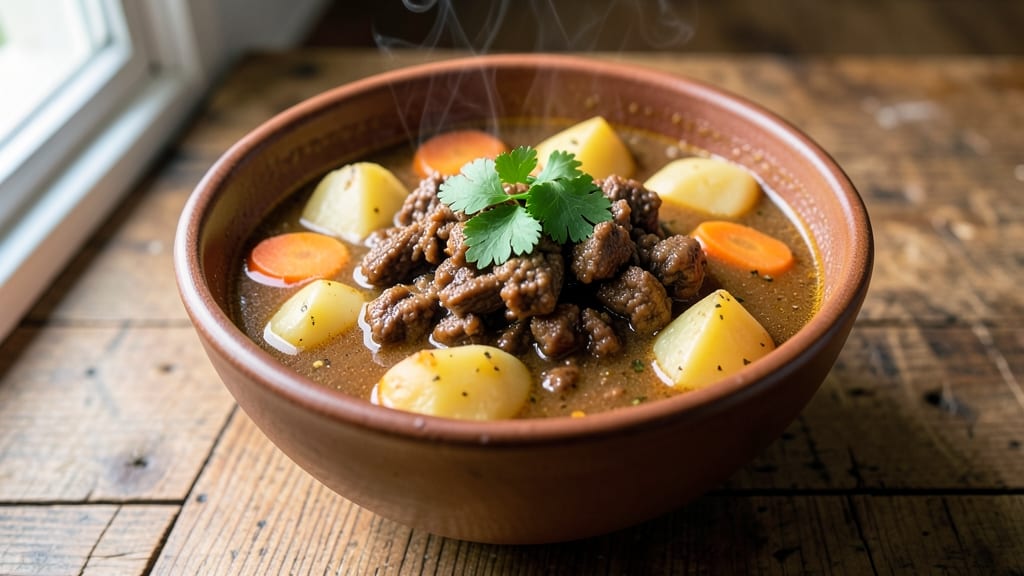
This best hamburger soup recipe delivers the ultimate comfort in a bowl—rich, savory ground beef, tender potatoes, and sweet carrots simmered in a deep, flavorful broth. The secret to restaurant-quality results lies in browning the meat thoroughly and deglazing the pan to unlock layers of umami.
I’ve perfected this recipe over years of testing, ensuring every spoonful is hearty yet balanced, with just the right tang to cut through the richness.
What sets this soup apart is the technique: sautéing onions and garlic until golden, then browning ground beef in batches to avoid steaming. Deglazing with beef broth captures all those flavorful browned bits, forming the foundation of a broth so rich it’ll have everyone asking for seconds.
The potatoes and carrots cook until fork-tender, absorbing the savory broth while maintaining their natural sweetness.
By the time you serve this soup, you’ll have a steaming bowl of hearty, meat-and-veggie-loaded comfort—perfect for chilly evenings or game day gatherings. The texture is ideal: creamy from the broth, tender from the vegetables, and packed with juicy beef that falls apart at the first bite.
Garnish with fresh parsley or a sprinkle of crackers for extra texture, and you’ve got a dish that tastes like home.
This recipe scales beautifully, whether you’re feeding a family of four or a crowd. The long simmering time allows flavors to meld, creating a depth that canned soups can’t match. Trust me—once you try this version, store-bought will never compare again.
Ingredients for best hamburger soup recipe with potatoes and carrots
Sixteen ingredients for a soup that tastes like home—rich, hearty, and packed with meaty goodness.
| Ingredient | Amount | Notes |
|---|---|---|
| Ground Beef 🥩 | 1 ½ lb | 80/20 fat ratio preferred |
| Yellow Onions 🧅 | 1 whole | Medium size, diced |
| Garlic Cloves 🧄 | 4 cloves | Minced for depth |
| Russet Potatoes 🥔 | 2 lb | Peeled, cubed evenly |
| Carrots 🥕 | 1 ½ lb | Peeled, sliced into rounds |
| Beef Broth 💧 | 4 cups | Low-sodium preferred |
| Tomato Paste 🍅 | ½ cup | Smooth, not chunky |
| Worcestershire Sauce 🍶 | 2 tbsp | For umami depth |
| All-Purpose Flour 🌾 | 2 tbsp | For thickening |
| Kosher Salt 🧂 | 1 ½ tsp | Adjust to taste |
| Black Pepper 🌶️ | 1 tsp | Freshly ground |
| Bay Leaves 🌿 | 2 whole | Removed before serving |
| Fresh Parsley 🌿 | ¼ cup | Chopped for garnish |
| Olive Oil 🫒 | 2 tbsp | For browning meat |
The ground beef is non-negotiable here—80/20 fat ratio gives you that juicy, flavorful bite. Costco or Walmart usually have the best prices for bulk packs. If you can't find 80/20, 85/15 works too. The potatoes and carrots should be uniform in size so they cook evenly—Russets for potatoes (they hold up best) and orange carrots for color. Don't skip peeling the carrots unless you're going for rustic presentation. The beef broth? Homemade is ideal, but Swanson's or Knorr low-sodium cubes work in a pinch. Grab a few extra bay leaves—you'll want them on hand for future soups.
No Worcestershire sauce? Soy sauce plus a dash of vinegar gets you close. Short on tomato paste? Crushed tomatoes at half the amount works, but the paste gives you that concentrated depth. The flour is just for thickening—if you're watching carbs, cornstarch slurry works too. Fresh parsley is ideal for garnish, but dried parsley at one-third the amount is fine if you're in a hurry. For extra richness, add a splash of red wine when deglazing the pan—it cuts through the meatiness beautifully. The key is browning the beef thoroughly—don't rush this step or you'll end up with bland soup.
This soup tastes even better the next day—make a double batch if you can. Store in the fridge for up to 5 days or freeze for up to 3 months. I like to portion it into individual containers so I can grab a bowl straight from the freezer. For reheating, add a splash of broth or water to loosen it up. Garnish with extra parsley, a sprinkle of crackers, or even a dollop of sour cream if you're feeling fancy. Leftovers? Perfect for lunches or turn them into soup sandwiches.
Why You'll Love This Recipe
- One-Pot Wonder: I swear by this recipe because it’s all in one pot—no chopping boards, no extra pans, just brown the beef with onions and garlic, toss in the diced potatoes and carrots, and let it simmer. That’s it. Even my college apartment kitchen (read: tiny stove) handled it without complaint.
- Caramelized Crunch: The secret? Slow-cooking the onions until they’re deep golden. That sweet, jammy flavor sticks to every bite, and when the potatoes get tender with a crispy edge? Honestly, it’s the kind of texture that makes you pause mid-slurp. The carrots add just enough bite to keep things interesting.
- Leftovers That Beg: This soup tastes better the next day—yes, really. The flavors meld into something richer, and it’s the ultimate freezer-friendly meal. I’ve reheated portions for lunch all week long, and no one ever questions why I’m eating soup again. (Spoiler: They always want seconds.)
- Budget Meal Hero: Ground beef stretches far here, especially when you bulk it up with potatoes and carrots. I’ve fed four people for under $10, and it’s still hearty enough to leave everyone full. Plus, the ingredients are basic—no fancy pantry items needed. Just good, honest comfort.
Step-by-step instructions for hearty hamburger soup
This is the method that delivers rich, meaty flavor and tender vegetables every time.
Brown the Ground Beef Perfectly
Heat the 2 tablespoons olive oil in a large Dutch oven over medium-high heat. Add the 1.5 pounds ground beef and break it apart with a wooden spoon, letting it brown in batches if needed. Cook for 8-10 minutes until the beef loses its raw color and becomes deep brown—this develops deep flavor. Drain all but 2 tablespoons of the fat, leaving enough to create a rich base for the soup.
Here's the thing—don't rush this step. You want the beef to develop that deep, caramelized crust. If it starts to stick before browning completely, just let it cook undisturbed for a minute before gently stirring. The goal is golden brown beef with minimal grease remaining.
Sauté Onions and Garlic for Depth
Add the diced yellow onions to the Dutch oven and cook for 5 minutes until they soften and become translucent. Stir in the minced garlic cloves and cook for another 30 seconds until fragrant—you'll know it's ready when the kitchen smells amazing. This step builds the aromatic foundation of your soup.
I always say this is where the magic happens. The onions should be tender but not browned, and the garlic should be just cooked through, not burnt. If you smell anything bitter, you've gone too far. Keep the heat at medium to prevent burning while ensuring everything cooks evenly.
Build the Flavor Base
Stir in the 2 tablespoons all-purpose flour and cook for 1 minute to remove any raw taste. Pour in the 4 cups beef broth and scrape up any browned bits from the bottom of the pot—this is called deglazing, and it captures all that delicious flavor you've built so far. Add the 0.5 cup tomato paste, 2 tablespoons Worcestershire sauce, 1.5 teaspoons kosher salt, and 1 teaspoon black pepper. Bring the mixture to a gentle boil.
This is the moment that matters: the broth should be simmering steadily, and you should see a thick, rich paste forming from the tomato paste and flour. If it looks too thick, add a splash of water to loosen it. The soup should be smooth and flavorful at this stage—this is your flavor foundation.
Add Vegetables and Simmer
Add the peeled and cubed russet potatoes and peeled and sliced carrots to the pot. Stir gently to combine, then add the 2 whole bay leaves. Reduce the heat to low and let the soup simmer for 20-25 minutes until the potatoes are tender and the carrots are easily pierced with a fork. The vegetables should absorb the rich broth while maintaining their shape.
Don't walk away during this step. You want to keep an eye on the soup to make sure it doesn't reduce too much. If it starts to look too thick, add a little more broth or water. The vegetables should be soft but not falling apart—this ensures a perfect texture in every spoonful.
Finish and Serve
Remove the bay leaves and stir in the 0.25 cup chopped fresh parsley. Taste and adjust the seasoning with more salt or pepper if needed. Ladle the soup into bowls and serve immediately, garnished with extra parsley if desired. Each spoonful should be packed with tender beef, hearty vegetables, and rich, savory broth.
Real talk: this soup tastes even better the next day as the flavors meld together. But trust me, it's hard to wait. The combination of the browned beef, caramelized onions, and tender vegetables makes this the ultimate comfort food. Enjoy it hot with crusty bread for the full experience!
Pro Tips For Making Best Hamburger Soup Recipe With Potatoes And Carrots
- CRUMBLE THE BEEF: I used to just brown the ground beef in one lump, and it ended up tough as shoe leather. Instead, break it into 1-inch chunks before cooking—this gives you better surface area for browning and keeps it tender when it hits the soup. (Yes, it’ll look messy, but that’s how you get flavor.)
- CUT POTATOES IN EVEN SLICES: Thin, even slices cook faster and stay intact instead of turning to mush. Aim for ¼-inch thickness—any thicker, and they’ll turn to glue. Russets hold up better than you’d think, but don’t skip this step.
- SWEAT ONIONS LOW AND SLOW: After mincing, cook onions in a dry pan on medium-low for 8–10 minutes until soft and translucent. Rushing this step means they’ll burn before the garlic gets a chance to sing, and you’ll taste the difference.
- ADD CARROTS LAST: Carrots take longer to soften than potatoes, so toss them in just 10 minutes before the soup finishes. If you add them early, they’ll turn into a sad, mushy afterthought—no one wants that.
Dietary considerations for this best hamburger soup recipe with potatoes and carrots
Gluten-Free Adaptation
This soup is naturally gluten-free if you use a certified gluten-free beef broth and thicken it with cornstarch slurry instead of flour. Replace the 2 tbsp all-purpose flour with 2 tbsp cornstarch mixed with 2 tbsp cold water—stir it into the soup after adding the broth.
Simmer for an extra 2 minutes to thicken properly. Always check broth labels, as some contain hidden gluten from flavor enhancers. 🌾
Low-Carb Options
For a lower-carb version, reduce the potatoes to 1 lb and swap half the carrots for zucchini or cauliflower florets. The zucchini adds creaminess without many carbs, while cauliflower keeps the soup light.
Keep the beef portion the same—it’s the star! Just watch the veggie quantities to balance flavors. I’ve made this with 1 cup cauliflower and still loved the result.
Dairy-Free Serving
This recipe is already dairy-free, but you can enhance it further by serving with dairy-free crackers or a side of avocado slices for creaminess. If you want to add richness, stir in ¼ cup coconut milk at the end for a velvety texture.
Just remember, coconut milk will make the soup slightly thicker—adjust broth as needed. Garnish with cilantro or green onions for a fresh finish.
Allergen-Friendly Swaps
For nut allergies, skip any garnishes with nuts (like some crackers) and opt for seed-based toppings like pumpkin seeds. If Worcestershire sauce is a concern, use 1 tbsp soy sauce plus 1 tsp apple cider vinegar as a substitute.
Always double-check ingredient labels—some beef broths contain soy or wheat additives. When in doubt, homemade broth is your safest bet. 💡
Vegetarian Version
Swap the ground beef for 1 lb crumbled tempeh or extra-firm tofu, pressed and pan-fried until crispy. Use 1 tbsp soy sauce in place of Worcestershire sauce for umami depth.
Add 1 tsp smoked paprika to mimic the meaty flavor. The texture will differ, but the hearty vibe stays intact. This version works surprisingly well with the same veggies and broth.
Protein Boost
For extra protein, stir in ½ cup cooked lentils or 1 cup shredded rotisserie chicken at the end. Both add heartiness without altering the soup’s texture. Lentils blend seamlessly, while chicken adds a familiar comfort.
If using chicken, season it with ½ tsp garlic powder and ½ tsp onion powder before adding to the soup. 💪
Nutrition facts
Frequently asked questions
Can I use ground turkey or chicken instead of beef?
Ground turkey or chicken works beautifully, but you'll need to adjust cooking times slightly. Turkey stays moister, so cook it for 5-7 minutes until fully browned. Chicken will cook faster—4-5 minutes is ideal. Use 1 lb of poultry instead of 1.5 lbs beef to maintain portion balance. The flavor profile will be lighter but still hearty, especially if you add 1 tsp smoked paprika to mimic the beef's depth.
Why does my soup taste bland compared to yours?
Two key steps often cause blandness: under-browning the beef or skipping the deglazing. The beef must be deep brown (not just pink) to develop flavor, and scraping up those browned bits from the pan (deglazing) unlocks umami. Also, taste as you go—adding a splash of red wine or extra Worcestershire sauce can boost depth. Start with 1 tbsp of each if needed.
How can I make this soup thicker or thinner?
For a thicker soup, simmer uncovered for 10-15 extra minutes to reduce the broth, or stir in 1 tbsp cornstarch mixed with 1 tbsp water at the end. To thin it, add ½ cup hot broth or water and stir. Never add cold liquid—it can shock the soup and make the vegetables rubbery. If using flour, make a roux first by cooking 1 tbsp flour in 1 tbsp oil for 1 minute before adding broth.
Can I prep this soup ahead of time?
This soup tastes even better the next day! Cook it completely, then cool and refrigerate for up to 5 days or freeze for 3 months. For reheating, warm over medium-low heat and add 2-3 tbsp broth or water to restore texture. Pro tip: Freeze in individual portions so you can grab just what you need. The flavors meld beautifully overnight, making it perfect for meal prep.
What's the best way to serve leftover soup?
Transform leftovers into new meals! Serve over mashed potatoes for a loaded bowl, or turn into soup sandwiches with crusty bread. For extra richness, top with shredded cheese and broil for 2 minutes. You can also blend half the soup for a creamy version, then mix it back in. Always reheat gently to preserve texture—medium-low heat is key to avoid breaking up the vegetables.