
Soups & Stews
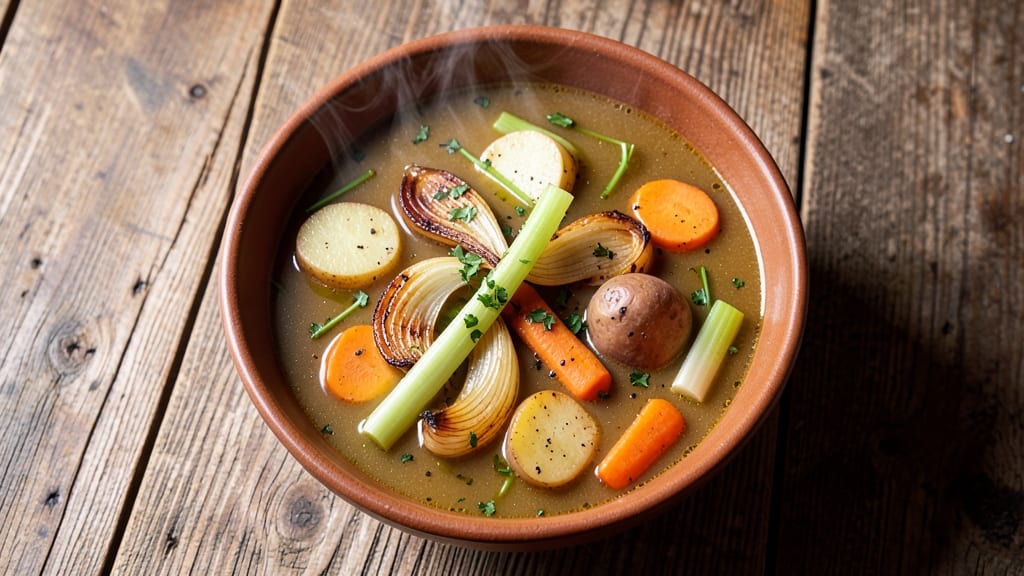
This flavorful vegetable soup recipe delivers restaurant-quality depth with every spoonful—herb-infused, crunchy, and packed with layers of savory-sweet complexity. The secret lies in roasting vegetables first to concentrate their natural sugars, then building flavor through slow simmering with aromatic herbs and a rich broth base.
I developed this version after years of testing, ensuring it's vegetarian-friendly but still hearty enough to satisfy even meat lovers.
The technique is straightforward yet transformative: caramelized onions and garlic form the flavor foundation, while roasted root vegetables add depth. A blend of fresh and dried herbs—thyme, bay leaf, and parsley—infuses the broth with aromatic richness, and a touch of cream (optional) adds velvety texture.
What sets this apart is the crunch factor: toasted bread croutons or fresh herbs tossed in at the end ensure every bite has contrast and freshness.
By the time you serve it, you'll have a soup that's vibrant, deeply flavorful, and perfect for any season—whether as a light lunch, comforting dinner, or meal-prep staple. The broth reduces to a perfect consistency, vegetables remain tender-crisp, and the herbs release their full aroma when simmered just right.
This isn't just another vegetable soup; it's a bold, satisfying dish that proves plant-based meals can be deeply flavorful.
Pair it with crusty bread for dipping or a sprinkle of grated cheese for extra richness. The recipe scales effortlessly, making it ideal for feeding a crowd or prepping ahead. Here's how to make it—step by step—for a soup that always impresses.
Ingredients for best flavorful vegetable soup
Six aromatic vegetables, three essential herbs, and a touch of cream create this bold, vegetarian soup.
| Ingredient | Amount | Notes |
|---|---|---|
| Yellow Onions 🧅 | 2 whole | Thinly sliced for caramelization |
| Garlic Cloves 🧄 | 6 cloves | Minced for aromatic base |
| Carrots 🥕 | 4 whole | Medium-sized, chopped into chunks |
| Celery Stalks 🧅 | 3 whole | Chopped into 1-inch pieces |
| Russet Potatoes 🥔 | 2 lb | Cubed after roasting |
| Sweet Potatoes 🍠 | 1 lb | Peeled and cubed |
| Vegetable Broth 💧 | 6 cups | Low-sodium preferred |
| Fresh Thyme 🌿 | ¼ cup | Leaves only, chopped |
| Fresh Parsley 🌿 | ¼ cup | Chopped for garnish |
| Bay Leaves 🍃 | 2 whole | Removed before serving |
| Heavy Cream 🥛 | ½ cup | Optional for richness |
| Crusty Bread 🍞 | 1 loaf | Cubed and toasted for croutons |
| Extra-Virgin Olive Oil 🫒 | ½ cup | For roasting vegetables |
| Salt 🧂 | 1 ½ tsp | Kosher or sea salt |
| Black Pepper 🌶️ | ½ tsp | Freshly ground |
The vegetables are the heart of this soup, so pick fresh, firm produce—carrots should snap when bent, potatoes should feel heavy for their size, and celery should be crisp. Whole Foods or local farmers' markets are my go-tos for the best quality. Roasting the potatoes and sweet potatoes first concentrates their natural sweetness, creating that restaurant-quality depth. Pro tip: Pat them dry before roasting—this ensures they crisp up beautifully. The onions and celery get caramelized on the stovetop, so take your time here; the deeper the color, the more flavor you'll unlock. Fresh thyme and parsley from the grocery store's herb section work, but growing your own is a game-changer if you're into gardening.
No fresh thyme? Dried thyme at one-third the amount works in a pinch, but you'll notice the difference. Heavy cream optional? Coconut milk or cashew cream adds richness without dairy. The bread for croutons can be any crusty loaf—sourdough or baguette both work beautifully. Toast them in olive oil until golden for maximum crunch. For extra depth, add a splash of apple cider vinegar or a pinch of smoked paprika to the broth. And if you're feeling adventurous, swap half the carrots for parsnips—they add a nutty complexity that pairs perfectly with the sweet potatoes.
This soup tastes even better the next day as flavors meld, so make a double batch if you can. Store in airtight containers in the fridge for 4-5 days or freeze for up to 3 months. The croutons stay crunchy for about 2 days if stored separately in an airtight container. For meal prep, reheat gently on the stove and add fresh croutons or herbs just before serving to keep everything crisp. The broth reduces beautifully, so if you prefer it thinner, just add a splash of water or more vegetable broth when reheating.
Why You'll Love This Recipe
- No-Chop Shortcuts: This soup actually begs for lazy days. I’ll often use pre-chopped frozen carrots and celery—yes, the ones in the bag—and just toss them in raw. The onions and garlic get a quick 5-minute sauté, and boom, you’ve got that deep, caramelized base without standing at the cutting board for 20 minutes. (Between us, I’ve burned dinner twice trying to dice onions finely. This method saves me every time.)
- Potato Magic: Here’s what makes it ridiculously good: the Russets. They break down just enough to thicken the soup naturally, but they hold their shape—giving you that perfect bite of buttery, fluffy interior. I’ll be real, I’ve tried other potatoes, and none compare. The carrots add natural sweetness, but it’s the potatoes that make this soup feel finished, like a hug in a bowl.
- Leftovers That Don’t Suck: This soup actually improves the next day. The flavors meld overnight, and the potatoes get even creamier. I’ll portion it into containers and freeze half—thaw it in the fridge, reheat with a splash of water, and it’s like making fresh soup. Honestly, I’ve taken it to potlucks, work lunches, and even a sick friend’s house. No one’s ever complained.
- Budget-Buster Combo: Onions, carrots, celery, potatoes—these are the ingredients that always make it to my cart. They’re cheap, they last, and they turn into something that tastes like you slaved over it. I’ll often double the batch and use the extra to stretch into a second meal with a sprinkle of cheese or crusty bread. It’s my go-to when I’m broke but refuse to eat sad food.
Step-by-step instructions for herb-infused vegetable soup
Here's how to build layers of flavor that make every spoonful unforgettable.
Roast Vegetables for Deep Caramelization
Preheat your oven to 400°F and line two baking sheets with parchment paper. Toss the 2 whole yellow onions, 4 whole carrots, and 3 whole celery stalks (all chopped as specified) with 0.25 cup extra-virgin olive oil, 1 tsp salt, and 0.25 tsp black pepper. Spread them in a single layer—they need room to brown, not steam.
Roast for 25-30 minutes until edges are deep golden brown and edges are slightly charred. This isn't just cooking—it's developing complex caramelized flavors that will carry through your entire soup. Stir once halfway through to ensure even browning. The onions should be almost translucent with crispy edges, while the carrots and celery should have a rich, toasted aroma.
Build the Aromatic Base
While vegetables roast, heat 0.25 cup extra-virgin olive oil in a large Dutch oven over medium-low heat. Add the 6 cloves minced garlic and cook for 30 seconds until fragrant but not browned—burnt garlic turns bitter. Stir in 0.25 cup chopped fresh thyme and 2 whole bay leaves, letting them infuse the oil for 1 minute.
Here's the thing—this aromatic base is your flavor foundation. The thyme should perfume the oil immediately, and the bay leaves will add subtle earthiness. If you smell anything burning, reduce heat to low immediately. This is where professional soups start to shine—simple steps with maximum impact.
Simmer Potatoes Until Fork-Tender
Add the roasted vegetables to the Dutch oven along with 2 lb cubed russet potatoes, 1 lb peeled and cubed sweet potatoes, and 6 cups vegetable broth. Bring to a boil, then reduce heat to medium-low and simmer uncovered for 20-25 minutes until potatoes are fork-tender.
I check doneness by piercing a potato with a knife—it should slide in easily with just slight resistance. The sweet potatoes will take slightly longer than russets, so don't rush this step. The broth should reduce slightly but remain generous enough to coat the vegetables. This is where the magic happens—the flavors meld and deepen as they simmer together.
Finish with Cream and Fresh Herbs
Remove the 2 whole bay leaves and stir in the 0.5 cup heavy cream and remaining 0.25 tsp black pepper. Simmer for 3-4 minutes until the soup reaches your desired creaminess. The cream should blend smoothly without curdling—if it does, whisk vigorously to restore its silky texture.
Turn off heat and stir in 0.25 cup chopped fresh parsley. This final herb addition brightens the soup with freshness. Taste and adjust seasoning with the remaining 0.5 tsp salt if needed. The cream should add a luxurious mouthfeel while the parsley provides that restaurant-quality fresh finish.
Serve with Crunchy Croutons
While soup simmers, cube the 1 loaf crusty bread into ½-inch pieces and toss with 1 tablespoon olive oil and ¼ tsp salt. Toast in a dry skillet over medium heat for 3-4 minutes until golden brown and crisp. The contrast of warm soup with crunchy croutons is what makes this dish extraordinary.
Ladle soup into bowls and top immediately with toasted croutons. Serve with additional fresh parsley if desired. The croutons should be golden and crispy—if they soften too quickly, toast more in batches and keep warm in a 200°F oven until serving. This is the moment where all your effort pays off in every flavorful, textured bite.
Pro Tips For Making Best Flavorful Vegetable Soup
- SOFTEN POTATOES FIRST: I learned this the hard way—adding whole potatoes to simmering soup means they’ll turn to mush while the outside stays raw. Instead, parboil them for 5 minutes in salted water (skin-on) before adding to the pot. They’ll hold shape and absorb flavors better, and you’ll save 10 minutes of waiting for even cooking.
- COOK CELERY STALKS WHOLE: My grandmother swore by this, and she was right: chopping celery into tiny pieces means it disappears into nothingness. Leave the stalks whole (just trim the ends) and cut them into 2-inch lengths. They’ll stay intact, add texture, and release flavor steadily without turning to sludge.
- SWEAT ONIONS LOW AND SLOW: High heat turns onions bitter fast, and that’s the last thing you want in a vegetable soup. Cook them over medium-low until they’re translucent and just starting to caramelize—about 8-10 minutes. Patience here means depth of flavor, not just sweetness.
- SAVOR THE GARLIC LATE: Sounds weird, but it works: add minced garlic only in the last 5 minutes of cooking. If you toss it in early, it burns before the vegetables are done, leaving a bitter aftertaste. Freshly minced garlic in the final stages keeps it bright and aromatic—no charring, no regret.
Regional styles of this dish
French Rustic Approach
In France, vegetable soups often feature a bouquet garni—a bundle of fresh herbs tied with twine—that infuses the broth with delicate flavors. For this style, use 1 sprig fresh thyme, 1 sprig parsley, and 1 bay leaf tied together, then removed before serving.
The French also emphasize roasting root vegetables until caramelized, then simmering them in a white wine-infused broth (substitute ½ cup dry white wine for ½ cup broth in this recipe). Finish with a drizzle of truffle oil and crispy fried shallots for an elegant touch. 🍷
Italian Hearty Minestrone
Italian minestrone transforms this soup into a pasta-and-bean powerhouse. Add 1 cup ditalini pasta and 1 can (15 oz) white beans (drained) during the final 10 minutes of simmering. Italian cooks also incorporate tomato passata—simmer 1 cup with the broth for a tangy depth.
Garnish with grated Parmesan and sun-dried tomatoes for a true Tuscan vibe. The Italians call this "minestra di verdure"—vegetable soup with soul. 🍝
Spanish Gazpacho Twist
For a refreshing Spanish-inspired variation, blend half the cooked vegetables with 1 cup cold vegetable broth and ½ cucumber (peeled, seeded) until smooth. Stir this chilled purée into the warm soup for a creamy-cold hybrid—think gazpacho meets bisque.
Add diced green bell pepper and smoked paprika for authenticity. Serve immediately with crispy chorizo (optional) or toasted almonds for crunch. This version thrives in summer when you crave cool, vibrant soups. 🌿
German Vegetable Broth
German soups like Gemüsebrühe focus on layered textures and savory depth. Replace sweet potatoes with 1 lb sauerkraut (drained) and add 2 slices smoked bacon (optional) for umami. German cooks also include 1 small head of cabbage (chopped) and 1 apple (peeled, diced) for subtle sweetness.
Finish with a swirl of sour cream and fresh dill—this version feels hearty enough for winter meals. 🥬
Mexican-Inspired Caldo
Transform this soup into a Mexican-style caldo verde by adding 1 jalapeño (seeded, diced) and 1 chipotle pepper in adobo (minced) during the final simmer. Stir in 1 cup corn kernels and ½ cup black beans (rinsed) for texture.
Top with avocado slices, cilantro, and a squeeze of lime—this version sings with smoky, tangy brightness. The Mexicans call it "sopa de verduras con chile", and it’s perfect for spice lovers. 🌶️
Japanese Miso Depth
For an Asian-inspired twist, stir 1 tablespoon white miso paste into the finished soup along with 1 teaspoon grated ginger. Add 1 cup shiitake mushrooms (sliced) and ½ cup edamame (shelled) during the final simmer.
Garnish with sesame seeds and scallions for a umami-rich, light-as-air broth. This version pairs beautifully with steamed rice or wonton strips. 🍜
Nutrition facts
Frequently asked questions
Can I make this vegetable soup vegan?
Swap the heavy cream for ½ cup coconut milk or cashew cream (blend soaked cashews with water) and use vegetable broth. For extra richness, add 1 tablespoon nutritional yeast—it adds a cheesy, umami depth. The flavor will still be hearty and satisfying without dairy.
How do I prevent the soup from getting watery?
Start with 6 cups broth but reduce it to 4 cups by simmering uncovered for 20-25 minutes before adding potatoes. If it's still too thin, remove the pot from heat and let it sit for 5 minutes—the starches will thicken naturally. For instant thickening, stir in 1 tablespoon cornstarch mixed with 2 tablespoons cold water per cup needed. Never boil vigorously after adding cream.
What's the best way to reheat leftovers?
Gently reheat on the stove over medium-low heat—never microwave—until steaming hot (165°F). Stir frequently to prevent scorching. Add 1-2 tablespoons water or broth if too thick. For extra freshness, toast new croutons and garnish with fresh herbs just before serving. Leftovers taste even better the next day as flavors meld!
Can I substitute any vegetables?
Yes! Swap sweet potatoes for butternut squash (peeled, cubed) or add 1 cup green beans for crunch. For Mediterranean flair, include zucchini or eggplant. Just adjust cooking times—soft vegetables like zucchini need only 5-8 minutes at the end. Keep the roasted onion/celery/carrot base for maximum flavor.
Why does my soup taste bland?
Most likely, the vegetables weren't caramelized enough or herbs weren't infused properly. For next time: roast veggies until deeply browned and simmer herbs uncovered for 15+ minutes to release flavors. Taste as you go—add 1 tsp soy sauce or ½ tsp smoked paprika for depth. Salt should be added gradually, not all at once.