
Soups & Stews
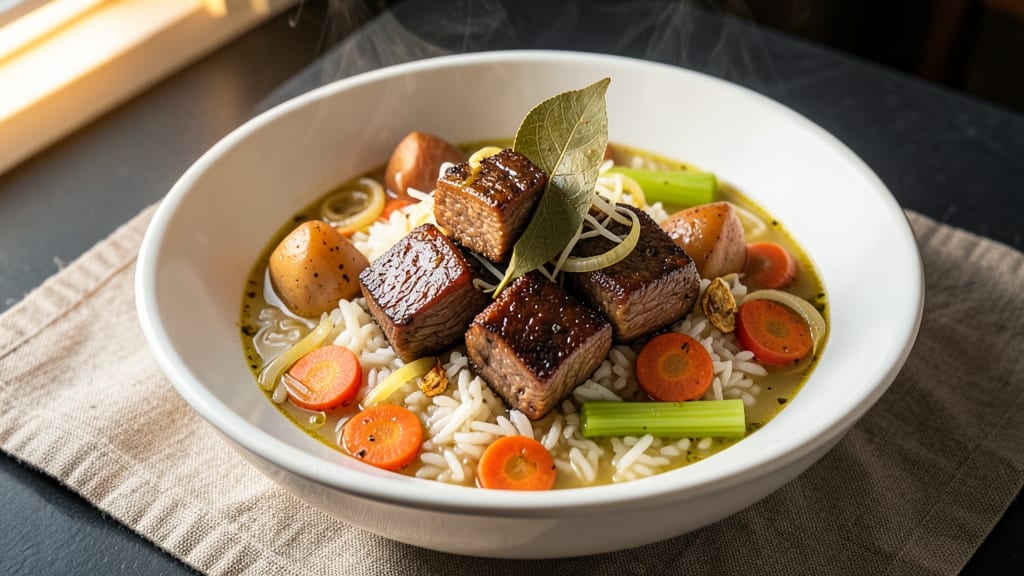
This beef vegetable rice soup recipe delivers hearty comfort in every steaming bowl, blending tender beef, al dente rice, and a medley of seasonal vegetables in a deeply savory broth. The secret lies in slow-braising the beef for rich flavor while letting vegetables steam to perfection—no shortcuts, just restaurant-quality depth.
What starts as simple ingredients transforms into a meal that warms the soul and satisfies even the hungriest appetites.
Perfectly seared beef chunks release their natural juices into the broth, creating a base so flavorful it needs nothing else. Carrots caramelize slightly, potatoes achieve creamy tenderness, and rice absorbs the broth's essence, resulting in a harmonious blend of textures and tastes.
This isn't just soup—it's a complete, balanced meal that works for weeknight dinners or cozy gatherings. The method is straightforward but yields results that taste like a home-cooked masterpiece.
Ingredients for beef vegetable rice soup
Fifteen simple ingredients transform into a deeply satisfying beef vegetable rice soup with rich, slow-braised beef and tender vegetables.
| Ingredient | Amount | Notes |
|---|---|---|
| Beef Chuck Roast 🥩 | 1 ½ lb | Cut into 1-inch cubes for even cooking |
| Long-Grain White Rice 🍚 | 1 ½ cups | Uncooked, rinsed before use |
| Yellow Onion 🧅 | 1 whole | Medium size, chopped |
| Carrots 🥕 | 4 medium | Peeled, cut into 1-inch chunks |
| Russet Potatoes 🥔 | 2 medium | Peeled, cut into 1-inch cubes |
| Celery Stalks 🧅 | 3 whole | Trimmed, chopped |
| Garlic Cloves 🧄 | 4 cloves | Peeled, minced |
| Beef Broth 💧 | 6 cups | Low-sodium preferred |
| Tomato Paste 🍅 | 2 tbsp | Smooth consistency |
| Dried Thyme 🌿 | 1 tsp | Or 1 tbsp fresh |
| Bay Leaves 🍃 | 2 whole | Remove before serving |
| Olive Oil 🫒 | 2 tbsp | Extra-virgin preferred |
| Salt 🧂 | 1 ½ tsp | Kosher or sea salt |
| Black Pepper 🌶️ | ½ tsp | Freshly ground |
| Fresh Parsley 🌿 | ¼ cup | Chopped for garnish |
The beef is the foundation of this soup, so choose a cut with good marbling—chuck roast is ideal for its rich flavor and tenderness when slow-cooked. Most grocery stores carry pre-cut chuck roast, but if you're buying a whole roast, ask your butcher to cube it for you. For the vegetables, seasonal produce makes all the difference—carrots with vibrant orange color and firm potatoes work best. The celery adds subtle sweetness, but don't skip it; it rounds out the flavor profile. If you're short on time, frozen chopped vegetables work in a pinch, though fresh is always preferred for that restaurant-quality texture.
No beef broth on hand? Chicken broth with an extra tablespoon of soy sauce provides a similar depth of flavor. Fresh thyme is ideal, but dried thyme at one-third the amount works perfectly. The tomato paste adds richness without overpowering—if you don't have it, a splash of red wine or extra beef broth will do. For the rice, long-grain white rice is standard, but jasmine or basmati rice adds a subtle floral note that pairs beautifully with the beef. The parsley is purely for garnish, but if you're out, fresh cilantro or basil will work just as well—just adjust the amount to taste.
This soup tastes even better the next day as the flavors meld together. Store leftovers in an airtight container in the refrigerator for up to 5 days or freeze for 3 months. For reheating, bring to a gentle simmer on the stove—never microwave, as it can turn the rice mushy. If you're prepping ahead, cook the rice separately and add it to the soup just before serving to maintain its perfect texture. The broth can be made a day in advance, allowing the beef to marinate in its own juices for even deeper flavor.
Why You'll Love This Recipe
- One-Pot Magic: I swear by this—just dump everything in one pot, add water, and let it simmer. No chopping like a fine chef, no fancy techniques. The chuck roast practically melts into tender shreds while the rice absorbs all that savory broth, and the carrots and potatoes soften just enough to disappear into every bite.
- Deep Umami Bomb: That slow-cooked beef? It’s the star. The chuck roast breaks down into rich, meaty strands that cling to the rice, while the onions caramelize into sweet, golden pockets. Honestly, the first time I tasted it, I thought, "Why haven’t I been doing this all along?" The potatoes add a creamy contrast that makes it impossible to stop eating.
- Meal Prep MVP: Between us, this is my lunchbox lifesaver. Make a big batch on Sunday, and you’ve got four days of hearty, no-fuss lunches. The flavors only get better as it sits—yes, even the rice stays fluffy if you handle it right. Pack it cold or reheat it, and it’s still the same soul-warming bowl.
- Budget-Friendly Beast: You’re getting a full pound of beef for a fraction of the cost of steak, and the veggies stretch the meal into a feast. I’ll be real: my grocery bill thanks me every time I make this. Plus, the leftovers? They’re even better the next day—like a free upgrade on flavor and value.
Step-by-step instructions for beef vegetable rice soup
Here's the method to create a hearty, flavorful beef vegetable rice soup where every ingredient plays its part.
Prepare the Beef and Vegetables
Begin by cutting the 1.5 lb beef chuck roast into 1-inch cubes for even cooking. This size ensures the beef will tenderize completely while maintaining structure. Place the beef in a large Dutch oven or heavy pot.
Next, peel and cut the 2 medium russet potatoes and 4 medium carrots into 1-inch cubes. Trim the 3 whole celery stalks and chop them along with the 1 whole yellow onion into ½-inch pieces. Peel and mince the 4 cloves garlic. This uniform cutting ensures all vegetables cook at the same rate and contribute equally to the soup's texture and flavor profile.
Sear the Beef and Sauté Aromatics
Heat the 2 tbsp olive oil in the Dutch oven over medium-high heat until shimmering. Working in batches if needed, sear the beef cubes until they develop a deep golden brown crust on all sides—this builds essential flavor. Remove the beef and set aside temporarily.
In the same pot, add the chopped onion, carrots, celery, and garlic. Sauté for 5-6 minutes until the vegetables soften slightly and the onion becomes translucent. This step, called "sweating," releases their natural sweetness and forms the aromatic base of your soup. Season lightly with ½ tsp salt and ¼ tsp black pepper at this stage to enhance flavor development.
Build the Flavor Foundation
Return the seared beef to the pot and stir in the 2 tbsp tomato paste, coating the beef and vegetables evenly. This creates a rich, umami base that will deepen as the soup simmers. Add the 6 cups beef broth, 1 tsp dried thyme, and 2 whole bay leaves, then bring everything to a gentle boil. Once boiling, reduce heat to low and let the soup simmer uncovered for 30 minutes to allow the flavors to meld.
After 30 minutes, add the 1.5 cups long-grain white rice and the remaining 1 tsp salt and ¼ tsp black pepper. Stir gently to distribute the rice evenly throughout the soup. The rice will absorb the broth and vegetables as it cooks, creating a naturally thickened, hearty texture without the need for additional thickeners.
Finish and Serve
Continue simmering the soup for an additional 25-30 minutes, or until the beef is fork-tender and the rice is fully cooked. The soup should have a rich, velvety consistency with the vegetables tender but still holding their shape. Taste and adjust seasoning if needed—this is where you can fine-tune the balance of salt, pepper, and acidity.
Remove the 2 whole bay leaves before serving. Ladle the soup into bowls and garnish each serving with 0.25 cup chopped fresh parsley. The parsley adds a bright, fresh contrast to the deep, savory flavors of the beef and vegetables. Serve immediately while hot, as the flavors continue to develop and the rice absorbs any remaining liquid.
Pro Tips For Making Beef Vegetable Rice Soup
- PARBOIL THE POTATOES: First, drop those Russet potatoes into boiling water for 5 minutes before adding them to the soup. I learned this the hard way—skipping this step leaves you with unevenly cooked, mushy chunks instead of tender, bite-sized pieces that hold their shape.
- SEAR THE BEEF IN BATCHES: Don’t crowd the pan when browning the chuck roast. Work in 2-3 batches over medium-high heat for 3-4 minutes per side until deeply browned—this builds flavor that watery simmering can’t fix. (Yes, it takes longer, but your soup will taste like you spent hours.)
- SALT THE WATER LIKE THE OCEAN: Add 2 tablespoons of salt to the soup pot before bringing it to a boil. The rice and veggies will absorb the flavor better this way, and you won’t end up with bland, waterlogged results. Trust me, your taste buds will notice the difference.
- USE A LITTLE RICE WASH: Rinse the long-grain rice twice in cold water, then swirl it in a bowl to remove excess starch. This keeps the soup from turning gluey—no one wants a thick, pasty mess when they’re craving a light, comforting bowl. (And skip the vinegar; it’s unnecessary.)
Wine and beer pairings for this recipe
Red Wine Classics
For this hearty beef soup, I reach for a medium-bodied red wine like Pinot Noir or Chianti. The acidity in these wines cuts through the richness of the beef while their fruit notes—think cherry and plum—complement the caramelized flavors in the broth.
A 2018 Chianti Classico from Italy is my go-to; it’s bold enough to stand up to the beef but still lets the soup’s savory depth shine through. Serve slightly chilled to enhance the wine’s freshness against the warm soup. 🍷
Crisp White Options
If you prefer white wine, a dry Riesling or Sauvignon Blanc works beautifully. The crisp acidity and citrus notes in these wines balance the soup’s heartiness without overpowering it.
I love a German Riesling with its bright apple and mineral undertones—it’s refreshing yet complex enough to pair with the beef’s umami. For a New World twist, try a Sauvignon Blanc from New Zealand with its zesty lime finish. Chill these wines to 45-50°F for the best contrast.
Malty Amber Ales
Beer lovers, don’t worry—this soup pairs wonderfully with amber ales or brown ales. The maltiness in these beers echoes the caramelized notes from the carrots and onions, while their subtle hop bitterness cleanses the palate.
I recommend a Belgian-style amber ale like Duvel or a US craft brown ale such as Allagash Brown. The caramel and toffee flavors in these beers mirror the natural sweetness of the soup’s vegetables. Serve at 50-55°F to let the beer’s depth complement the dish. 🍺
Light Bodied Lagers
For a lighter option, a crisp lager like Peroni or Heineken provides a clean, refreshing contrast to the soup’s richness. The subtle malt sweetness in these beers won’t compete with the beef but instead enhances the overall experience.
If you’re feeling adventurous, try a German Helles Lager—its delicate balance of malt and hops makes it a perfect match for the soup’s harmonious flavors. Keep these beers well-chilled at 40-45°F to highlight their crispness.
Non-Alcoholic Pairings
Skip the alcohol? No problem! A sparkling apple cider or ginger beer adds a refreshing contrast to the soup’s heartiness. The effervescence in these drinks cleanses the palate between bites, while their natural sweetness balances the savory flavors.
For a non-carbonated option, try hibiscus iced tea—its tartness and floral notes pair surprisingly well with the beef and vegetables. Serve chilled for the best experience. 💛
Nutrition facts
Frequently asked questions
Can I use ground beef instead of cubed beef chuck roast?
Ground beef works but will give a completely different texture—more like a chili than a hearty soup. For the best results, stick with 1-inch beef cubes that tenderize beautifully. If you must use ground beef, brown it first to develop flavor, then add it back to the soup after the vegetables are tender.
How do I adjust this recipe for fewer/more servings?
This recipe serves 6 people. For 4 servings, reduce all ingredients by 2/3 (about 1 lb beef, 1 cup rice, 4 cups broth). For 8 servings, multiply by 1.33 (about 2 lb beef, 2 cups rice, 8 cups broth). Always maintain the same ratio of beef to broth to vegetables.
Can I make this soup in an Instant Pot or slow cooker?
For an Instant Pot, sear the beef first, then add all ingredients and cook on high pressure for 20 minutes followed by a 10-minute natural release. For a slow cooker, combine everything (except rice) and cook on low for 6-7 hours or high for 3-4 hours, then stir in rice and cook 15-20 minutes more. The rice will absorb liquid differently—adjust broth as needed.
Why did my rice turn mushy in the soup?
Overcooking or adding rice too early causes mushiness. Always add rice after the beef and vegetables have simmered for 30 minutes, then cook just 25-30 minutes more. For extra insurance, cook rice separately and fold it in at the end. Also, never microwave—always reheat gently on the stove.
What vegetables can I substitute if I don't have carrots/potatoes?
Swap potatoes for sweet potatoes (add 10 extra minutes) or turnips. Replace carrots with butternut squash (peeled, cubed) or zucchini (adds freshness). For a heartier option, add green beans or corn kernels—just reduce cooking time by 5 minutes since they cook faster.