
Soups & Stews
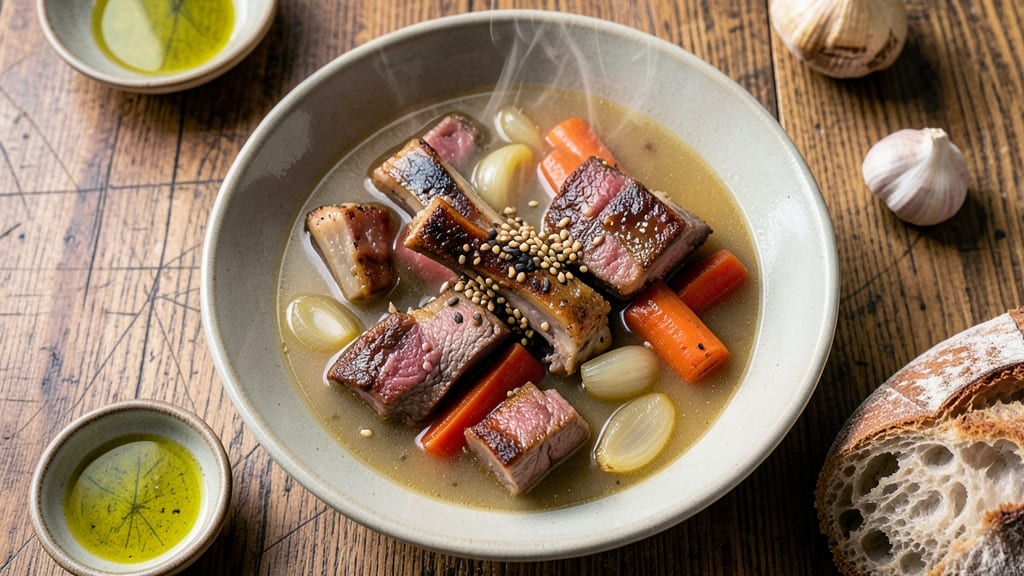
This beef tallow soup recipe transforms humble ingredients into a deeply flavorful broth that carries the essence of slow-cooked beef and rendered fat.
The secret lies in rendering beef tallow properly—its golden richness infuses the broth with unmatched depth, creating a velvety texture and complex umami that store-bought stocks simply can't replicate. What starts as tough cuts of beef and bones becomes a nourishing, restaurant-worthy soup after hours of gentle simmering.
The process begins with rendering the tallow, which adds both flavor and a luxurious mouthfeel to the broth. Unlike traditional bone broth, this version incorporates the rendered fat, creating a soup that's not just nourishing but undeniably rich.
The technique balances simplicity with precision—no special equipment required, just time and patience to develop layers of flavor that build with each passing hour. This is comfort food elevated, where every spoonful delivers both sustenance and satisfaction.
By the time you're done, you'll have a soup that's deeply aromatic, with a surface sheen of rendered fat that adds both visual appeal and a luxurious mouthfeel.
The beef becomes fork-tender, falling apart easily while retaining its meaty essence, and the broth reduces to a concentrated, flavor-packed liquid that clings to every bite. Serve it as a standalone meal or pair it with crusty bread to soak up every last drop of that golden, umami-rich broth.
Perfect for cold weather or as a healing meal, this soup keeps well for days, allowing flavors to deepen over time. The method is adaptable—add vegetables for brightness or keep it simple with just beef and bones for maximum umami impact.
Whether you're a home cook looking to master traditional techniques or someone seeking a deeply flavorful soup, this recipe delivers professional-quality results with minimal fuss.
Ingredients for beef tallow soup
Transform tough cuts and rendered fat into a velvety, umami-rich broth with these essential ingredients.
| Ingredient | Amount | Notes |
|---|---|---|
| Beef Bones (Tough Cuts) 🦴 | 4 lb | Knuckles, marrow, or neck bones preferred |
| Beef Chuck Roast 🥩 | 3 lb | Cut into 2-inch chunks for even cooking |
| Beef Tallow (or Suet) 🧈 | 1 cup | Rendered from beef fat or store-bought |
| Yellow Onions 🧅 | 2 whole | Chopped, for aromatic base |
| Garlic Cloves 🧄 | 8 cloves | Crushed for deep flavor infusion |
| Carrots 🥕 | 4 whole | Cut into 2-inch chunks, peeled |
| Celery Stalks 🌿 | 4 whole | Cut into 2-inch pieces, tough strings removed |
| Fresh Thyme 🌿 | ¼ cup | Stems removed, leaves intact |
| Fresh Parsley 🌿 | 0.1 cup | Chopped, for garnish and freshness |
| Apple Cider Vinegar 🍎 | 2 tbsp | For acidity to break down collagen |
| Kosher Salt 🧂 | 2 tbsp | Diamond Crystal preferred for precision |
| Black Peppercorns 🌶️ | 1 tbsp | Crushed for depth of flavor |
| Bay Leaves 🍃 | 4 whole | For subtle aromatic complexity |
| Water 💧 | 16 cups | Filtered preferred for purity |
The bones and beef chuck are the foundation—look for knuckles and marrow bones at specialty butchers for maximum gelatin and flavor. Costco or local meat counters often carry these cuts at competitive prices. If using pre-rendered tallow, opt for grass-fed if available, as it yields a cleaner, more stable fat. The chuck should be well-marbled; trim excess fat before cooking to avoid cloudiness in the broth. For an authentic touch, render your own tallow from beef fat, cooling it to solidify before adding to the broth.
No beef tallow? Duck fat or lard works in a pinch, though the flavor profile shifts slightly. Substitute vinegar with lemon juice for brightness, though apple cider adds subtle sweetness. Fresh herbs can be swapped for dried—use one-third the amount of dried thyme or parsley. The vegetables are flexible: mushrooms or fennel add depth, while turnips or parsnips contribute earthiness. For a quicker version, pressure cooking reduces time by half, though open-simmering develops more complex flavors over 12-24 hours.
Store the broth in glass jars in the refrigerator for up to 5 days, skimming off solidified fat before reheating. For long-term storage, freeze in ice cube trays—each cube makes an ideal base for sauces or grains. The rendered fat layer can be reused for sautéing or stored separately for up to 6 months in the freezer. Reheat gently on low heat, stirring occasionally to prevent scorching. The soup's richness improves with age—day-old broth is far more concentrated and flavorful than fresh.
Why You'll Love This Recipe
- Tough Cuts, Rich Rewards: I turn those "too-chewy" beef bones into melt-in-your-mouth goodness—no fancy prep, just a slow simmer. The tallow renders into golden, flavor-packed fat that makes even the simplest onion and garlic taste like a restaurant secret.
- Umami Bomb: That beef tallow isn’t just fat—it’s liquid gold. The slow cook transforms tough cuts into deep, savory layers, while the onions caramelize into sweet, jammy pockets. Honestly, the first spoonful makes me close my eyes.
- Leftovers That Beg: This soup only gets better the next day. The flavors meld into something richer, and the texture? Perfect for reheating—whether as a quick lunch or a hearty dinner. My freezer’s always stocked with portions because it’s that good.
- Budget-Buster Meal: Chuck roast and bones stretch for days, and tallow replaces expensive oil. I buy in bulk, freeze what I don’t use, and end up with a soup that costs pennies per serving. No guilt, all satisfaction—even on a tight budget.
Step-by-step instructions for beef tallow soup
A rich bone broth with deep umami flavor requires patience and precision.
Prepare and Sear the Bones and Meat
Begin by preheating your oven to 450°F. Arrange the 4 lb beef bones (tough cuts) and 3 lb beef chuck roast (cut into 2-inch chunks) on a rimmed baking sheet. This preparation ensures even cooking and maximum flavor extraction.
Place the baking sheet in the oven and roast for 30 minutes, turning occasionally, until the bones and meat develop a deep mahogany crust. This step is critical—it creates the Maillard reaction, which unlocks complex flavors. The crust should be dark and slightly charred in spots, indicating proper browning.
While the bones and meat roast, chop the 2 whole yellow onions into even ½-inch pieces and crush the 8 cloves garlic with the flat side of a knife. Peel and cut the 4 whole carrots and 4 whole celery stalks into 2-inch chunks. These vegetables will form the aromatic base of your soup, so precise chopping ensures even cooking and balanced flavor.
Build the Aromatic Base
Heat a large Dutch oven over medium-high heat. Add the 1 cup beef tallow (or suet) and let it melt completely, about 2 minutes. The tallow should sizzle gently and turn translucent, signaling it's ready for the next step.
Add the roasted bones and meat to the Dutch oven, along with the chopped onions, garlic, carrots, and celery stalks. Stir everything together and cook for 5 minutes until the vegetables soften slightly and release their juices. This step deepens the flavor by caramelizing the vegetables and infusing the tallow with their essence.
Remove the bones and meat from the Dutch oven and set them aside. In the same pot, add the 0.25 cup fresh thyme, 0.1 cup fresh parsley, 2 tbsp apple cider vinegar, 2 tbsp kosher salt, 1 tbsp black peppercorns, and 4 whole bay leaves. Stir well to combine, ensuring the spices are evenly distributed and the vinegar coats the vegetables for acidity that helps break down collagen.
Simmer the Broth for Maximum Flavor
Return the bones and meat to the Dutch oven. Pour in the 16 cups water and bring the mixture to a boil over high heat. Once boiling, reduce the heat to low and cover the pot. This simmering process is where the magic happens—it allows the collagen in the bones and meat to break down slowly, releasing gelatin and creating a rich, velvety broth.
Simmer the broth uncovered for 8 hours. I recommend starting this process in the morning so you can enjoy the soup in the evening. Skim off any foam or impurities that rise to the surface during the first 30 minutes of simmering to ensure a clear, clean broth. The broth should reduce slightly, becoming more concentrated and deeply flavorful.
After 8 hours, check the broth for doneness. It should have a deep amber color and a rich, meaty aroma. The bones should be soft enough to pierce with a fork, indicating that the collagen has fully broken down. If the broth isn't rich enough, you can continue simmering for another 2-4 hours, but 8 hours is ideal for achieving the perfect balance of flavor and texture.
Strain and Serve
Once the broth is fully cooked, remove the bones and meat from the pot using tongs and set them aside. Strain the broth through a fine-mesh sieve or cheesecloth into a large bowl or clean pot. This step ensures a smooth, silky texture without any unwanted bits.
Discard the solids in the sieve, but save the meat for other uses, such as soups, stews, or tacos. The strained broth should be rich, deep in color, and full of umami flavor. Taste and adjust the seasoning if needed—you may want to add a bit more salt or a splash of vinegar to balance the flavors.
Serve the beef tallow soup warm, garnished with additional fresh parsley for a pop of color and freshness. This soup is incredibly versatile—pair it with crusty bread, roasted vegetables, or a simple green salad. The deep umami flavor and velvety texture make it a comforting and nourishing dish that's perfect for any occasion.
Pro Tips For Making Beef Tallow Soup
- Sear Bones First: I learned this the hard way—skipping the sear means flavor gets stuck in the pot instead of the soup. Heat a heavy pot until smoking hot, then brown bones in batches with their rendered tallow. The crust locks in collagen and depth that no amount of simmering later can replace.
- Render Tallow Slow: Beef tallow needs patience—don’t rush it. After searing bones, reduce heat to medium-low and let the fat melt gradually. Stir occasionally to avoid burning, and resist the urge to speed it up. This is where the soup’s rich base builds; hurry, and you’ll end up with bitter smoke instead of golden clarity.
- Chop Onions Coarse: Fine diced onions disappear too fast and turn mushy. Cut them into ½-inch chunks so they hold shape and infuse flavor without turning to paste. If you’re worried about texture, blitz half in a food processor after cooking—just don’t overdo it.
- Simmer Long, Low, and Covered: This isn’t a race. After adding liquids, bring to a bare simmer, then cover and let it work at 180°F (82°C) for at least 6 hours—8 is better. The chuck roast needs time to fall apart, and the bones to surrender their marrow. Skimp here, and you’ll regret the chew.
Best sauces and condiments for this dish
Tallow-Infused Finishing Touches
Drizzle 1 tablespoon of rendered beef tallow directly over the finished soup just before serving—this creates a golden sheen and adds a luxurious mouthfeel. The fat solidifies slightly when chilled, making it perfect for garnishing bowls.
I like to warm the tallow gently in a small saucepan before drizzling to ensure it's fully liquid and evenly distributed. 🔥
Umami-Boosting Condiments
Serve with fish sauce (like Red Boat) for an extra umami kick—just ½ teaspoon per bowl enhances the broth's depth without overpowering. Alternatively, a dash of toasted sesame oil (about ½ teaspoon) adds nutty warmth.
For a tangy contrast, offer pickled ginger or quick-pickled radishes on the side. These condiments let diners customize their flavor profile.
Herb and Spice Garnishes
Fresh thyme sprigs and crushed black peppercorns add aromatic complexity—simply sprinkle them over the soup just before serving. For a smoky note, lightly toast ½ teaspoon of fennel seeds in a dry pan and sprinkle on top.
I also recommend keeping a small bowl of crispy fried shallots nearby; their crunch contrasts beautifully with the soup's velvety texture. 🌿
Crusty Bread Pairings
Serve with sourdough bread or rustic baguette slices for dipping—look for artisanal loaves with a crusty exterior and soft interior at local bakeries. For extra indulgence, toast the bread with garlic-infused olive oil and sprinkle with flaky sea salt.
The contrast between the rich soup and crispy bread makes every bite more satisfying. A side of whipped ricotta with a drizzle of honey adds a creamy, sweet balance.
Acidic Brighteners
Finish with a squeeze of lemon wedges or a splash of rice vinegar (about 1 teaspoon per bowl) to cut through the soup's richness. The acidity also helps balance the fat content, making each spoonful more refreshing.
For a sweeter contrast, offer dried apricots or candied citrus peel as a garnish—these add a subtle sweetness that complements the umami flavors. 🍋
Nutrition facts
Frequently asked questions
What’s the best way to render beef tallow for this soup?
Cut 1 lb of beef fat into small cubes and cook in a pot over low heat for 2-3 hours until fully melted and golden. Strain through cheesecloth to remove impurities, then chill until solid. Use 1 cup of the rendered tallow in the recipe—it should be firm but soft enough to drizzle.
Can I make this soup without a Dutch oven?
Yes! Use a heavy-bottomed pot or even a slow cooker. For stovetop versions, simmer uncovered on low heat for 12-16 hours, skimming foam regularly. Slow cookers work well on low for 10-12 hours, but monitor liquid levels—add water if needed. The key is patience; longer simmering = deeper flavor.
How do I know when the broth is done?
The broth is ready when it’s deep amber, has a rich meaty aroma, and the bones can be pierced easily with a fork. It should coat the back of a spoon with a thick, jelly-like consistency. If it’s still pale after 8 hours, simmer uncovered for another 2-4 hours. The longer it cooks, the more gelatin releases for that velvety texture.
What can I do with leftover meat from the soup?
Shred the cooked beef and use it in tacos, stews, or sandwiches. For extra flavor, sear the shreds in a pan with smoked paprika or garlic powder. The meat also freezes well for up to 3 months—thaw in the fridge overnight before reheating. Don’t waste it! The collagen-rich broth makes the meat incredibly tender.