
Soups & Stews
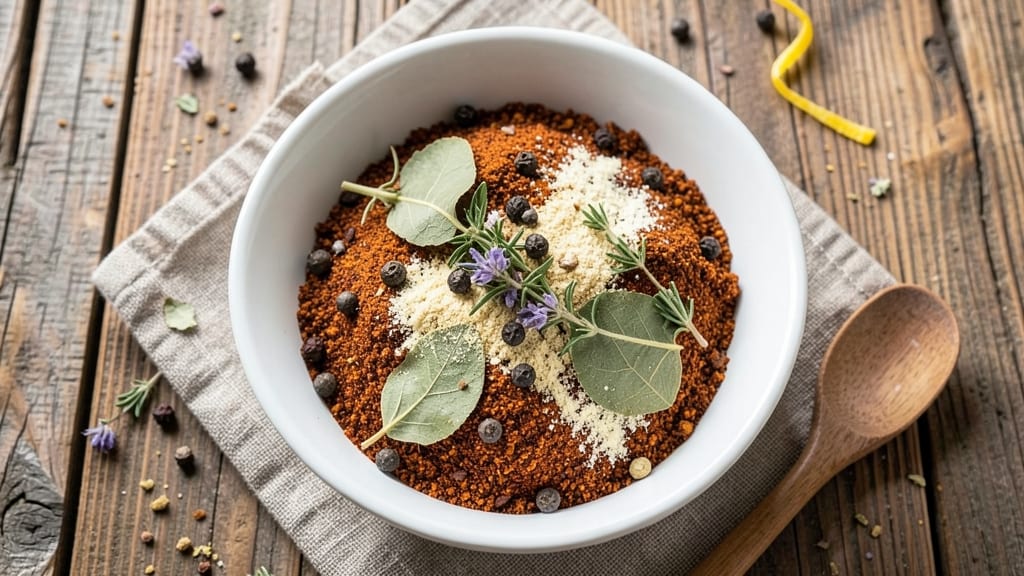
Transform ordinary beef soup into something extraordinary with this bold umami seasoning recipe designed to deepen flavor and elevate every spoonful. The secret lies in carefully balanced spices that build complexity—smoky paprika, earthy thyme, and aromatic bay leaf create a foundation while garlic powder and onion powder add savory depth.
I developed this blend after years of testing what makes restaurant-quality beef soups sing, and it delivers restaurant-worthy results in your own kitchen.
This simple dry mix transforms basic broth into a rich, layered experience with just a few tablespoons. The combination of spices works synergistically: paprika adds warmth, thyme brings herbal notes, and bay leaf contributes subtle earthiness.
What makes this blend special is how it enhances rather than overpowers—each ingredient plays a distinct role in creating that perfect umami balance that professional chefs rely on. Perfect for beef broths, stews, or even braising liquids, this seasoning is the game-changer you've been missing.
What you'll end up with is a dry spice blend that's easy to store and even easier to use. Simply combine the ingredients, store in an airtight container, and keep on hand for whenever you need to elevate a beef-based dish.
The blend maintains its potency for up to six months, making it a valuable pantry staple. Whether you're making a hearty beef soup or a simple pot roast, this seasoning will take your cooking to the next level with minimal effort.
The beauty of this seasoning mix is its versatility—use it as a base for complex broths or as a finishing touch for braised meats. The spices complement rather than compete with the natural flavors of beef, creating a harmonious blend that's both comforting and sophisticated.
Once you try this, your homemade beef dishes will never taste the same again. Let's get started on creating your own blend!
Ingredients for beef soup seasoning
Nine simple spices plus a touch of miso—this blend transforms basic broth into restaurant-quality depth.
| Ingredient | Amount | Notes |
|---|---|---|
| Smoked Paprika 🌶️ | 3 tbsp | For deep smoky warmth |
| Dried Thyme 🌿 | 1 ½ tbsp | Earthy depth preferred |
| Bay Leaves 🍃 | 1 tbsp | Crushed for better infusion |
| Garlic Powder 🧄 | 2 tsp | Freshly ground preferred |
| Onion Powder 🧅 | 2 tsp | Adds sweet savory base |
| Ground Black Pepper 🌶️ | 1 ½ tsp | Freshly cracked for heat |
| Ground Coriander 🍋 | 1 tsp | Bright citrusy note |
| Ground Cumin 🌿 | ½ tsp | Earthy warmth optional |
| Sea Salt 🧂 | 1 ½ tsp | Diamond Crystal preferred |
| Miso Paste 🍶 | 1 tbsp | White or red for umami |
The smoked paprika is the star here—look for Penzeys or Spicewalla for premium quality, but the store brand works fine too. Crush the bay leaves before adding for maximum flavor release. I always grab my thyme from the bulk section at Whole Foods—it's fresher than the pre-packaged stuff. The miso paste? White miso gives subtle sweetness, while red adds deeper funk. Keep both in the fridge after opening to preserve potency. For the garlic and onion powders, McCormick or Badia are reliable brands that won't break the bank.
No smoked paprika? Regular paprika plus a pinch of liquid smoke works in a pinch. Short on miso? Soy sauce or Worcestershire sauce adds umami, but use half the amount. The cumin is optional but recommended—it bridges the earthy thyme and sweet onion powder beautifully. If you're sensitive to heat, reduce the black pepper to 1 tsp. For extra depth, toast the whole spices (cumin, coriander) in a dry pan for 30 seconds before grinding. The sea salt should be fine-grained—Diamond Crystal dissolves perfectly in broths.
This blend keeps for 6-12 months in an airtight container in a cool, dark place. I portion mine into small jars—one for broths, one for braising. For extra potency, store the miso paste separately and add it fresh when using. The spices lose punch after opening, so buy small amounts if you won't use them all at once. Once you try this, you'll never go back to basic seasoning—trust me, your beef dishes will thank you.
Why You'll Love This Recipe
- Pantry Magic: I swear by this blend—no fresh herbs needed, just dried staples I already have. Toss in a teaspoon while browning beef, and suddenly your soup tastes like it simmered for hours. (Between us, that smoked paprika alone makes everything taste deeper.)
- Deep Umami Bang: Garlic and onion powders hit different, but the smoked paprika? It’s the secret weapon—earthy, slightly sweet, and just smoky enough to make your broth taste like a cozy night in. Honestly, I’ve ruined good beef with bland seasoning, but this? Every time.
- Weeknight Superhero: This mix works for quick lunches, slow-cooked dinners, or even a last-minute pot of soup. Throw it in with ground beef for tacos, shredded beef for sandwiches, or straight into a pot of broth—no stress, just flavor. (Yes, even on a Tuesday night.)
- Budget-Friendly Powerhouse: Dried spices last forever and cost pennies, but they punch way above their weight. A little goes a long way, and I’ve stretched a single batch of seasoning across three meals without breaking the bank. Plus, no wasted leftovers—just more flavor for less.
Step-by-step instructions for beef soup seasoning
Let's blend these bold flavors into a powerful base for your next pot of soup.
Crush the Bay Leaves for Maximum Flavor
Start by crushing the 1 tablespoon of bay leaves between your palms or with the flat side of a knife. You want to break them open so their essential oils can fully infuse into your soup. This step is crucial—whole bay leaves release flavor slowly and may not dissolve completely during cooking.
Place the crushed bay leaves in a medium bowl. The leaves should look like small, irregular pieces rather than intact ovals. This preparation ensures every spoonful of your seasoning blend delivers that classic herbal depth that defines beef soups.
Combine All Dry Ingredients Thoroughly
Add the remaining dry ingredients to the bowl: 3 tablespoons smoked paprika, 1.5 tablespoons dried thyme, 2 teaspoons garlic powder, 2 teaspoons onion powder, 1.5 teaspoons ground black pepper, 1 teaspoon ground coriander, and 0.5 teaspoon ground cumin. Use a whisk or fork to distribute everything evenly.
This is where the magic happens—each ingredient plays its part. The smoked paprika brings deep, woodsy warmth, while the thyme and bay leaves create that earthy herbal backbone. The garlic and onion powders add sweet, savory depth, and the coriander brightens the whole blend with its citrusy note. Don't rush this step; you want every spoonful to be perfectly balanced.
Incorporate the Miso Paste for Umami Depth
Add the 1 tablespoon miso paste to the dry mixture. Unlike the other ingredients, miso is sticky and moist, so you'll need to work it in carefully. Use a rubber spatula to fold it into the dry blend until you achieve a crumbly, paste-like consistency with small clumps of miso distributed throughout.
The miso paste is the secret weapon here—it delivers that unmistakable umami punch that elevates beef soups from ordinary to extraordinary. This ingredient also helps bind the seasoning blend together, making it easier to measure and store. If the mixture feels too dry, add a teaspoon of water at a time until it holds together just enough to form a loose paste.
Store for Future Use
Transfer the seasoning blend to an airtight container, pressing down gently to compact it. The miso paste will help keep everything cohesive, but the spices will still release their aromas over time. Store in a cool, dark place for up to 3 months, or refrigerate for extended freshness.
When you're ready to use it, simply measure out what you need. For a standard 4-serving beef soup, use about 1 tablespoon of this blend—adjust to taste based on how intense you want the flavor. The beauty of this blend is its versatility: use it in broths, stews, or even as a finishing rub for grilled meats. Each time you use it, you'll taste that perfect balance of smoky, herbal, and umami notes working together in harmony.
Pro Tips For Making Beef Soup Seasoning
- TOAST YOUR SPICES: Smoked paprika and dried thyme pack more punch when toasted—just dry-toast them in a small pan over medium heat for 30 seconds until fragrant. I used to skip this, but now I swear by it for deeper flavor without bitterness.
- CRUSH BAY LEAVES: Tear bay leaves into smaller pieces before adding them to the soup—this lets the aromatic oils infuse faster and more evenly. Whole leaves work, but they often end up floating like decorative paperweights instead of flavor boosters.
- BLOOM GARLIC FIRST: Sauté garlic powder and onion powder in a little oil or butter for 30 seconds before adding liquid—they’ll develop a nutty aroma that lifts the whole dish. Skipping this step means missing out on that rich, toasted foundation.
- STORE DRY MIXES RIGHT: Keep your seasoning blend in an airtight container away from light and moisture, or it’ll lose potency in weeks. I learned this the hard way when my once-vibrant smoked paprika turned dull—now I double-check the seal after every use.
Regional styles of this beef soup seasoning
French Bouillon Tradition
In France, beef broths are elevated with a classic blend of thyme, bay leaf, and black pepper, often enhanced with a splash of red wine or white wine vinegar for brightness.
My go-to French variation swaps the smoked paprika for 1 tbsp regular paprika and adds 1 tsp dried parsley—this creates a lighter, more herb-forward profile perfect for clear consommé-style soups. 🇫🇷
For an authentic touch, French cooks often toast the spices in butter before adding them to the broth. I like to use 1 tbsp unsalted butter in a dry pan, cook the spices for 30 seconds until fragrant, then add to the broth.
This technique deepens the flavor without overpowering the delicate beef notes.
Italian Brodo Base
Italian beef soups like minestrone or ribollita rely on a robust trio of rosemary, fennel seeds, and a pinch of cinnamon for warmth. My Italian-inspired blend replaces the coriander with 1 tsp fennel seeds (toasted and ground) and adds ½ tsp ground cinnamon—this creates a sweet, aromatic backbone.
The miso paste is swapped for 1 tbsp tomato paste to maintain umami while keeping the flavor profile true to Italian traditions. 🇮🇹
For extra depth, Italians often add a celery leaf (from the celery stalk) to the broth—it’s packed with flavor and adds a subtle herbal note. I like to include 1 crushed celery leaf in the blend (or add it fresh when cooking).
Pair this with a splash of dry white wine for a classic Italian touch.
Hungarian Goulash Style
Hungarian beef soups like goulash are all about paprika, caraway, and a touch of sweetness. My Hungarian variation keeps the smoked paprika but adds 1 tsp caraway seeds (lightly toasted and ground) and ½ tsp sugar to balance the acidity.
The miso is replaced with 1 tbsp sweet paprika for a milder, sweeter umami boost. 🇭🇺
For authenticity, Hungarians often use sour cream as a finishing touch—it cuts through the richness of the broth beautifully. I recommend adding a dollop at the end for that creamy, tangy contrast. This blend is perfect for hearty beef stews and one-pot meals where bold, earthy flavors shine.
American Comfort Twist
In the U.S., beef soups often lean into hearty, smoky, and slightly sweet flavors—think chili or beef stew. My American-style blend keeps the original spices but adds ½ tsp ground allspice for warmth and ½ tsp brown sugar to enhance the umami.
The miso is swapped for 1 tbsp soy sauce for a deeper, saltier punch. This version is ideal for slow-cooked beef chili or pot roast broths. 🇺🇸
For a Southern touch, I like to add ½ tsp ground mustard to the blend—it adds a subtle tang that pairs perfectly with rich beef flavors. This variation is especially great for Thanksgiving-style beef soups or holiday gatherings where bold, comforting flavors are key.
Japanese Dashi-Inspired
Japanese beef soups like nikujaga (meat and potato stew) use dashi broth for umami depth. My Japanese-inspired blend keeps the miso paste but replaces the smoked paprika with 1 tsp ground shichimi togarashi (Japanese chili flakes) for heat and depth.
The thyme is swapped for ½ tsp ground ginger to add warmth. 🇯🇵
For extra authenticity, add 1 tsp soy sauce and ½ tsp mirin to the broth while cooking. This blend works beautifully in beef ramen broths or miso-glazed beef stews, where the umami and heat create a perfect balance.
The ginger and chili flakes add a unique kick that’s both familiar and exciting.
Nutrition facts
Frequently asked questions
Can I make this seasoning blend without miso paste?
If you don't have miso paste, substitute it with 1 tablespoon soy sauce or 1 tablespoon Worcestershire sauce for umami depth. For a vegetarian option, use 1 tablespoon nutritional yeast instead. The blend will still deliver rich, savory flavor—just slightly different in profile.
How much seasoning should I use for different pot sizes?
For a standard 4-quart pot, use 1 tablespoon of the blend. For larger batches (6-8 quarts), increase to 2 tablespoons. For delicate consommé-style soups, start with ½ tablespoon and adjust to taste. Remember, you can always add more, but you can't remove it once it's in!
Will this seasoning work in non-beef dishes?
Yes! This blend works beautifully in chicken broths, lamb stews, or even vegetable-based soups where you want umami depth. For pork dishes, reduce the black pepper to 1 teaspoon to avoid overpowering the meat's natural sweetness. The miso and paprika make it versatile across many protein types.
Why does my homemade broth taste flat compared to restaurant soups?
Restaurant soups often use this exact technique—layered seasoning added at different stages. Start with ½ tablespoon of the blend while browning your meat, then add the rest to the simmering broth. The miso paste should be dissolved in a little warm water first to fully infuse its umami. Also, simmer uncovered for 3-4 hours to develop deeper flavor.
Can I adjust the spice levels in this blend?
Certainly! For milder flavor, reduce the smoked paprika to 2 tablespoons and black pepper to 1 teaspoon. For extra heat, add ½ teaspoon cayenne pepper or 1 teaspoon crushed red pepper flakes. If you prefer sweeter notes, increase the onion powder to 3 teaspoons and add ½ teaspoon sugar. Always taste as you adjust!