
Soups & Stews
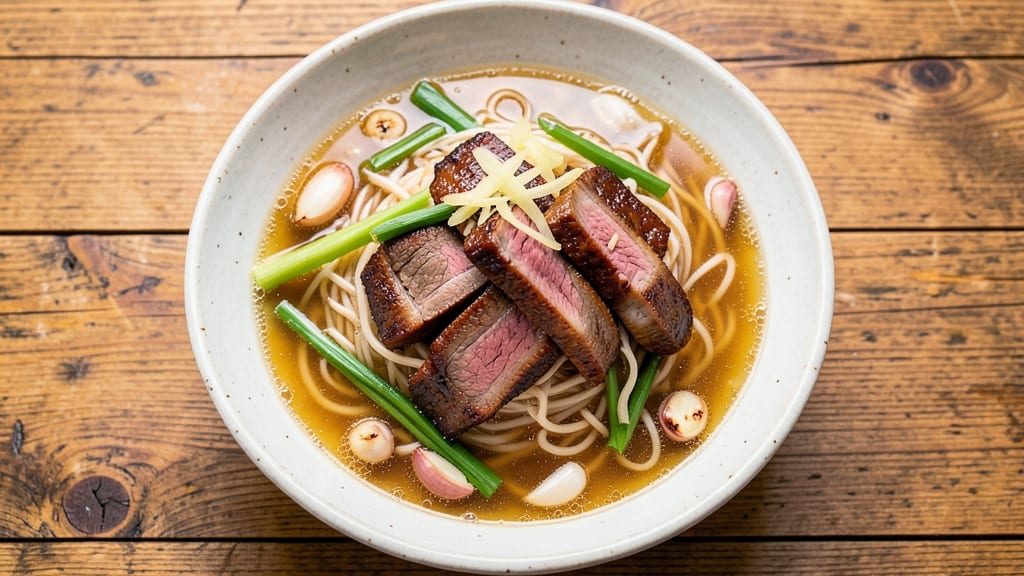
This beef soba noodle soup recipe delivers the perfect balance of rich, savory broth and chewy noodles—every spoonful is a harmony of umami and texture. The secret starts with a deeply flavorful beef broth, simmered low and slow to extract maximum depth, then elevated with traditional dashi and a touch of miso for that signature Japanese soul. I developed this version after years of testing, ensuring the broth stays clear yet bold, with tender beef that practically melts in your mouth.
The beauty of this recipe lies in its flexibility—whether you prefer a classic clear broth or a heartier miso-infused version, the technique remains the same. You'll sear beef chuck for deep flavor, then braise it slowly to achieve that signature melt-in-your-mouth tenderness.
The soba noodles cook in the hot broth itself, absorbing all that rich flavor without turning mushy, while aromatics like ginger and scallions add bright, fresh contrast. This isn't just soup; it's a comforting, restaurant-quality bowl that feels like a warm hug on a chilly day.
What makes this recipe truly special is how it transforms simple ingredients into something extraordinary. The broth develops layers of complexity as it simmers, while the beef becomes fork-tender without ever turning dry.
When you ladle it into bowls, you'll see those perfectly chewy soba noodles floating in a golden, aromatic broth, topped with just a sprinkle of sesame seeds and green onions for freshness. It's the kind of dish that disappears quickly, leaving everyone asking for seconds.
Serve this beef soba noodle soup as a hearty main course or pair it with steamed rice for an even more satisfying meal. The leftovers reheat beautifully, making it perfect for meal prep.
Whether you're cooking for a crowd or treating yourself to a cozy night in, this recipe delivers restaurant-quality results with minimal fuss. Let's get started on creating your perfect bowl of comfort.
Ingredients for beef soba noodle soup
Simple ingredients, restaurant-quality flavor—this beef soba noodle soup delivers comfort in every bowl.
| Ingredient | Amount | Notes |
|---|---|---|
| Beef Chuck Roast 🥩 | 1 ½ lb | Cut into 1-inch cubes |
| Dried Soba Noodles 🍜 | 8 oz | 100% buckwheat preferred |
| Dashi Powder 🍵 | 1 tbsp | Or 1 packet instant dashi |
| White Miso Paste 🍶 | 2 tbsp | Smooth, not lumpy |
| Fresh Ginger 🧅 | 2 tbsp | Grated, peeled |
| Garlic Cloves 🧄 | 4 cloves | Minced, not pressed |
| Green Onions 🧅 | 4 whole | Sliced, white and green parts |
| Sesame Seeds 🌰 | 1 tbsp | Toasted lightly |
| Soy Sauce 🍶 | 2 tbsp | Light or regular |
| Mirin 🍶 | 1 tbsp | Sweet rice wine |
| Rice Vinegar 🍶 | 1 tbsp | For brightness |
| Vegetable Oil 🫒 | 2 tbsp | For searing |
| Water 💧 | 6 cups | Or low-sodium beef broth |
| Salt 🧂 | 1 ½ tsp | Kosher or sea salt |
| Black Pepper 🌶️ | ½ tsp | Freshly ground |
The beef is everything here—chuck roast gives you that rich, deep flavor you can't get from leaner cuts. Trader Joe's and Costco usually have it pre-cubed, which saves time, but if you're buying a whole roast, ask the butcher to cut it into 1-inch pieces. Look for good marbling—it's what gives the broth that incredible depth. I always grab extra because it freezes beautifully. For the soba noodles, 100% buckwheat is non-negotiable if you want that authentic chewy texture. The dried kind from Asian markets or the bulk section at Whole Foods is your best bet—avoid those sad little packets at regular grocery stores.
No dashi powder? Instant dashi granules work just as well—just dissolve them in hot water first. Miso paste can be tricky—if yours is grainy, strain it before using. Fresh ginger and garlic are ideal, but if you're in a pinch, jarred minced garlic (the kind from Trader Joe's) is fine for garlic. For the aromatics, don't skip the green onions—they add that fresh pop of color and brightness. The sesame seeds? Toast them lightly in a dry pan for 30 seconds before adding to the soup—it makes all the difference. Want to make it even richer? Swap half the water for low-sodium beef broth—just don't skip the water entirely or the broth will turn cloudy.
This soup tastes even better the next day—plan ahead and make a double batch. Store the broth separately from the noodles in the fridge for up to 5 days, then reheat everything together. The noodles will soften slightly, but that's perfect. For freezing, portion the broth into containers and freeze for up to 3 months. When you're ready to serve, just reheat the broth and cook fresh noodles in it. The beef will stay tender, and you'll have that restaurant-quality bowl without the effort. Leftovers reheat beautifully—just give it a quick stir and maybe a splash of water if it's too thick.
Why You'll Love This Recipe
- Slow-Cooked Magic: I swear by the chuck roast—it’s the only cut that gets fork-tender while I’m scrolling through emails. Just brown it, toss it in the pot with dashi and ginger, and walk away. The broth builds flavor all on its own.
- Umami Bomb: That miso paste? Chef’s kiss. One spoonful turns the broth from "meh" to "I’d drive 20 minutes for this." The ginger and dashi powder team up to give it that deep, savory punch that sticks with you—no heavy cream needed.
- Leftovers That Lie: Honestly, I make this on Sundays because the second batch is even better. The noodles soften just right when reheated, and the beef shreds apart like it’s begging for another bowl. (My roommate still thinks I’m hiding a secret recipe.)
- Budget-Friendly Feast: A whole chuck roast for four servings? That’s a steal. The soba noodles stretch forever, and the miso and dashi cost pennies at the Asian market. It’s the kind of meal where you’re full, happy, and still have cash left for takeout next week.
Step-by-step instructions for beef soba noodle soup
Here's how to create a rich, umami-packed bowl that balances tender beef with chewy soba noodles.
Sear the Beef for Deep Flavor
Heat a large pot or Dutch oven over medium-high heat until hot. Add the 2 tablespoons vegetable oil and swirl to coat the bottom evenly. Working in batches if needed, add the 1.5 lb beef chuck roast cut into 1-inch cubes and sear undisturbed for 2-3 minutes per side until deeply browned.
This initial searing creates a flavorful crust that forms the base of your broth. Don't rush this step—you'll know the beef is ready when it releases easily from the pan and develops a rich caramelization. Transfer the seared beef to a plate and set aside temporarily.
Build the Umami-Packed Broth
In the same pot, add the 2 tablespoons fresh ginger and 4 cloves garlic cloves (minced), stirring for 30 seconds until fragrant. Pour in the 6 cups water and bring to a rolling boil. Add the 1 tablespoon dashi powder, 2 tablespoons soy sauce, 1 tablespoon mirin, and 1 tablespoon rice vinegar, stirring to dissolve completely.
Return the seared beef to the pot and reduce heat to low. Cover and simmer for 1.5 hours until the beef is fork-tender and the broth has reduced slightly. The aroma should be rich and inviting—this is where all the deep flavors develop. Skim off any foam that rises to the surface during cooking.
Prepare and Cook the Soba Noodles
While the beef simmers, prepare the 8 oz dried soba noodles according to package directions—typically boiling in salted water for 4-5 minutes until al dente. Drain and set aside, reserving 1 cup of the pasta water.
Here's the thing—soba noodles cook faster than regular wheat noodles, so don't overcook them. They should have a pleasant chew when bitten, not be mushy. The reserved pasta water will help adjust the soup's consistency later if needed.
Finish with Miso and Garnish
Remove the beef from the broth and shred it using two forks. Return the shredded beef to the pot and stir in the 2 tablespoons white miso paste until fully dissolved. Taste and adjust seasoning with the 1.5 teaspoons salt and 0.5 teaspoon black pepper if needed.
Divide the soba noodles among bowls, ladle the hot beef broth over them, and garnish with sliced 4 whole green onions and 1 tablespoon toasted sesame seeds. The miso adds that signature umami depth while balancing the broth's richness. Serve immediately while piping hot for the best texture and flavor experience.
Pro Tips For Making Beef Soba Noodle Soup
- SEAR THE CHUCK FIRST: Chuck roast is forgiving, but a quick 3-minute sear in a screaming-hot pan before slow cooking builds depth. I used to skip this—my soup tasted flat until I realized the Maillard reaction is what turns "meaty" into "unforgettable." Pat the beef dry first, or the crust won’t form.
- GINGER: GRATE, DON’T SLICE: Thin slices of ginger float like decorative paper—grate it fine so it actually infuses the broth. I learned this the hard way after serving a bowl where the ginger was just for show. Use about 1 tablespoon, but taste the broth first; fresh ginger’s bite lingers.
- DASHI MISO BALANCE: Start with half the miso called for, stir it in, then adjust. Miso’s saltiness sneaks up on you—adding it all at once turns your soup into a salty brick. If your broth tastes bland after simmering, a pinch of sugar (½ tsp) cuts the umami harshness without overpowering.
- NOODLES: COOK SEPARATELY: Tossing raw soba into simmering broth makes them gummy. Cook them in a separate pot for 3–4 minutes (they finish fast), then drain and rinse briefly under cold water to stop cooking. Add them to bowls after ladling in the hot soup—this keeps them al dente and prevents a mushy mess.
Perfect pairings for this beef soba noodle soup
Classic Side Pairings
Steamed jasmine rice is my go-to side—its mild, slightly floral notes complement the rich beef broth beautifully. I serve it in individual bowls so everyone can scoop up the last drops of that flavorful broth.
For extra texture, try pickled vegetables like cucumbers or radishes—their tangy crunch cuts through the soup's richness. 🥢
Crunchy Additions
Top your soup with toasted sesame seeds (lightly browned in a dry pan) for nutty crunch. I also love adding thinly sliced scallions or shredded nori strips for an extra layer of umami. For a heartier bite, serve with crispy fried shallots—just a sprinkle adds serious texture contrast.
Beverage Pairings
A crisp green tea like Sencha cleanses your palate between bites. For something stronger, try a dry sake—its subtle acidity enhances the soup's umami. If you prefer beer, a light lager like Asahi or Sapporo works perfectly. Avoid heavy, hoppy beers that might overpower the delicate flavors. 🍶
Dipping Sauces
Prepare a quick sesame-ginger dipping sauce by mixing 1 tbsp soy sauce, 1 tsp mirin, ½ tsp grated ginger, and ½ tsp toasted sesame oil.
This adds another flavor dimension when scooping up noodles. For heat lovers, a spicy chili oil drizzle (just ½ tsp) brings a fiery kick. 🌶️
Seasonal Variations
In summer, add cucumber slices and mint leaves for freshness. For winter, swap in shitake mushrooms and daikon radish—both add earthy depth. I also love a soft-boiled egg on top during colder months—the yolk mixes into the broth for extra creaminess.
Make-Ahead Tips
Prep all components ahead: Cook the beef broth and noodles separately, then reheat together. Store garnishes like green onions and sesame seeds in small containers. For extra convenience, make a double batch of broth—it freezes beautifully for up to 3 months.
Just thaw and reheat with fresh noodles when ready. ❄️
Nutrition facts
Frequently asked questions
Can I use regular wheat noodles instead of soba?
While you can substitute wheat noodles, you'll miss the signature chewy texture and nutty flavor of authentic 100% buckwheat soba. For a closer match, try udon noodles (wheat-based but thicker) or rice noodles (for gluten-free). The broth will still taste amazing, but the texture contrast will be different. If you're set on wheat, cook them 1 minute less than package instructions to avoid mushiness.
How do I make this soup spicier?
Add ½ teaspoon red pepper flakes directly to the broth while simmering, or stir in 1 teaspoon gochujang (Korean chili paste) with the miso at the end. For heat lovers, serve with chili oil on the side—just ½ teaspoon per bowl adds serious kick. Start with less and adjust to taste, as spices intensify when reheated.
Can I make this recipe without miso?
Yes! Skip the miso and increase the soy sauce to 3 tablespoons total for depth. For umami without miso, add 1 teaspoon fish sauce or ½ teaspoon MSG (if you have it). The broth will still be flavorful, though slightly less complex. The miso adds that signature Japanese soul—try it once to see why it's worth seeking out.
Why does my broth turn cloudy?
Cloudiness usually means the broth needs more simmering time to break down collagen and clarify naturally. If it's already simmered 1.5 hours, try skimming more foam or adding 1 egg white (whisked) to the broth—simmer 10 more minutes to coagulate proteins and create a clearer base. Avoid adding cornstarch, which can make the broth taste artificial.
What's the best way to reheat leftovers?
Reheat broth and beef separately—bring broth to a gentle simmer (medium-low heat) and warm beef in a separate pan with 1 tablespoon water to prevent drying. Add fresh noodles directly to the hot broth (they'll cook in 2-3 minutes) and garnish with toasted sesame seeds. Never microwave—it ruins the texture and flavor. Leftovers keep 3-4 days refrigerated or 3 months frozen.