
Soups & Stews
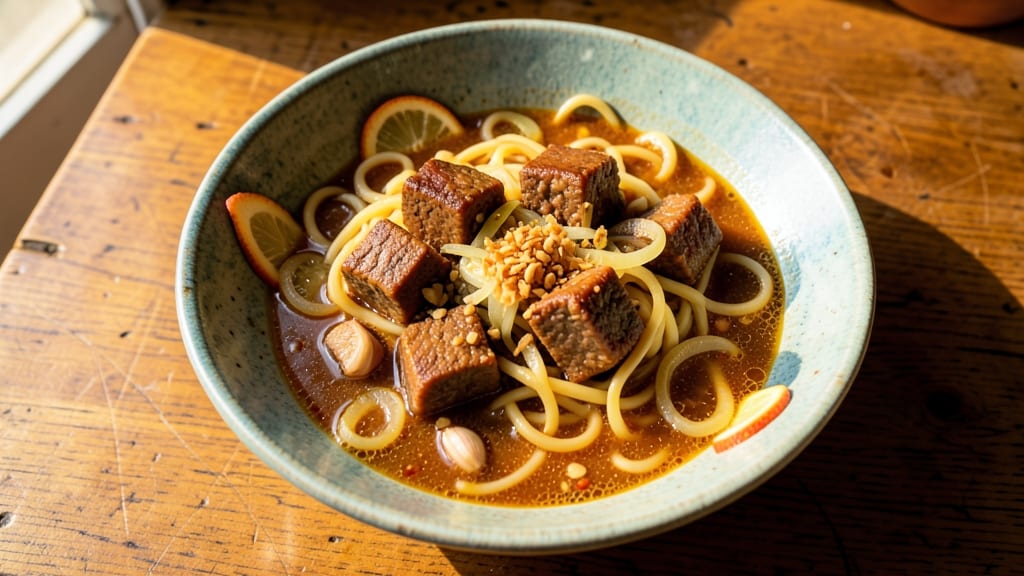
This Filipino beef noodle soup recipe delivers the rich, comforting flavors of home with every spoonful. The secret lies in slow-simmering beef until it becomes fork-tender, creating a deeply flavorful broth that's the heart of any great Filipino meal.
Traditional ingredients like soy sauce, garlic, and ginger form the aromatic base, while a touch of vinegar brightens the depth of flavor.
The beauty of this recipe is in its simplicity—just a few key ingredients transform into a restaurant-quality bowl of soup. We'll build the broth by browning the beef first, which adds incredible depth, then simmer it low and slow to extract maximum flavor.
The noodles cook directly in the broth, absorbing all those rich, savory notes until they're perfectly tender.
What you'll end up with is a steaming bowl of soup with perfectly tender beef chunks, chewy noodles, and a broth so flavorful it practically tastes like it's been simmering for hours.
The aroma alone will have everyone gathering around the table, and each bite delivers that perfect balance of savory, slightly sweet, and tangy that defines Filipino comfort food.
This recipe is designed to be adaptable—use bone-in beef for even more flavor or swap in chicken for a lighter version. The technique ensures tender beef and perfectly cooked noodles every time, making it ideal for both weeknight dinners and special occasions. Let's get started on creating this umami-packed masterpiece.
Ingredients for beef noodle soup filipino
Rich beef broth, tender meat, and chewy noodles create this Filipino comfort classic.
| Ingredient | Amount | Notes |
|---|---|---|
| Beef Chuck Roast 🥩 | 1 ½ lb | Bone-in preferred for flavor |
| Dried Egg Noodles 🍜 | 8 oz | Flat, round egg noodles |
| Yellow Onion 🧅 | 1 whole | Thinly sliced for broth |
| Garlic Cloves 🧄 | 6 cloves | Minced for aromatic base |
| Fresh Ginger 🌿 | 2 tbsp | Grated, peeled root |
| Soy Sauce 🥄 | ½ cup | Light or regular preferred |
| Coconut Aminos 🥄 | ¼ cup | Or sub with more soy sauce |
| White Vinegar 🍋 | 1 tbsp | For tangy brightness |
| Black Peppercorns 🌶️ | 1 tsp | Crushed for depth |
| Bay Leaves 🌿 | 2 whole | Dried, for subtle aroma |
| Salt 🧂 | 1 ½ tsp | Adjust to taste |
| Water 💧 | 6 cups | Enough for 6 cups broth |
| Green Onions 🧅 | 3 whole | Sliced for garnish |
| Sesame Oil 🫒 | 1 tsp | For finishing aroma |
The beef is everything here—chuck roast with bone-in pieces delivers the deepest flavor. Costco or local butchers usually have it pre-cut, but if not, ask for a 2-inch cube cut. Look for good marbling; it melts into the broth during simmering. Fresh ginger and garlic are non-negotiable—they're the aromatic backbone of the soup. Substitute with powdered ginger at half the amount if needed, but fresh is ideal. For the noodles, Asian grocery stores carry the perfect flat, round egg noodles—avoid the pre-boiled kind unless you're in a rush.
No coconut aminos? Double the soy sauce and add 1 tsp sugar to mimic the balance. Vinegar is key for that signature tang—rice vinegar works too, but white vinegar gives a cleaner flavor. The broth should be rich but not overly salty—taste as you go and adjust with water or salt. For extra umami, add 1 tbsp fish sauce (optional). The bay leaves add subtle depth; remove them before serving. If you're short on time, brown the beef in a Dutch oven instead of a skillet—it creates more flavor with less effort.
This soup tastes even better the next day—reheat gently on low heat to preserve the texture. Store in an airtight container for up to 5 days in the fridge. For freezing, portion the broth separately from the noodles—freeze broth for 3 months, noodles for 1 month. To serve, ladle hot broth over fresh noodles and top with green onions and a drizzle of sesame oil. The aroma alone will have everyone at the table—trust me on that.
Why You'll Love This Recipe
- One-Pot Wonder: I swear by this recipe because it’s literally one pot—no chopping boards, no extra pans. Toss in the beef, onions, garlic, and ginger, let it simmer, then dump in the noodles at the end. That’s it. My lazy Sundays just got a whole lot easier.
- Umami Bomb: The beef chuck roast turns insanely tender, and the garlic-ginger base? It’s like a flavor grenade—explodes with warmth and depth. Honestly, the first time I tasted it, I thought, “Why haven’t I been doing this all along?”
- Leftovers That Don’t Suck: This soup actually improves the next day. The noodles soften just right, the broth gets richer, and it’s still hearty enough for lunch. I make a double batch on Sundays and eat it for days—no sad, watery leftovers here.
- Budget Meal for Crowds: A single chuck roast feeds six, and dried egg noodles? Cheap as chips. Between us, this is my go-to for potlucks or when friends drop by unannounced. Everyone leaves happy, and my wallet stays intact. Win-win.
Step-by-step instructions for beef noodle soup Filipino recipe
This method delivers melt-in-your-mouth beef and rich, savory broth every time.
Prepare the Beef and Aromatics
Begin by cutting the 1.5 lb beef chuck roast into 1-inch cubes—this size ensures tender, even cooking. Pat the beef dry with paper towels to promote better browning. In a large Dutch oven or heavy pot, combine the beef cubes with the 1 whole yellow onion (thinly sliced), 6 cloves garlic (minced), 2 tbsp fresh ginger (grated), 1 tsp black peppercorns (crushed), 2 whole bay leaves, and 1.5 tsp salt. Stir to coat the beef evenly in the spices.
This step builds the flavor foundation. The spices will cling to the beef, infusing it with aroma as it cooks. Don't skip the drying step—moisture on the beef can prevent proper browning, which is essential for developing deep, rich flavors in the broth.
Sear the Beef for Maximum Flavor
Heat the Dutch oven over medium-high heat until hot. Add the beef mixture in a single layer, allowing it to sear undisturbed for 3-4 minutes until the beef develops a deep golden-brown crust. This browning reaction, known as the Maillard effect, creates complex flavors that will infuse the broth. Once browned on one side, gently stir and repeat the process until all sides are evenly seared.
Real talk: Don't overcrowd the pan. If the beef doesn't brown properly, the soup will lack depth. Work in batches if needed, but ensure every piece gets that golden crust. The seared beef will release its flavors into the broth as it simmers.
Simmer the Broth for Deep Umami
After searing, pour in 6 cups water, scraping up any browned bits from the bottom of the pot—these contain concentrated flavor. Bring the mixture to a boil, then reduce heat to low and let it simmer covered for 1 hour 30 minutes. This slow cook time ensures the beef becomes fork-tender while allowing the broth to develop its rich, savory depth.
During this time, add the 0.5 cup soy sauce and 0.25 cup coconut aminos after the first 30 minutes of simmering. These ingredients will meld into the broth, enhancing its umami profile. Stir in the 1 tbsp white vinegar after 1 hour of simmering to brighten the flavors without overpowering the dish.
Finish with Noodles and Garnish
Once the beef is tender (it should easily pull apart with a fork), add the 8 oz dried egg noodles and simmer for an additional 5-7 minutes until the noodles are al dente. The noodles will absorb the rich, flavorful broth, making each bite hearty and satisfying.
Remove the 2 whole bay leaves before serving. Ladle the soup into bowls and garnish with 3 whole green onions (sliced) and a drizzle of 1 tsp sesame oil. The sesame oil adds a delicate aroma and a subtle nutty finish that complements the savory broth. Serve immediately while hot.
Rest and Serve for Perfect Texture
Let the soup rest for 5 minutes before serving. This brief resting period allows the flavors to meld and the noodles to finish absorbing the broth, ensuring each bite is cohesive and flavorful. The beef should be tender enough to pull apart with a fork, and the broth should coat the back of a spoon with a velvety texture.
This Filipino beef noodle soup is a labor of love, but the result is worth every minute. The slow simmer transforms tough beef into tender morsels, while the aromatic broth delivers layers of umami and savory depth. Serve with extra green onions on the side for those who prefer a lighter garnish.
Pro Tips For Making Beef Noodle Soup Filipino
- SEAR THE ROAST LONG: Don’t rush the beef—let those browned bits build for 8-10 minutes on medium-high heat. I used to flip it too soon, and the soup ended up bland. Those crusty edges melt into the broth like magic.
- PEEL GINGER SLIGHTLY: Leave the skin on ginger for earthy depth, but peel just enough to expose the juicy flesh underneath. My grandmother swore by this: "The skin’s too tough to chew, but it adds soul." Trust me, it makes a real difference.
- SIMMER LOW AND COVERED: Once the beef is tender, drop the heat to a bare simmer and keep the pot covered. I learned this the hard way—boiling too hard turns the broth cloudy and toughens the meat. Patience here guarantees a rich, clear soup.
- SOAK NOODLES SEPARATELY: Toss the dried egg noodles in hot broth for just 2-3 minutes—they’ll finish cooking in the soup. I skip this when I’m lazy, but the dish is noticeably better when I don’t overcook them ahead. They should stay firm enough to hold their shape.
Regional styles of this dish
Visayan-Style Soup
In the Visayas region, this soup often features shrimp paste (bagoong) for an extra umami punch. Add 1 tbsp shrimp paste when searing the beef, then simmer it into the broth for 15 minutes before adding noodles.
The paste adds a briny, funky depth that's signature to Visayan cooking. For authenticity, use bagoong isda (shrimp paste) from Filipino markets—it's a game-changer. 🌶️
Manila Classic
The Manila version keeps it simple but rich, focusing on slow-cooked beef and deep soy flavor. Use 1 tbsp fish sauce in addition to the soy sauce for an extra layer of umami. Serve with crispy garlic (garlic fried in oil) on top for a textural contrast.
This style is all about balance—savory broth, tender beef, and chewy noodles without any extra frills. Trust me, it's a crowd-pleaser.
Bicolano Twist
Bicolano beef noodle soup incorporates coconut milk for a creamy, slightly sweet profile. After simmering the beef for 1 hour, stir in ½ cup coconut milk and simmer for another 15 minutes.
This version is lighter than the traditional but still deeply flavorful. Garnish with fresh cilantro and a sprinkle of toasted coconut flakes for that Bicolano touch. 🥥
Northern Luzon Style
Up north, they often add mountain vegetables like kangkong (water spinach) or cabbage for a heartier bowl. After cooking the noodles, stir in 2 cups chopped kangkong and cook for 2 minutes until wilted.
The earthy greens complement the rich beef broth beautifully. This version is perfect for cooler weather and adds a vibrant color contrast.
Pampanga-Inspired
Pampanga cooks love to caramelize the onions before adding them to the broth. Sauté 1 thinly sliced yellow onion in 1 tbsp oil until deep golden brown, then add to the pot with the beef.
This technique adds a sweet, caramelized depth that's pure Pampanga elegance. Finish with a drizzle of calamansi juice (or lime) for a bright, citrusy finish. 🍋
Modern Fusion
For a contemporary twist, try adding mushrooms (like shiitake or oyster) for an earthy note. Sauté ½ cup sliced mushrooms with the garlic and ginger, then proceed with the recipe.
Top with crispy fried shallots for added crunch. This fusion keeps the soul of Filipino flavors while introducing new textures and depths that modern palates love.
Nutrition facts
Frequently asked questions
Can I use pre-cut beef for this Filipino beef noodle soup?
Yes, but choose bone-in beef chuck roast if available—it adds incredible flavor to the broth. Pre-cut beef works fine as long as the pieces are 1-inch cubes or smaller. Just pat them dry before searing to ensure proper browning, which is key for developing that rich, savory depth.
What if I don't have coconut aminos? Can I substitute?
Use ½ cup extra soy sauce plus 1 tsp sugar to mimic the balance. The sugar helps offset the saltiness, while the extra soy sauce maintains the umami depth. For a more authentic taste, try 1 tbsp fish sauce instead—it adds a briny complexity that works beautifully in Filipino dishes.
How do I know when the beef is tender enough?
The beef should be fork-tender—it should easily pull apart with a fork but still hold its shape. After 1 hour 30 minutes of simmering, test a piece: If it's still slightly chewy, cook another 15-20 minutes. Overcooking can make it mushy, so aim for that perfect balance between tenderness and texture.
Can I make this soup in a slow cooker?
Yes! Brown the beef first in a skillet, then transfer everything to the slow cooker with 6 cups water. Cook on low for 6-7 hours or high for 3-4 hours. Add the noodles in the last 5-7 minutes to avoid mushiness. The slow cooker method actually enhances the broth's depth, making it even more flavorful.
What's the best way to store leftovers?
Store in an airtight container in the fridge for up to 5 days. The broth and beef will taste even better the next day! For freezing, separate the broth and noodles—freeze the broth for 3 months and noodles for 1 month. To reheat, warm on low heat and add fresh noodles when serving.