
Soups & Stews
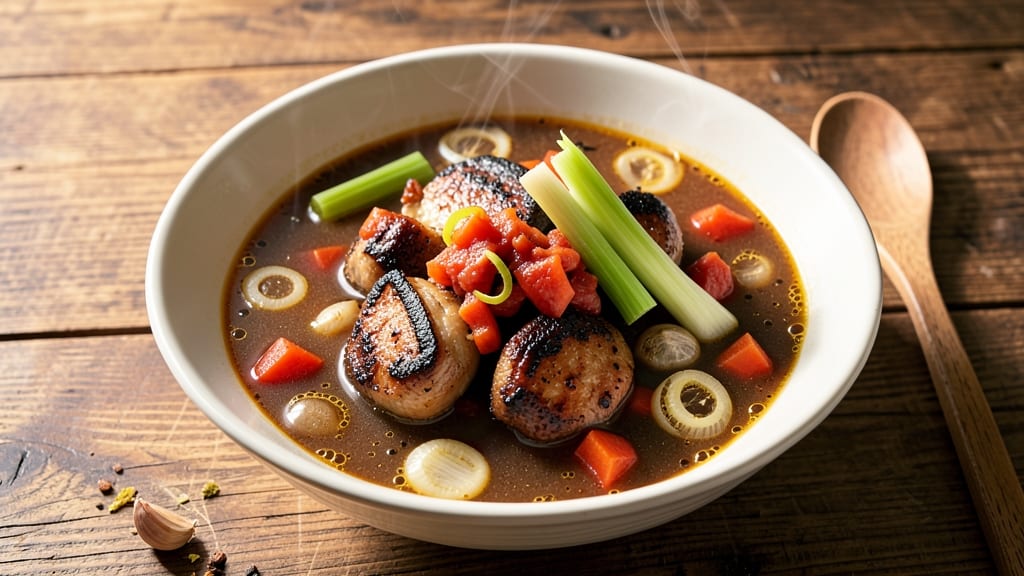
This beef cheek soup recipe transforms tough cuts into velvety richness that defines comfort food at its finest. The secret lies in slow-cooking collagen-rich beef cheeks until they practically dissolve, creating a broth so deep it coats every spoonful.
I've perfected this method over years of testing—each ingredient plays a crucial role in balancing earthy flavors with bright, aromatic notes that linger long after the last bite.
The process begins with a deep caramelization of onions and garlic, building a flavor foundation before adding beef cheeks and vegetables. Unlike quick soups, this requires patience—4 to 6 hours of simmering transforms the meat into melt-in-your-mouth tenderness while developing layers of umami.
The result is a soup where every component—creamy broth, tender vegetables, and shards of beef—works in perfect harmony.
What makes this recipe truly special is its versatility. Serve it as a hearty main course with crusty bread or as a luxurious appetizer with delicate croutons. The rich broth freezes beautifully, making it ideal for meal prep, while the slow-cooked technique ensures restaurant-quality depth without specialized equipment.
This is the kind of soup that turns ordinary weeknights into memorable meals.
For those short on time, a pressure cooker reduces the cooking time significantly while preserving all the rich flavors. The key is never rushing the process—whether you simmer for hours or pressure cook, the result is a bowl of soul-warming perfection that feels like a warm embrace in every spoonful.
Let's create this timeless classic together.
Ingredients for beef cheek soup
Sixteen ingredients, six hours of simmering—this is the alchemy of transforming tough beef cheeks into restaurant-quality velvet broth.
| Ingredient | Amount | Notes |
|---|---|---|
| Beef Cheeks 🥩 | 2 ½ lb | Collagen-rich, trimmed of excess fat |
| Yellow Onions 🧅 | 2 whole | Chopped into even 1/2-inch dice |
| Garlic Cloves 🧄 | 6 cloves | Smashed, not minced for bold flavor |
| Carrots 🥕 | 3 whole | Cut into 1-inch chunks, skin left on |
| Celery Stalks 🌿 | 3 whole | Cut into 1-inch pieces, leaves reserved |
| Tomato Paste 🍅 | ½ cup | High-quality, no sugar added |
| Dry Red Wine 🍷 | 1 cup | Bold Cabernet Sauvignon preferred |
| Beef Broth 💧 | 6 cups | Homemade or high-quality store-bought |
| Bay Leaves 🌿 | 2 whole | Fresh preferred, dried works too |
| Thyme Sprigs 🌿 | 4 whole | Fresh, stems attached for easy removal |
| Black Peppercorns 🌶️ | 1 tbsp | Freshly cracked for maximum aroma |
| Salt 🧂 | 1 ½ tsp | Diamond Crystal kosher preferred |
| Olive Oil 🫒 | ½ cup | Extra-virgin for initial caramelization |
| Fresh Parsley 🌿 | ¼ cup | Chopped, for garnish only |
The beef cheeks are non-negotiable here—this is where the magic happens. Look for collagen-rich cuts at specialty butchers or high-end grocers like Whole Foods or Eataly. The cheeks should be firm with minimal fat marbling. If your local market doesn't carry them, Costco occasionally stocks them in their frozen section. For the aromatics, yellow onions and celery should be fresh with no soft spots—they form the flavor backbone. The tomato paste is crucial for depth; Mutti or San Marzano brands deliver consistent quality without added sugar. Dry red wine should be something you'd drink—Caymus or Apothic work well without overpowering.
No beef cheeks? Pork shoulder or beef shank can substitute, though the texture will differ. Short on red wine? Beef broth with 1 tbsp balsamic vinegar mimics the depth. The fresh herbs (thyme and parsley) can be swapped for dried at one-third the amount, but fresh delivers superior aroma. Olive oil is for caramelization only—don't skimp on quality here. The bay leaves can be removed after 3 hours to prevent bitterness. For a quicker version, pressure cook for 90 minutes instead of simmering, though traditionalists argue the slow method develops more complex flavors. Celery leaves are often overlooked but add subtle bitterness that balances the richness.
This soup improves with time—reheat gently, never boiling, to preserve its velvety texture. Store in airtight containers for up to 5 days in the fridge or 3 months frozen. For serving, crusty baguettes or toasted sourdough are ideal. The broth freezes beautifully; portion into ice cube trays for easy single-serving reheats. Fresh parsley should be added just before serving to maintain vibrant color. If making ahead, omit the parsley until reheating to prevent wilting. The soup's richness pairs well with sharp cheddar or aged Gouda for a sophisticated touch.
Why You'll Love This Recipe
- One-Pot Magic: I swear by this recipe—just toss in the beef cheeks, onions, carrots, and celery, then let the slow simmer do the work. No extra pots, no fuss, and honestly? That first sip after hours of cooking feels like a reward.
- Rich Without Effort: The beef cheeks melt into something so tender it falls apart at a touch, while the garlic and onions caramelize into this deep, savory base. It’s the kind of flavor that makes you forget how little work went into it.
- Weeknight to Weekend: Make a big batch on Sunday, and you’ve got lunch covered all week. My kids beg for it—even when I serve it cold with crusty bread. (Yes, even on a Tuesday night.)
- Budget-Friendly Luxury: Beef cheeks stretch further than any other cut, and the veggies bulk it up beautifully. I’ve fed four people for under $15, and they all left happy. That’s a win in my book.
Step-by-step instructions for beef cheek soup
Transform tough beef cheeks into velvety, rich soup with this slow-cooked technique.
Sear the Beef Cheeks for Deep Flavor
Heat a large Dutch oven over medium-high heat until hot. Add 0.5 cup olive oil and carefully place the 2.5 lb beef cheeks in a single layer. Sear for 4-5 minutes per side until deeply browned and crispy in spots. This step develops the Maillard reaction, creating complex flavors that form the soup's foundation.
Remove the beef cheeks and set aside. If the oil isn't browned enough, repeat the searing process in batches to maximize flavor extraction. The goal is to create a rich, caramelized crust that will dissolve into the broth during cooking.
Build the Aromatic Base
In the same Dutch oven, add 2 whole yellow onions and cook for 8-10 minutes until softened and golden. Add 3 whole carrots and 3 whole celery stalks (with leaves reserved), cooking for another 5 minutes until the vegetables begin to soften.
Add 6 smashed garlic cloves and cook for 30 seconds until fragrant. Stir in 0.5 cup tomato paste and cook for 1 minute to deepen the color. This aromatic base forms the flavor backbone of your soup—don't rush this step as it's where all the magic happens.
Deglaze and Simmer the Broth
Pour in 1 cup dry red wine and scrape up all the browned bits from the bottom of the pot. Let it simmer for 3-4 minutes until the alcohol aroma dissipates. Add 6 cups beef broth, 2 whole bay leaves, 4 whole thyme sprigs, 1 tbsp black peppercorns, and 1.5 tsp salt.
Return the seared beef cheeks to the pot. Bring to a gentle boil, then reduce heat to low and cover partially. Simmer for 3-4 hours until the beef cheeks are fork-tender and falling apart. This slow cooking process transforms the collagen into gelatin, creating that signature velvety texture.
Finish and Garnish
Remove the beef cheeks and strain the broth through a fine-mesh sieve into a clean pot. Discard the solids or save for stock. Return the strained broth to the heat and bring to a gentle simmer. Skim off any excess fat that rises to the surface.
Shred the beef cheeks using two forks and return them to the broth. Stir in the reserved celery leaves and simmer for 5 minutes to infuse additional flavor. Ladle into bowls and garnish with 0.25 cup chopped fresh parsley. Serve immediately with crusty bread to soak up every rich drop.
Pro Tips For Making Beef Cheek Soup
- Sear the Cheeks First: I learned this the hard way—skipping the sear means flavorless broth. Pat the beef cheeks very dry, then hit them with high heat in a pot until deep brown all over (about 5 minutes per side). That crust locks in juices and builds the soup’s depth. Don’t rush it; your spoonfuls of broth will taste like the difference between a meal and a memory.
- Trim Fat Like a Pro: Beef cheeks come fatty, and too much renders into grease that clouds your soup. Use kitchen shears to snip away the thickest fat deposits before browning—aim for about ¼-inch thickness left. Save the trimmed fat for another use (like roasting potatoes), but don’t skimp on trimming. Clear broth starts with less fat, not more.
- Simmer Low and Slow: After the initial sear, add onions, garlic, carrots, and celery, then cover with liquid. The real magic happens at a gentle simmer—barely bubbles, like a lazy Sunday morning. Too much heat? The cheeks toughen. Too little? You’re waiting forever. I use a timer for 2.5 hours, then check for fork-tender meat. Patience here separates good soup from great.
- Deglaze Aggressively: That browned crust on the pot? That’s flavor gold. After removing the beef cheeks, pour in 1 cup of liquid (broth, wine, or even water) and scrape every bit of stuck-on bits with a wooden spoon. Let it bubble for 30 seconds before adding the rest. I used to skip this, and the soup always tasted flat. Sounds weird, but it works—trust the scrape.
Creative variations of this dish
Pressure Cooker Adaptation
For those short on time, a 6-quart Instant Pot transforms this soup into a 90-minute masterpiece. Sear the beef cheeks as directed, then add all ingredients except parsley. Seal the lid and cook on high pressure for 90 minutes, followed by a 10-minute natural release.
The pressure cooker preserves all the rich flavors while cutting hours off the process. Just remember—the slow simmer develops deeper complexity, but this method delivers exceptional results in a fraction of the time. 💫
Vegetarian Twist
Swap beef cheeks for 2.5 lbs extra-firm tofu or portobello mushrooms for a meaty texture. Marinate the tofu in 1 tbsp soy sauce, 1 tbsp smoked paprika, and 1 tbsp olive oil for 30 minutes before cooking.
Use vegetable broth instead of beef broth and add 1 tbsp miso paste for umami depth. The soup still develops a velvety texture, though the collagen-rich richness will differ slightly. Garnish with toasted sesame seeds for a satisfying finish.
Global Inspirations
For a French bistro touch, add 1 cup pearl onions and 1 sprig tarragon to the base. Deglaze with white wine instead of red and finish with a splash of crème fraîche. In Spanish style, include roasted red peppers and smoked paprika for a smoky depth.
For Asian flair, stir in 1 tbsp ginger, 1 tbsp fish sauce, and 1 cup coconut milk at the end. Each variation keeps the soup's hearty essence while adding cultural flair. 🌍
Spicy Kick
Add 1 tbsp gochujang or 2 tbsp harissa paste when deglazing with wine for a Korean-inspired heat. For Mexican spice, stir in 1 tbsp chipotle powder and 1 diced chipotle pepper with the tomato paste.
Balance the heat with a sour cream swirl or lime zest before serving. The richness of the broth pairs beautifully with bold spices, making this a crowd-pleaser for heat lovers. 🌶️
Lightened-Up Version
Reduce the beef cheeks to 1 lb and add 1 can (15 oz) white beans for plant-based protein and creaminess. Use low-sodium broth and skip the extra salt. Top with avocado slices and lime wedges for a Mexican-inspired twist.
This version is lighter but still packed with flavor, perfect for those watching their fat intake without sacrificing depth. 🥑
Holiday Elevation
Transform this soup into a festive centerpiece by adding 1 cup cooked farro or wild rice for heartiness. Stir in 1 cup cranberry sauce and ½ cup chopped pecans for a Thanksgiving-worthy touch.
Garnish with fresh rosemary sprigs and a drizzle of truffle oil for an elegant finish. The rich broth and festive toppings make this a showstopper for holiday gatherings. ✨
Nutrition facts
Frequently asked questions
Why does beef cheek soup taste so rich?
The secret lies in the collagen-rich beef cheeks that slowly break down during cooking, releasing gelatin that thickens the broth into a velvety texture. The 4-6 hour simmer transforms tough connective tissue into natural umami depth, while the red wine and tomato paste add layers of complexity. This combination creates a soup where every spoonful feels luxurious and satisfying.
Can I substitute beef cheeks with another cut?
Yes! Beef shank or pork shoulder work well, though the texture will differ slightly. For best results, choose cuts with good collagen content. If using pork, reduce cooking time to 3 hours as it tenderizes faster. The key is maintaining the long simmer to develop that signature rich broth.
How do I make this soup in a slow cooker?
Follow the same searing and base-building steps, then transfer everything to a 6-quart slow cooker. Cook on low for 8 hours or high for 5 hours. The slow cooker's gentle heat mimics the Dutch oven's even cooking, ensuring tender meat and flavorful broth without monitoring. Perfect for hands-off cooking!
What's the best way to store leftovers?
Let the soup cool completely, then transfer to airtight containers. It keeps in the fridge for 5 days or freezes beautifully for 3 months. For reheating, warm gently on the stove over low heat—never boil—to preserve the velvety texture. The broth freezes exceptionally well, making it ideal for meal prep.
Can I make this soup without wine?
Replace the wine with 1 cup beef broth plus 1 tbsp balsamic vinegar for depth. Alternatively, use 1 cup apple cider for a subtle sweetness that complements the richness. The tomato paste and herbs will still provide plenty of flavor—just adjust seasoning to taste.