
Soups & Stews
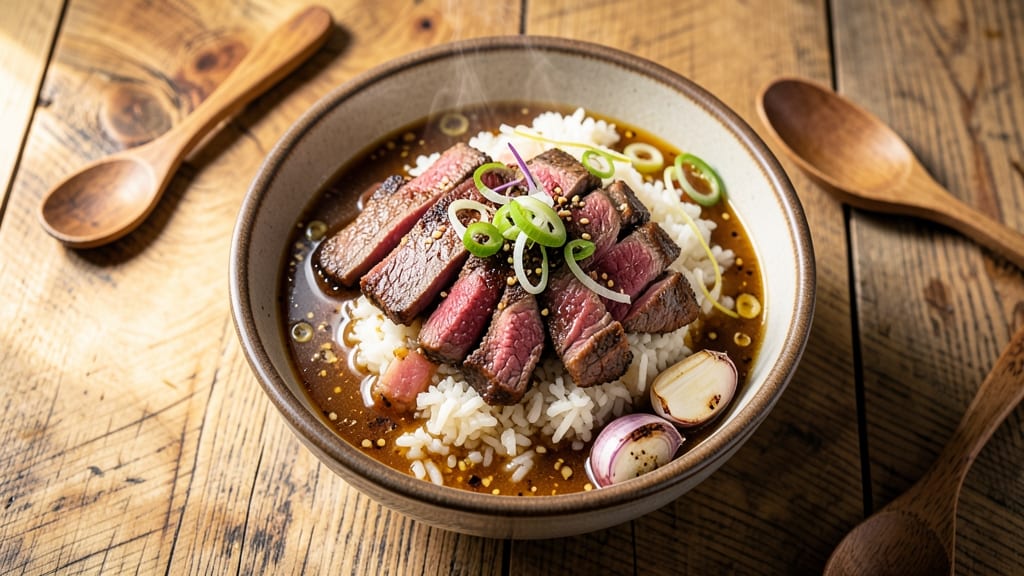
This beef bulgogi soup recipe transforms tender beef ribbons into a fragrant, sweet-savory masterpiece that captures Korea’s soul in every spoonful.
The secret lies in marinating the beef for hours—allowing the sugar, soy, and garlic to caramelize into sticky, aromatic strands—while building a clear, umami-rich broth that balances heat and depth. Unlike traditional bulgogi, this soup version keeps the signature sweet-spicy profile but wraps it in a comforting, broth-based embrace.
The process begins with thinly sliced beef that cooks quickly in the broth, absorbing flavors without overpowering them. Aromatic vegetables like onions, garlic, and ginger form the broth’s foundation, while gochugaru (Korean chili flakes) add subtle heat.
The result? A harmonious blend where the beef’s caramelized sweetness dances with the broth’s savory notes, creating a dish that’s both hearty and refined.
What makes this recipe special is its versatility—serve it as a standalone meal over steamed rice or pair it with kimchi and quick-pickled vegetables for a full Korean feast. The broth reduces to perfect consistency, coating every bite with rich, layered flavors that linger.
Whether you’re recreating a homey Korean meal or introducing bulgogi to new palates, this soup delivers restaurant-quality depth with minimal fuss.
Ready in about 1 hour (including marinating), this recipe is designed for weeknight dinners but feels like a celebration. The key is patience—letting the beef marinate and the broth develop—so the final result is a symphony of textures and tastes. Let’s bring this comforting, flavorful soup to your table.
Ingredients for beef bulgogi soup
Sweet, savory, and umami-rich ingredients that transform simple beef into fragrant bulgogi soup.
| Ingredient | Amount | Notes |
|---|---|---|
| Ribeye Steak 🥩 | 1 ½ lb | Thinly sliced against grain |
| Soy Sauce 🍶 | ½ cup | Korean-style preferred |
| Brown Sugar 🍯 | ¼ cup | Light or dark variety |
| Rice Wine Vinegar 🍶 | ¼ cup | Or sub apple cider vinegar |
| Sesame Oil 🫒 | 1 tbsp | Toasted sesame oil preferred |
| Garlic Cloves 🧄 | 6 cloves | Minced finely |
| Fresh Ginger 🌿 | 2 tbsp | Grated finely |
| Gochugaru 🌶️ | 1 tbsp | Korean chili flakes |
| Onions 🧅 | 1 whole | Yellow, sliced thin |
| Green Onions 🧅 | ¼ cup | Sliced for garnish |
| Beef Broth 💧 | 4 cups | Homemade or high-quality |
| Water 💧 | 2 cups | For broth dilution |
| Salt 🧂 | 1 ½ tsp | Adjust to taste |
| Black Pepper 🌶️ | ½ tsp | Freshly ground |
| Sesame Seeds 🌾 | 1 tbsp | Toasted for garnish |
The ribeye steak is critical here—its marbling ensures tender, flavorful slices. Ask your butcher to cut it thinly against the grain (about 1/8-inch thick) for that signature bulgogi texture. For soy sauce, Korean brands like Gochujang or Doenjang add depth, but any high-quality soy will work. Brown sugar should be light for subtle sweetness; dark varieties add molasses notes that pair well too. Penzeys Spices carries excellent sesame oil—look for toasted varieties for maximum aroma. Fresh ginger and garlic are non-negotiable; frozen works in a pinch but lacks brightness.
No Korean chili flakes (gochugaru)? Substitute with a mix of cayenne and paprika at half the amount. For vinegar, apple cider or white wine vinegar both work, though rice wine adds authenticity. The beef broth can be homemade or store-bought—Kettle & Fire or Pacific Foods brands deliver restaurant-quality results. Thinly sliced onions caramelize beautifully in the broth, so don't skip this step. For a quicker version, pre-sliced onions from the produce section save time without sacrificing flavor. The sesame seeds should be toasted in a dry pan for 30 seconds before garnishing—this releases their nutty aroma instantly.
Marinated beef keeps for 24 hours in the fridge—the longer it sits, the deeper the flavors develop. The finished soup reheats beautifully; simmer gently for 5-10 minutes to restore its velvety texture. For meal prep, portion into glass containers and store for up to 4 days. Freeze broth separately for 3 months—it reheats like a dream. Garnish with green onions and sesame seeds just before serving to keep the presentation vibrant. Leftovers make an excellent rice bowl base the next day.
Why You'll Love This Recipe
- Here’s what sold me: that perfect balance of sticky-sweet brown sugar and sharp rice wine vinegar cutting through the richness. The sesame oil finishes it with a nutty warmth that makes every spoonful irresistible. Honestly, the first time I tasted it, I immediately texted my mom—"You HAVE to try this."
- I’ll be real: ribeye isn’t cheap, but this recipe stretches it like crazy. A single steak feeds four, and the pantry staples (soy, sugar, vinegar) cost pennies. Plus, the leftovers turn into quick stir-fries or fried rice—no waste, all flavor. It’s the kind of dish that makes you feel fancy without breaking the bank.
Step-by-step instructions for beef bulgogi soup
This method transforms ribeye into tender, caramelized strips while building a rich, umami-packed broth.
👨🍳 Step 1: Marinate the Ribeye for Maximum Flavor
Place the 1.5 lb ribeye steak on a cutting board and slice it thinly against the grain into ¼-inch thick strips. The goal is to create long, delicate ribbons that cook quickly in the broth. Transfer the sliced steak to a bowl and set aside.
In a separate bowl, whisk together the 0.5 cup soy sauce, 0.25 cup brown sugar, 0.25 cup rice wine vinegar, 1 tbsp sesame oil, 6 minced garlic cloves, 2 tbsp finely grated ginger, 1 tbsp gochugaru, 1.5 tsp salt, and 0.5 tsp black pepper. Pour this marinade over the steak strips, ensuring they're fully coated. Cover and refrigerate for at least 4 hours (overnight is ideal). This marinating time is critical—it tenderizes the beef and infuses it with deep, complex flavors that will carry through the soup.
🍳 Step 2: Sauté Aromatics for Layered Depth
Heat a large Dutch oven or heavy pot over medium-high heat. Add the 1 whole yellow onion, sliced thin, and cook for 4-5 minutes until softened and just beginning to caramelize. Remove the onions with a slotted spoon and set aside—you'll return them later.
In the same pot, add 1 tbsp sesame oil and swirl to coat the bottom. Add the marinated steak strips in a single layer and cook undisturbed for 2-3 minutes until they develop a deep golden-brown crust. Stir and cook for another 1-2 minutes until the beef is nearly cooked through but still slightly pink in the center. Remove the beef with a slotted spoon and set aside with the onions.
🥘 Step 3: Build the Fragrant Broth Base
Pour in 4 cups beef broth and 2 cups water, scraping up any browned bits from the bottom of the pot with a wooden spoon. This step is essential—those caramelized bits contain concentrated flavor that will infuse the broth. Bring the liquid to a gentle simmer over medium heat and let it cook uncovered for 10 minutes to allow the flavors to meld.
Return the beef strips and onions to the pot. Stir in the 0.25 cup sliced green onions, reserving a few slices for garnish. Add the reserved 1 tbsp sesame seeds and simmer gently for 15-20 minutes until the beef is fork-tender and the broth has thickened slightly. The soup should be rich and fragrant, with a balance of sweet, savory, and slightly tangy notes. Taste and adjust seasoning with additional salt or gochugaru if needed.
⏰ Step 4: Finish and Serve with Precision
Once the beef is tender and the broth has reached your desired consistency, remove the pot from heat. Let the soup rest for 5 minutes to allow the flavors to settle. This resting period ensures the broth fully absorbs the beef's juices, creating a more cohesive and flavorful dish.
Ladle the soup into bowls, garnishing each serving with the reserved green onion slices and a sprinkle of sesame seeds. Serve immediately while the beef is still warm and the broth maintains its silky texture. The soup should be vibrant with deep red hues from the beef and subtle warmth from the gochugaru, offering a perfect balance of sweet, savory, and umami flavors in every spoonful.
Pro Tips For Making Beef Bulgogi Soup
- Sear the Steak First: The soup’s depth starts with the meat—cut your ribeye into ½-inch slices, pat them bone-dry, and sear them in a screaming-hot pan with a splash of sesame oil for 30 seconds per side before adding liquid. I learned this the hard way: skipping the sear leaves the broth tasting flat, like you forgot the star of the show.
- Marinate with Heat: Brown sugar and soy sauce need time to work their magic, but don’t let the ribeye sit in the fridge for days—24 hours max, or the meat turns mushy. Toss the sliced steak with the marinade (soy, sugar, vinegar) and let it sit at room temp for at least 4 hours in the fridge. The sugar caramelizes better when it’s not freezing cold, and the meat absorbs flavor faster.
- Balance the Vinegar: Rice wine vinegar cuts the richness, but too much turns your soup into a tangy disappointment. Start with 1 tablespoon per pound of beef, taste as you go, and add just enough to brighten—not dominate. I was skeptical until I tried it: the acidity makes the sweetness pop without overpowering the beef’s depth.
- Simmer Low and Slow: After searing, add the marinated beef to the broth and resist the urge to boil. A gentle simmer (just bubbles breaking the surface) keeps the meat tender and the flavors melding. I used to rush it, and the result was tough, flavorless strips. Trust the process—30 minutes is enough, but don’t walk away.
Wine and beer pairings for these flavors
Korean Rice Wine
For an authentic pairing, reach for a bottle of Korean rice wine (makgeolli)—its slightly sweet, fermented profile mirrors the soup’s caramelized sweetness while adding a creamy texture.
Serve it chilled in small cups alongside the meal. I love Hwacheon Makgeolli for its traditional taste, but Jinro Makgeolli offers a smoother, more modern option. 🍶
Light Red Wine
A crisp Gewürztraminer or Pinot Noir from Korea’s neighboring regions balances the dish’s richness. The Gewürztraminer’s floral notes complement the sesame and ginger, while a Gamay from France adds a juicy acidity that cuts through the beef’s sweetness. Avoid heavy reds like Cabernet—they’ll clash with the broth’s delicate flavors.
Craft Beer Options
For beer lovers, a Korean hoppy IPA like Cass IPA from Cass Beer Co. stands up to the bold flavors without overpowering them. Alternatively, a Belgian witbier (like Stella Artois Wit) brings citrusy brightness that refreshes your palate between spoonfuls.
Skip the stouts—they’re too heavy for this light, fragrant soup.
Non-Alcoholic Pairings
For a refreshing non-alcoholic match, try sparkling yuja (citron) tea—its citrusy tang echoes the rice wine vinegar in the marinade. Alternatively, a cucumber-mint infused water with a squeeze of lime adds a cooling contrast to the warm, spicy broth.
I often serve this with green tea for a classic Korean touch.
Finishing Touches
Garnish your soup with extra sesame seeds and a drizzle of toasted sesame oil right before serving to enhance aroma. For beer drinkers, pour their beverage into chilled Korean glassware (like makgeolli cups) to elevate the experience.
The key is harmony—each pairing should complement, not compete with, the soup’s sweet-savory-spicy balance. ✨
Nutrition facts
Frequently asked questions
Can I use a different cut of beef for this soup?
While ribeye is ideal for its marbling and tenderness, you can substitute with sirloin or flank steak—just slice them extra thin against the grain. Avoid tougher cuts like chuck; they won't tenderize enough in the broth. For budget-friendly options, top round works if marinated for 6-8 hours instead of 4.
How do I adjust the spice level for picky eaters?
Start by reducing the gochugaru to ½ tbsp and omit the chili flakes entirely if needed. For mild heat, add ½ tsp sugar to balance—it mellows the spice without overpowering. Always taste the broth before adding the beef, so you can adjust flavors at the end if necessary.
Can I make this soup in an Instant Pot?
Yes! Marinate the beef as directed, then sauté the onions and beef in the Instant Pot on Sauté mode for 3 minutes. Add broth and water, seal, and cook on High Pressure for 10 minutes. Quick-release the pressure, then simmer for 5 minutes to thicken. The broth may be thinner than stovetop, so reduce it uncovered afterward.
Why did my broth turn cloudy?
Cloudy broth often means the broth didn't simmer long enough to clarify. For a clearer soup, skim off any foam during the initial simmer and let it cook uncovered for 15-20 minutes to allow impurities to rise. If using store-bought broth, opt for low-sodium versions—they're less likely to cause cloudiness.
What can I serve with this soup?
Pair it with steamed white rice to soak up the flavorful broth, or serve with kimchi for tangy contrast. For a complete meal, add quick-pickled cucumbers or steamed bok choy. The soup also works beautifully with garlic toast or mandu (Korean dumplings) for a heartier spread.