
Soups & Stews
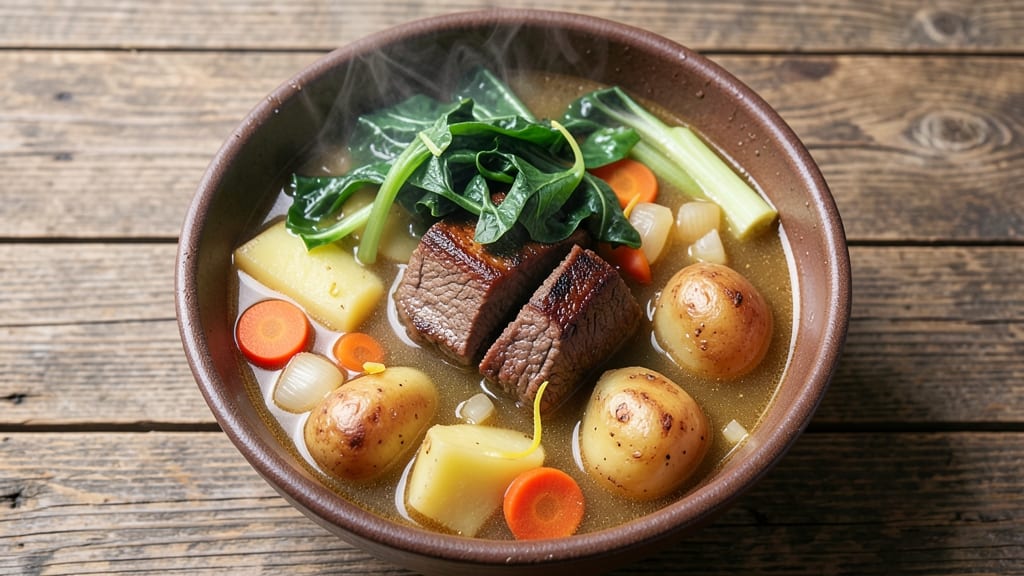
This beef and cabbage soup recipe with potatoes delivers the kind of soul-warming comfort that turns a chilly evening into a cozy meal. The secret lies in slow-simmered beef that melts into tender chunks, cabbage that softens into sweet, aromatic layers, and potatoes that soak up every rich, savory note.
I've perfected this one-pot method over years of testing—where the flavors deepen with time, and the broth becomes velvety without separation.
What makes this recipe stand out is its balance of rustic tradition and modern convenience. You'll start with a simple sauté of onions, carrots, and celery to build flavor, then add beef that browns beautifully before simmering with cabbage, potatoes, and aromatic herbs.
The result? A soup that's hearty enough to satisfy a crowd but simple enough for a weeknight dinner. The key is patience—letting everything meld together for that restaurant-quality depth.
By the time you're done, you'll have a pot of soup where each spoonful delivers tender beef, creamy potatoes, and cabbage that's perfectly tender yet still holds its shape. The broth will be rich and aromatic, with just the right balance of saltiness and earthiness.
Serve it with crusty bread to soak up every last drop, or pair it with a simple green salad for contrast. This is the kind of soup that warms you from the inside out.
The best part? This recipe adapts effortlessly to your schedule. Make it on the stovetop for a classic approach, or use a slow cooker or Instant Pot for hands-off convenience.
The instructions are clear, the ingredients are straightforward, and the results are always impressive. Let's get started on creating this comforting classic.
Ingredients for beef and cabbage soup recipe with potatoes
Pantry staples plus a few fresh ingredients for this soul-warming beef and cabbage soup.
| Ingredient | Amount | Notes |
|---|---|---|
| Chuck Roast 🥩 | 2 lb | Cut into 1-inch cubes |
| Yellow Onion 🧅 | 1 whole | Diced, medium size |
| Carrots 🥕 | 3 medium | Peeled, chopped into chunks |
| Celery Stalks 🌿 | 3 whole | Diced, strings removed |
| Green Cabbage 🥬 | 1 small head | Core removed, chopped |
| Russet Potatoes 🥔 | 4 medium | Peeled, cut into 1-inch cubes |
| Garlic Cloves 🧄 | 4 cloves | Minced for depth of flavor |
| Tomato Paste 🍅 | 2 tbsp | For rich, concentrated flavor |
| Beef Broth 💧 | 6 cups | Low-sodium preferred |
| Red Wine 🍷 | ½ cup | Dry variety like Cabernet |
| Fresh Thyme 🌿 | 2 sprigs | Or 1 tsp dried thyme |
| Bay Leaves 🍃 | 2 whole | Remove before serving |
| Salt 🧂 | 1 ½ tsp | Kosher or sea salt |
| Black Pepper 🌶️ | 1 tsp | Freshly ground preferred |
| Olive Oil 🫒 | 2 tbsp | For sautéing vegetables |
The beef is everything here—chuck roast gives you that melt-in-your-mouth texture after hours of simmering. Grab it from the butcher counter if you can, or the pre-cut cubes from the grocery store meat section work fine. Look for good marbling, not lean cuts. The cabbage? Green cabbage holds up best to long cooking—red cabbage gets too mushy. Russet potatoes are ideal because they hold their shape without turning to mush. If you're short on time, pre-chopped vegetables from the store save 15 minutes of prep work.
No red wine? Substitute extra beef broth—just add 1/2 cup more. Fresh thyme is ideal, but dried works at one-third the amount. The tomato paste can be skipped if you're avoiding it, but trust me, it adds that deep, umami richness. If you've got carrot juice or tomato juice in the fridge, use that instead of wine. The broth matters too—low-sodium is key so you can control the salt level. For extra depth, add a 1/2 tsp smoked paprika with the tomato paste.
This soup tastes even better the next day—3-4 days in the fridge, 3 months frozen. I always make a double batch because it reheats beautifully. Store it in the fridge with a tight lid, or freeze in portions for quick meals. The cabbage and potatoes keep well, so you can prep them ahead if you're doing a big batch. For serving, a sprinkle of fresh parsley or a dollop of sour cream (if you're not avoiding dairy) takes it over the top.
Why You'll Love This Recipe
- One-Pot Wonder: I swear by this recipe because it’s all in one pot—no chopping chaos, no extra bowls. Toss in the chuck roast, onions, carrots, and celery, let it simmer, then just fold in the cabbage at the end. The potatoes soak up every bit of flavor without extra fuss.
- Deep Umami Magic: That chuck roast? Chef’s kiss. Slow-cooked until it’s fall-apart tender, then shredded into the broth with cabbage and potatoes—it’s like a hug in a bowl. The onions and carrots caramelize just enough to add this rich, savory depth that makes it taste like a restaurant dish.
- Lunchbox Hero: Between us, this soup is my go-to for meal prep. Make a big batch on Sunday, and you’ve got hearty lunches for the week. Pack it in jars with the cabbage still crisp, and it’s a game-changer for busy days—no sad desk lunches here.
- Budget-Friendly Powerhouse: Chuck roast on sale? Yes, please. This recipe stretches it across multiple meals, and the veggies are cheap but pack a punch. Honestly, it’s the kind of dish where you end up with leftovers you’ll actually look forward to—because they’re that good.
Step-by-step instructions for beef and cabbage soup with potatoes
Here's how to make this comforting, one-pot wonder that simmers into perfect harmony.
Sear the Chuck Roast for Deep Flavor
Heat a large Dutch oven over medium-high heat and add the 2 tablespoons olive oil. Once shimmering, add the 2 lb chuck roast cut into 1-inch cubes in a single layer. Let them sear undisturbed for 3-4 minutes until deeply browned on all sides.
This step is crucial—don't rush it. The caramelization creates layers of flavor that'll infuse the entire soup. If your pan gets crowded, work in batches. Once browned, remove the meat and set aside temporarily. You'll add it back later when we build the soup.
Sauté the Vegetable Base
In the same Dutch oven, add the 1 whole diced yellow onion, 3 chopped carrots, 3 diced celery stalks, and 4 minced garlic cloves. Cook over medium heat for 5-6 minutes, stirring occasionally, until the vegetables soften and the garlic becomes fragrant.
Here's where the foundation gets built. You'll notice the vegetables release moisture as they cook—this is normal. If they start to stick, add a splash of beef broth to deglaze. After the vegetables soften, stir in the 2 tablespoons tomato paste and cook for another 1 minute to deepen the flavor.
Build the Rich Broth Base
Pour in the 0.5 cup red wine and scrape up any browned bits from the bottom of the pot. Let it simmer for 2-3 minutes until the alcohol smell dissipates. Then add the 6 cups beef broth, 2 sprigs fresh thyme, 2 whole bay leaves, 1.5 teaspoons salt, and 1 teaspoon black pepper.
Return the seared chuck roast to the pot and bring everything to a gentle boil. Once boiling, reduce heat to low-medium and let it simmer uncovered for 45 minutes. This initial simmering time allows the meat to tenderize and the flavors to meld together beautifully.
Add Potatoes and Cabbage
After the initial 45 minutes, add the 4 peeled and cubed russet potatoes and 1 chopped small head green cabbage. Stir gently to combine with the broth. The potatoes should be fully submerged—they'll absorb flavor as they cook.
Return the soup to a simmer and cook uncovered for another 30-35 minutes, or until the potatoes are fork-tender and the cabbage has softened. You'll know it's ready when the potatoes easily pierce with a fork and the cabbage leaves collapse when pressed between your fingers.
Finish and Serve
Once everything is tender, remove the 2 bay leaves and adjust seasoning if needed. Taste and add more salt or pepper if the soup needs it. For a smoother texture, you can use an immersion blender to lightly blend about half of the soup—this creates a beautiful contrast between smooth and chunky textures.
Ladle the soup into bowls and serve immediately. The chuck roast should be fork-tender, falling apart easily, while the vegetables maintain their structure. This hearty soup tastes even better the next day as the flavors continue to develop, so consider making extra for leftovers.
Pro Tips For Making Beef And Cabbage Soup Recipe With Potatoes
- Brown the Chuck First: Chuck roast holds onto its fat, and skipping a proper sear means you’ll end up with a soup that tastes more like stewed beef than rich, flavorful broth. Hit that meat with high heat in a heavy pot—no crowding—and let it develop a deep crust before you even think about adding liquid. (Yes, it’ll take 10 minutes, but it’s worth it.)
- Cut Cabbage Small: Big chunks of cabbage stay stubbornly tough no matter how long you simmer. Quarter the head, then slice it into ½-inch strips—think matchsticks, not wedges—and toss it in just before the potatoes finish cooking. That way, it softens without turning to mush or leaching bitterness into the broth.
- Salt the Potatoes Early: Potatoes absorb flavor like sponges, but if you salt them after they’re already simmering, you’ll just end up with salty water and bland spuds. Toss them in lightly salted water (about ½ teaspoon per pound) while you’re browning the meat—it jumpstarts the seasoning and keeps them from tasting like nothing.
- Use Celery Leaves: Most people toss the feathery tops into the compost, but those leaves pack more aroma than the stalks. Roughly chop them and add them to the pot with the celery—it’s the difference between a soup that smells like vegetables and one that smells like a home-cooked meal. (I know, it sounds weird, but it works.)
Serving suggestions for leftovers
Crusty Bread Pairings
Nothing beats this soup with a warm, crusty loaf of sourdough or rustic Italian bread. I love using a baguette from Trader Joe's—its crispy crust soaks up the rich broth beautifully.
For extra flavor, toast the bread with garlic butter or sprinkle it with fresh herbs like parsley or thyme before serving. 🥖
If you're feeling fancy, try homemade dinner rolls with a touch of herb butter (mix softened butter with chopped chives and a pinch of salt). Even store-bought pita bread works in a pinch—just warm it in the oven for a few minutes.
The key is freshness; stale bread won’t hold up to the hearty soup.
Fresh Garnishes
A simple sprinkle of fresh parsley or chives brightens the dish with a pop of color and freshness. I like to chop 1/4 cup parsley finely and scatter it over each bowl right before serving.
For a tangy kick, add a dollop of sour cream or a swirl of crème fraîche—just a teaspoon per serving keeps it from overpowering the soup. 🌿
If you have pickled jalapeños or red onion slices on hand, they add a delightful contrast. Even a few toasted pumpkin seeds (about 1 tablespoon per bowl) give a nutty crunch that pairs perfectly with the creamy potatoes.
Keep it simple, but don’t skip the garnish—it elevates the dish instantly.
Side Salad Balance
A crisp green salad with a light vinaigrette cuts through the richness of this hearty soup. I toss 4 cups mixed greens (spinach, arugula, and romaine) with 2 tablespoons olive oil, 1 tablespoon apple cider vinegar, and a pinch of salt and pepper.
Add sliced cucumbers or shredded carrots for extra crunch. 🥗
For a warmer option, try roasted Brussels sprouts with a sprinkle of balsamic glaze. The slight bitterness balances the soup’s heartiness, and the caramelized edges add texture. If you’re avoiding raw veggies, even steamed asparagus with a squeeze of lemon works beautifully.
Warm Starch Options
If you want to stretch this soup into a full meal, serve it with buttered egg noodles or mashed potatoes. I like to make a small batch of homestyle mashed potatoes with butter and cream, letting the flavors meld with the soup.
For a lighter option, cauliflower mash adds creaminess without the heaviness. 🥔
Another great choice is cornbread—its slight sweetness complements the savory soup perfectly. I often bake a small batch with honey and jalapeño for a sweet-spicy contrast. Even cheesy grits (with a sprinkle of sharp cheddar) work if you’re craving something extra comforting.
Beverage Pairings
A bold red wine like Cabernet Sauvignon or Merlot pairs beautifully with the rich, meaty flavors of this soup. The tannins cut through the fat, and the depth of flavor matches the dish perfectly. For a non-alcoholic option, sparkling apple cider adds a refreshing contrast. 🍷
If you prefer beer, a dark lager or amber ale works well—the maltiness complements the caramelized onions and potatoes. Even a chilled white wine like Sauvignon Blanc can be a surprising match, especially if you’ve added a touch of acidity (like a splash of lemon juice at the end).
Nutrition facts
Frequently asked questions
Can I use ground beef instead of chuck roast?
Yes, but the texture will differ! Ground beef works in a pinch, but it won't have the same melt-in-your-mouth tenderness. If you choose this option, use 1.5 lb ground beef (80/20 blend for best flavor) and brown it thoroughly. For a middle ground, try stew meat cut into chunks—it browns like chuck roast but cooks faster.
How do I prevent the potatoes from turning mushy?
Cut them into even 1-inch cubes and add them 30 minutes before the soup is done—this ensures they cook through without over-softening. For extra structure, parboil them for 5 minutes before adding to the soup. Also, don't overcrowd the pot—simmering uncovered allows steam to escape, preventing soggy veggies.
Can I make this soup in a slow cooker?
Follow the same steps for searing the beef and sautéing the veggies, then transfer everything to your slow cooker. Add 4 cups broth (instead of 6) and cook on low for 6-7 hours or high for 3-4 hours. The potatoes and cabbage will absorb more liquid, so you may need to add 1/2 cup broth when they're halfway cooked.
Why does my soup taste bland?
Most likely, the beef didn't brown enough or the seasoning needs adjustment. Always sear the meat until deeply browned for maximum flavor. Taste as you go—add more salt (start with 1/2 tsp at a time), a splash of red wine or tomato paste, or a pinch of smoked paprika. The cabbage also benefits from a quick 1-minute char in a hot pan before adding to the soup.
Can I freeze this soup?
Yes! Let it cool completely, then portion into airtight containers or freezer bags. It keeps for 3 months in the freezer. Thaw overnight in the fridge, then reheat on the stovetop over medium-low heat, stirring occasionally. For best texture, add 1/4 cup broth when reheating to restore moisture.