
Soups & Stews
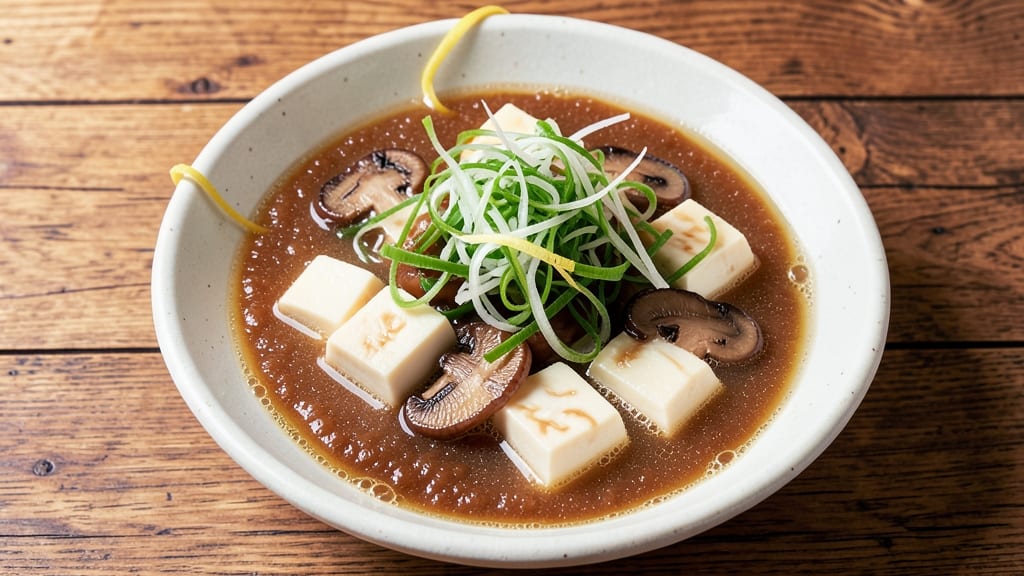
This bean paste soup recipe delivers the kind of deep, savory richness that transforms ordinary broth into something extraordinary. The secret lies in fermented bean pastes like miso or douchi, which dissolve into the simmering liquid to create layers of umami that linger long after the last spoonful.
I first discovered this technique while traveling in Japan, where every bowl seemed to carry the soul of its maker—now you can bring that same depth to your kitchen with just a few simple ingredients and patience.
The beauty of this recipe is in its balance: a silky, velvety broth that cradles tender vegetables and protein without overwhelming them. We'll build the soup from scratch, starting with a base of aromatic vegetables and a carefully chosen bean paste to develop that signature umami complexity.
Unlike instant miso soups, this version requires just 30 minutes of active time but rewards you with a flavor profile that's miles beyond anything store-bought.
What you'll end up with is a bowl of soup that's both comforting and sophisticated—steaming with aromatic broth, dotted with silky bean paste ribbons, and packed with tender ingredients that melt in your mouth.
The key is letting the flavors meld during simmering, creating a harmony where each component enhances the others without competing. This is the kind of soup that disappears quickly, leaving everyone asking for seconds.
Perfect for chilly evenings or as a light yet satisfying lunch, this bean paste soup adapts beautifully to your preferences. Add tofu for plant-based protein, chicken for heartiness, or keep it vegetarian with mushrooms and seaweed.
The broth freezes well too, so you can make a big batch and enjoy it all week. Let's get started on creating your umami-rich masterpiece.
Ingredients for bean paste soup
Fermented bean pastes and aromatic vegetables create this umami-rich masterpiece with silky ribbons of flavor.
| Ingredient | Amount | Notes |
|---|---|---|
| White Miso Paste 🧈 | ½ cup | High-quality, preferably organic |
| Dashi Stock 🍜 | 4 cups | Homemade or quality store-bought |
| Silken Tofu 🍲 | 1 block | Cut into 1-inch cubes |
| Shiitake Mushrooms 🍄 | 8 whole | Stems removed, sliced |
| Green Onions 🧅 | 4 whole | White and green parts separated |
| Fresh Ginger Root 🧄 | 1 inch | Fixed: Peel and slice thinly |
| Garlic Cloves 🧄 | 4 cloves | Minced for depth of flavor |
| Sesame Oil 🫒 | 1 tbsp | For aromatic finish |
| Dried Shiitake Mushrooms 🍄 | 2 pieces | Rehydrated for extra umami |
| Kombu Seaweed 🌿 | 1 sheet | For broth enhancement |
| Rice Vinegar 🍶 | 1 tbsp | Balances richness |
| Soy Sauce 🧂 | 1 tbsp | For saltiness |
| Toasted Sesame Seeds 🌰 | 1 tsp | For garnish |
| Water 💧 | 4 cups | For broth base |
The miso paste is non-negotiable here—look for organic white miso from Marukome or Hodo at Asian markets or well-stocked grocery stores. The kombu sheet adds depth to your broth, so grab the largest one you can find. For the ginger, fresh is best—it should smell bright and zesty, not musty. If you can't find kombu, dried shiitake mushrooms work too, but the seaweed gives that authentic oceanic note. The sesame oil you'll use at the end? Toast it gently—don't burn it, just warm it until fragrant. And trust me, the silken tofu is worth the extra trip to the Asian aisle—it dissolves into the broth beautifully.
No white miso? Red miso at half the amount gives a deeper, earthier flavor. Short on kombu? Dried bonito flakes work in a pinch, but skip if you're vegetarian. Fresh ginger too fibrous? Ground ginger at one-third the amount saves time. The shiitake mushrooms can be baby bella if that's what's available—they're milder but still delicious. For the broth, if you don't have dashi stock, vegetable broth plus a dash of soy sauce gets you close. And if you're feeling adventurous, swap the rice vinegar for a splash of mirin—it adds sweetness that balances the umami perfectly.
This soup tastes even better the next day as the flavors meld. Store it in the fridge for up to 5 days, or freeze portions for 3 months. I always make a double batch—one for dinner, one for lunch the next day. The tofu and mushrooms keep their texture well when reheated gently. For serving, keep the sesame oil and seeds separate until you're ready to drizzle—that's when the magic happens. And if you're making this for a crowd, double the kombu and miso—trust me, you'll want seconds.
Why You'll Love This Recipe
- Five-Ingredient Magic: I swear by this—just miso, dashi, tofu, mushrooms, and onions. No fancy prep, no hidden steps. Honestly, the hardest part is deciding whether to use dried shiitake or fresh.
- Umami Bomb: That white miso paste? It’s where the soul lives. Rich, salty, and just a little funky—like a warm hug in a bowl. The dashi ties it all together with that clean, seaweed-kissed depth.
- Lunchbox Hero: Between us, this is my go-to for meal prep. Keeps for days in the fridge, reheats like a dream, and the silken tofu stays silky (no sad, rubbery bits). Pack it cold or hot—it’s always a win.
- Budget Flex: Miso and dashi are dirt cheap, and shiitake mushrooms last forever if you store them right. I’ve made this for under $3 a serving, and it still feels like a restaurant dish. (Yes, even on a Tuesday night.)
Step-by-step instructions for bean paste soup
This umami-rich soup comes together in layers of flavor—silky tofu, deep mushroom notes, and that velvety miso base.
Build the Umami Broth
In a large pot, combine the 4 cups dashi stock and 4 cups water. Add the 1 sheet kombu seaweed and bring to a gentle simmer over medium heat. Let it steep for 10 minutes—you'll see delicate bubbles and hear a faint sizzle as the kombu infuses the broth with oceanic depth.
While waiting, prepare the 2 pieces dried shiitake mushrooms by soaking them in warm water for 20 minutes until pliable. Drain, reserving the soaking liquid, then slice them thinly. Add these mushrooms to the simmering broth along with the 0.5 cup white miso paste, stirring gently until fully dissolved. The broth should turn a rich, cloudy amber—this is your umami foundation.
Sauté Aromatics for Depth
In a separate pan, heat 1 tablespoon sesame oil over medium heat. Add the 4 cloves minced garlic and 1 inch sliced fresh ginger root, cooking for 30 seconds until fragrant but not browned. This quick sauté unlocks their flavors without bitterness. Transfer these aromatics to the broth pot.
Next, add the 8 whole shiitake mushrooms (stems removed, sliced) and simmer for 5 minutes until they soften and release their earthy essence. The mushrooms should collapse slightly but maintain their shape—this ensures they contribute texture while dissolving into the broth. Here's where the magic happens: the miso and mushrooms marry to create that signature bean paste richness.
Prepare and Add Silken Tofu
Cut the 1 block silken tofu into 1-inch cubes and gently place them into the broth. The key here is patience—don't stir vigorously as you add them. Let them float undisturbed for 3 minutes to absorb the surrounding flavors without breaking apart. You'll see them develop a delicate sheen as they warm through.
Simmer the entire soup for 8-10 minutes on low heat. This gentle cooking ensures the tofu remains silky rather than rubbery, while allowing all the flavors to meld. Taste the broth now—it should be deeply savory with a subtle sweetness from the mushrooms. If it needs brightness, add 1 tablespoon rice vinegar and 1 tablespoon soy sauce now.
Finish with Fresh Herbs and Garnish
Turn off the heat and let the soup rest for 5 minutes. This brief pause allows the flavors to settle and the tofu to set slightly. While it rests, separate the 4 whole green onions into white and green parts. Thinly slice the white portions for garnish and chop the greens for a fresh finish.
Ladle the soup into bowls, arranging the silken tofu cubes prominently. Drizzle with 1 tablespoon sesame oil and sprinkle with the toasted sesame seeds and sliced green onion whites. The contrast of textures—creamy tofu, silky broth, crunchy seeds—makes each spoonful irresistible. Serve immediately while the tofu is still warm and the aromatics are vibrant.
Pro Tips For Making Bean Paste Soup
- Dissolve Miso Slowly: Start with dashi stock cold or just simmering—never boiling—then whisk in the white miso paste a spoonful at a time. I learned this the hard way after one batch turned bitter and clumpy; the heat kills the delicate umami flavors if you dump it in all at once.
- Slice Shiitake Thin: Cut the mushrooms paper-thin (about 1mm) and soak them in warm water for 10 minutes first. This ensures they soften evenly without turning to mush—no one wants a soup where the shiitake disappears into the broth.
- Add Tofu Last: Hold off on the silken tofu until the very end, even if the recipe says otherwise. If you add it too early, it’ll absorb the broth and turn watery; drop it in the last 2 minutes to keep it silky and intact.
- Toast Green Onions: Give those green onions a quick 30-second dry sear in a hot pan before adding them to the soup. The char adds depth and prevents them from wilting into oblivion—yes, even in a hot broth, they’ll turn sad if you skip this.
Make-ahead tips for bean paste soup
Broth Prep Ahead
Prepare the umami-rich broth up to 2 days in advance for maximum flavor development. Simmer the dashi stock, kombu seaweed, and dried shiitake mushrooms as directed, then store in an airtight container in the refrigerator.
The kombu will continue infusing the broth, deepening its oceanic notes—just remove it before reheating. I always make a double batch because this broth tastes even better the next day. 💫
Protein Prep
Cut the silken tofu into cubes and store it in the broth's liquid (reserve some) for up to 1 day. This keeps it moist and prevents drying out.
For mushrooms, slice the shiitake and store them in a sealed container with a damp paper towel to maintain freshness for 3 days. When reheating, add the tofu and mushrooms directly to the hot broth for just 2-3 minutes to maintain their silky texture. 🍲
Flavor Boosters
Make a miso paste slurry ahead by mixing 0.25 cup white miso with 2 tbsp warm broth—this prevents clumping when added later. Store this mixture in a small airtight container in the fridge for up to 3 days.
When ready to cook, stir it directly into the hot broth. This trick ensures even distribution of that rich umami flavor without any gritty texture. ✨
Freezer-Friendly
This soup freezes beautifully for up to 3 months—just store the broth (without tofu) in a freezer-safe container. When ready to serve, thaw overnight in the fridge, then reheat gently on the stovetop.
Add fresh tofu and mushrooms when reheating, as they don't freeze well. I like to portion it into individual containers so I can grab just what I need for a quick lunch. ❄️
Garnish Prep
Toast the sesame seeds ahead of time and store them in a small jar—they'll keep for 2 weeks at room temperature. Separate and slice the green onions, storing the white and green parts separately in airtight containers.
This makes plating a breeze when you're ready to serve. Keep the sesame oil refrigerated after opening to preserve its fresh aroma. 🧅
Reheating Tips
Reheat the broth gently on the stovetop over low heat until steaming, then add fresh tofu and mushrooms. Never microwave the broth alone—it can turn rubbery. For extra richness, stir in 1 tsp additional miso paste when reheating.
If the soup seems too thick after refrigeration, add 2 tbsp water or broth to restore its silky consistency. 🔥
Nutrition facts
Frequently asked questions
What's the difference between white and red bean paste for soup?
White bean paste (like miso) is milder with a sweet, delicate umami flavor—perfect for this recipe. Red bean paste is deeper, earthier, and slightly saltier, working better in heartier soups. For this bean paste soup, stick with white miso for that silky, velvety texture that melts beautifully into the broth.
Can I make this soup without kombu seaweed?
Yes! If you can't find kombu, use 2 dried shiitake mushrooms (rehydrated) or 1 tbsp soy sauce plus 1 tsp nori flakes> for umami depth. The kombu adds oceanic richness, but these substitutes will still create a flavorful broth. Just simmer them longer to extract their essence.
Why does my silken tofu turn rubbery?
Rubbery tofu happens when it's overcooked or stirred too vigorously. Always add tofu cubes to the broth just before serving and let them warm gently for 2-3 minutes without stirring. For extra silkiness, soak the tofu in cold broth for 10 minutes before adding to the hot soup.
How can I make this soup spicier?
Add 1 tsp chili crisp> or ½ tsp red pepper flakes> to the broth while simmering, or stir in 1 tbsp gochujang> (Korean chili paste) at the end for depth. For heat without dryness, blend 1 tsp sriracha> with 1 tbsp broth> and drizzle it over each bowl. Adjust to taste!
Can I use regular tofu instead of silken?
Regular tofu will hold its shape but won't dissolve as beautifully. For best results, press it for 15 minutes> to remove excess water, then cube and simmer for 5 minutes> in the broth. If you prefer texture, use extra-firm tofu> and add it earlier in the cooking process. The flavor will still be delicious!