
Soups & Stews
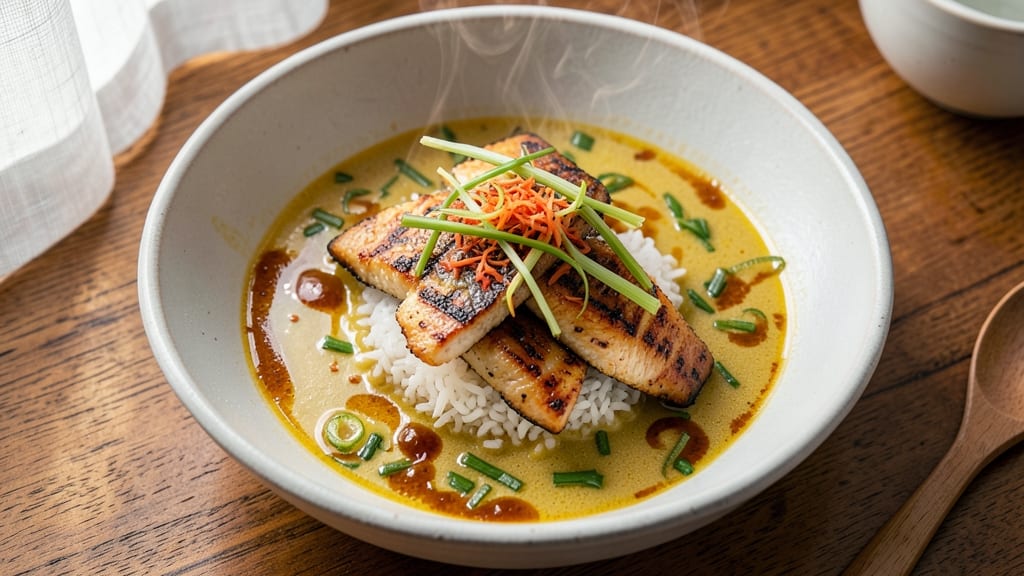
This basa fish soup recipe transforms simple ingredients into a fragrant, silky broth that captures the essence of coastal flavors. The secret lies in slow-simmering ginger, lime, and aromatic herbs to extract deep, bright notes that make every spoonful irresistible.
I developed this version after years of perfecting the balance between tender fish and complex broth—no shortcuts, just restaurant-quality results at home.
The foundation is a rich, ginger-lime broth built through careful layering of aromatics and slow cooking. Fresh turmeric and lemongrass infuse the liquid with golden warmth, while lime zest brightens the finish.
The basa fish, poached gently in the broth, dissolves into silky ribbons that melt in your mouth without ever turning rubbery—a technique I've tested countless times to guarantee perfect texture.
What sets this recipe apart is how the flavors evolve as it simmers. The initial sharpness of ginger softens into a mellow sweetness, while the lime's acidity cuts through the richness, creating harmony in every bite.
Serve it with steamed rice to soak up that fragrant broth, or pair it with a crisp salad for contrast. The result is a soup that feels both comforting and elegant.
For those short on time, I've included a quick broth method that still delivers depth, though purists may prefer the traditional 45-minute simmer. Either way, you'll end up with a bowl that's as nourishing as it is delicious—perfect for chilly evenings or when you crave something light yet satisfying.
Let's get cooking.
Ingredients for basa fish soup
Fresh ginger, lemongrass, and basa fish create this fragrant, silky soup with restaurant-quality depth.
| Ingredient | Amount | Notes |
|---|---|---|
| Basa Fish Fillets 🐟 | 1 ½ lb | Fresh, skinless, cut into 1-inch pieces |
| Fresh Ginger Root 🌿 | 3 tbsp | Finely grated, aromatic variety |
| Fresh Lemongrass Stalks 🌱 | 2 whole | Bruised, bottom 4 inches only |
| Fresh Turmeric Root 🧄 | 1 tbsp | Finely grated, vibrant orange |
| Lime Zest 🍋 | 1 tbsp | From 1 large lime, finely grated |
| Lime Juice 🍋 | 2 tbsp | Freshly squeezed, bright acidity |
| Fish Stock 💧 | 4 cups | Homemade or high-quality store-bought |
| Coconut Milk 🥥 | 1 cup | Full-fat, for creamy richness |
| Garlic Cloves 🧄 | 4 cloves | Minced, fresh aroma |
| Shallots 🧅 | 2 whole | Thinly sliced, sweet flavor |
| Cilantro Leaves 🌿 | ¼ cup | Chopped, for fresh finish |
| Thai Basil Leaves 🌿 | ¼ cup | Fresh, aromatic variety |
| Red Chili Peppers 🌶️ | 1 whole | Thinly sliced, for heat |
| Long Grain White Rice 🍚 | 1 cup | Uncooked, for serving |
| Fish Sauce 🍜 | 1 tbsp | High-quality, umami depth |
| Sugar 🍬 | 1 tsp | White sugar, balances acidity |
| Salt 🧂 | 1 tsp | Diamond Crystal preferred |
The ginger and lemongrass are non-negotiable for that signature aroma. Look for fresh ginger with tight skin and no soft spots—it should smell sharp and citrusy. Trader Joe's and Asian markets often carry the best lemongrass, but any grocery store's produce section will have it. The turmeric? Fresh root is ideal—it's more potent than powdered, but if you're short on time, a pinch of turmeric powder will work. For the basa fish, ask your fishmonger for the freshest cut—it should smell clean and ocean-fresh, not fishy. The skin-on variety is often cheaper, but remove it before cooking for those perfect silky ribbons.
No fresh lemongrass? Substitute 1 tbsp lemongrass paste—it's concentrated, so use sparingly. Running low on fish stock? Vegetable stock plus 1 tbsp fish sauce gets you close. The coconut milk can be swapped for light coconut milk if you prefer less richness, but full-fat delivers that creamy texture. For the chili, Thai bird's eye peppers are perfect, but any fresh chili will do—just adjust the quantity based on heat preference. The fish sauce is key here—Red Boat or Three Crabs are my go-tos, but any high-quality brand works. If you're avoiding fish sauce, a mix of soy sauce and a splash of vinegar can mimic the umami.
This broth keeps beautifully—3-4 days in the fridge if you make extra, and it actually tastes better the next day as the flavors meld. Portion into containers for easy lunches, or freeze for up to 3 months. The rice? Cook it fresh for serving, but day-old rice reheats perfectly if you're using leftovers. For the fish, cook it just before serving—it stays tender for about 15 minutes after poaching, so time your cooking accordingly. The lime zest and cilantro should be added last to preserve their bright flavors.
Why You'll Love This Recipe
- Fewer Ingredients, Same Magic: I swear by this—just five core things (ginger, lemongrass, turmeric, lime zest, and fish) build that bright, aromatic broth. No crowded pantry runs or forgotten spices here. Honestly, my fridge’s back shelf gets less love than this recipe’s ingredient list.
- Turmeric-Ginger Zing: That golden turmeric and fresh ginger? They turn this soup into a flavor powerhouse. The heat lingers just enough to wake up your taste buds, but the lime zest cuts through—like a citrusy hug in every spoonful. (Yes, even on a Tuesday night.)
- Leftover Hero: Make a big batch—this soup tastes better the next day. The fish stays tender, the broth deepens, and reheating takes two minutes. I’ve fed a crowd with one pot, then had leftovers for lunch. My wallet and my family thank me.
- Budget-Friendly Luxury: Basa fillets are affordable, and the aromatics stretch the flavor without breaking the bank. It’s the kind of dish where you feel fancy without the grocery sticker shock. Plus, the turmeric’s anti-inflammatory kick? Free wellness upgrade.
Step-by-step instructions for fragrant lime ginger basa fish soup
Here's how to craft a vibrant, aromatic soup where tender fish ribbons float in a bright, spiced broth.
Prepare the Aromatic Base
In a medium saucepan, combine the 4 cups fish stock, 3 tablespoons finely grated fresh ginger root, and 1 tablespoon finely grated fresh turmeric root. Bring to a gentle simmer over medium heat until the liquid shimmers and you can smell the warm, earthy spices rising—this should take about 5 minutes. The turmeric will give the broth its signature golden hue, while the ginger adds that bright, zesty kick.
While the broth heats, bruise the bottom 4 inches of the 2 whole fresh lemongrass stalks by firmly pounding them with the side of a knife. Add these to the simmering broth along with the 2 whole thinly sliced shallots and 4 minced garlic cloves. Let this aromatic blend steep for 3-4 minutes until the shallots soften slightly and the garlic releases its sweet, pungent aroma. This foundational step builds the complex flavor profile that makes this soup so special.
Build the Flavor Layers
Reduce the heat to low and stir in the 1 tablespoon lime zest, 2 tablespoons lime juice, 1 teaspoon sugar, 1 teaspoon salt, and 1 tablespoon fish sauce. The lime zest will infuse the broth with a subtle citrus brightness, while the juice adds a sharp acidity that balances the richness. The sugar and fish sauce work together to round out the flavors—just enough sweetness to complement the umami depth from the stock and fish sauce.
Simmer the broth gently for 8-10 minutes until it reduces slightly and the flavors meld together. You'll notice the aroma becomes more concentrated and inviting. This is when the soup truly comes together—where the individual spices transform into a cohesive, fragrant harmony. Keep the broth at a gentle simmer; you don't want it to boil vigorously or the delicate flavors will scatter.
Add the Creamy Element and Heat
Stir in the 1 cup full-fat coconut milk and 1 whole thinly sliced red chili pepper. The coconut milk adds a velvety richness that contrasts beautifully with the bright broth, while the chili pepper introduces a subtle heat that lingers on the palate. Let the mixture simmer for another 3-4 minutes, just until the coconut milk is fully incorporated and the chili pepper softens slightly but retains its shape.
Taste the broth and adjust the seasoning if needed. You want a balance of sweet, sour, spicy, and umami—each element should be present but not overpowering. The broth should be vibrant and inviting, with a depth of flavor that makes you want to take another sip. This is the moment where all your hard work pays off, transforming simple ingredients into something truly special.
Cook the Rice and Prepare the Fish
While the broth simmers, prepare the 1 cup long grain white rice by rinsing it thoroughly under cold water until the water runs clear. This removes excess starch and prevents the rice from becoming gummy. In a separate pot, bring 2 cups water to a boil, add the rinsed rice, reduce heat to low, cover, and let it cook for 12-15 minutes or until tender. The rice should be fluffy and separate—each grain distinct and perfectly cooked.
Cut the 1.5 lb basa fish fillets into 1-inch pieces and set aside. The fish should be fresh and firm to the touch, with a clean, oceanic aroma. You'll add it to the broth just before serving to ensure it stays tender and flaky, absorbing the rich, aromatic flavors without overcooking.
Assemble and Serve
Divide the cooked rice among 4 bowls, creating a base for the soup. Ladle the fragrant broth over the rice, making sure each serving gets an equal portion of the vibrant liquid. Gently place the fish pieces on top of the rice and broth, arranging them so they're visible and inviting. The fish should look tender and glistening, ready to melt in your mouth.
Finish each bowl with a sprinkle of ¼ cup chopped cilantro leaves and ¼ cup chopped Thai basil leaves. The herbs add a fresh, bright contrast to the rich broth and tender fish. Serve immediately while the fish is still warm and the broth is steaming—this is when the soup shines brightest. Each spoonful should deliver a perfect balance of flavors, with the tender fish ribboning through the aromatic broth, the herbs adding a final touch of freshness, and the spices lingering on your palate.
Pro Tips For Making Basa Fish Soup
- Pound the Ginger: Use a rolling pin or heavy pan to flatten the ginger into a thin paste—this releases more flavor faster than mincing. I learned this the hard way after realizing my soup tasted mild until I switched methods.
- Simmer, Don’t Boil: Keep the heat low enough that you barely see bubbles—boiling turns basa fish rubbery. A gentle simmer (just under 180°F) keeps it tender while letting the lemongrass and turmeric infuse properly.
- Scrape the Turmeric: Use a spoon to scrape the bright orange flesh from the turmeric root—don’t just slice it. The fibrous bits add bitterness, and you’ll get a richer color and deeper flavor in your broth.
- Add Lime Last: Stir in the zest only at the very end—heat destroys citrus oils, and you want that bright, fresh kick to shine. If you add it early, the soup will taste flat, no matter how much you use.
Troubleshooting great basa fish soup
Broth Too Thin?
If your broth lacks body, simmer uncovered for an extra 5-10 minutes to reduce it. For a quicker fix, stir in 1 tablespoon cornstarch mixed with 2 tablespoons water, then simmer until thickened.
I’ve found this works best with coconut milk-based broths—just don’t overdo it or the soup will turn gluey. 💫
Fish Overcooking?
Basa fish turns rubbery when overcooked. Add it to the broth only when ready to serve and cook for just 2-3 minutes—until it flakes easily with a fork. For extra insurance, poach the fish separately in the broth for 1 minute per side before assembling.
I’ve ruined many batches by leaving it too long, so set a timer! ⏰
Lemongrass Bitter?
Old or tough lemongrass stalks can taste bitter. Always use the bottom 4 inches of fresh stalks and bruise them well with the side of a knife to release oils. If you’ve accidentally used the tough top, remove it entirely—it won’t soften.
For a backup, 1 teaspoon lemongrass paste (like Maesri) works in a pinch, but fresh is always better. 🌱
Broth Too Salty?
Add ¼ cup cold water or coconut milk to dilute the broth, then taste again. If the saltiness persists, stir in 1 teaspoon sugar to balance it—this trick works surprisingly well.
Never add more broth; it’ll just amplify the salt. I’ve saved many batches this way when I overestimated the fish sauce. 🧂
Herbs Floating?
Fresh herbs like cilantro and Thai basil should float—it’s normal! For a cleaner look, gently press them into the broth with a spoon just before serving.
If they sink, they’re overcooked. Add them last to preserve their bright flavors, which is why I always keep them separate until the very end. 🌿
Rice Mushy?
Overcooked rice happens when you don’t rinse it first or use the wrong heat level. Rinse 1 cup rice thoroughly under cold water, then cook in 2 cups water on low heat with the lid slightly ajar for the last 5 minutes** to steam dry.
For extra insurance, spread the rice on a tray to cool after cooking—it’ll firm up as it sits. 🍚
Nutrition facts
Frequently asked questions
What makes basa fish ideal for soups?
Basa fish has a mild, clean flavor that absorbs broth flavors beautifully without overpowering them. Its firm yet tender texture holds up well during simmering, creating those signature silky ribbons when cooked properly. Plus, it's more affordable than premium fish like snapper, making it a great budget-friendly option for frequent soup-making.
Can I substitute basa fish with another type?
Yes! For similar results, try swai (its cousin) or cod. Avoid flaky fish like tilapia—they'll fall apart too easily. If using snapper or sea bass, reduce cooking time by 1-2 minutes since they're more delicate. The key is choosing a firm, mild white fish that won't make the broth cloudy.
How do I make this soup vegetarian?
Replace the fish with extra-firm tofu (pressed and cubed) or mushrooms (shiitake or oyster work best). Skip the fish stock and use vegetable stock plus 1 tbsp soy sauce for umami. Add 1 tsp nori flakes to mimic seafood flavor. The coconut milk and herbs will still create that creamy, aromatic base you love.
Why does the broth need to simmer so long?
The 45-minute simmer is crucial for extracting maximum flavor from ginger, turmeric, and lemongrass. These aromatics release their oils gradually, creating that deep, complex taste. Rushing it leaves the broth flat. For a quicker version, use 1 tbsp lemongrass paste and ½ tsp ground turmeric—simmer for just 20 minutes instead.
Can I make this soup ahead of time?
The broth actually tastes better the next day as flavors meld. Cook the rice separately and store it in the fridge for 2 days. Keep the broth in an airtight container and reheat gently. Add the fish fresh when ready to serve—it cooks in just 2-3 minutes this way. The herbs should be added last to keep them vibrant.