
Soups & Stews
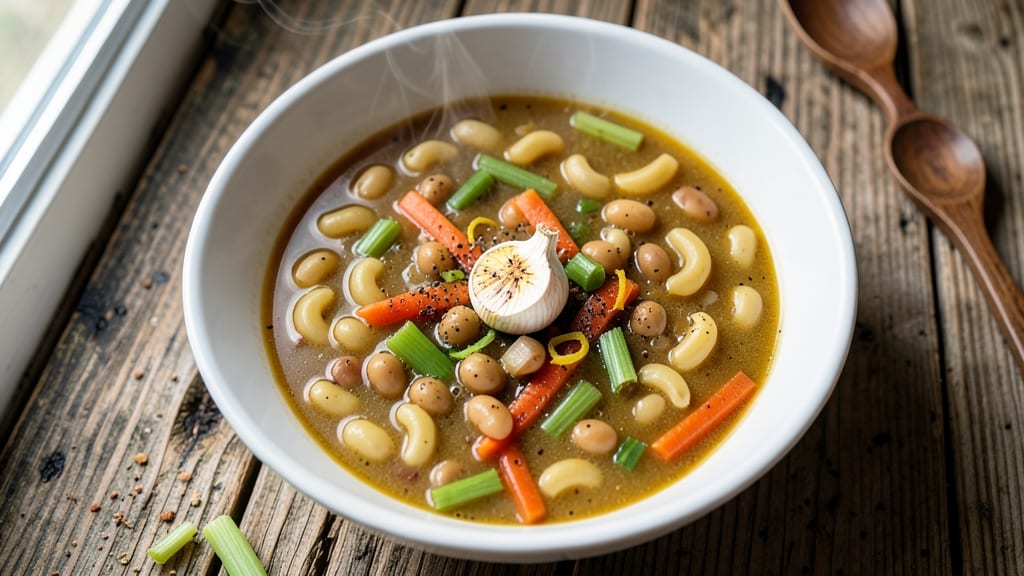
This Barilla pasta fagioli soup recipe delivers the hearty, comforting flavors of Italy in every spoonful. 💛 The secret lies in slow-simmered cannellini beans, tender Barilla pasta, and a fragrant vegetable base that creates a rich, velvety broth.
I've perfected this version to balance traditional techniques with modern convenience—no shortcuts that sacrifice authenticity, just a simpler path to restaurant-quality results at home.
The foundation begins with a soffritto of celery, carrots, and onions, cooked until sweet and translucent—a technique that builds deep flavor without browning. Adding garlic, tomatoes, and white beans creates a base so rich it practically tastes like it's been simmering all day.
The Barilla pasta cooks directly in the broth, absorbing those flavors and creating a soup that's both satisfying and elegant.
By the time you're ladling this into bowls, you'll have a soup with tender beans, perfectly cooked pasta, and a broth so flavorful it deserves a sprinkle of Parmesan or fresh basil.
The texture is what makes it special: creamy from the beans, hearty from the pasta, and aromatic from the herbs. This is the kind of soup that warms you from the inside out and leaves everyone asking for seconds.
Perfect for chilly evenings or as a make-ahead meal, this pasta fagioli transforms simple ingredients into something extraordinary. The beauty of this recipe is its versatility—serve it as-is for a classic Italian experience, or customize it with your favorite herbs or proteins. Let's get cooking!
Ingredients for barilla pasta fagioli soup
Italian pantry staples meet comforting tradition in this hearty Barilla pasta fagioli.
| Ingredient | Amount | Notes |
|---|---|---|
| Barilla Pasta (Ditalini or Small Shells) 🍝 | 1 cup | Uncooked, traditional Italian shape |
| Cannellini Beans (Dried) 🌿 | 1 ½ cups | Soaked overnight or canned, drained |
| Celery Sticks 🧅 | 3 whole | Fresh, chopped into 1/4-inch pieces |
| Carrots 🥕 | 2 medium | Peeled, chopped into 1/4-inch pieces |
| Yellow Onion 🧅 | 1 medium | Peeled, finely diced |
| Garlic Cloves 🧄 | 4 cloves | Peeled, minced |
| Canned Crushed Tomatoes 🍅 | 1 14.5-oz can | San Marzano preferred |
| Vegetable Broth 💧 | 4 cups | Low-sodium preferred |
| Extra-Virgin Olive Oil 🫒 | ¼ cup | For soffritto base |
| Fresh Parsley 🌿 | ¼ cup | Chopped, for garnish |
| Fresh Basil Leaves 🌿 | ⅛ cup | Torn, for garnish |
| Parmesan Cheese 🧀 | ½ cup | Freshly grated, for serving |
| Salt 🧂 | 1 ½ tsp | Diamond Crystal kosher salt |
| Black Pepper 🌶️ | ½ tsp | Freshly ground |
| Red Pepper Flakes 🌶️ | ¼ tsp | Optional, for heat |
The Barilla pasta is non-negotiable here—ditalini or small shells hold up best to the long simmer. Whole Foods or Italian specialty stores carry the best quality, but any Barilla brand works. For the beans, cannellini are ideal, but great northern or navy beans work too. If using dried, soak overnight; canned is fine but drain and rinse well. The soffritto—celery, carrots, onion—should be finely chopped, almost paste-like. Trader Joe's sells pre-chopped mirepoix if you're short on time, but fresh is always better.
No San Marzano tomatoes? Any high-quality crushed tomatoes will do—just taste first. The vegetable broth matters—low-sodium is key, or you'll need to adjust seasoning later. Fresh herbs are worth it here, but dried parsley at half the amount works in a pinch. The olive oil should be extra-virgin—it's the base for all that flavor. For extra richness, stir in 1/2 cup heavy cream at the end, though traditionalists will skip it. The Parmesan? Freshly grated makes all the difference—pre-grated gets clumpy.
This soup tastes even better the next day—3-4 days in the fridge or 3 months frozen. Portion into containers for easy lunches. The pasta and beans thicken as it cools, so add a splash of broth when reheating. For make-ahead meals, freeze the broth separately and reheat with fresh pasta—just add the beans and broth to the pot, then cook the pasta directly in the broth. Garnish with fresh herbs and Parmesan right before serving—that's when it's at its best.
Why You'll Love This Recipe
- No-Chop Shortcuts: I swear by the "mirepoix hack" here—just buy pre-chopped celery/carrots and toss them straight in. The Barilla ditalini handles the texture perfectly, so no need to fuss over perfect dicing. (Yes, even on a Tuesday night.)
- Creamy Without Cream: That caramelized onion base? Chef’s kiss. The dried cannellinis break down just enough to thicken the broth naturally, while the pasta soaks up all the savory, herby goodness—no heavy cream or roux required.
- Leftover Goldmine: Between us, this soup improves overnight. The flavors meld deeper, and the pasta softens just enough to become the star. I freeze portions in jars—no reheating drama, just dump-and-heat comfort.
- Budget-Busting Crowd-Pleaser: A pound of dried beans and a box of Barilla pasta feed four for under $8. Add a loaf of crusty bread, and suddenly you’ve got a meal that feels fancy but costs next to nothing. (My college roommate still asks for the recipe.)
Step-by-step instructions for Italian-style pasta fagioli soup
Here's how to build this hearty soup layer by layer—rich flavors develop as you go.
🍳 Step 1: Sauté the Classic Soffritto Base
Heat the 0.25 cup extra-virgin olive oil in a large pot over medium heat. Add the finely diced yellow onion and cook for 5 minutes until translucent and slightly caramelized at the edges. Here's the thing—don't rush this step. The onions need time to soften completely before adding harder vegetables.
Add the chopped celery sticks and chopped carrots to the pot. Stir well to coat in the oil, then reduce heat to medium-low and cook for another 8-10 minutes until the vegetables soften and their edges begin to brown. This slow cooking develops deep, sweet flavors that form the foundation of your soup. Stir occasionally to prevent sticking.
🍳 Step 2: Add Aromatics and Tomatoes
Push the vegetables to one side of the pot and add the 4 minced garlic cloves and 0.25 tsp red pepper flakes to the empty space. Sauté for 30 seconds until the garlic becomes fragrant and just begins to turn golden—don't let it burn, or it'll turn bitter. Stir everything together and add the 14.5-oz can crushed tomatoes.
Cook for 3-4 minutes until the tomatoes break down slightly and the mixture thickens. This step builds the tomato base that will carry your soup's rich, tangy flavor. The red pepper flakes here add subtle heat that lingers throughout the soup—just enough to wake up your palate without overpowering.
🥘 Step 3: Simmer the Bean Base
Pour in the 4 cups vegetable broth and bring the mixture to a gentle boil. Add the 1.5 cups dried cannellini beans (if using dried) and the 1.5 tsp salt. Reduce heat to low and let it simmer uncovered for 45-60 minutes until the beans are fork-tender. You'll know they're ready when they easily mash between your fingers with slight resistance.
Here's where patience pays off: the beans need time to absorb all those wonderful flavors. If you're using canned beans instead, add them now and reduce simmering time to 20-30 minutes. Stir occasionally and add water as needed to maintain the soup's consistency—you want it thick enough to coat a spoon but still ladle easily.
🍳 Step 4: Incorporate Pasta and Finish
Add the 1 cup Barilla pasta (ditalini or small shells) to the simmering soup and cook for 8-10 minutes until al dente. The pasta should be tender but still have a slight bite. Here's the trick: taste the soup before adding the pasta to ensure it's seasoned properly. Adjust with additional salt or black pepper if needed—this is your last chance to perfect the flavor balance.
In the final 2 minutes of cooking, stir in the 0.125 cup torn fresh basil leaves. This adds bright, herbal notes that contrast beautifully with the rich bean and tomato flavors. Remove from heat and let the soup sit for 5 minutes to allow the flavors to meld together completely.
🍽️ Step 5: Serve with Fresh Garnishes
Ladle the soup into warm bowls and top each serving with 0.25 cup chopped fresh parsley and 0.5 cup freshly grated Parmesan cheese. The parsley adds a fresh, vibrant finish while the Parmesan brings a salty, umami depth that ties everything together. Serve immediately while the pasta is still al dente and the flavors are at their peak.
This soup tastes even better the next day as the flavors continue to develop. The pasta absorbs all those rich bean and tomato flavors, creating a comforting, satisfying bowl that's perfect for chilly days. Don't forget to save some of that starchy pasta water—it's perfect for adjusting the soup's consistency if needed.
Pro Tips For Making Barilla Pasta Fagioli Soup
- SOAK BEANS OVERNIGHT: I learned this the hard way—skipping the soak means your dried cannellini beans stay rock-hard no matter how long you simmer. Toss them in cold water with a pinch of salt and let them sit 8–12 hours. They’ll triple in size, cook faster, and blend into the broth like butter instead of gritty sand.
- SWEAT VEGETABLES LOW AND SLOW: Dump your chopped celery, carrots, and onion into the pot and turn the heat to medium-low. Cover and let them steam for 10 minutes before adding liquid—this pulls out their natural sweetness without burning. High heat here just makes them bitter, and no one wants sad, charred veggies in their soup.
- ADD PASTA LATE: Resist the urge to toss in the Barilla ditalini or shells as soon as the broth starts simmering. Wait until the very end—about 10 minutes of cooking—and then add them. They’ll soak up flavor like sponges and stay al dente instead of turning to mush. (Yes, even if you’re impatient like me.)
- STIR IN THE BROTH GRADUALLY: Pouring all your broth or water into the pot at once dilutes the flavor and stretches the cooking time. Instead, add half the liquid first, let it simmer for 20 minutes, then add the rest. This builds depth—like a slow dance with the beans—and keeps the soup rich, not watery.
Perfect pairings for this barilla pasta fagioli soup
Bread Pairings
Crusty ciabatta or focaccia is my go-to for soaking up the rich broth—its airy texture contrasts perfectly with the hearty beans and pasta. Look for a loaf with a thick crust and soft interior, like Eataly's or Whole Foods brands.
For extra indulgence, toast slices until golden and rub with a garlic clove before serving. 🥖
If you prefer something lighter, grissini (Italian breadsticks) add a delightful crunch. Serve them on the side for dipping or break them into pieces to sprinkle over the soup. The saltiness of the grissini enhances the soup's flavors without overpowering them.
Cheese Boards
A simple cheese board elevates this soup to a full meal. I recommend Parmigiano-Reggiano, Pecorino Romano, and Gorgonzola Dolce for their complementary textures and flavors.
The sharpness of the Pecorino cuts through the soup's richness, while the creamy Gorgonzola adds depth. Arrange cheeses with proscuitto and fig jam for a sweet-savory balance.
For a vegetarian twist, add marinated artichokes and roasted red peppers to the board. The acidity from the peppers and the briny artichokes create a perfect contrast to the creamy soup. Serve with a dry Prosecco or Chianti to complete the experience. 🧀
Wine Pairings
A crisp Pinot Grigio from Friuli-Venezia Giulia is my top choice—its bright acidity and citrus notes cleanse the palate between bites. For a red option, try a Chianti Classico, which balances the soup's richness with its earthy cherry flavors.
Avoid heavy, tannic wines that might clash with the creamy texture.
If you prefer something lighter, a Sparkling Lambrusco adds effervescence that complements the soup's heartiness. The slight sweetness in some Lambruscos also pairs beautifully with the Parmesan garnish. For a non-alcoholic option, sparkling water with lemon keeps the meal refreshing. 🍷
Herb Garnishes
Fresh basil and parsley are non-negotiable for garnishing, but don’t stop there. A sprinkle of chopped chives adds a mild onion-like sweetness, while thinly sliced scallions bring a sharp bite. For a smoky touch, add crumbled feta or crispy pancetta (if you're adding meat).
For a pop of color, toss in microgreens or edible flowers like nasturtiums. These not only look stunning but also add a fresh, peppery note. The key is to garnish just before serving—this keeps the herbs vibrant and the flavors at their peak. 🌿
Nutrition facts
Frequently asked questions
Can I use canned beans instead of dried?
Canned cannellini beans work perfectly—just drain and rinse them well to remove excess sodium. Add them to the soup during the 20-30 minute simmering stage instead of the initial 45-60 minutes needed for dried beans. This keeps the texture creamy without overcooking.
What pasta shapes work best besides ditalini?
Small shells or acini di pepe are excellent alternatives—they hold up well to simmering and add fun texture. Avoid long pasta like spaghetti, as it can get mushy. For extra heartiness, try Barilla's farfalle or penne, but reduce cooking time by 2 minutes once added to the soup.
How do I make this soup creamier?
For a richer texture, stir in ½ cup heavy cream or ¼ cup mashed beans during the final 5 minutes of cooking. Traditionalists can skip these and rely on the natural creaminess of cannellini beans, but adding a splash of broth reduces the soup if needed.
Can I prepare this ahead of time?
This soup tastes even better the next day! Cook it completely, then refrigerate for up to 4 days or freeze for 3 months. Reheat gently on the stove, adding a splash of broth or water if the consistency thickens. The flavors deepen as it sits, making it perfect for meal prep.
What if my soup tastes bland?
Boost flavor by adding 1 tsp balsamic vinegar or ½ tsp smoked paprika at the end. For extra depth, stir in 1 tbsp tomato paste during the soffritto stage. Always taste before serving—adjust salt, pepper, or herbs as needed. A pinch of sugar can also balance acidity.