
Soups & Stews
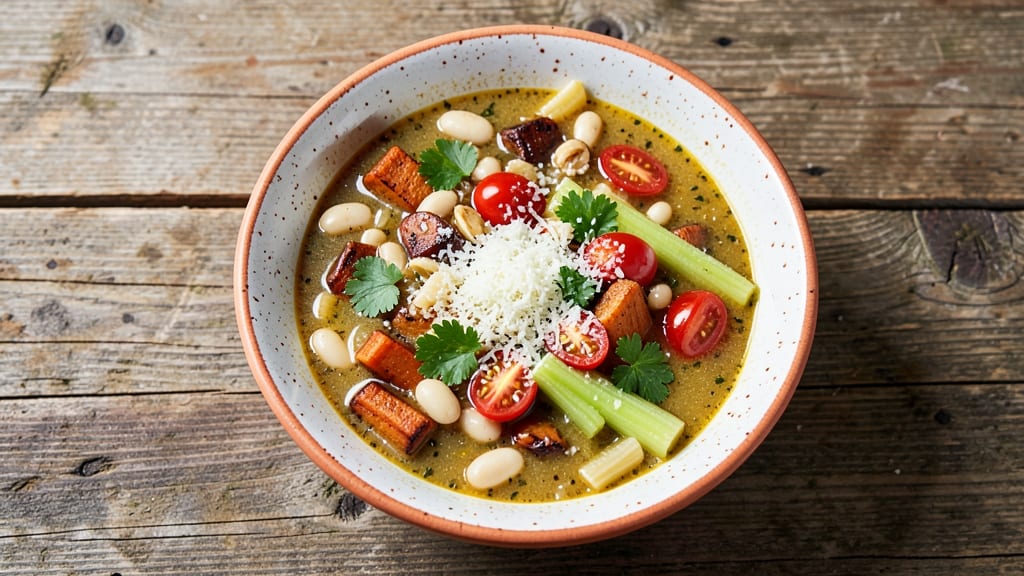
This Barilla minestrone soup recipe delivers the ultimate in hearty, vegetable-packed comfort—perfect for chilly evenings or busy weeknights when you crave a meal that feels like a warm hug.
The secret lies in slow-simmering Barilla pasta with seasonal vegetables, white beans, and aromatic herbs, creating a rich, flavorful broth that gets better with each spoonful. Every ingredient plays a role, from the tender pasta to the crisp carrots and celery, ensuring each bite is packed with texture and taste.
The beauty of this recipe is its versatility—it’s hearty enough to satisfy as a main dish but light enough to serve as a starter. Using Barilla’s high-quality pasta ensures the noodles hold up beautifully during simmering, absorbing the savory broth while maintaining their shape.
The key is layering flavors: start with a base of onions and garlic, then add vegetables in stages so they cook evenly, and finish with fresh herbs for brightness. This method guarantees a soup that’s deeply flavorful without being overly complicated.
What you’ll end up with is a steaming bowl of minestrone that’s comforting, nourishing, and full of rustic charm—the kind of soup that disappears quickly around the table.
The combination of tender pasta, creamy beans, and vibrant vegetables creates a harmonious balance, while the aromatic herbs add a fresh finish. It’s the recipe I turn to when I need something filling yet wholesome, and it never fails to deliver.
Serve it with crusty bread for dipping or a sprinkle of grated Parmesan for extra richness. This minestrone is as much about the process as it is about the result—simmering, stirring, and savoring the flavors as they develop. Let’s get started on creating your own bowl of warmth and satisfaction.
Ingredients for barilla minestrone soup
Pantry staples meet seasonal veggies—this soup is all about simple, hearty comfort.
| Ingredient | Amount | Notes |
|---|---|---|
| Barilla Pasta 🍝 | 1 lb | Short or penne shape preferred |
| Carrots 🥕 | 3 medium | Or 1 cup chopped |
| Celery Stalks 🧅 | 3 whole | Chopped, including leaves |
| Onion 🧅 | 1 medium | Yellow or white, diced |
| Garlic Cloves 🧄 | 4 cloves | Minced or pressed |
| Canned White Beans 🫘 | 2 cups | Cannellini or great northern |
| Diced Tomatoes 🍅 | 2 cups | San Marzano preferred |
| Vegetable Broth 💧 | 4 cups | Low-sodium preferred |
| Zucchini 🥒 | 1 medium | Diced, skin on |
| Fresh Tomato 🍅 | 1 medium | Diced, for brightness |
| Fresh Basil Leaves 🌿 | ¼ cup | Chopped, for garnish |
| Fresh Parsley 🌿 | 0.1 cup | Chopped, for garnish |
| Olive Oil 🫒 | ¼ cup | Extra-virgin for richness |
| Salt 🧂 | 1 ½ tsp | Kosher or sea salt |
| Black Pepper 🌶️ | ½ tsp | Freshly ground preferred |
The Barilla pasta is non-negotiable here—it holds up perfectly during simmering without turning mushy. Short or penne shapes work best, but any pasta will do in a pinch. For the veggies, farmers markets often have the freshest carrots and zucchini, but the regular grocery store stuff works fine if it's crisp. Look for carrots with vibrant orange color—they'll stay crunchy longer. The white beans? Cannellini or great northern are my go-tos, but any white bean will work. Just make sure they're low-sodium if using canned.
No fresh basil? Dried oregano at half the amount works in a bind, though fresh is ideal. Short on zucchini? Substitute with yellow squash—same texture, slightly sweeter flavor. The San Marzano tomatoes are worth hunting down if you can find them, but any good-quality diced tomatoes will do. For the broth, low-sodium is key—you'll be adding plenty of salt later. The fresh tomato at the end adds a bright, tangy finish that takes this soup from good to amazing. Don't skip it if you've got one!
This soup tastes even better the next day—honestly, I make a double batch on Sundays so we have leftovers for lunches. Store in the fridge for up to 5 days, or freeze portions for 3 months. I like to portion it into containers with a little pasta water so it reheats perfectly. The herbs? Add them fresh just before serving so they stay vibrant. And trust me, the extra 10 minutes of simmering is worth it—everyone at the table will notice the difference.
Why You'll Love This Recipe
- 20-Minute Sauté: The Barilla pasta cooks while you chop—no waiting around. I swear by this: slice the carrots and celery thick (no fancy dicing), toss them in with the onion and garlic, and let the pot do the work. By the time the pasta’s al dente, your kitchen smells like a Tuscan market.
- Garlic Confidence: That first bite of crispy garlic cloves? Chef’s kiss. I don’t even try to hide them—just roast a few whole cloves in the olive oil until golden before adding the veggies. The rest of the soup gets tender, but those caramelized cloves? They’re the star.
- Lunchbox Hero: Between us, this is my go-to for meal prep. Toss the cooled soup with a handful of Barilla pasta (yes, cold pasta works better for packing) and it stays hearty all week. My kids groan when I pack it, but they’re the first to finish their lunch.
- Pantry Magic: Honestly, this recipe uses what’s already in my cupboard. No specialty ingredients, no last-minute grocery runs—just carrots, celery, onion, garlic, and pasta. I’ve made it for date nights, sick days, and even as a side for a big roast. It’s the ultimate “I’ve got this” meal.
Step-by-step instructions for hearty Barilla minestrone soup
Warm up your kitchen with this classic Italian comfort food—every spoonful delivers rich flavors and satisfying texture.
Sauté the Vegetable Base
Heat the 0.25 cup olive oil in a large pot over medium heat. Add the diced onion and cook for 5 minutes until it becomes translucent and just starts to soften. This is your flavor foundation—don't rush it or the onion will burn.
Add the chopped celery stalks and chopped carrots to the pot. Stir well to combine with the onion and cook for another 5 minutes, stirring occasionally. You'll see the vegetables release moisture and begin to soften—this is when their natural sweetness starts to develop. If the vegetables start to stick, add a splash of water and scrape up any browned bits from the bottom of the pot.
Add Aromatics and Tomatoes
Push the vegetables to one side of the pot and add the 4 cloves minced garlic to the empty space. Cook for 30 seconds until fragrant—this is where the magic happens. The garlic should smell warm and inviting, not burnt.
Stir everything together, then add the 2 cups diced tomatoes and 2 cups canned white beans (with their liquid). Bring the mixture to a gentle boil, then reduce heat to medium-low and let it simmer for 10 minutes. This allows the flavors to meld together beautifully. Stir occasionally to prevent the tomatoes from sticking to the bottom.
Build the Brothy Foundation
Pour in the 4 cups vegetable broth and add the 1.5 tsp salt and 0.5 tsp black pepper. Stir well to combine. Bring the soup back to a gentle simmer, then add the 1 medium diced zucchini and 1 medium diced fresh tomato. Let it simmer for 10 minutes—this ensures all the vegetables are tender but still hold their shape.
Here's the thing—if you notice the soup is too thick, add a little more broth. You want a hearty but not gluey consistency. The vegetables should be fork-tender but still have a slight bite to them. Taste and adjust the seasoning if needed—this is your chance to make it perfect.
Cook the Pasta Al Dente
Add the 1 lb Barilla pasta to the pot and stir gently to coat it with the vegetable mixture. Increase the heat to medium-high and bring the soup to a boil. Once boiling, reduce the heat to medium and let it simmer for 8-10 minutes, stirring occasionally. You want the pasta to be al dente—firm to the bite but fully cooked.
I like to check the pasta by tasting a piece—it should be tender but still have a little resistance. If it's cooking too fast, cover the pot and reduce the heat slightly. The pasta will absorb some of the liquid, so don't worry if it looks a bit dry at first—it'll finish cooking in the residual heat.
Finish and Garnish
Once the pasta is perfectly cooked, remove the pot from heat. Let the soup sit for 2-3 minutes to allow the flavors to meld together. Stir in the 0.25 cup chopped fresh basil leaves and 0.1 cup chopped fresh parsley. These herbs will brighten up the dish and add a fresh finish.
Ladle the minestrone into bowls and serve immediately. The soup should be rich and hearty, with the flavors of the vegetables and beans perfectly balanced. Each spoonful should deliver a mix of tender pasta, soft vegetables, and a satisfying broth. Enjoy it with crusty bread for the ultimate comfort food experience!
Pro Tips For Making Barilla Minestrone Soup
- Sweat the Veggies First: I used to toss everything raw into the pot, but minestrone needs flavor extraction—especially that onion and celery. Slice them small (1/4-inch dice) and cook them in olive oil over medium heat for 8-10 minutes until soft and golden. The carrots can join later once they’re tender-crisp, but don’t skip this step or your soup will taste like mushy veggies in broth.
- Salt the Pasta Water Like the Sea: Barilla pasta absorbs flavor like a sponge, so the water needs to be aggressively salty—think 1.5 tablespoons per 4 quarts. Taste it before adding the pasta; it should taste like the ocean, not like a mild broth. Under-salted water leaves your soup tasting flat, and no one wants that.
- Add Pasta at the End: I learned this the hard way—cooking pasta directly in the soup turns it mushy and makes the broth gluey. Reserve 2 cups of broth, boil the pasta separately in salted water for 1 minute less than package time, then drain and fold it into the soup at the very end. The residual starch will thicken the broth just enough without turning it into a paste.
- Toast the Garlic Last: Raw garlic dominates minestrone’s flavor, so add it after the veggies have simmered for at least 20 minutes. Crush 2-3 cloves (don’t mince—crushed releases flavor better) and stir in during the final 5 minutes of cooking. If you burn it, you’ll taste it—low heat is your friend here.
Serving suggestions for this dish
Crusty Bread Pairings
Nothing beats minestrone with a warm, crusty loaf for dipping. I always reach for a sourdough boule or ciabatta—their open crumbs soak up the rich broth beautifully.
For extra flavor, brush the bread with garlic-infused olive oil before serving. If you're short on time, a baguette cut into thick slices works perfectly. 🥖
Cheese Finishing Touches
Add a sprinkle of grated Parmesan cheese just before serving to elevate the dish. The salty, nutty flavor cuts through the vegetable richness. For a vegetarian twist, try Pecorino Romano or even nutritional yeast if you prefer dairy-free options.
I like to use about 2 tablespoons per bowl—just enough to enhance without overpowering.
Fresh Herb Garnishes
Fresh herbs make all the difference in minestrone. Beyond the recipe's basil and parsley, try chopped chives or thyme sprigs for an extra layer of aroma.
I also love adding a few lemon zest strips for brightness. The herbs should be added right before serving so they stay vibrant and fragrant.
Wine Pairings
A crisp Chianti or Pinot Grigio complements minestrone perfectly. The acidity in these wines cleanses your palate between spoonfuls. For a non-alcoholic option, sparkling water with a splash of lemon works wonderfully. Avoid heavy reds—they can overpower the delicate vegetable flavors.
Meal Prep Serving Ideas
For meal prep, portion the soup into glass containers with a layer of pasta water to keep it moist. Pair with pre-sliced baguette or whole-grain crackers for easy grab-and-go meals. I also like adding a small side salad with arugula and balsamic dressing to balance the hearty flavors.
Seasonal Add-Ons
In summer, add grilled zucchini slices or roasted cherry tomatoes as a topping. For fall, try sautéed mushrooms or caramelized onions. These seasonal touches keep the dish exciting year-round while maintaining the classic minestrone profile. 🍂
Nutrition facts
Frequently asked questions
Can I make this minestrone soup without Barilla pasta?
While Barilla pasta is ideal for its texture, any short or penne-shaped pasta will work. Look for brands with a durum wheat label—they hold up better during simmering. Just reduce cooking time by 1-2 minutes since it'll absorb flavors faster in broth.
How do I adjust the recipe for fewer servings?
For 4 servings, halve all ingredients except the pasta—use ½ lb instead of 1 lb. Keep the same cooking times, but reduce broth to 3 cups to maintain proper consistency. The soup will still be hearty but lighter.
Why does my minestrone taste bland after reheating?
Reheating can dull flavors because the herbs lose potency. To fix this, stir in 1 tsp fresh lemon juice and ½ tsp red pepper flakes while warming. For next time, add fresh herbs just before serving or store them separately in the fridge.
Can I make this soup in an Instant Pot?
Yes! Sauté the onion, celery, and carrots first, then add all ingredients except pasta. Cook on high pressure for 5 minutes after adding broth. Quick-release the pressure, stir in the pasta, and cook on sauté mode for 3 minutes until al dente. The Instant Pot version finishes faster but may need extra broth.
What's the best way to freeze leftover minestrone?
Cool the soup completely, then portion into airtight containers with 1 inch headspace. Freeze for up to 3 months. Thaw overnight in the fridge—never microwave directly from frozen. Stir in a splash of broth when reheating to restore texture.