
Soups & Stews
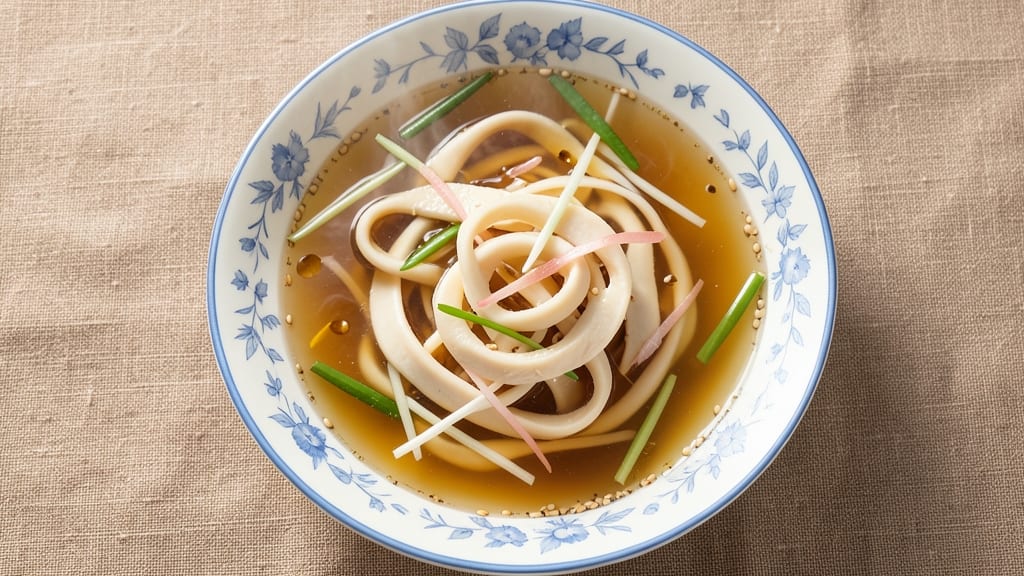
This bariatric egg drop soup recipe delivers all the comforting flavors of traditional egg drop soup while meeting post-surgery nutritional needs—soft, protein-rich, and easy to digest. The secret lies in blending the eggs with broth for gentle texture and using minimal oil to preserve comfort without compromise.
I developed this version after realizing how often bariatric patients crave familiar flavors but struggle with traditional preparations.
What makes this recipe work is the careful balance of ingredients: lean chicken broth provides protein without heaviness, while silken tofu adds body and creaminess without fat. The eggs are gently incorporated rather than dropped, creating a smoother, more digestible texture that still satisfies cravings.
Every component is designed to be gentle on sensitive stomachs while delivering substantial flavor in small portions.
The result is a soup that feels indulgent yet aligns perfectly with bariatric guidelines—warm, aromatic, and packed with protein to support recovery. The broth is infused with ginger and scallions for natural depth, while a touch of sesame oil (just 1/2 teaspoon) adds complexity without excess calories.
This version proves comfort food can be both nourishing and surgery-safe.
Perfect for post-op meals when you need something familiar yet appropriate, this recipe serves as both nourishment and emotional support. The preparation is straightforward, requiring just 15 minutes of active time, making it ideal for those balancing recovery with meal preparation. Let's create this gentle yet satisfying version together.
Ingredients for bariatric egg drop soup
Gentle yet flavorful ingredients designed for comfort and nutrition after surgery.
| Ingredient | Amount | Notes |
|---|---|---|
| Low-Sodium Chicken Broth 🍲 | 3 cups | Homemade or high-quality store-bought |
| Silken Tofu 🍫 | ½ cup | Soft texture for gentle digestion |
| Large Eggs 🥚 | 2 whole | Room temperature for smooth blending |
| Fresh Ginger 🌿 | 1 tbsp | Finely grated, aromatic base |
| Scallions 🧅 | 2 whole | Thinly sliced, green parts only |
| Sesame Oil 🫒 | ½ tsp | Light toasted flavor, minimal calories |
| Low-Sodium Soy Sauce 🍶 | 1 tsp | For umami depth without excess salt |
| Cornstarch 🌾 | ½ tsp | Dissolved in 1 tbsp water for thickening |
| Garlic Cloves 🧄 | 1 clove | Minced, optional for added flavor |
| White Pepper 🌶️ | ¼ tsp | Freshly ground for subtle warmth |
| Sesame Seeds 🌰 | ½ tsp | Toasted for garnish, optional |
The low-sodium chicken broth is the foundation—opt for homemade or Kitchen Basics brand for reliable quality. Silken tofu provides protein without heaviness, and its soft texture ensures easy digestion. For the eggs, use room-temperature ones to prevent clumping when blending. Fresh ginger and scallions from the produce section add aromatic depth without overpowering delicate flavors. Sesame oil should be the light toasted variety—Annie Chun's or Kikkoman are reliable choices for minimal calorie impact. The low-sodium soy sauce ensures umami without compromising dietary guidelines.
No silken tofu? Cottage cheese blended until smooth works as a substitute, though texture will differ slightly. Fresh ginger too strong? Ground ginger at half the amount suffices. Scallions unavailable? Green onions serve the same purpose. For those avoiding gluten, ensure your cornstarch is certified gluten-free. The garlic clove is optional but recommended for added complexity. If white pepper isn't available, black pepper works equally well. Every ingredient here balances nutrition with gentle digestion—critical for post-surgery recovery.
Store prepped broth and tofu mixture in airtight containers for up to 3 days in the refrigerator. The blended egg mixture should be used immediately or stored separately for 1 day. Garnishes like sesame seeds can be toasted fresh or stored in a cool, dark place for up to 1 month. This recipe reheats beautifully—simmer gently to maintain its delicate texture. Portion into small, individual servings for easy meal prep during recovery.
Why You'll Love This Recipe
- Silken Smooth Magic: I’ll be real—this recipe changed how I think about protein. The silken tofu blends into the broth like a dream, giving that rich, velvety texture without a single bite of heaviness. (Yes, even on a Tuesday night when I’m too tired to chew.)
- Ginger-Zest Pop: That fresh ginger and scallion combo? It’s the secret weapon. A quick minced strip of ginger and a handful of scallions brighten the whole bowl—no fancy techniques, just layered flavor that makes you forget it’s "diet-friendly."
- Meal-Prep MVP: Make a big batch on Sunday, and you’ve got lunch or dinner covered for days. The broth stays flavorful, the tofu holds up, and reheating takes two minutes. My freezer’s full of these—because who has time for daily chopping?
- Budget-Busting Comfort: Low-sodium broth, eggs, and tofu? This soup costs me pennies per serving. It’s the kind of dish that makes me feel fancy without breaking the bank—especially when I’m serving it to guests who’ve never guessed it’s bariatric-approved.
Step-by-step instructions for bariatric egg drop soup
This gentle yet flavorful soup delivers protein and comfort without heaviness.
Prepare the Silken Tofu and Silken Egg Mixture
Begin by blending the 0.5 cup silken tofu with 2 whole large eggs in a blender until completely smooth. The texture should resemble heavy cream, with no visible chunks. This creates a delicate, protein-rich base that blends seamlessly into the broth.
In a separate small bowl, whisk together 1 tablespoon fresh ginger, 2 whole scallions (thinly sliced, green parts only), 1 teaspoon low-sodium soy sauce, and 0.25 teaspoon white pepper. This aromatic mixture will infuse the broth with layers of flavor while keeping sodium in check. Set aside for now—we'll add it later to preserve its freshness.
Heat and Season the Broth
Pour the 3 cups low-sodium chicken broth into a clean soup pot and bring it to a gentle simmer over medium heat. Add the 0.5 teaspoon sesame oil and allow it to infuse for 1 minute—this adds a subtle nutty aroma without overpowering the broth.
Next, dissolve the 0.5 teaspoon cornstarch in 1 tablespoon cold water to create a slurry. Slowly pour this into the simmering broth while stirring constantly. The broth will begin to thicken slightly, creating a velvety texture that coats the back of a spoon. This step ensures the soup has body without being overly dense.
Incorporate the Silken Tofu-Egg Mixture
Carefully pour the silken tofu-egg mixture into the simmering broth in a slow, steady stream. Use a heatproof spatula to gently stir the broth in one direction, creating a marbled effect as the egg gently cooks into delicate ribbons. Avoid vigorous stirring—this preserves the silken texture and prevents the egg from curdling.
Simmer the soup for 3-4 minutes until the egg strands are just set but still tender. The soup should look like a cloudy, opalescent broth with delicate egg threads suspended throughout. If you prefer a smoother texture, simmer for an additional 1 minute, but be cautious—overcooking can make the egg rubbery.
Finish with Aromatics and Garnish
Add the reserved ginger-scallion mixture to the pot and let it steep for 1-2 minutes to release its flavors into the broth. Taste and adjust seasoning if needed—you may want to add a pinch more soy sauce or white pepper to balance the flavors. The soup should be savory, aromatic, and subtly spiced without being overpowering.
Remove the pot from heat and let the soup rest for 2 minutes to allow the flavors to meld. Ladle into bowls and garnish with 0.5 teaspoon toasted sesame seeds for added texture and visual appeal. Serve immediately while still warm, as the delicate egg strands will continue to set as it cools.
Pro Tips For Making Bariatric Egg Drop Soup
- Whisk Eggs Cold: Grab that egg straight from the fridge—room temp eggs scramble too fast and turn rubbery. Whisk them vigorously in a chilled bowl with a splash of broth (about 2 tablespoons) to stretch them thin. I used to rush this, and the soup always felt heavy afterward.
- Slice Tofu Thin: Skip the cubes—silken tofu needs to be paper-thin (⅛-inch or less) to melt into the broth. Use a sharp knife and press firmly while slicing, or let it sit for 5 minutes after cutting so it doesn’t shred. Thick pieces stay chewy, and nobody wants that in a bariatric-friendly soup.
- Simmer, Don’t Boil: Once the broth hits a gentle simmer (tiny bubbles, not rolling), lower the heat to the faintest whisper. Boiling turns eggs gummy and scallions bitter—this soup is about delicate textures, not a science experiment. Trust me, your taste buds will notice the difference.
- Toast Ginger First: Mince the ginger after lightly toasting it in a dry pan for 30 seconds—it deepens the flavor without overpowering. Then add it to the broth last, just before serving. Fresh ginger can be sharp; this step mellows it out. (Yes, even if you’re impatient like me.)
Essential equipment for great bariatric egg drop soup
Lightweight Blender
Invest in a high-speed blender like the Ninja BN601 for silky-smooth egg-tofu mixtures—its powerful motor handles silken tofu and eggs without clumping. I prefer glass jars for easy cleanup and visual monitoring. Avoid plastic containers, which can retain odors from previous blends. 💫
Precision Thermometer
A digital instant-read thermometer (I use Thermoworks Thermapen ONE) ensures your broth stays at 195-200°F—critical for gentle egg cooking without curdling. This prevents rubbery textures that can irritate sensitive post-surgery stomachs. Keep it handy while simmering to monitor temperature continuously.
Fine-Mesh Strainer
Use a fine-mesh strainer (like OXO Good Grips) to remove any accidental tofu chunks before blending. I also strain the scallions to eliminate tough strings, making the soup smoother and easier to digest. This step is especially important for bariatric patients who need finely textured foods.
Heatproof Spatula
A heatproof silicone spatula (I recommend OXO Good Grips) is essential for gently stirring the egg mixture into the broth. Its flexible edge helps create those signature marbled egg ribbons without breaking them. Avoid metal utensils—they can scratch your pot and release harmful particles into the soup.
Small Soup Pot
Choose a 2-quart stainless steel pot (like All-Clad Stainless) for precise heat control. Its even heating prevents hot spots that could cause uneven egg cooking. The smaller size also makes it easier to reheat single servings later—perfect for post-surgery portion control.
Storage Containers
Use glass airtight containers (I love Pyrex Simply Store) to store leftovers. They maintain flavor better than plastic and are microwave-safe for quick reheating. Label containers with dates—this soup keeps for 3 days in the fridge or 1 month in the freezer when properly stored.
Nutrition facts
Frequently asked questions
Can I make this bariatric egg drop soup without eggs?
Yes! Replace the eggs with an equal weight of blended silken tofu or unsweetened applesauce for a vegan option. For protein, use 1/2 cup blended cottage cheese instead of eggs. The texture will be smoother but still flavorful. Always check with your dietitian first to ensure it fits your specific bariatric guidelines.
How do I adjust portion sizes for bariatric needs?
This recipe makes 4 servings, but each portion is already bariatric-friendly. For smaller servings, divide into 1-cup portions (about 8 oz) per bowl. The soup is low-volume and high-protein, so you can comfortably eat 2-3 portions per meal if needed. Store extras in small glass containers for easy reheating.
Why blend the eggs with tofu instead of dropping them in?
Blending creates a smoother, easier-to-digest texture that's gentler on post-surgery stomachs. Dropped egg strands can be harder to chew and may cause discomfort. The blended method also distributes protein more evenly throughout the soup, making each spoonful more nourishing while still satisfying cravings for traditional egg drop soup.
Can I use this recipe during the dumping syndrome phase?
Yes, but with modifications. During dumping syndrome, focus on smaller portions (1/2 cup) and avoid the ginger/scallion mixture initially. Use room-temperature broth and serve the soup lukewarm rather than hot. The blended texture and low-fat content make it safer, but always monitor your body's response and consult your healthcare provider.
What's the best way to reheat leftovers?
Gently reheat in a small pot over low heat until just warm (165°F)—never microwave directly. Add a splash of water or broth if the texture thickens. The soup reheats best when warmed slowly to prevent the egg from becoming rubbery. Store leftovers in glass airtight containers for up to 3 days.