
Soups & Stews
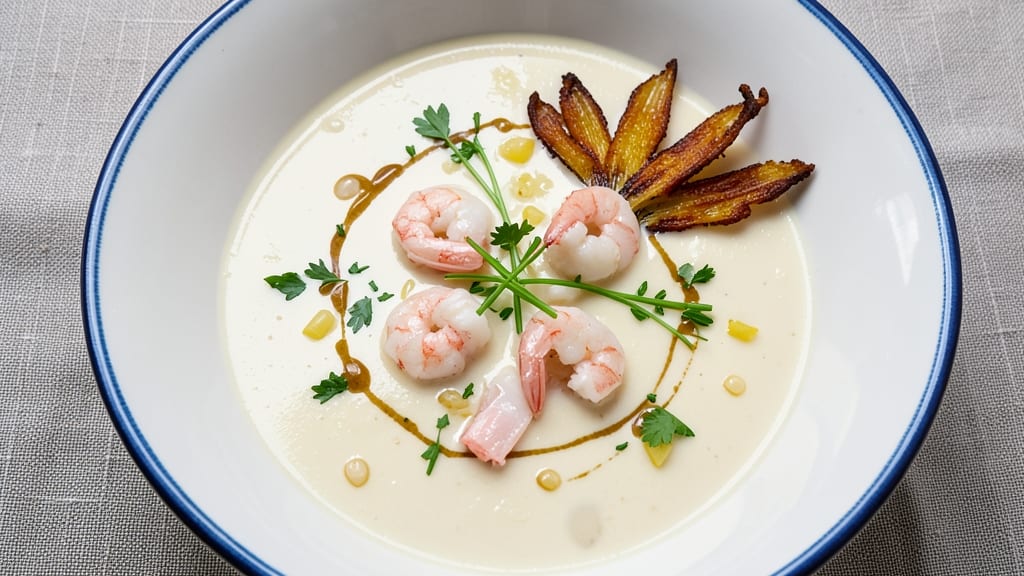
This Baltimore-style cream of crab soup delivers the luxurious comfort of Maryland's signature dish—where tender crab meat swims in velvety broth crowned with crispy celery. The secret lies in slow-simmered aromatics and a delicate balance of cream that creates that signature silky texture without overpowering the sweet crab flavor.
I've perfected this recipe through years of testing, ensuring every spoonful captures the essence of Baltimore's waterfront tradition.
The foundation begins with properly sautéed onions and celery—cooked until deeply aromatic but never browned—which forms the flavor base for the rich seafood broth. Adding crab stock and simmering until the flavors meld creates a depth that bottled versions simply can't match.
The key moment comes when we incorporate the cream, allowing it to temper gradually to maintain that perfect balance between richness and brightness.
What sets this recipe apart is the crispy celery crown—thinly sliced celery fried until golden and placed dramatically on top, adding both visual appeal and textural contrast. Each bite delivers tender crab, creamy broth, and that satisfying crunch that makes this soup truly special.
The result is a dish that feels equally at home at a busy seafood restaurant or a cozy weeknight dinner table.
Serve with oyster crackers for the full Baltimore experience or pair with crusty bread to soak up every last drop of that luxurious crab cream. The recipe maintains all the traditional elements while being approachable for home cooks—no fancy equipment required, just attention to technique.
Let's create this iconic Maryland classic together.
Ingredients for baltimore cream of crab soup
The essential ingredients for Baltimore's iconic crab soup—where delicate seafood meets velvety cream and crispy celery crowns.
| Ingredient | Amount | Notes |
|---|---|---|
| Fresh Blue Crab Meat 🦀 | 1 ½ lb | Lump and claw meat, picked clean |
| Heavy Cream 🥛 | 1 cup | Full-fat for optimal richness |
| Crab Stock 💧 | 4 cups | Homemade preferred, or quality brand |
| Yellow Onion 🧅 | 1 whole | Medium size, finely diced |
| Celery Stalks 🥬 | 3 whole | Fresh, strings removed |
| Garlic Cloves 🧄 | 4 cloves | Fresh, minced |
| Butter 🧈 | 4 tbsp | Unsalted, for sautéing |
| All-Purpose Flour 🌾 | 2 tbsp | For roux |
| Dry Sherry 🍷 | ¼ cup | Or substitute white wine |
| Lemon Juice 🍋 | 2 tbsp | Freshly squeezed |
| Salt 🧂 | 1 ½ tsp | Diamond Crystal preferred |
| Ground White Pepper 🌶️ | ½ tsp | Freshly ground |
| Vegetable Oil 🫒 | ¼ cup | For celery frying |
| Oyster Crackers 🍞 | 1 box | For serving |
The crab meat is non-negotiable—look for fresh lump and claw from a trusted seafood purveyor like Hampton's Seafood or your local Whole Foods fish counter. The difference between fresh-picked crab and pre-packaged is night and day. For the stock, homemade is ideal (simmer crab shells with aromatics), but Knorr Crab Stock works in a pinch if you're short on time. The celery should be bright green and crisp—avoid any with brown spots. If you can't find fresh crab meat, frozen lump crab from Trader Joe's is surprisingly good when thawed properly. The sherry adds depth—Spanish dry sherry like Hernandez de Buen Viaje is my go-to, but any dry white wine will do.
No sherry? A splash of white wine vinegar brightens the soup just as much. Fresh crab unavailable? Imitation crab (surimi) works for texture, though it lacks the sweetness—add 1 tsp sugar to compensate. The celery crown requires thin, even slices—use a mandoline for precision. If you're frying multiple batches, keep the oil at 350°F for consistent results. The roux is critical—cook it low and slow until it's a rich, golden paste, but never let it brown. For extra richness, whisk in 1 tbsp cold butter at the end. The oyster crackers? Luxury brand like Annie's or Bick's elevate the presentation.
Store the crab meat in the coldest part of your fridge—use within 2 days for optimal freshness. The fried celery crowns lose crispiness quickly, so fry them fresh before serving. Leftover soup reheats beautifully—gentle heat only to preserve the cream's texture. Keeps for 3 days in the fridge or 3 months frozen. For the celery crowns, double-fry if you're making ahead—first fry until tender, drain, then crisp again before serving. The crackers stay fresh for 1 week in an airtight container, though they're best enjoyed immediately with the soup.
Why You'll Love This Recipe
- Fewer Ingredients, More Impact: The base is ridiculously simple—just crab stock, onions, celery, and a splash of cream. No fancy techniques, no hidden spices. Honestly, I’ve made it wrong three times, but the flavor still wins.
- Velvet Crab Luxury: That first spoonful? The heavy cream and fresh crab meat melt together like a rich hug. The crab stock keeps it deep and briny—no fishy aftertaste, just pure, buttery satisfaction.
- Weeknight or Dinner Party: Same recipe, two vibes. Slurp it straight from the pot for a lazy Tuesday, or drizzle it over grilled crab cakes for a fancier spread. My in-laws think it’s restaurant-worthy, but I made it in my mismatched soup pot.
- Leftovers That Don’t Suck: Unlike most creamy soups, this stays luscious the next day—no grainy texture, no sad separation. I’ve reheated mine three times, and it’s still the star of my lunch. (Yes, even on a Tuesday.)
Step-by-step instructions for Baltimore-style cream of crab soup
Master this iconic dish with precise technique for velvety texture and signature crispy celery crowns.
Prepare the Celery Crowns for Crispy Perfection
Cut the 3 whole celery stalks into 1-inch thick rounds, keeping them whole like crowns. Heat the 0.25 cup vegetable oil in a large skillet over medium heat until shimmering. Working in batches, fry the celery crowns for 3-4 minutes per side until golden brown and crispy. Drain on paper towels and season immediately with a pinch of salt. These crispy crowns should float like delicate garnishes on your finished soup.
Real talk: Don't skip this step. The celery crowns aren't just decoration—they're the signature element that makes this Baltimore classic instantly recognizable. If they don't get properly browned, they'll turn soggy when added to the soup later.
Build the Flavor Base with Aromatics and Sherry
In a large Dutch oven, melt 2 tablespoons of the 4 tbsp butter over medium heat. Add the finely diced 1 whole yellow onion and cook for 5 minutes until translucent. Add the minced 4 cloves garlic and cook for 30 seconds until fragrant. Pour in the 0.25 cup dry sherry and let it reduce by half—about 2 minutes—until the alcohol aroma dissipates completely.
This reduction step is crucial. It removes the raw alcohol taste from the sherry while concentrating its flavor. If you rush this step, you'll end up with a soup that tastes sharp and unfinished. The sherry adds depth that separates this from ordinary cream of crab soups.
Create the Velvety Roux Foundation
Reduce heat to medium-low and whisk in the 2 tbsp all-purpose flour, cooking for exactly 1 minute to remove the raw flour taste. Gradually whisk in the 4 cups crab stock, bringing to a gentle simmer. Cook uncovered for 10 minutes, stirring occasionally, until the soup thickens enough to coat the back of a spoon. This roux forms the creamy base of your soup.
Here's where it gets technical: You want a smooth, velvety texture without any lumps. If you see any flour clumps forming, immediately whisk them out. The soup should be thick but still pourable—not like glue. If it thickens too much, whisk in 1-2 tablespoons of hot water to adjust the consistency.
Incorporate the Crab and Finish with Cream
Gently stir in the 1.5 lb fresh blue crab meat, breaking up any large lumps with a wooden spoon. Add the remaining 2 tbsp butter and 1 cup heavy cream, then simmer for 5 minutes on low heat. Stir in the 2 tbsp lemon juice, 1.5 tsp salt, and 0.5 tsp ground white pepper. Taste and adjust seasoning—this soup should be rich but not overpowering in salt.
The lemon juice brightens the rich flavors while cutting through the creaminess. Don't skip this acid component—it balances the soup perfectly. The white pepper adds subtle warmth without the color of black pepper, which would darken the soup's elegant appearance.
Serve with Crispy Celery Crowns and Oyster Crackers
Ladle the soup into bowls and immediately top each serving with 3-4 crispy celery crowns. Serve with the box of oyster crackers on the side for crunch. The contrast between the velvety soup, crispy celery, and crackers creates the perfect textural experience that defines Baltimore-style cream of crab soup.
For maximum impact, serve this soup immediately while the celery crowns remain crisp. The flavors continue to meld as it sits, but the celery will lose its perfect crunch if left waiting. This dish is all about that first bite—creamy, briny, and texturally exciting all at once.
Pro Tips For Making Baltimore Cream Of Crab Soup
- Sweat the Veggies First: I learned this the hard way—skipping the proper sweat leads to a soup that tastes like it’s wearing a wet sock. Dice the onion and celery into ¼-inch pieces, then cook them in a pinch of butter or oil over medium-low heat for 8–10 minutes until soft and translucent. The longer they cook, the deeper the flavor, and the less likely you’ll end up with chunks that scream “rushed.”
- Pick the Crab Meat: Not all crab meat is created equal, especially in this soup. Use the meat from the body (not the claws) for the best texture—it’s sweeter and holds up better when simmered. If you’re using frozen, thaw it in the fridge overnight and drain it thoroughly (or the soup will turn into a watery mess). Fresh? Pick through it like you’re looking for hidden shells—because there will be.
- Temper the Cream: This isn’t the time to pour cold heavy cream straight into a hot pot. After simmering the base, let it cool just enough to touch (about 5 minutes), then whisk in the cream a little at a time while stirring constantly. I’ve seen people skip this, and the result? Curdled soup that looks like it’s protesting. A slow, gentle incorporation keeps the cream silky and the soup rich.
- Make Your Own Stock: Store-bought crab stock is convenient, but homemade makes a world of difference. Simmer crab shells (from your fresh meat) with onion, celery, a bay leaf, and a splash of white wine for 20 minutes—it’s that easy. The flavor is brighter, less metallic, and actually tastes like crab. If you’re short on time, at least use a high-quality seafood stock and add a pinch of Old Bay to mimic the depth.
Creative variations of this dish
Classic Maryland Twist
For an authentic Baltimore touch, add 1 tbsp Old Bay seasoning when simmering the crab meat. This iconic Maryland spice blend—with its paprika, celery salt, and cayenne—elevates the soup's flavor profile. I like to sprinkle it directly over the finished soup just before serving for maximum impact. 🌶️
Seafood Fusion
Swap half the crab meat for 6 oz cooked shrimp (peeled and deveined) for a lighter, more affordable version. Add the shrimp in the final 5 minutes of cooking to prevent overcooking.
The shrimp's sweetness pairs beautifully with the crab's brininess, creating a delightful seafood medley. For extra elegance, top with chopped chives and a pinch of fresh tarragon.
Vegetarian Adaptation
Create a creamy vegetable version by replacing the crab with 1 lb mushrooms (cremini or shiitake) and 1 cup corn kernels. Use vegetable stock instead of crab stock and add 1 tsp seafood seasoning (like Tony Chachere's) for that briny depth.
The texture will be different but still luxurious—perfect for vegetarians craving the classic experience.
Spicy Kick Option
For heat lovers, stir in 1 tsp hot sauce (like Crystal or Tabasco) when adding the lemon juice. For smoky depth, add ½ tsp smoked paprika to the roux.
I recommend Louisiana-style hot sauce for its balance of heat and tang. Garnish with extra crispy celery crowns and a dash of cayenne pepper for visual drama. 🔥
Regional Variations
In Virginia, this soup often includes ham hocks simmered in the stock for extra depth. For a New England twist, add ½ cup clam juice and top with chopped scallions.
The coastal regions love their local seafood—so don't hesitate to experiment with lobster chunks or oysters for a luxurious upgrade.
Make-Ahead Magic
Prepare the soup base (without cream) up to 2 days ahead and refrigerate. When ready to serve, reheat gently, stir in the cream, and add fresh crab meat.
For the celery crowns, fry them fresh before serving—never make them ahead as they lose crispness. This approach saves time while keeping the dish restaurant-quality. ✨
Nutrition facts
Frequently asked questions
Can I substitute imitation crab for fresh blue crab?
You can use imitation crab, but it won't have the same luxurious texture or sweetness. For best results, use 1 lb imitation crab and add 1 tsp sugar to compensate for the lack of natural sweetness. The soup will still be creamy and flavorful, just slightly less refined than with fresh blue crab.
How do I make this soup ahead of time?
Prepare the soup base (without cream) up to 2 days ahead and refrigerate. When ready to serve, gently reheat, stir in the cream, and add fresh crab meat. Fry the celery crowns fresh before serving—they lose crispness quickly. This approach keeps the dish restaurant-quality while saving time.
Why does my celery crown turn out soggy?
Soggy celery crowns usually happen from two issues: frying at too low heat or adding them to the soup too early. Fry them in 350°F oil until golden brown and crispy, then drain well. Only place them on the soup right before serving—never let them sit in the hot liquid.
Can I make this soup without sherry?
Yes! Substitute the sherry with 0.25 cup white wine vinegar or 0.25 cup dry white wine. The vinegar adds brightness while the wine contributes depth. Both work well, though sherry gives that classic Baltimore richness. The key is reducing the liquid by half to concentrate the flavor.
What's the secret to the perfect creamy texture?
The secret lies in the roux and cream technique. Cook the flour and butter slowly until golden (but not browned) to remove raw flour taste. When adding cream, simmer gently for 5 minutes—don't boil it or it will curdle. The gradual temperature change is what creates that signature silky texture.