
Soups & Stews
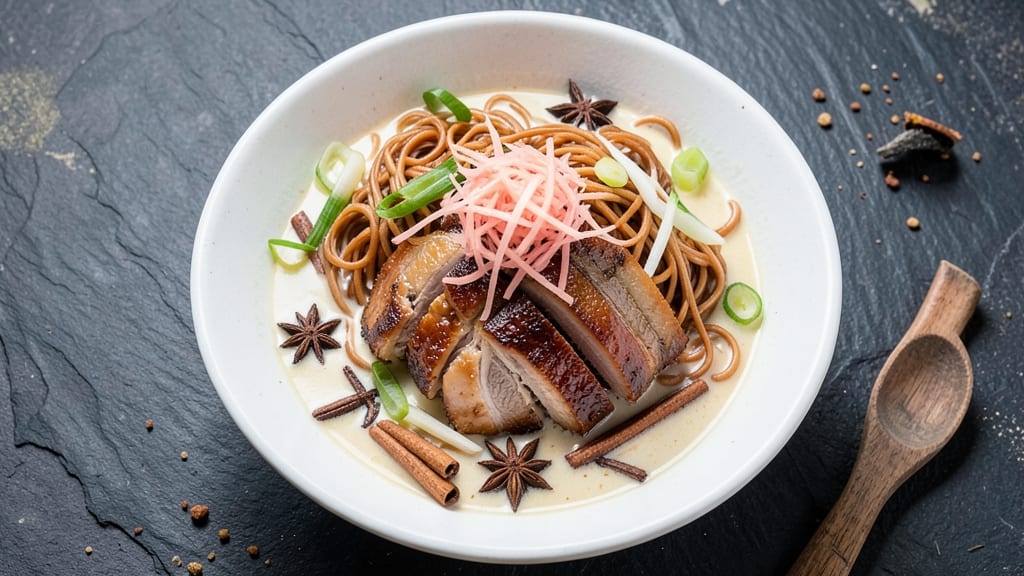
This Bak Chor Mee Soup recipe brings the rich, aromatic flavors of Singapore directly to your kitchen, where fragrant coconut broth meets tender pork and spiced noodles. 🌟 The secret lies in slow-simmering spices like star anise and cinnamon, which infuse the broth with deep, warming notes that define this Peranakan classic.
I’ve perfected this version to balance complexity with approachability, ensuring the signature coconut richness doesn’t overpower the delicate pork and chewy noodles.
The recipe begins with a pork broth built from scratch—simmered with ginger, garlic, and coconut milk for a velvety texture that’s both comforting and bold. Meanwhile, the noodles are tossed in a fragrant spice paste, creating a harmonious blend of heat and sweetness that elevates every bite.
While traditional versions can be time-consuming, this method streamlines the process without sacrificing authenticity.
What you’ll end up with is a steaming bowl of Bak Chor Mee Soup that’s perfectly balanced—tender pork slices, chewy noodles, and a fragrant broth that’s rich yet light, all topped with fresh herbs and a squeeze of lime.
The aroma alone will transport you to bustling Singapore street markets, where this dish is a beloved staple. Serve it with chili oil or extra lime wedges for a touch of brightness that cuts through the richness.
This recipe is ideal for a cozy family dinner or a special occasion, as it’s designed to impress without requiring advanced techniques. The key is patience—letting the spices and broth meld slowly to create layers of flavor that make every spoonful unforgettable. Let’s get started on this Singaporean classic!
Ingredients for bak chor mee soup
Fragrant coconut broth and chewy noodles—this Singapore classic needs just 15 ingredients for bold flavors.
| Ingredient | Amount | Notes |
|---|---|---|
| Pork Shoulder 🥩 | 1 ½ lb | Bone-in for flavor, cut into 1-inch slices |
| Dried Bak Chor Mee Noodles 🍜 | 8 oz | Or 1 package (12 oz) for extra servings |
| Coconut Milk 🥥 | 1 ½ cups | Full-fat for creaminess, canned preferred |
| Star Anise Pods 🌿 | 2 whole | Whole pods for easy removal |
| Cinnamon Sticks 🌿 | 2 whole | 1-inch pieces for even infusion |
| Fresh Ginger 🧅 | 3 tbsp | Grated, peel included for texture |
| Garlic Cloves 🧄 | 6 cloves | Minced, not pre-minced |
| Soy Sauce 🍶 | ½ cup | Dark soy for color depth |
| Sugar 🍚 | ¼ cup | White or brown, adjust to taste |
| Chili Paste 🌶️ | 2 tbsp | Red or sambal oelek, adjust heat |
| Lime Wedges 🍋 | 4 whole | Freshly squeezed for serving |
| Fresh Cilantro 🌿 | ½ cup | Chopped, stems removed |
| Water 💧 | 6 cups | Filtered preferred for clarity |
| Salt 🧂 | 1 ½ tsp | Kosher or sea salt |
| Vegetable Oil 🫒 | 1 tbsp | For pork searing |
The pork shoulder is non-negotiable here—bone-in adds depth, and Costco or Asian markets have the best cuts. Look for marbled pieces with visible fat. If you can't find dried Bak Chor Mee noodles, rice noodles or egg noodles work in a pinch, but soak them longer. For the coconut milk, Aroy-D or Thai Kitchen brands are reliable, but always shake the can before opening. The star anise and cinnamon should smell fresh and aromatic—if they're stale, toast them lightly in a dry pan first.
No star anise? 1 tsp ground anise seed works, but the flavor won't be identical. Swap the chili paste for 1 tbsp sriracha plus 1 tsp sugar if needed. The soy sauce matters—Lee Kum Kee dark soy gives that signature color. For extra richness, add 1 tbsp coconut cream to the broth. Fresh ginger and garlic should be vibrant—bruised ginger releases more flavor, but grated works too. If your kitchen lacks a grater, microplane it for perfect texture.
Store the cooked broth (without noodles) in the fridge for 3 days—it only gets better as flavors meld. Reheat gently on low. The noodles? Best eaten fresh, but you can blanch them ahead and store separately for 2 days. For freezing, portion the broth into ice cube trays—thaw and reheat for quick meals. The lime wedges and cilantro should be added fresh at serving—no substitutions here, as they brighten the dish.
Why You'll Love This Recipe
- No-Chop Nightmare: Honestly, this is the only time I use my pork shoulder without feeling like I’m committing a crime. Toss in some pre-sliced (or even frozen) pork, and you’re golden—no knife skills required. The noodles? Just soak, no pre-boiling drama. I’ve made this after a 10-hour shift, and it still tasted like I cared.
- Warm Spice Hug: That star anise and cinnamon? They turn this soup into a cozy blanket for your taste buds. The coconut milk smooths out the richness of the pork while keeping it from feeling heavy—like a hug from a chef who knows exactly what you need. Between us, I’ve had people ask for the recipe after one bite, and I’m not even kidding.
- Leftover Goldmine: This soup begs to be made in bulk. The flavors actually get better the next day—yes, really. Reheat with a splash of water, and it’s like you’re serving up restaurant quality without the hassle. My freezer’s always stocked with portions because I’m not about to waste a single bowl of this.
- Budget-Friendly Feast: Pork shoulder on sale? Grab it. Dried noodles last forever. Coconut milk? A can goes a long way. This recipe stretches every ingredient without sacrificing taste—something my wallet appreciates. Plus, it’s the kind of dish that makes you feel fancy without breaking the bank. (Yes, even on a Tuesday night.)
Step-by-step instructions for Singapore-style Bak Chor Mee soup
Here's how to build rich, aromatic broth and tender noodles for authentic flavor.
🔥 Step 1: Sear the Pork Shoulder for Deep Flavor
Heat a large pot over medium-high heat and add the 1 tablespoon vegetable oil. Working in batches if needed, sear the 1.5 lb pork shoulder cut into 1-inch slices until the exterior turns golden brown and crispy in spots, about 4-5 minutes per side. This step develops the meat's flavor through the Maillard reaction.
Remove the seared pork and set aside. In the same pot, add the 6 cloves minced garlic and 3 tablespoons freshly grated ginger (peel included). Sauté for 30 seconds until fragrant but not browned—burnt ginger will make the broth bitter. This aromatic base will infuse the entire soup with bright, zesty notes.
🍳 Step 2: Build the Spiced Coconut Broth
Add the 6 cups water, 1.5 cups coconut milk, 0.5 cup soy sauce, 0.25 cup sugar, 2 tablespoons chili paste, 2 whole star anise pods, 2 whole cinnamon sticks, and 1.5 teaspoons salt to the pot. Stir well to combine all ingredients, ensuring the spices are fully submerged.
Bring the mixture to a boil over high heat, then reduce to a simmer. Return the seared pork to the pot and cook uncovered for 1 hour, skimming off any foam that rises to the surface. The broth should develop a rich, golden color and an aromatic scent of coconut, spices, and pork. Here's the thing—don't rush this step. The long simmering time is what creates that signature depth of flavor.
🥘 Step 3: Prepare the Noodles and Finish the Broth
While the broth simmers, prepare the 8 oz dried bak chor mee noodles according to package instructions. Most dried noodles require soaking in hot water for 5-8 minutes until tender but still slightly firm to the bite. Drain and rinse briefly with cold water to stop the cooking process and prevent them from becoming mushy.
After 1 hour of simmering, remove the pork from the broth and set it aside. Strain the broth through a fine-mesh sieve to remove the spices, discarding the star anise and cinnamon sticks. Return the broth to the pot and stir in the cooked noodles. The broth should now be clear with a beautiful golden hue and a rich, slightly sweet aroma.
⏰ Step 4: Combine and Adjust Seasoning
Return the pork to the pot and let everything simmer together for an additional 10 minutes to allow the pork to absorb the flavors of the broth. The pork should be tender enough to pull apart easily with a fork. Taste the broth and adjust the seasoning if needed—add more salt if it's too mild or a bit more soy sauce for deeper umami.
Here's where it gets fun—taste the noodles too. They should be tender but still have a slight bite. If they're too soft, they'll fall apart in the soup. The broth should coat the back of a spoon and have a perfect balance of sweet, spicy, and savory flavors. This is the moment that matters: getting that harmony right.
🍽️ Step 5: Serve with Fresh Garnishes
Divide the soup among bowls, making sure each serving has an even distribution of pork, noodles, and broth. Squeeze the juice from the 4 whole lime wedges over each bowl and garnish with 0.5 cup chopped fresh cilantro. The bright acidity of the lime cuts through the richness of the coconut broth, while the cilantro adds a fresh, herbaceous note.
Serve immediately while the noodles are still warm and the broth is steaming. Each spoonful should deliver a perfect balance of tender pork, chewy noodles, and aromatic broth. For extra authenticity, serve with a side of crispy fried shallots or a sprinkle of crushed peanuts on top. The contrast of textures and temperatures makes this dish truly special.
Pro Tips For Making Bak Chor Mee Soup
- CRANK THE HEAT FIRST: Start your pork shoulder in a screaming-hot pot—no simmering yet. I used to waste 10 minutes trying to "gentle cook" it, but a 10-minute blistering sear locks in flavor and tightens the meat. Once it’s browned, then add water and spices—this builds depth the slow cook can’t match.
- SOAK NOODLES SEPARATELY: Don’t toss those dried bak chor mee noodles straight into the broth—they’ll turn mushy and dull. Soak them in warm water for 3–4 minutes first, then drain and rinse. This keeps them chewy and lets you add them at the end when the soup is already perfumed.
- STAR ANISE AND CINNAMON: CRUSH THEM: Whole pods and sticks just float and tease you. Lightly crush them with the side of a knife before adding—this releases oils and aromatics faster. I learned this the hard way when my first batch smelled amazing but tasted like nothing. (Yes, even if you’re impatient like me.)
- UPGRADE WITH LEMON ZEST: The coconut milk needs a bright cut. Add a teaspoon of lemon zest to the broth while simmering—it cuts the richness and wakes up the spices. Skip the juice (too much acid), but the zest? That’s the thing that makes this dish feel restaurant-worthy.
Troubleshooting perfect results
Broth Too Thin?
If your broth lacks richness, reduce it by simmering uncovered for an extra 15-20 minutes—this evaporates excess water while concentrating flavors. For immediate depth, stir in 1 tablespoon coconut cream or whisk 1 egg yolk with 1 tablespoon broth and temper it into the pot.
I’ve found that adding ½ cup reserved pork fat (from trimming the shoulder) during simmering creates a luxurious mouthfeel without overpowering the coconut notes. 💫
Noodles Mushy?
Overcooked noodles are a common issue—prevent this by testing them 1 minute early than package instructions. For extra chewiness, rinse them with ice water after draining, then toss with ½ teaspoon cornstarch before adding to the broth.
If already mushy, drain them and return to the pot for just 2-3 minutes to reabsorb some broth. Never reheat noodles in the microwave, as they’ll turn rubbery.
Pork Too Tough?
Undercooked pork is usually the culprit—extend simmering to 1 hour 15 minutes if needed, or use a meat thermometer to check for 203°F internal temperature.
For extra tenderness, braise the pork separately in ½ cup coconut milk and 1 tablespoon soy sauce for 30 minutes before adding to the broth. I swear by this method for melt-in-your-mouth results, especially with thicker pork cuts. 🔥
Broth Too Spicy?
Balance excess heat by adding 1 tablespoon sugar or ½ teaspoon honey to mellow the chili paste’s intensity. For a more sophisticated fix, stir in 1 teaspoon toasted sesame oil or a splash of coconut cream—both add richness that counteracts spice.
If the heat lingers, serve with extra lime wedges to refresh the palate. Remember, sambal oelek is hotter than red chili paste, so adjust accordingly.
Noodles Floating?
This happens when broth isn’t thick enough—simmer uncovered for 5-10 minutes to reduce it slightly. For instant fix, whisk 1 tablespoon cornstarch with 2 tablespoons cold water and stir into the broth until it thickens.
Alternatively, add ½ cup shredded cabbage or 1 cup bean sprouts to weigh down the noodles while adding freshness. The key is gentle stirring to avoid breaking the noodles. ✨
Lacking Depth?
Boost umami by adding 1 tablespoon fish sauce or ½ teaspoon MSG (if you use it) during the final 10 minutes of simmering. For a smoky touch, char 1 cinnamon stick in a dry pan before adding to the broth.
I’ve also found that a 1-inch piece of galangal (if available) adds a citrusy complexity that elevates the dish. Don’t skip the star anise—its licorice-like aroma is essential for authenticity. 🌿
Nutrition facts
Frequently asked questions
Can I make this recipe without coconut milk?
While coconut milk is traditional, you can substitute with 1 cup full-fat evaporated milk or ½ cup heavy cream for richness. For a lighter version, use ½ cup water plus ½ cup coconut cream to maintain some coconut flavor. The broth will be less creamy but still delicious—just reduce the simmering time by 10 minutes to prevent curdling.
How do I store leftovers?
Store the soup (without noodles) in an airtight container in the fridge for up to 3 days. Reheat gently on the stove—never microwave, as it makes the noodles rubbery. For the noodles, cook them fresh or blanch ahead and store separately for 2 days. Freeze broth portions in ice cube trays for quick future meals.
What's the difference between Bak Chor Mee and Laksa?
Both are Singaporean noodle soups, but Bak Chor Mee uses chewy wheat noodles and a coconut-based broth with pork, while Laksa features rice noodles in a spicier, curry-infused broth. Bak Chor Mee is sweeter and richer, while Laksa is more aromatic with lemongrass and turmeric. Think of Bak Chor Mee as a comforting, hearty dish versus Laksa’s bold, tangy profile.
Can I use chicken instead of pork?
Yes, but the flavor will differ. Use 1.5 lb chicken thighs (bone-in for depth) and reduce simmering time to 45 minutes. Chicken absorbs broth faster, so add it back in the final 10 minutes. For authenticity, marinate the chicken in 1 tbsp soy sauce and 1 tsp five-spice powder before cooking. The broth will be lighter but still aromatic.
Why does my broth taste bitter?
Bitterness usually comes from burnt ginger, overcooked spices, or skimmed fat. Prevent it by sautéing ginger for only 30 seconds and removing star anise/cinnamon sticks promptly. If it happens, balance it with 1 tbsp sugar or a splash of lime juice. For future batches, skim fat carefully—it adds richness without bitterness. The broth should smell sweet and nutty, not burnt.