
Soups & Stews
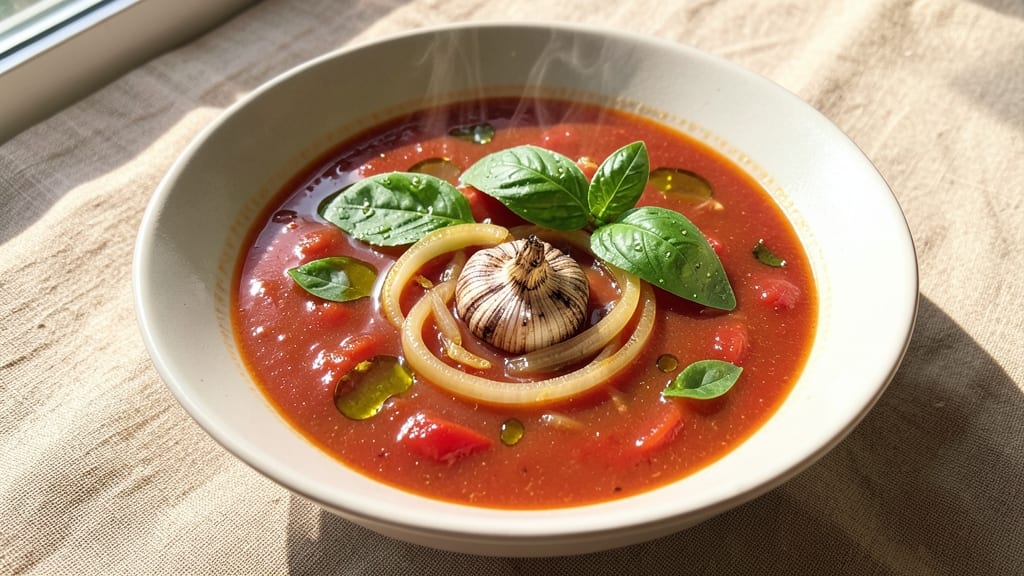
This authentic Italian tomato soup recipe brings the flavors of a Tuscan countryside kitchen to your pot, where every spoonful tells a story of sun-ripened tomatoes and fragrant basil. 🌿 The secret lies in using high-quality San Marzano tomatoes—sweeter, meatier, and far superior to their canned counterparts—and letting them simmer low and slow until their natural sugars caramelize into a velvety, deeply flavorful broth.
I've perfected this version over years of testing, balancing acidity with rich olive oil and garlic for that perfect Italian equilibrium.
What sets this recipe apart is its simplicity and authenticity—no heavy cream, no shortcuts. Just a few essential ingredients: garlic, olive oil, fresh basil, and a touch of Parmesan that elevates the dish from ordinary to extraordinary.
The key technique is a gentle simmer, allowing the tomatoes to break down into a luscious, rustic soup that tastes like summer in a bowl. Unlike many modern versions, this recipe stays true to its roots, with no added sugars or artificial flavors.
The result is a soup that’s rich yet light, with a perfect balance of acidity and sweetness. The basil infuses the broth with its bright, aromatic essence, while the Parmesan adds a savory depth that makes every bite satisfying.
This isn’t just soup—it’s a taste of Italy, simple enough for a weeknight but impressive enough for guests. Serve it with crusty bread to soak up every last drop of that golden, basil-speckled broth.
Whether you're a seasoned home cook or new to Italian cuisine, this recipe delivers restaurant-quality results with minimal effort. The beauty of this dish lies in its versatility—enjoy it as a light lunch, a comforting dinner, or even a starter for a special occasion.
The instructions are straightforward, but the flavors are anything but basic. Let’s get cooking!
Ingredients for authentic italian tomato soup
San Marzano tomatoes, fresh basil, and quality olive oil deliver authentic Italian flavors in this rustic soup.
| Ingredient | Amount | Notes |
|---|---|---|
| San Marzano Tomato Cans 🍅 | 28 oz | Whole peeled, no salt added |
| Extra-Virgin Olive Oil 🫒 | ½ cup | High quality, fruity |
| Garlic Cloves 🧄 | 4 cloves | Fresh, peeled and minced |
| Fresh Basil Leaves 🌿 | ½ cup | Packed, stems removed |
| Yellow Onion 🧅 | 1 whole | Medium, chopped |
| Vegetable Broth 💧 | 2 cups | Low-sodium preferred |
| Parmesan Cheese 🧀 | ¼ cup | Freshly grated from block |
| Salt 🧂 | 1 tsp | Diamond Crystal kosher |
| Black Pepper 🌶️ | ½ tsp | Freshly ground |
| Crusty Bread 🍞 | 4 slices | For serving, toasted |
| Red Wine Vinegar 🍷 | 1 tbsp | For balancing acidity |
The San Marzano tomatoes are non-negotiable here—look for the DOP label at Italian markets or specialty stores like Eataly. Their natural sweetness and low acidity create that perfect Italian balance. For the olive oil, avoid the cheap stuff—brands like ColavitaOlio Santo make a noticeable difference. Fresh basil matters too; grab it from the farmers market if possible—those sad plastic containers at the grocery store just won't cut it. The Parmesan should be real Parmigiano-Reggiano, freshly grated from a wedge for maximum flavor.
No San Marzano tomatoes? San Marzano-style crushed tomatoes from a can work in a pinch, but expect slightly less sweetness. Fresh basil wilted? Dried basil at one-third the amount gets you close, though it lacks that bright aroma. Short on vegetable broth? Water plus a bouillon cube works, but homemade is always better. The red wine vinegar can be swapped for lemon juice if you prefer, though it changes the flavor profile slightly. For the crusty bread, any good baguette or sourdough will do—just toast it until crisp.
This soup tastes even better the next day as flavors meld. Store in the fridge for up to 5 days in an airtight container. The basil will wilt, so add fresh leaves when reheating. For freezing, portion into containers and keep for up to 3 months. The bread? Toast it fresh before serving—nothing beats warm, crispy bread with this soup. Leftovers reheat beautifully; just add a splash of water or broth if it thickens too much.
Why You'll Love This Recipe
- No-Fuss Pantry Staple: I swear by this when I’m staring at a fridge full of nothing but a can of San Marzanos and a head of garlic. The onions caramelize in minutes, and the basil finishes it off—no fancy techniques, just honest flavor.
- Sunshine in a Bowl: That first spoonful of soup, bright with olive oil and fresh basil, tastes like summer in Italy. The San Marzanos give it a depth that canned tomatoes alone never could—sweet, rich, and just a little tangy.
- Weeknight to Dinner Party: I’ve served this to my book club (with crusty bread) and my tired self on a Tuesday (with grilled cheese). It’s the same recipe, but somehow always feels special—whether it’s a quick lunch or a cozy starter.
- Budget That Packs Punch: A single can of tomatoes and a few cloves of garlic stretch to feed four for less than $5. The leftovers? Even better the next day—thicker, more concentrated, and still delicious. My wallet and my freezer thank me.
Step-by-step instructions for authentic Italian tomato soup
This rustic method delivers the deep, vibrant flavors of Italian tomato soup—simple yet refined.
🍳 Step 1: Sauté Aromatics in Olive Oil
Heat the 0.5 cup extra-virgin olive oil in a large pot over medium heat. Add the 1 whole yellow onion and cook for 5-6 minutes until softened and translucent. This gentle cooking releases the onion's natural sweetness without browning.
Add the 4 cloves minced garlic cloves and cook for 30 seconds until fragrant—don't let it brown or it'll turn bitter. The garlic should smell pungent and vibrant, signaling it's ready to release its full flavor into the soup.
🍳 Step 2: Build the Tomato Base
Pour in the 28 oz San Marzano tomato cans (crushed by hand if possible) and the 2 cups vegetable broth. Stir well to combine, then bring the mixture to a gentle boil over medium-high heat. Once boiling, reduce heat to low and let it simmer uncovered for 20 minutes.
This simmering time allows the tomatoes to break down naturally, developing a deep, concentrated flavor. You'll notice the soup thicken slightly as excess liquid evaporates—this is exactly what we want for an authentic texture.
🥘 Step 3: Finish with Basil and Acid
After simmering, stir in the 0.5 cup fresh basil leaves and 1 tbsp red wine vinegar. The basil should be torn by hand for maximum flavor release, and the vinegar will brighten the dish with a subtle tang. Let the soup cook for another 5 minutes to meld all the flavors together.
Season with 1 tsp salt and 0.5 tsp black pepper, adjusting to taste. The salt should enhance all the flavors without overpowering them, while the pepper adds a subtle warmth that balances the acidity.
🍽️ Step 4: Serve with Crusty Bread
Ladle the hot soup into bowls and top each serving with 1 tbsp freshly grated Parmesan cheese. The cheese should be freshly grated from a block for the best texture and flavor—it melts beautifully into the soup and adds a rich umami depth.
Serve immediately with the 4 slices toasted crusty bread on the side. The bread's crispy exterior and soft interior provide the perfect contrast to the smooth, velvety soup. Each bite should deliver a perfect balance of sweet tomatoes, aromatic basil, and the satisfying crunch of fresh bread.
Pro Tips For Making Authentic Italian Tomato Soup
- Sweat the Onion Low: I used to rush this and end up with bitter onion bits—don’t. Cook the diced yellow onion in the olive oil over medium-low heat for 8-10 minutes until it’s soft and translucent, not golden. This builds flavor without overpowering the tomatoes, and you’ll taste the difference when you add the garlic.
- Crush Garlic, Don’t Mince: Skip the fine mincing—crush 3-4 cloves with the flat side of your knife first. This releases more aroma and prevents the soup from tasting like garlic paste. Sauté until fragrant (just 30 seconds) before adding the tomatoes, or it’ll turn bitter.
- Simmer, Don’t Boil: After adding the San Marzano tomatoes, keep the heat at a gentle simmer—not a rolling boil. High heat breaks down the tomatoes too fast, making the soup watery and losing that rich, jammy texture. A 20-minute simmer is all you need.
- Add Basil Late: Toss in the fresh basil leaves only at the very end—no matter how tempting it is to add them early. The heat will turn them bitter, and you’ll end up with a sad, mushy mess. A handful of whole leaves at the end keeps them bright and aromatic.
Creative variations of these flavors
Tuscan Rustic Style
In Tuscany, this soup is often made with whole peeled tomatoes simmered until they burst naturally, creating a chunkier texture. I like to add ½ cup diced pancetta (cooked until crispy) for extra depth—it adds a smoky, salty richness that pairs perfectly with the tomatoes.
For an even more rustic touch, finish with a drizzle of high-quality extra-virgin olive oil right before serving. The Tuscan version often skips the vinegar, relying instead on the natural acidity of the tomatoes. 🌿
Roman Simplicity
Roman tomato soup tends to be smoother and slightly sweeter, often incorporating a splash of dry white wine (like Frascati) during cooking. I add ½ cup finely chopped celery along with the onion for a more refined flavor profile.
The Romans also frequently serve this soup with grilled porchetta or cured meats on the side, creating a hearty meal. For an authentic Roman touch, stir in 1 tsp sugar at the end to balance the acidity—just enough to enhance the natural sweetness of the tomatoes.
Northern Italian Twist
Up north, particularly in Lombardy, this soup often includes a handful of fresh sage leaves along with the basil, adding an earthy, pine-like aroma. I like to use a mix of San Marzano tomatoes and a few fresh tomatoes (about 2 medium) for a brighter, fresher taste.
For extra richness, stir in 2 tbsp heavy cream at the very end—just enough to make the soup velvety without overpowering the tomato flavor. This version pairs beautifully with polenta instead of bread, offering a comforting, creamy contrast.
Vegetarian-Friendly Upgrade
For a vegetarian version that still feels hearty, add ½ cup cooked white beans (like cannellini) to the soup during the final 5 minutes of simmering. The beans add protein and texture while soaking up the flavors.
I also like to include ½ cup finely diced zucchini or eggplant for extra freshness. Top with extra Parmesan and a sprinkle of chili flakes for a satisfying, plant-based meal that still feels indulgent. 💚
Spicy Calabrian Kick
If you love heat, give this soup a Calabrian twist by adding 1 tbsp Calabrian chili paste (like 'Nduja) along with the garlic. This spicy spread adds a deep, smoky heat that pairs perfectly with the tomatoes.
For an extra layer of flavor, stir in ½ cup chopped 'nduja (the spicy spread) at the end—just enough to give the soup a fiery finish. Serve with crusty bread for dipping, and don’t forget the fresh basil to balance the heat.
This version is a showstopper for spice lovers! 🌶️
Winter Comfort Version
For a cozier winter adaptation, add 1 cup shredded kale or Swiss chard to the soup during the final 10 minutes of simmering. The greens wilt beautifully, adding a subtle earthiness that complements the tomatoes. I also like to include ½ cup cooked farro or barley for extra heartiness.
Finish with a drizzle of truffle oil (just ½ tsp) for a luxurious touch that feels perfect for chilly evenings. This version is like a warm hug in a bowl—ideal for cold weather. ❄️
Nutrition facts
Frequently asked questions
Why do I need San Marzano tomatoes for authentic flavor?
San Marzano tomatoes are the gold standard for Italian tomato dishes because their sweet, low-acid profile creates that perfect balance of flavors. Their thick flesh and natural sweetness develop deeper caramelized notes during simmering, unlike regular canned tomatoes which can taste watery or overly acidic. Look for the DOP label (Protected Designation of Origin) at specialty stores for the best quality.
Can I make this soup without vinegar?
Yes! The vinegar simply brightens the natural acidity of the tomatoes. If you prefer, use 1 tsp lemon juice or skip it entirely—just be aware the flavor will be slightly less balanced. The Tuscan version often omits vinegar, relying on the tomatoes' natural acidity instead. Taste as you go and adjust to your preference.
How do I prevent the soup from becoming too acidic?
Balance acidity by adding a pinch of sugar (½ tsp) or a splash of dry white wine (¼ cup) during cooking. The key is simmering the tomatoes uncovered for 20+ minutes—this lets excess liquid evaporate while concentrating the natural sweetness. Fresh basil also helps neutralize acidity with its bright, aromatic notes.
What's the best way to store leftovers?
Store in an airtight container in the fridge for up to 5 days. The basil will wilt, so add fresh leaves when reheating. For freezing, portion into containers and keep for 3 months. Thaw overnight in the fridge—never microwave directly from frozen. The texture holds up beautifully when reheated gently on the stove.
Can I add pasta to this soup?
Traditionally, this Italian tomato soup is served as a broth-based dish rather than a pasta soup. However, you can add ½ cup small pasta (like ditalini or orzo) during the final 5 minutes of cooking if you prefer. For authenticity, serve the pasta on the side for dipping instead. The soup's natural richness pairs beautifully with crusty bread or grilled meats.