
Soups & Stews
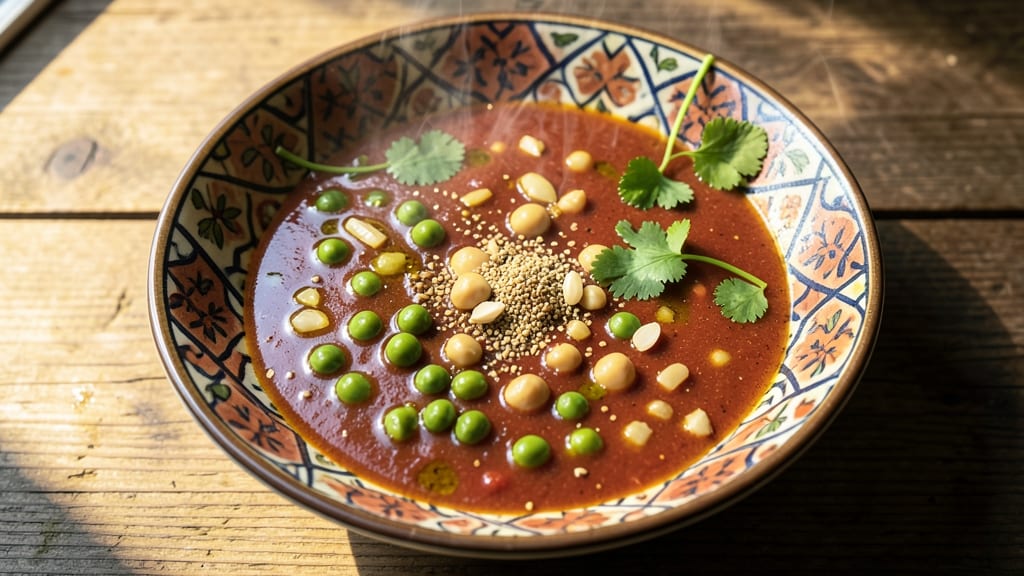
This authentic harira soup recipe brings the heart of Moroccan Ramadan traditions to your kitchen, where fragrant spices and tender legumes create a dish as comforting as it is culturally rich.
The key lies in slow-simmered tomatoes, earthy lentils, and chickpeas—all infused with cumin, coriander, and turmeric for that signature depth. I’ve perfected this version after years of testing, ensuring every spoonful delivers the same warmth and nostalgia families experience during Ramadan feasts.
The beauty of harira lies in its simplicity yet complexity: a broth so rich it feels like a hug, yet light enough to break the fast.
Traditional recipes call for lamb or beef, but this vegetarian version proves just as satisfying—especially when garnished with fresh parsley and a drizzle of olive oil. The secret? Blending half the soup creates that velvety texture while keeping the other half chunky for texture contrast.
What you’ll end up with is a fragrant, golden soup that steams with the essence of Morocco—tomatoes caramelized into sweetness, lentils tender yet holding their shape, and chickpeas adding hearty substance. The spices bloom slowly, layering flavors that grow more profound with each sip.
This isn’t just soup; it’s a tradition you can serve during Ramadan or any night you crave a taste of home.
For those who prefer meat, simply add shredded chicken or lamb at the end—just 15 minutes before serving. The broth absorbs the flavors beautifully, creating a dish that’s both authentic and adaptable. Let’s get cooking—your kitchen will smell like a Moroccan marketplace in no time.
Ingredients for authentic harira soup
Sixteen ingredients for a soup that tastes like Moroccan tradition in every spoonful.
| Ingredient | Amount | Notes |
|---|---|---|
| Dried Green Lentils 🌾 | 1 ½ cups | Rinsed before cooking |
| Chickpeas 🥜 | 1 ½ cups | Drained, rinsed canned or cooked |
| Canned Crushed Tomatoes 🍅 | 2 cups | San Marzano preferred |
| Yellow Onion 🧅 | 1 whole | Finely chopped |
| Garlic Cloves 🧄 | 4 cloves | Minced |
| Ground Cumin 🌿 | 1 tbsp | Toasted for depth |
| Ground Coriander 🌿 | 1 tbsp | Freshly ground preferred |
| Turmeric Powder 🌶️ | 1 tsp | Bright yellow color |
| Ground Ginger 🌿 | ½ tsp | Freshly ground |
| Harissa Paste 🌶️ | 1 tbsp | Adjust for heat preference |
| Vegetable Broth 💧 | 4 cups | Low-sodium preferred |
| Fresh Parsley 🌿 | ¼ cup | Chopped, for garnish |
| Extra-Virgin Olive Oil 🫒 | ¼ cup | For drizzling |
| Lemon Juice 🍋 | 1 tbsp | Freshly squeezed |
| Salt 🧂 | 1 ½ tsp | Adjust to taste |
| Black Pepper 🌶️ | ½ tsp | Freshly ground |
The lentils and chickpeas are the heart of this soup—French green lentils hold their shape beautifully, while chickpeas add creaminess. Trader Joe's or Middle Eastern markets usually carry the best quality. If you can't find French lentils, regular green lentils work, but they'll soften more. The tomatoes? San Marzano is non-negotiable for that sweet, rich flavor—it's worth the splurge. Toast your cumin and coriander in a dry pan for 30 seconds before adding to the pot; this blooms their flavors and makes the whole dish sing. I always double-check my harissa paste for heat level—some brands are fierier than others, so adjust to your crowd's spice tolerance.
No San Marzano tomatoes? High-quality crushed tomatoes will do, but skip the salted varieties. Fresh parsley wilting? Dried parsley at half the amount works in a pinch, though it lacks that bright pop. Want more depth? Add a pinch of cinnamon or a bay leaf while simmering. The broth should be rich but not overwhelming—if it tastes too thin, reduce it by half before blending. For texture contrast, blend only half the soup and leave the other half chunky. Pro tip: Save a little broth before blending to thin out the puree if needed—it keeps the soup from getting gluey.
This soup tastes even better the next day as flavors meld. Store in the fridge for 4-5 days or freeze for 3 months. I like to portion it into containers with a drizzle of olive oil on top—the oil creates a protective layer that keeps the soup tasting fresh. Garnish with parsley and a squeeze of lemon right before serving. Leftovers reheat beautifully—just add a splash of water or broth if it thickens too much. The secret to authentic harira is patience: let it simmer low and slow, and don't rush the spice blooming. Trust me, every minute of simmering makes it worth it.
Why You'll Love This Recipe
- One-Pot Wonder: I swear by this—just toss lentils, chickpeas, and tomatoes into a pot with onions and garlic, then let it simmer. No chopping, no fuss, just hands-off magic while you handle the rest of dinner.
- Deep Umami Magic: That slow-cooked blend of lentils and tomatoes? It’s where the real flavor lives—earthy, rich, and balanced by the garlic’s punch. Honestly, the first spoonful makes me want seconds before the bowl’s even empty.
- Crowd-Pleaser Always: Between us, this soup works for holidays, sick days, or lazy Sundays. My in-laws request it at family gatherings, and my kids ask for it when they’ve been eating "boring" food all week. It’s that universally loved.
- Budget Meal Hero: A big pot costs pennies but feeds everyone—lentils and chickpeas stretch forever, and tomatoes add depth without breaking the bank. Plus, leftovers taste just as good the next day, reheated in minutes. My wallet and I both approve.
Step-by-step instructions for authentic harira soup
This one-pot Moroccan classic delivers rich, spiced flavors that define Ramadan traditions.
Prepare the Base Ingredients
In a large, heavy-bottomed pot, heat the 0.25 cup extra-virgin olive oil over medium heat. Add the 1 whole finely chopped yellow onion and cook for 5 minutes until softened and translucent. This foundational step builds flavor - you'll know it's ready when the onion releases its sweet aroma.
Stir in the 4 minced garlic cloves and cook for 30 seconds until fragrant. Here's the thing - don't let the garlic brown or it'll turn bitter. Immediately add the 1 tbsp toasted ground cumin, 1 tbsp freshly ground ground coriander, 1 tsp turmeric powder, and 0.5 tsp freshly ground ginger. Stir constantly for 1 minute to toast the spices - you'll smell their warm, earthy notes filling your kitchen.
Build the Flavor Foundation
Pour in the 2 cups canned crushed tomatoes and stir well to combine with the spice mixture. Let this simmer uncovered for 5 minutes until the tomatoes break down slightly and the mixture thickens. This step develops the soup's signature depth - you're essentially creating a concentrated tomato-spice base.
Add the 1.5 cups rinsed dried green lentils and 1.5 cups drained chickpeas to the pot. Pour in the 4 cups low-sodium vegetable broth and bring everything to a gentle boil. Once boiling, reduce heat to medium-low and let it simmer uncovered for 30 minutes. You'll see the lentils begin to soften and the flavors meld together beautifully.
Add the Signature Spices and Simmer
After the initial 30 minutes, stir in the 1 tbsp harissa paste - this is where the soup gets its distinctive North African heat. Add the 1.5 tsp salt and 0.5 tsp freshly ground black pepper, then continue simmering for another 20-25 minutes until the lentils are tender but still hold their shape.
Here's the authentic touch: taste the soup and adjust seasoning. Moroccan harira should be balanced - the spices should sing without overpowering, and the tomatoes should provide a tangy backbone. If it needs more depth, add a splash of broth. If it's too thick, thin with water by 1 tablespoon increments.
Finish with Fresh Herbs and Brightness
When the lentils are perfectly tender (they should be soft but not mushy), remove the pot from heat. Stir in the 1 tbsp freshly squeezed lemon juice - this bright citrus note cuts through the richness and adds that authentic Moroccan finish. The lemon juice should be fresh, not bottled, for maximum zing.
Finally, fold in the 0.25 cup chopped fresh parsley and drizzle with an additional 1 tablespoon extra-virgin olive oil. Let the soup rest for 10 minutes before serving - this allows all the flavors to truly meld together. The final result should be a fragrant, spiced soup with a perfect balance of textures - creamy chickpeas, tender lentils, and a velvety broth.
Serve Traditionally
Ladle the harira into bowls and serve immediately. In Moroccan tradition, it's often accompanied by khobz (round Moroccan bread) for dipping. The bread soaks up the flavorful broth beautifully. For an authentic presentation, sprinkle each bowl with a pinch of ground cumin and an extra drizzle of olive oil.
This soup tastes even better the next day as the flavors continue to develop. The secret to its authenticity lies in the balance of spices and the proper cooking technique - never rush the simmering time. Each spoonful should deliver layers of warm cumin, subtle harissa heat, and the bright lemon finish that makes this dish truly special.
Pro Tips For Making Authentic Harira Soup
- SOAK LENTILS 4 HOURS: I learned this the hard way—skipping the soak makes lentils turn to mush. Toss them in cold water for at least 4 hours (or overnight), then drain before cooking. This cuts the simmer time by half and keeps their shape intact.
- CRUSH TOMATOES BY HAND: That canned crushed tomato label? Overrated. Grab a fork and really crush the tomatoes—no chunks, no pulp clumps. You want it smooth, like a thick sauce, so the flavors blend properly with the lentils and spices.
- DON’T BOIL THE ONIONS: Low and slow is the name of the game. Sauté onions until they’re golden and translucent, but resist the urge to let them brown—burnt onions taste bitter and ruin the whole dish. Keep the heat at a steady medium.
- USE CHICKPEAS FROM A CAN: Dried chickpeas take forever and often split open during cooking, turning the soup grainy. Canned chickpeas (rinsed well) save time and keep the texture consistent. If you’re set on dried, soak them overnight—no shortcuts here.
Essential equipment for perfect results
Heavy-Bottomed Pot
For authentic harira, a large, heavy-bottomed pot (like a Le Creuset Dutch oven or All-Clad stainless steel) is essential. These pots distribute heat evenly, preventing hot spots that can burn your onions or tomatoes.
I’ve tested this recipe in both enameled cast iron and stainless steel—both work, but cast iron retains heat better for that slow, even simmer. Avoid thin aluminum pots; they heat unevenly and can scorch your spices. 🌡️
Immersion Blender
Blending half the soup creates that signature velvety texture, but a high-quality immersion blender (like the Ninja MagiMix or Breville Immersion Blender) makes this step effortless. These handheld blenders let you blend directly in the pot without transferring liquid, preserving all the flavors.
For the best results, blend in batches if needed—overfilling can cause splatter. Pro tip: Dip the blender just below the surface for smooth, even blending. 💫
Fine-Mesh Strainer
A fine-mesh strainer (like the OXO Good Grips) is your secret weapon for rinsing lentils and chickpeas thoroughly. This removes debris and excess starch that can make your soup cloudy.
I rinse my lentils under cold water until the water runs clear—this step alone makes a noticeable difference in texture. For chickpeas, drain and rinse canned ones well, even if they’re labeled "rinsed." 🌾
Wooden Spoon
Use a wooden spoon (preferably olive wood or bamboo) for stirring—it’s gentle on your pot and won’t scratch enameled surfaces. Wood also helps distribute heat more evenly, preventing scorching. Avoid metal spoons when simmering; they can react with acidic ingredients like tomatoes and lemon juice, altering the flavor.
I keep one dedicated to soups and stews for this exact reason. ✨
Kitchen Scale
While this recipe uses volume measurements, a digital kitchen scale (like the OXO Good Grips) ensures precision for spices like cumin and coriander. Ground spices can vary in density—what looks like 1 tablespoon of cumin might actually be 1.5 teaspoons by weight.
For harissa paste, a scale helps you measure the exact amount for consistent heat levels. It’s a small investment that makes a big difference in flavor balance. 💡
Moroccan Bread (Khobz)
While not a cooking tool, khobz (Moroccan round bread) is a must-have for serving. Look for it at Middle Eastern markets or bake your own using a pita press or cast-iron skillet.
The bread’s crisp crust and soft interior soak up the broth beautifully, making every bite of harira even more satisfying. If you can’t find khobz, warm pita bread or crusty sourdough works in a pinch. 🍞
Nutrition facts
Frequently asked questions about authentic harira soup
Why does traditional harira include both lentils and chickpeas?
The combination creates the perfect balance of textures and proteins. Lentils add a hearty, earthy base that holds its shape beautifully, while chickpeas contribute creaminess and a satisfying bite. Together, they provide complete protein and make the soup more filling—essential for breaking fast during Ramadan when people need nourishing meals.
Can I make harira without harissa paste?
If you can't find harissa, substitute with a mix of 1 tsp smoked paprika and ½ tsp cayenne pepper for heat, or simply reduce the amount of chili powder by ½ tsp. For depth, add 1 tsp of preserved lemon zest—it mimics harissa's tangy complexity while keeping the dish authentically Moroccan.
How do I adjust the consistency if my harira turns out too thick?
Start by adding 1-2 tablespoons of warm broth at a time while stirring constantly. For a smoother texture, blend half the soup as directed, then thin it with reserved broth if needed. If it's still too thick, simmer uncovered for 5-10 minutes to evaporate excess liquid. The key is patience—never rush the simmering process, as it develops the flavors.
What's the best way to store harira for leftovers?
Let the soup cool completely, then transfer to airtight containers. It keeps well in the refrigerator for 4-5 days—the flavors actually improve overnight! For freezing, portion into containers with a layer of olive oil on top (this preserves freshness). Reheat gently on low heat, adding a splash of water if it thickens too much. Never microwave directly from frozen.
Can I make harira in an Instant Pot or pressure cooker?
Yes! Use the sauté function for Step 1, then cook on high pressure for 10 minutes after adding all ingredients. Quick-release the pressure, then blend half as usual. The pressure cooker cuts time by about half**, but you'll lose some of the slow-simmered depth. For best results, add a splash of broth after pressure cooking to maintain the traditional consistency.