
Soups & Stews
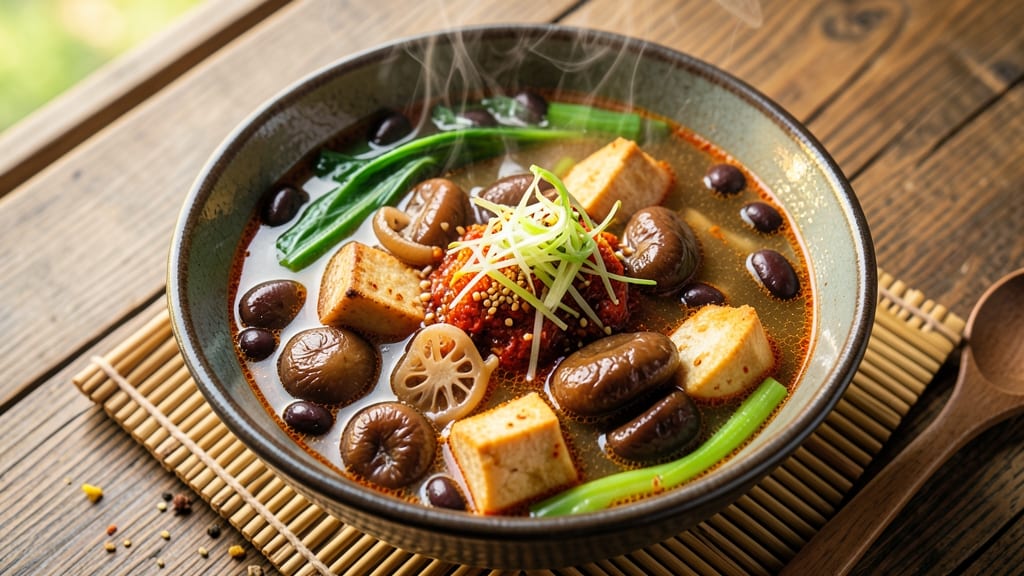
This authentic Chinese hot and sour soup recipe delivers the perfect balance of tangy, spicy, and umami flavors that define this classic dish.
The secret lies in building layers of flavor—starting with a fragrant broth, then layering in fermented black beans for earthiness, mushrooms for umami depth, and a touch of vinegar for that signature tang.
I developed this recipe after years of refining the technique to achieve restaurant-quality results at home, with a vegetarian version that doesn’t skimp on authenticity.
The key to authentic hot and sour soup is the broth foundation—simmered with ginger, garlic, and star anise for warmth, then balanced with a splash of rice vinegar and a pinch of sugar to cut the heat.
The vegetables (bok choy, tofu, and wood ear mushrooms) add texture and freshness, while the fermented black beans contribute their signature funky, savory depth.
What sets this recipe apart is the wok hei technique, where we finish the soup with a quick sear to infuse that smoky, charred aroma that’s impossible to replicate with slow cooking alone.
By the time you serve this soup, you’ll have a steaming bowl of bold, complex flavors—spicy from the chili oil, tangy from the vinegar, and rich from the mushrooms and fermented beans. The contrast of textures—silky tofu, crisp bok choy, and chewy wood ear mushrooms—makes every spoonful satisfying.
This is the kind of soup that warms the soul while delivering a punch of flavor that’s impossible to resist.
Perfect for a quick weeknight dinner or as a starter for a Chinese feast, this recipe scales easily and tastes even better the next day. The broth can be made ahead, and the ingredients are simple yet transformative. Let’s get cooking—your taste buds will thank you.
Ingredients for authentic chinese hot and sour soup
This vegetarian hot and sour soup balances umami, tang, and spice with 14 thoughtful ingredients.
| Ingredient | Amount | Notes |
|---|---|---|
| Dried Shiitake Mushrooms 🍄 | ½ oz | Rehydrated for umami depth |
| Wood Ear Mushrooms 🍄 | ½ oz | Dried, rehydrated in warm water |
| Fermented Black Beans 🫘 | ¼ cup | Rinsed, for signature funk |
| Extra-Firm Tofu 🍱 | 1 lb | Pressed, cubed for texture |
| Bok Choy 🥬 | 2 whole | Baby or regular, halved |
| Garlic Cloves 🧄 | 6 cloves | Minced for aromatic base |
| Fresh Ginger Root 🌿 | 1 tbsp | Grated, for aromatic warmth |
| Rice Vinegar 🍶 | ½ cup | For signature tang |
| Chili Oil 🌶️ | 2 tbsp | For authentic spice |
| Soy Sauce 🥢 | 2 tbsp | Vegetarian-friendly |
| Sesame Oil 🫒 | 1 tsp | For finishing aroma |
| Star Anise 🌟 | 1 whole | For subtle licorice note |
| White Sugar 🍬 | 1 tsp | Balances acidity |
| Vegetable Broth 💧 | 4 cups | Homemade or quality store-bought |
The mushrooms are the umami backbone—dried shiitake and wood ear soak up the broth beautifully. Asian markets carry these pre-packaged, but if you're at a regular grocery store, look for them in the dried goods aisle or bulk bins. For the black beans, fermented varieties (like those in jars) are essential—they bring that funky, savory depth. If you can't find them, sub with black soybeans, but they won't be quite the same. The tofu? Extra-firm and pressed is critical—it holds up to the long simmer and absorbs flavors better. Bok choy is the star vegetable here, so pick fresh, crisp heads with vibrant green leaves.
No chili oil? Mix 1 tbsp vegetable oil with 1 tsp red pepper flakes for a quick sub. The star anise is non-negotiable for that subtle licorice note, but if you're avoiding it, a pinch of cinnamon can mimic it slightly. For the rice vinegar, white vinegar in a pinch works, but it lacks the delicate sweetness. The broth can be store-bought, but homemade vegetable broth with garlic, ginger, and mushrooms elevates everything. If you're making a big batch, double the mushrooms and beans—they're worth the extra effort. The sesame oil is purely for aroma, so don't skimp on the toasted variety for that nutty depth.
This soup tastes even better the next day as flavors meld. Store leftovers in airtight containers for 4-5 days in the fridge. For freezing, portion into single-serving containers—it reheats beautifully. The broth can be made ahead and stored separately for up to 3 days before adding the vegetables. If you're prepping for a crowd, make the broth and fermented beans base first—they keep well, and you can assemble the rest quickly when ready to serve.
Why You'll Love This Recipe
- No-Soaking Needed: I keep a bag of dried shiitake and wood ear mushrooms in my pantry—just toss them straight into boiling water for 10 minutes. The texture comes out perfect every time, no fancy prep.
- Umami Bomb Combo: Fermented black beans and shiitake mushrooms? That’s the magic duo. The first spoonful hits with a deep, funky richness that makes you pause—like a warm hug in soup form.
- Lunchbox Hero: This soup reheats beautifully, so I double the batch on Sundays. Pack it with tofu and bok choy for a protein-packed lunch that still tastes homemade—no sad office salad here.
- Budget Stretch: A single block of extra-firm tofu and a handful of dried mushrooms feed four for under $8. Honestly, it’s the kind of recipe that makes grocery bills feel less brutal while keeping everyone full.
Step-by-step instructions for authentic Chinese hot and sour soup
Master the balance of spice and tang with this traditional method—every element must harmonize.
Rehydrate and Prepare the Dried Ingredients
Place the 0.5 oz dried shiitake mushrooms and 0.5 oz wood ear mushrooms in separate bowls and cover with hot water. Let them soak for 10-15 minutes until pliable. The shiitake should expand noticeably, while the wood ear mushrooms will soften and regain their delicate texture. Drain and set aside, reserving ½ cup of the soaking liquid for later use.
Rinse the 0.25 cup fermented black beans thoroughly under cold water to remove excess salt. This step is crucial—the funky aroma intensifies when rehydrated, so don't skip it. For the tofu, press the 1 lb extra-firm tofu between paper towels for 15 minutes to remove excess moisture, then cut into ½-inch cubes. This ensures they absorb flavors without turning soggy.
Build the Aromatic Broth Base
In a large pot, combine the 4 cups vegetable broth, 6 minced garlic cloves, 1 tbsp grated fresh ginger root, and the whole star anise. Bring to a gentle simmer over medium heat and let it steep for 5 minutes. The broth should develop a subtle licorice note from the star anise and a warm, spicy aroma from the ginger and garlic.
Add the rehydrated mushrooms and fermented black beans to the pot. Simmer uncovered for 8-10 minutes until the mushrooms soften and the beans release their signature tang. Stir occasionally to prevent sticking. The broth should reduce slightly, concentrating the flavors—this is where the soup's depth begins to develop.
Incorporate the Tofu and Vegetables
Gently add the pressed tofu cubes to the simmering broth. They should float near the surface—if they sink, they're too dense. Cook for 3-4 minutes until the tofu is heated through but still holds its shape. Remove the star anise at this point; it's done contributing its flavor.
Halve the 2 whole bok choy and add them to the pot. Simmer for another 3-4 minutes until the stems soften and the leaves wilt just enough to release their natural sweetness. The tofu and bok choy should be tender but still retain a slight bite—overcooking will turn them mushy. Taste the broth now; it should be tangy from the fermented beans and slightly sweet from the bok choy.
Balance the Flavors with Tang and Spice
Reduce the heat to low and stir in the 0.5 cup rice vinegar, 2 tbsp soy sauce, and 1 tsp white sugar. The vinegar will brighten the broth, the soy sauce adds umami depth, and the sugar balances the acidity. Simmer for 2 minutes, stirring gently to combine. The soup should now have a complex interplay of flavors—tangy, umami, and slightly sweet.
Drizzle in the 2 tbsp chili oil and 1 tsp sesame oil, stirring constantly to distribute evenly. The chili oil will add heat and a vibrant red hue, while the sesame oil contributes a nutty aroma. Taste again and adjust seasoning if needed—add a splash more vinegar for extra tang or a pinch of sugar to soften the acidity.
Finish and Serve with Precision
Remove the pot from heat and let the soup rest for 2-3 minutes. This allows the flavors to meld and the tofu to absorb the remaining broth. Ladle the soup into bowls, ensuring each serving includes a piece of tofu, bok choy, and a few fermented black beans. The presentation should reflect the soup's layers—dark broth, white tofu, green bok choy, and black beans.
Garnish with additional chili oil and sesame oil if desired, but resist the urge to over-garnish. The soup's authenticity lies in its balance—each spoonful should deliver a harmonious blend of spice, tang, and umami. Serve immediately while the tofu is still warm and the broth retains its vibrant color and depth of flavor.
Pro Tips For Making Authentic Chinese Hot And Sour Soup
- SOAK MUSHROOMS SEPARATELY: Dried shiitake and wood ear mushrooms need different soaking times—shiitake takes 20-30 minutes in hot water, while wood ear needs 1-2 hours in cold. I learned this the hard way when my shiitake turned to mush while the wood ear barely softened. Use two bowls and check them every 10 minutes.
- SALT THE TOFU BEFORE COOKING: Press the extra-firm tofu, then sprinkle it with 1/2 teaspoon of salt and let it sit for 10 minutes before slicing. This step makes the tofu hold its shape better and absorb flavors deeper—no more soggy, flavorless cubes at the bottom of your soup.
- DON’T BOIL THE FERMENTED BEANS: Fermented black beans add depth, but boiling them ruins their texture. Instead, lightly fry them in 1 tablespoon of oil for 2-3 minutes until fragrant, then add them to the soup at the very end. This keeps their crunch and prevents bitterness from overcooking.
- SIMMER THE BROTH LOW: After adding vinegar and chili crisp, reduce the heat to a bare simmer—anything hotter and the acidity will cook off too fast, leaving your soup flat. I used to rush this, and the soup would taste dull by the time the bok choy was done. Trust me, low and slow is the way.
Storing and reheating this authentic chinese hot and sour soup
Broth Storage Tips
The broth is the heart of this soup, so store it separately if you're prepping ahead. Transfer the cooked broth (without tofu or vegetables) to an airtight container and refrigerate for up to 3 days.
For longer storage, freeze it in single-serving portions—it reheats beautifully and retains its depth of flavor. I like using glass mason jars because they stack neatly in the freezer and thaw faster than plastic containers. 💧
Vegetable Prep Ahead
Prep the tofu, mushrooms, and bok choy separately and store them in airtight containers in the fridge for 2-3 days. Press the tofu and cube it first, then store it in a bowl of broth or water to prevent drying.
The rehydrated mushrooms and fermented black beans can be stored together in a sealed container. When reheating, add the vegetables directly to the hot broth to avoid sogginess. ✨
Reheating for Best Texture
For the best results, reheat the soup gently on the stovetop over medium-low heat. If using frozen broth, thaw it in the fridge overnight, then warm it slowly. Add the prepped vegetables and tofu to the pot only in the last 3-5 minutes of reheating to preserve their texture.
Avoid microwaving—it makes the tofu rubbery and the broth watery. A splash of hot water can help restore the soup's consistency if it thickens too much. 🔥
Reviving Flavor After Storage
If the soup tastes flat after reheating, it likely needs a flavor boost. Add 1-2 tbsp extra soy sauce or a splash of rice vinegar to restore tang. A drizzle of chili oil and sesame oil just before serving can also wake up the flavors.
For extra umami, stir in a few drops of mushroom powder or a pinch of MSG (if using). The key is to balance the flavors—don't overdo it, or you'll lose the soup's harmony. 💡
Freezing for Later
To freeze the full soup, portion it into single-serving containers or heavy-duty freezer bags, leaving 1 inch of headspace for expansion. Freeze for up to 3 months. When ready to eat, thaw overnight in the fridge, then reheat gently.
The texture may change slightly, but the flavors remain intact. For a quicker option, reheat frozen soup directly from the freezer in a pot over low heat, stirring occasionally. 🧊
Garnish for Freshness
Always finish with fresh garnishes to brighten the dish after reheating. A drizzle of chili oil and a sprinkle of toasted sesame seeds add visual appeal and a burst of flavor.
Fresh cilantro or green onions also work well. These final touches make reheated soup feel like it was just made—because with the right techniques, it practically is! 🌿
Nutrition facts
Frequently asked questions
Why is fermented black bean essential for authentic flavor?
Fermented black beans deliver that signature funky, savory depth that's impossible to replicate with regular black beans. Their fermented aroma and umami richness balance the tangy vinegar and spicy chili oil, creating the complex flavor profile that defines this dish. Try soaking them in cold water for 10 minutes before using to mellow their saltiness while preserving their flavor.
Can I make this soup spicier or less spicy?
For more heat, add 1 extra tbsp chili oil or a pinch of red pepper flakes. To reduce spice, simply use less chili oil or omit it entirely and substitute with a splash of vegetable oil. The key is balancing the heat with the tangy vinegar—start with 1 tbsp chili oil and adjust to taste.
What's the best way to substitute dried mushrooms?
If you can't find dried shiitake or wood ear mushrooms, use fresh shiitake or cremini mushrooms instead. Sauté them first with garlic and ginger to develop their umami before adding to the broth. For wood ear mushrooms, king oyster mushrooms make a decent chewy substitute—just slice them thinly. Remember, dried mushrooms concentrate flavor, so fresh ones won't provide the same depth.
How can I make this soup vegetarian-friendly?
This recipe is already vegetarian, but if you want to avoid fermented black beans (which contain fish sauce in some brands), use black soybeans instead. For extra protein, add seitan or tempeh cubes. The tofu provides plenty of plant-based protein, and the mushrooms add umami depth without animal products. Always check labels for hidden animal derivatives like fish sauce in soy products.
Can I make this soup in an Instant Pot?
Yes! Follow the same steps but adjust cooking times: Sauté garlic and ginger first, then add broth and aromatics. Cook on high pressure for 8 minutes, then quick-release. Add tofu and bok choy, cooking for 3-4 minutes on sauté mode. The Instant Pot will concentrate flavors faster, so you may need less vinegar for tang. Finish with chili and sesame oils as directed.