
Soups & Stews
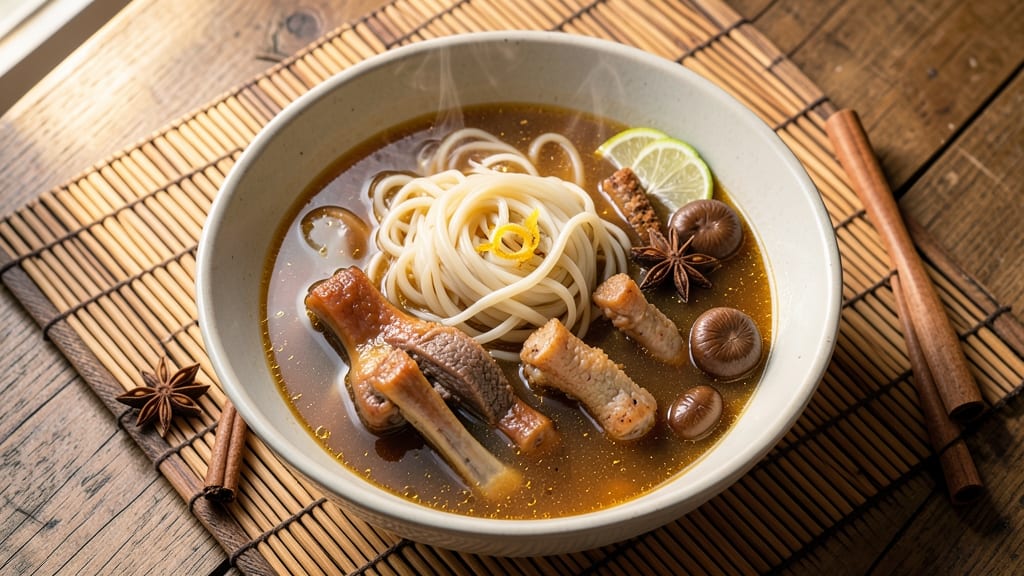
This authentic Chinese beef noodle soup recipe brings the heart of a bustling Beijing street stall into your kitchen, where every sip delivers layers of umami from slow-simmered beef bones and star-anise-infused broth.
The secret lies in charring the aromatics—ginger, garlic, and chili—before simmering them with spices for hours, creating a deep, complex flavor base that transforms simple ingredients into something extraordinary. What sets this apart is the chewy, hand-pulled noodles that absorb the rich broth perfectly, delivering that signature texture you crave.
The broth is where authenticity shines: beef bones, soy sauce, and a touch of rock sugar create a balanced, savory foundation, while star anise and cinnamon add warmth without overpowering. We'll build flavor gradually, layering in tender beef slices and fresh herbs at the end to preserve their brightness.
This isn't just soup—it's a symphony of textures and tastes that will have everyone reaching for seconds.
What makes this recipe truly special is the attention to traditional techniques while keeping it approachable for home cooks. No fancy equipment needed—just patience and a few key steps, like properly charring the aromatics and simmering the broth long enough to develop that restaurant-quality depth.
The result? A bowl of soup so rich and satisfying, it feels like a warm embrace on a chilly day.
The finishing touches—fresh cilantro, lime wedges, and bean sprouts—elevate each bite, offering a balance of freshness and heat. Whether you're serving this for a family dinner or a cozy night in, this beef noodle soup delivers the comfort and authenticity of a classic Chinese street food experience.
Let's get started on creating something truly memorable.
Ingredients for authentic chinese beef noodle soup
Sixteen ingredients transform into a symphony of textures and flavors in this authentic Chinese beef noodle soup.
| Ingredient | Amount | Notes |
|---|---|---|
| Beef Bones 🦴 | 3 lb | Marrow-rich for depth of flavor |
| Chicken Feet 🦶 | 6 whole | For gelatinous texture, optional |
| Dried Shiitake Mushrooms 🍄 | 1 oz | Rehydrated for umami depth |
| Star Anise 🌟 | 2 whole | Whole pods for infusion |
| Cinnamon Sticks 🌿 | 2 whole | For aromatic warmth |
| Fresh Ginger Root 🧄 | 3 oz | Charred for complexity |
| Garlic Cloves 🧄 | 8 cloves | Charred for depth |
| Dried Red Chili Peppers 🌶️ | 2 whole | Seeds removed for mild heat |
| Soy Sauce 🥄 | ½ cup | Light or dark variety |
| Rock Sugar 🍯 | 2 tbsp | Or substitute brown sugar |
| Hand-Pulled Noodles 🍜 | 1 ½ lb | Or fresh egg noodles |
| Thinly Sliced Beef 🥩 | 1 ½ lb | Sirloin or flank preferred |
| Fresh Cilantro 🌿 | ¼ cup | Chopped for garnish |
| Lime Wedges 🍋 | 4 whole | For serving |
| Bean Sprouts 🌱 | 1 cup | For fresh crunch |
The beef bones and chicken feet are the foundation of this soup, delivering unmatched depth and richness. Look for marrow-rich bones at your local butcher—they're worth the extra cost for that velvety texture. Asian grocery stores often carry chicken feet in the freezer section, but don't substitute with chicken thighs. The shiitake mushrooms should be dried and rehydrated in hot water for 20 minutes before using. For the star anise and cinnamon, whole spices are essential—they infuse the broth with their aromatic oils far better than ground versions. Char the ginger and garlic over an open flame or in a dry pan until blackened in spots for maximum complexity.
No chicken feet? Substitute with extra beef bones—just add 1/2 cup of vinegar to the broth to help tenderize them. Running short on shiitake mushrooms? Cremini mushrooms work in a pinch, but they won't provide the same umami punch. The rock sugar can be swapped for brown sugar, though it won't melt as cleanly. For the noodles, if you can't find hand-pulled varieties, fresh egg noodles are the next best option—avoid instant noodles at all costs. The thinly sliced beef should be cut against the grain for maximum tenderness. For the chili peppers, dried red chili flakes can substitute at half the amount, but they lack the aromatic depth of whole peppers.
The broth will keep in the refrigerator for 4-5 days and freezes beautifully for up to 3 months. Store it in airtight containers with a layer of fat on top to prevent skin formation. The fresh herbs—cilantro, bean sprouts, and lime—should be added just before serving to preserve their brightness. If you're prepping ahead, store the noodles and beef separately in the fridge and assemble when ready to serve. The soup actually improves the next day as the flavors meld together—this is when it truly becomes restaurant-quality.
Why You'll Love This Recipe
- Soup in a Day: The beef bones and chicken feet simmer overnight—no constant stirring, no babysitting. Wake up to a pot already packed with rich, collagen-loaded broth that tastes like you’ve been cooking for hours.
- Deep Umami Magic: That first sip of star anise and cinnamon-infused broth? It’s the kind of flavor that lingers like a good memory. The shiitake mushrooms add earthy depth, while the bones melt into pure, velvety satisfaction—no shortcuts, just honest, layered taste.
- Leftovers That Beg for More: This soup only gets better after a day in the fridge. The flavors meld into something even richer, and it reheats in minutes. My freezer’s always stocked with portions because it’s the kind of meal that disappears faster than you can say “second helping.”
- Budget-Friendly Luxury: Beef bones and chicken feet stretch into multiple meals without breaking the bank. Honestly, it’s the most economical way to treat yourself to restaurant-quality comfort—plus, the spices cost pennies and transform everything. No fancy ingredients, just pure, satisfying flavor.
Step-by-step instructions for authentic Chinese beef noodle soup
Master this traditional technique for rich, aromatic broth and perfectly chewy noodles.
Prepare the Broth Base with Charred Aromatics
In a large stockpot, combine the 3 lb beef bones and 6 whole chicken feet (if using). Cover with cold water by 4 inches and bring to a boil over high heat. Once boiling, reduce to a simmer and skim off any foam that rises to the surface for 10 minutes. This ensures a clear, clean broth foundation.
While the broth simmers, prepare the aromatics. Using a clean kitchen towel, tie the 2 whole star anise and 2 whole cinnamon sticks together. In a dry skillet over medium-high heat, char the 3 oz fresh ginger root and 8 cloves garlic cloves until fragrant and slightly blackened—about 3-4 minutes. Add these charred aromatics along with the tied spices to the simmering broth. Remove the 2 whole dried red chili peppers (seeds removed) and add them directly to the pot for subtle heat.
Build Depth with Mushrooms and Seasonings
Simmer the broth uncovered for 3 hours to develop rich, gelatinous depth. After 2 hours, add the 1 oz dried shiitake mushrooms (rehydrated in warm water for 20 minutes and drained) to infuse umami. Stir in the 0.5 cup soy sauce and 2 tbsp rock sugar to balance flavors. The broth should reduce slightly but remain abundant—about 8-10 cups total.
Taste the broth and adjust seasoning: add a pinch more rock sugar if it tastes too savory, or a splash of water if it's too concentrated. The aroma should be complex—earthy from ginger, floral from star anise, and slightly sweet from the sugar. Strain the broth through a fine-mesh sieve into a clean pot, discarding the solids. Return to a simmer over medium-low heat to maintain warmth.
Cook the Beef and Noodles Simultaneously
In the same pot, add the 1.5 lb thinly sliced beef and poach gently for 2-3 minutes until just cooked through—145°F internal temperature. Remove the beef with a slotted spoon and set aside. Bring the broth back to a gentle simmer, then add the 1.5 lb hand-pulled noodles. Cook for 1 minute (they should remain slightly chewy) before draining and returning to the pot.
Here's the thing—timing matters. The noodles should finish cooking in the hot broth, not overcook into mush. If they feel too firm after 1 minute, add a splash of hot broth and let them sit for 30 seconds more. The ideal texture is chewy yet tender, with a slight resistance when bitten.
Assemble and Garnish for Serving
Divide the cooked noodles among 6 bowls, ladling the hot broth generously over each portion. Top with the poached beef slices, ensuring each serving has 4-5 slices. Add 1 cup bean sprouts and 0.25 cup chopped fresh cilantro for freshness and color contrast. The sprouts should remain crisp—add them last to preserve texture.
Serve immediately with the 4 whole lime wedges on the side. The acidity of the lime brightens the rich broth and cuts through the fat, balancing the dish. Each bowl should be steaming hot, with the aroma of star anise and ginger lingering in the air. The broth should coat the noodles and beef, creating a harmonious blend of textures and flavors.
Pro Tips For Making Authentic Chinese Beef Noodle Soup
- BLANCH CHICKEN FEET FIRST: Toss them in boiling water for 3-4 minutes to loosen the skin before adding to the pot—this cuts down on that rubbery texture later. I learned this the hard way when I skipped it and ended up with chewy feet that ruined the whole bowl.
- ROAST BONE FRAGMENTS: Spread beef bone shards on a baking sheet at 400°F (200°C) for 10 minutes before simmering—it deepens the broth’s richness without burning. Sounds weird, but it works: the Maillard reaction happens fast, and you won’t regret the extra 10 minutes.
- SKIP THE CROWDED POT: Don’t overload the pot with all ingredients at once. Start with bones and aromatics (star anise, cinnamon) for 30 minutes alone—this builds flavor layers before adding chicken feet or mushrooms. After burning three batches, I finally figured out that patience here makes a real difference.
- SOAK MUSHROOMS, NOT SHRINK THEM: Use cold water to soak dried shiitakes for 20 minutes, then slice thickly—they’ll rehydrate better and hold their shape. Thin slices turn to mush, and no one wants that in a bowl where texture matters. (Yes, even if you’re impatient like me.)
Wine and beer pairings for this authentic chinese beef noodle soup
Light Beer Pairings
A crisp, light Chinese lager like Tsingtao or Snow Beer is my go-to choice—its clean, slightly sweet profile complements the soup's umami without overpowering it. The subtle maltiness balances the star anise and ginger notes beautifully.
For a craft option, try a Japanese junmai like Sapporo Junmai—its delicate rice flavor enhances the broth's depth. 🍺
Dry White Wine
An off-dry Riesling from Germany or a Fume Blanc from California works wonders here. The wine's natural acidity cuts through the richness of the broth, while its slight sweetness mirrors the rock sugar's touch.
I love a Dr. Loosen Blue Slate Riesling—its citrus and stone fruit notes harmonize perfectly with the ginger and garlic. Serve slightly chilled to preserve the soup's warmth.
Fortified Options
For a more indulgent pairing, consider a dry sherry like Fino or a Portuguese Ruby Port. The nutty, slightly smoky profile of sherry echoes the star anise and cinnamon in the broth.
A 10-year Tawny Port adds a caramel-like sweetness that complements the soy sauce's depth. These options work especially well with the soup's rich, gelatinous texture.
Non-Alcoholic Choices
Don't overlook non-alcoholic options! A ginger beer like Feather's adds a refreshing zing that mirrors the soup's aromatic spices. For something more traditional, try a jasmine tea—its floral notes enhance the star anise and cinnamon, while the warmth of the tea complements the soup's heat.
A splash of lime juice in your tea mimics the dish's finishing touch perfectly.
Regional Chinese Pairings
In Northern China, where this soup originates, locals often pair it with huangjiu (Chinese yellow rice wine) or baijiu (sorghum-based liquor). A small shot of Moutai (if you're feeling adventurous) adds a bold, peppery kick that contrasts the soup's richness.
For a more approachable option, a light Chinese rice wine like Shaoxing wine works beautifully—its subtle sweetness and acidity enhance every spoonful.
Seasonal Adjustments
In summer, I reach for a crisp German Pilsner—its clean, refreshing profile cuts through the soup's richness. For winter, a full-bodied red like a Chinese Cabernet (like Great Wall Red) adds warmth that mirrors the soup's comforting nature.
The key is matching the drink's temperature and body to the soup's intensity—cool and light for summer, warm and bold for winter.
Nutrition facts
Frequently asked questions
Can I substitute beef bones with chicken bones for this recipe?
While chicken bones will work, they won't provide the same rich, gelatinous depth as beef bones. For best results, use a mix of beef and chicken bones (2:1 ratio) or add 1/2 cup of vinegar to help tenderize chicken bones if you must use them exclusively. The beef fat and marrow create that signature velvety texture that's hard to replicate with poultry.
How do I know when the broth is properly seasoned?
Taste the broth after 2 hours of simmering—it should have a balanced combination of savory, slightly sweet, and aromatic notes. If it's too salty, add a splash of water; if too bland, stir in a pinch more soy sauce or rock sugar. The star anise and cinnamon should be noticeable but not overpowering. Remember, the flavors will deepen as it simmers longer.
What's the best way to store leftover beef noodle soup?
Store the broth separately from the noodles and beef in airtight containers. The broth keeps for 4-5 days in the fridge or 3 months frozen. Reheat gently over low heat and add fresh noodles and herbs when serving. Never reheat the noodles directly in the broth—this makes them mushy. Instead, cook fresh noodles and assemble when ready to eat.
Can I make this soup in a slow cooker? Yes, but with adjustments! Brown the beef bones in a skillet first, then transfer everything to your slow cooker. Simmer on low for 8-10 hours instead of 3 hours on the stove. The long cook time helps tenderize the bones and develop flavor. Just
Why does my soup taste bitter? What can I fix?
Bitterness usually comes from overcooked aromatics or burnt spices. If your broth tastes bitter, strain out the charred ginger and garlic immediately and add a pinch of sugar or a splash of vinegar to balance. For future batches, char the aromatics just until fragrant (about 2-3 minutes) and remove them after 1.5 hours of simmering to prevent over-extraction.