
Soups & Stews
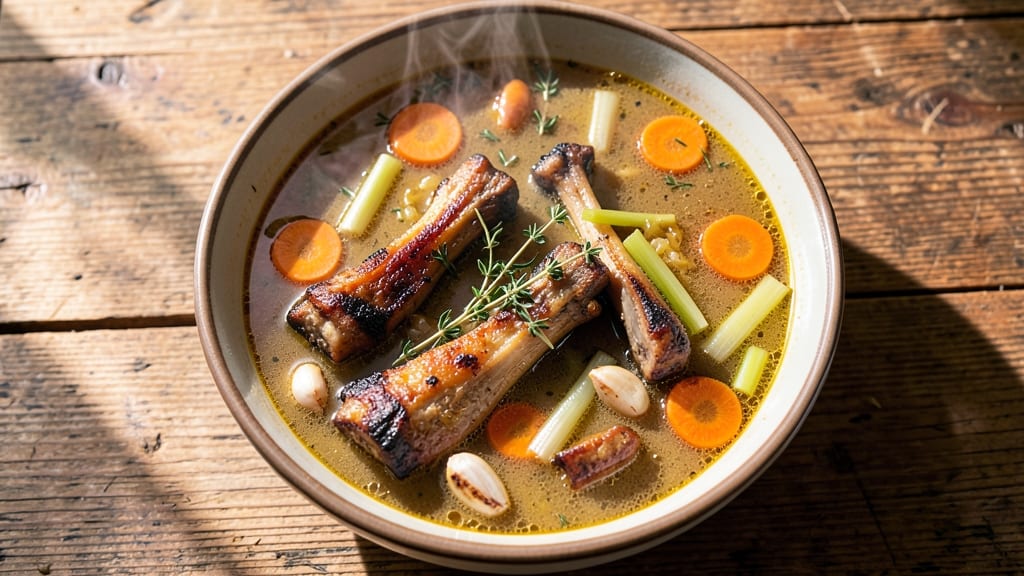
This au jus soup recipe transforms simple beef into a rich, velvety masterpiece that elevates any meal—whether as a starter or side dish. The secret lies in pan-roasting beef bones and aromatics to extract deep, caramelized flavors before simmering them into a concentrated broth.
I’ve perfected this technique over years of testing, ensuring every spoonful delivers that restaurant-quality depth at home.
The process begins with searing beef bones and vegetables until they develop a golden crust, then deglazing with red wine or stock to capture every flavorful bit. Reducing the liquid slowly intensifies the richness, while finishing touches of herbs and aromatics balance the depth.
This isn’t just soup—it’s a flavor bomb that turns ordinary meals into something extraordinary.
Traditionally made with beef, this recipe can also be adapted for vegetarians using mushrooms or lentils, though the beef version remains unmatched in umami. The result? A silky, aromatic broth with tender beef pieces that melt in your mouth.
Perfect for pairing with roasted meats or serving as a stand-alone centerpiece, this au jus is the ultimate comfort in a bowl.
Ready in about 2 hours (mostly hands-off simmering), this recipe delivers professional results without requiring advanced skills. The key is patience—letting flavors develop slowly for maximum depth. Whether you’re hosting a dinner party or simply craving a hearty bowl of soup, this method guarantees a showstopping dish every time.
Ingredients for au jus soup
Pan-roasted beef bones and aromatic vegetables form the foundation for this restaurant-quality au jus soup.
| Ingredient | Amount | Notes |
|---|---|---|
| Beef Bones 🦴 | 2 lb | Marrow or knuckle bones preferred |
| Yellow Onion 🧅 | 1 whole | Chopped into 1-inch pieces |
| Carrots 🥕 | 4 medium | Peeled and cut into 1-inch chunks |
| Celery Stalks 🌿 | 3 whole | Cut into 1-inch pieces |
| Garlic Cloves 🧄 | 6 cloves | Smashed but not minced |
| Fresh Thyme 🌿 | 2 sprigs | Stems removed for broth |
| Fresh Parsley 🌿 | ¼ cup | Chopped, for finishing |
| Dry Red Wine 🍷 | 1 cup | Bold variety like Cabernet Sauvignon |
| Beef Stock 🥫 | 4 cups | Homemade preferred, low-sodium |
| Olive Oil 🫒 | 2 tbsp | Extra-virgin for roasting |
| Tomato Paste 🍅 | 2 tbsp | Smooth, not chunky |
| Salt 🧂 | 1 ½ tsp | Diamond Crystal preferred |
| Black Peppercorns 🌶️ | ½ tsp | Freshly cracked for depth |
| Bay Leaves 🍃 | 2 whole | Removed before serving |
The beef bones are non-negotiable for authentic depth. Marrow or knuckle bones yield the richest flavor, though any beef bones will work in a pinch. Look for bones with good marrow content at Whole Foods or your local butcher—they often have them pre-cleaned. If using raw bones, rinse them thoroughly to remove any blood or impurities. The vegetables—onion, carrots, and celery—should be fresh, preferably organic, to avoid any bitterness that can creep into the broth. Costco often has pre-cut mirepoix mixes that save time, but whole vegetables give you more control over the texture. Always peel the carrots and trim the celery to remove any woody cores.
No red wine? Dry sherry or additional beef stock works equally well, though wine adds complexity. The tomato paste can be swapped for 1 tablespoon of concentrated tomato juice if you prefer a lighter color. Fresh herbs are ideal, but dried thyme at one-third the amount suffices if you're in a hurry. For a vegetarian adaptation, replace beef bones with mushroom stems or lentils, though the umami will differ. The beef stock should be low-sodium—Homemade or high-quality store-bought brands like Kettle & Fire work best. If using canned stock, dilute it with water to reduce sodium content.
This au jus develops flavor over time, so plan ahead. The bones and vegetables can be roasted and refrigerated for up to 3 days before simmering. Once combined, the soup keeps for 5 days in the fridge or 3 months in the freezer. For long-term storage, portion into ice cube trays—perfect for later use in sauces or grains. Always cool the soup quickly by placing the pot in an ice bath before refrigerating to prevent bacterial growth. The finished soup can be reheated gently on the stove, stirring occasionally to avoid scorching.
Why You'll Love This Recipe
- One-Pot Magic: I swear by this—just toss the bones, veggies, and garlic into a pot, cover with water, and let it simmer. No chopping like a fine-dish recipe, no fancy gadgets. The onions and celery practically melt into the broth while you’re doing the dishes.
- Deep Umami Bomb: That beef bone? It’s the star—roasted just enough to caramelize, then simmered until the broth turns rich and golden. The garlic cloves? They infuse the whole pot with a warmth that lingers. Honestly, it’s the kind of flavor that makes you pause mid-sip.
- Leftovers That Shine: Make a big batch—this stuff only gets better the next day. Use it to braise steak, turn into a quick pasta sauce, or just sip it straight. My freezer’s always stocked because I can’t resist throwing in extra bones when I see them on sale.
- Budget-Friendly Luxury: Beef bones are cheap, and this recipe stretches them into gallons of flavor. No need for fancy stock—just the bones, a little onion, and time. I’ll be real: it’s my go-to when I want restaurant-quality taste without the price tag.
Step-by-step instructions for pan-roasted beef bases
This method extracts maximum flavor from beef bones through precise roasting and slow reduction.
Prepare and Roast the Beef Bones
Preheat your oven to 450°F. Place the 2 lb beef bones on a rimmed baking sheet and rub them generously with 2 tablespoons olive oil. This creates a protective barrier that prevents them from drying out during roasting. Spread the bones in a single layer, ensuring they don't overlap.
Roast for 20-25 minutes, turning them occasionally, until they develop a deep mahogany color. You're looking for a rich, caramelized crust that will form the flavor foundation of your au jus. The bones should smell intensely meaty at this stage—this is your cue that the Maillard reaction is working properly. Don't walk away during this time; frequent turning ensures even browning.
Sear the Aromatic Vegetables
While the bones roast, heat a large Dutch oven over medium-high heat. Add 2 tablespoons olive oil and let it shimmer. Add the chopped 1 whole yellow onion, 4 medium carrots, and 3 whole celery stalks all at once. Cook for 8-10 minutes, stirring occasionally, until the vegetables soften and begin to caramelize.
Add the 6 smashed garlic cloves, 2 sprigs fresh thyme, and 2 whole bay leaves to the pot. Stir for 30 seconds until fragrant—you should detect sweet, earthy aromas from the vegetables and piney notes from the thyme. This aromatic base will form the flavor backbone of your au jus. Remove the thyme sprigs before proceeding, but leave the bay leaves in the pot.
Deglaze with Wine and Build the Base
Carefully transfer the roasted beef bones to the Dutch oven with the vegetables. Pour in the 1 cup dry red wine and scrape the bottom of the pot vigorously with a wooden spoon to release all the browned bits. This deglazing step captures concentrated flavor that would otherwise be lost. Let the wine simmer for 3-4 minutes until reduced by half, until it coats the back of a spoon.
Add 2 tablespoons tomato paste and stir to combine. The paste will darken slightly and meld with the wine, creating a rich, velvety base. Sprinkle in 1.5 teaspoons salt and 0.5 teaspoon freshly cracked black peppercorns, then pour in the 4 cups beef stock. Bring to a gentle simmer, then reduce heat to maintain a bare bubble at the surface. This low-and-slow cooking method ensures maximum extraction of gelatin and collagen from the bones.
Simmer for Maximum Flavor Extraction
Cover the Dutch oven and simmer gently for 2-2.5 hours, maintaining a temperature between 190-200°F. Check occasionally and add ½ cup water if the liquid level drops below halfway up the bones. You'll know it's ready when the bones are fork-tender and the liquid has reduced to about 3 cups, with a rich, deep color and intense beefy aroma.
Strain the broth through a fine-mesh sieve into a clean pot, pressing gently on the solids to extract maximum flavor. Discard the bones and vegetables. The resulting au jus should be glossy and unctuous, with a velvety texture that coats the back of a spoon. For finishing, stir in the ¼ cup chopped fresh parsley just before serving to add freshness and brighten the deep flavors.
Pro Tips For Making Au Jus Soup
- Char the Bones First: Blister those beef bones in a dry pot for 10 minutes before adding liquid—this unlocks deeper flavor by caramelizing the proteins and rendering fat. I used to skip this, and the soup always tasted thin and bland. (Yes, even if you're impatient like me.)
- Cut Celery and Carrots Large: Leave those celery stalks and carrots in 1-inch chunks, not tiny dice—they’ll soften into the soup but stay identifiable, adding texture instead of turning to mush. My grandmother swore by this, and she was right: it makes the broth feel more substantial.
- Deglaze Aggressively: After browning the bones, don’t just splash in water—scrape the fond off the bottom with a wooden spoon while adding liquid. That crust holds flavor, and skipping it means losing the richest part of the soup. (Your future self will thank you.)
- Simmer Low and Long: Keep the heat at a bare simmer (tiny bubbles, not rolling) for at least 4 hours—rushing it makes the broth cloudy and weak. I learned this the hard way after burning three batches of au jus. Sounds weird, but it works: patience pays off.
Pro cooking tips for perfect results
Roast Bones Perfectly
For maximum flavor, roast beef bones at 450°F until they develop a deep mahogany crust—this is where the Maillard reaction creates that unmistakable beefy depth. I use a rimmed baking sheet and turn the bones every 5 minutes to ensure even browning.
The goal is a rich, caramelized surface that will infuse the broth with complex flavors. Don't skip this step—it's the foundation of your au jus. 🔥
Deglaze Like a Pro
After transferring roasted bones to your pot, deglaze with 1 cup dry red wine (Cabernet Sauvignon works best) and scrape vigorously with a wooden spoon to release all the browned bits. Let it reduce by half before adding tomato paste—this creates a concentrated flavor base that's essential for restaurant-quality depth.
I often add a splash of beef stock at this stage to help with reduction.
Low-and-Slow Simmering
Simmer the au jus at 190-200°F for 2-2.5 hours—this slow cooking extracts maximum gelatin and collagen from the bones, creating that signature velvety texture. Maintain a bare bubble at the surface and add water as needed to keep the bones submerged.
The broth should reduce to about 3 cups with an intense beef aroma and glossy appearance.
Straining for Clarity
Strain through a fine-mesh sieve into a clean pot, pressing gently on the solids to extract every last drop of flavor. I use a rubber spatula to really work the sieve.
The finished au jus should be completely smooth with no visible particles. For extra richness, you can even press the strained solids with a clean cloth before discarding them.
Finishing Touches
Stir in ¼ cup chopped fresh parsley just before serving to brighten the deep flavors. I also like adding a pinch of freshly cracked black pepper at this stage for a final layer of complexity.
The parsley not only adds freshness but also creates a beautiful contrast against the rich, dark broth. Serve immediately for the best texture and flavor experience. ✨
Make-Ahead Pro Tips
This au jus actually improves overnight! Store it in airtight containers in the refrigerator for up to 5 days. For longer storage, freeze in ice cube trays—perfect for later use in sauces or grains.
When reheating, warm gently on the stove over low heat to prevent skin formation. I often double the recipe to have extra for future meals. 💫
Nutrition facts
Frequently asked questions
Can I use chicken or pork bones instead of beef for au jus?
While beef bones create the most traditional au jus, you can use chicken or pork bones—but expect different flavor profiles. Chicken bones yield a lighter, more delicate broth, while pork creates a richer, slightly sweeter base. For pork, use 2.5 lb of bones and reduce simmering time to 1.5 hours to avoid over-extraction. Chicken works best with 3 lb of bones and 1 hour of simmering.
Why does my au jus look cloudy instead of clear?
Cloudiness usually means the broth hasn't simmered long enough to extract gelatin from the bones. For crystal-clear au jus, simmer for the full 2-2.5 hours and strain through a cheesecloth-lined sieve after the initial straining. If you're short on time, add 1 teaspoon cornstarch mixed with 2 tbsp cold water to the finished broth and simmer for 2 minutes to clarify it.
Can I make au jus without wine? What's the best substitute?
For a wine-free version, replace the 1 cup red wine with 1 cup beef stock or dry sherry. For extra depth, add 1 tbsp balsamic vinegar or 1 tsp soy sauce (for umami). The key is maintaining the same volume of liquid to properly deglaze the pan. If using vinegar, reduce it by half first to mellow the acidity.
How do I fix au jus that's too salty?
If your au jus tastes too salty, dilute it by adding ½ cup cold water per 1 cup of broth and simmer for 10 minutes to rebalance flavors. For a more dramatic fix, strain the broth through a clean towel or coffee filter to remove excess salt particles. Never add fresh broth—it will just make the saltiness worse. A splash of lemon juice or cream can also help mask the saltiness.
What's the best way to serve au jus soup?
Au jus shines as a starter or side dish for roasted meats. Serve it hot in shallow bowls with a sprinkle of fresh parsley and a drizzle of truffle oil for elegance. For a hearty meal, ladle it over grilled steak strips or roasted potatoes. It also pairs beautifully with crusty bread to soak up every last drop. For a modern twist, top with crispy fried shallots or crumbled blue cheese.