
Soups & Stews
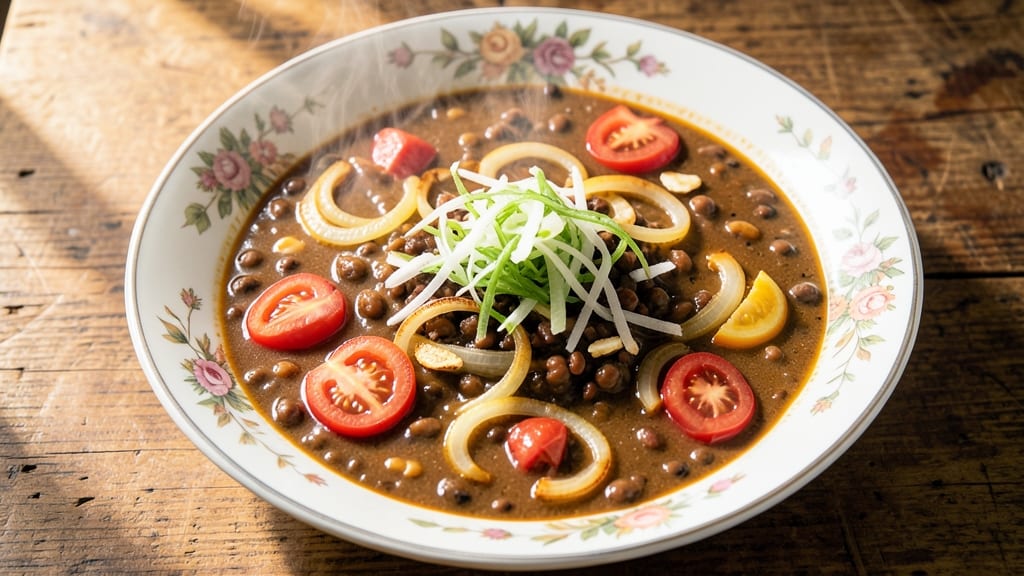
This attukal soup recipe in the Tamil language brings the soul-warming flavors of South Indian comfort cuisine to your kitchen, where black chickpeas (attukal) and coconut blend into a fragrant, hearty broth. 💛 Known as அத்துக்கால் சோறு in Tamil, this one-pot wonder transforms humble ingredients into a dish that feels like a hug in a bowl—perfect for monsoons or lazy Sundays.
The secret lies in slow-cooked lentils and aromatic spices that infuse the broth with deep, earthy notes, while coconut milk adds a velvety richness.
The recipe begins with soaking black chickpeas overnight to soften their texture, then simmering them with vegetables and spices until tender. A tempering of mustard seeds, curry leaves, and dried red chilies (urundai podi) releases a burst of aroma that transforms the simple broth into something extraordinary.
The final touch? A splash of coconut milk that rounds out the flavors, making every spoonful irresistibly comforting.
What makes this dish special is its versatility—serve it as a standalone meal with steamed rice or pair it with appam for a Tamil breakfast classic.
The soup’s natural sweetness and creamy texture make it equally satisfying for lunch or dinner, while its simplicity ensures it’s beginner-friendly yet impressive enough for guests. This is the kind of recipe that turns ordinary days into memorable meals.
Traditionally, attukal soup is cherished in Tamil Nadu for its nourishing properties, especially during rainy seasons when the body craves warmth. The dish’s name itself—அத்து (black) + கால் (chickpea)—hints at its star ingredient, which gives the soup its distinctive dark hue and robust flavor.
Whether you're recreating a family recipe or exploring Tamil cuisine for the first time, this soup delivers on both tradition and taste.
Ingredients for attukal soup recipe in tamil language
Soul-warming spices and coconut milk create this fragrant Tamil comfort soup in one pot.
| Ingredient | Amount | Notes |
|---|---|---|
| Black Chickpeas (Attukal) 🌱 | 1 cup | Soaked overnight, drained |
| Red Lentils (Masoor Dal) 🌾 | ½ cup | Rinsed thoroughly |
| Fresh Coconut Milk 🥥 | 1 cup | Thick, unsweetened |
| Yellow Onion 🧅 | 1 whole | Medium, finely chopped |
| Tomatoes 🍅 | 3 medium | Ripe, quartered |
| Fresh Ginger 🌿 | 1 inch | Peeled, grated |
| Garlic Cloves 🧄 | 6 cloves | Peeled, minced |
| Green Chilies 🌶️ | 2 whole | Slit lengthwise |
| Curry Leaves 🌿 | 10 whole | Fresh, slightly crushed |
| Mustard Seeds 🌱 | 1 tbsp | Whole, light brown |
| Dried Red Chilies (Urundai) 🌶️ | 3 pieces | Whole, lightly crushed |
| Cumin Seeds 🌿 | ½ tsp | Toasted lightly |
| Turmeric Powder 🧂 | ¼ tsp | Freshly ground preferred |
| Coriander Powder 🌿 | ½ tsp | Freshly ground preferred |
| Asafoetida (Hing) 🌿 | ⅛ tsp | Pinch for aroma |
| Salt 🧂 | 1 tsp | Adjust to taste |
| Ghee or Coconut Oil 🫒 | 2 tbsp | For tempering |
| Fresh Coriander Leaves 🌿 | ¼ cup | Chopped, for garnish |
The black chickpeas (attukal) are the heart of this dish—look for them at Indian specialty stores or online retailers like Spicewalla. They should be plump and dark, not shriveled. Red lentils (masoor dal) are essential for their quick cooking time and creamy texture; Madras brand is widely available in bulk bins. Fresh coconut milk adds richness—avoid canned versions with additives. For the tempering, light brown mustard seeds toast beautifully, while urundai podi (dried red chilies) can be found in any Indian pantry section or ordered online.
No fresh curry leaves? Dried leaves at half the amount work in a pinch, though fresh is ideal. Substitute coconut milk with cashew cream (blend soaked cashews with water) for a similar texture. Green chilies too spicy? Remove seeds and membranes before using. For the ginger-garlic paste, blend with a splash of water for smoother incorporation. The asafoetida (hing) is non-negotiable—it carries the authentic Tamil aroma, though a pinch of garlic powder can mimic it if unavailable.
Store the soup in an airtight container for up to 4 days in the fridge, though it tastes best within 2 days when flavors meld. The coconut milk may separate—simply stir before reheating. For meal prep, double the batch and freeze portions in ice cube trays for quick servings. Garnish with fresh coriander just before serving to preserve its vibrant color and aroma. The dish reheats beautifully—simmer gently on low heat to avoid breaking the lentils.
Why You'll Love This Recipe
- No-Soaking Needed: The attukal and masoor dal just click with water—no pre-soaking, no fuss. I’ve made this on days when I forgot to soak beans, and it still turns out velvety smooth.
- Coconut Cream Magic: That fresh coconut milk isn’t just flavor—it’s the secret. The moment it hits the simmering lentils and attukal, the whole pot smells like a Kerala monsoon. Rich, but not heavy.
- Leftover Hero: This soup begs to be made extra. The next day, it’s even better—thicker, deeper, and perfect with steamed rice or dosa. My lunchbox staple for weeks.
- Pantry Powerhouse: Onions, tomatoes, and a handful of spices? That’s it. No specialty ingredients, just basics that transform into something restaurant-worthy. Budget-friendly and impressive.
Step-by-step instructions for attukal soup
Here's how to craft this aromatic, one-pot wonder with perfect spice balance and creamy coconut richness.
🍳 Step 1: Temper the Spices in Ghee
Heat the 2 tablespoons ghee or coconut oil in a heavy-bottomed pot over medium heat until it shimmers. Add the 1 tablespoon mustard seeds and let them sizzle for 30 seconds until they pop like tiny fireworks. This is your signal to add the 3 pieces dried red chilies (urundai) and 0.5 teaspoon cumin seeds.
Watch closely as the cumin seeds begin to dance and release their nutty aroma—this should take about 30 seconds. Immediately add the 10 whole curry leaves and 2 whole green chilies, letting them sizzle for another 20 seconds until the leaves turn vibrant green and the chilies darken slightly. This quick tempering preserves their flavors without burning them.
👨🍳 Step 2: Build the Flavor Base
Add the 1 whole yellow onion and cook for 4-5 minutes until softened and beginning to caramelize at the edges. Stir in the 1 inch fresh ginger and 6 cloves garlic, cooking for another 2 minutes until fragrant and golden. The garlic should smell pungent and sweet—this is your cue to add the 0.25 teaspoon turmeric powder and 0.5 teaspoon coriander powder.
Cook these spices for 30 seconds while stirring constantly to prevent burning. Then add the 3 medium tomatoes and cook for 5 minutes until they break down into a thick, glossy sauce. This step develops the soup's rich, tangy foundation that balances the coconut milk's sweetness.
🥘 Step 3: Combine Lentils and Chickpeas
Add the 1 cup black chickpeas (attukal) and 0.5 cup red lentils (masoor dal) to the pot, stirring to coat them in the spiced tomato mixture. Pour in 3 cups water (just enough to cover the ingredients) and bring to a boil. Once boiling, reduce heat to medium-low and simmer uncovered for 20 minutes, stirring occasionally to prevent sticking.
After 20 minutes, the lentils should begin to soften while the chickpeas maintain their shape. This is when you'll add the 0.125 teaspoon asafoetida (hing) and 1 teaspoon salt, stirring well. The hing will release its umami depth instantly—this is the secret to authentic flavor. Taste and adjust salt if needed, remembering that the coconut milk will add richness.
⏰ Step 4: Finish with Coconut Milk
Pour in the 1 cup fresh coconut milk and stir gently to combine. Increase heat to medium-high and bring to a gentle boil, then reduce heat to low and simmer for 10-12 minutes until the soup thickens slightly. You're looking for a creamy consistency where the soup coats the back of a spoon but isn't gluey.
Here's where it gets delicate: stir constantly during the last 5 minutes to prevent the coconut milk from curdling. The soup should smell like warm spices and tropical coconut—this is your reward for careful cooking. If it's too thick, add 2-3 tablespoons water to reach your desired consistency.
🍽️ Step 5: Garnish and Serve
Remove from heat and let the soup rest for 5 minutes to allow flavors to meld. Garnish with the 0.25 cup fresh coriander leaves, chopped finely. The bright green color contrasts beautifully with the golden soup and adds freshness. Serve immediately in warm bowls, accompanied by steamed rice or crispy papadams.
Each spoonful should deliver layers of flavor: the earthy lentils, nutty chickpeas, aromatic spices, and creamy coconut. The soup's warmth and comforting texture make it perfect for chilly evenings or as a healing meal. Don't forget to adjust the green chilies to taste—this is where you can control the heat level.
Pro Tips For Making Attukal Soup Recipe In Tamil Language
- Soak Attukal Overnight: I learned this the hard way—rushing the soak means tough, chalky chickpeas that refuse to break down. Cover them in plenty of water (at least 3x the volume) with a pinch of salt, and let them sit 10-12 hours. The longer they soak, the creamier your soup will be—no need to worry about over-soaking, these guys hold up.
- Temper Coconut Milk: Fresh coconut milk curdles faster than you’d think when hit with hot spices. After frying onions and tomatoes, take the pan off heat for 30 seconds, then slowly drizzle in the milk while stirring constantly. Keep heat low—this isn’t a race. (Yes, even if you’re impatient like me.)
- Pressure-Cook Lentils Separately: Masoor dal and attukal have different cooking times, and mixing them too early means one will turn to mush while the other stays hard. Cook the lentils in the pressure cooker for 3-4 whistles first, then add the chickpeas for just 1-2 more. Trust me, your soup’s texture will thank you.
- Blend Onions First: Skip the whole onions—blend the fried onions and tomatoes into a smooth paste before adding water. This cuts cooking time by half and gives your soup that silky, restaurant-style consistency. (Does it look weird? Yes. Does it work? Every single time.)
Storing and reheating this dish
Fridge Storage Tips
Store your freshly made attukal soup in an airtight glass container—I prefer Pyrex with snap-on lids—and refrigerate for up to 4 days. The coconut milk may separate slightly, but a quick stir before reheating restores its creamy texture.
For best flavor, consume within 2 days when the spices are most vibrant. 💛
Freezer Prep
Double the recipe and freeze portions in ice cube trays for easy single servings. Once frozen, transfer cubes to a ziplock freezer bag with all air removed to prevent freezer burn.
Label with the date—this soup keeps for 3 months without losing its rich, spiced character. Thaw overnight in the fridge before reheating.
Reheating Methods
For stovetop reheating, transfer soup to a pot and heat over low-medium heat for 8-10 minutes, stirring occasionally. Add 2-3 tablespoons water if it thickens too much.
Microwave reheating works too: heat for 2 minutes at 50% power, stir, then continue in 30-second intervals until 165°F internal temperature is reached. Always stir gently to preserve the lentils' texture.
Garnish Refresh
Add fresh coriander leaves and a drizzle of coconut oil just before serving to revive the dish's bright flavors. The aroma alone makes reheated soup taste almost as good as fresh!
For extra richness, top with a pinch of black pepper or a squeeze of lemon juice—both cut through the coconut's sweetness beautifully. ✨
Portion Control
Attukal soup pairs perfectly with steamed rice or papadams—plan for 1 cup soup per person with an extra ½ cup for seconds. Store leftovers in individual portions to reheat only what you need, keeping the rest fresh.
The coconut milk's richness means it reheats beautifully, making this an ideal meal prep dish for busy weeks.
Texture Tips
If your reheated soup seems too thick, thin it with warm water or coconut milk (not cold). For extra creaminess, stir in 1 tablespoon fresh coconut milk while reheating.
Avoid high heat—this can cause the coconut milk to separate or the lentils to become mushy. A gentle simmer preserves the dish's comforting, velvety texture. 💡
Nutrition facts
Frequently asked questions
What makes attukal soup different from regular dal soup?
The key difference is the black chickpeas (attukal) and coconut milk—this soup has a deeper, earthier flavor with a velvety texture that regular dal lacks. The tempering with mustard seeds, curry leaves, and urundai podi creates a distinct aromatic profile unique to Tamil cuisine. Plus, the coconut milk adds natural sweetness that balances the spices perfectly.
Can I substitute black chickpeas (attukal) with regular chickpeas?
Not recommended! Black chickpeas have a nuttier, earthier taste that's essential to the dish's character. If you can't find them, try black-eyed peas as a second choice, but the flavor won't be identical. For best results, look for attukal at Indian specialty stores or online. The dark color also makes the soup visually striking—part of its appeal!
How can I make this soup less spicy for kids?
Reduce the green chilies to 1 whole (or remove seeds entirely) and omit the dried red chilies (urundai) from the tempering. For extra mildness, blend the soup after cooking and serve with a dollop of plain yogurt to cool the heat. The coconut milk naturally mellows the spices, so the base flavor remains comforting. Always let kids taste first before serving full portions!
Is attukal soup traditionally served with specific accompaniments?
Yes! It's most commonly served with steamed white rice or appam for breakfast. For lunch, pair it with papadams or idli. In Tamil homes, it's often part of a vegetarian thali with raita, sambar, and a pickle. The coconut richness makes it especially satisfying with crispy elements that cut through the creaminess.
Why does my attukal soup taste bland after reheating?
This usually happens when the coconut milk separates or the spices lose their punch. To fix it, stir in 1 tablespoon fresh coconut milk while reheating and add a pinch of asafoetida (hing) or black pepper to revive the aroma. Always reheat on low heat and avoid microwaving on high power—this can break the lentils' texture and dull the flavors.