
Soups & Stews
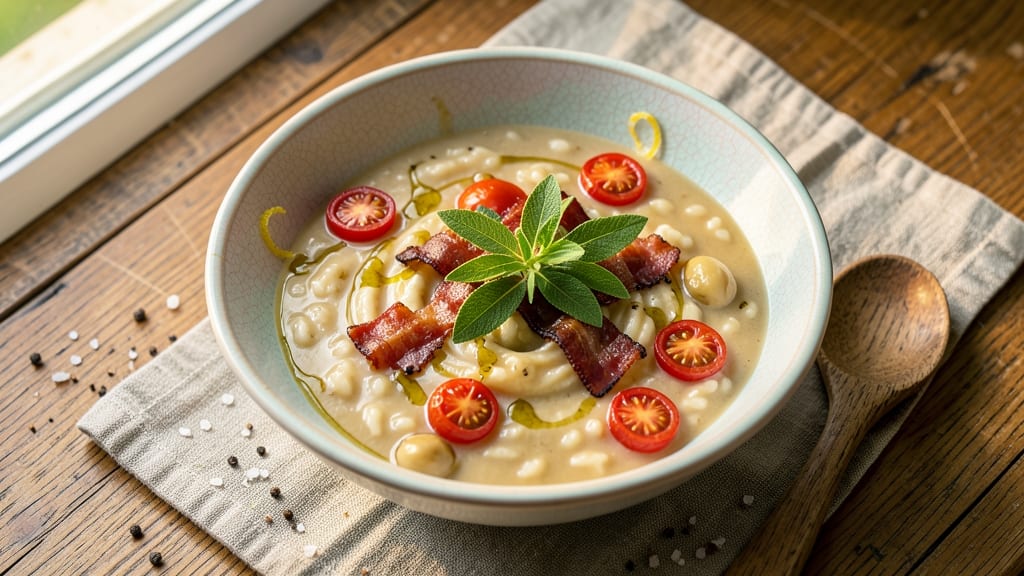
This arborio rice soup recipe transforms humble ingredients into velvety, risotto-style comfort that warms the soul. The secret lies in arborio rice's unique starch content, which releases gradually for that signature creamy texture without heavy cream.
I developed this one-pot version after years of perfecting risotto, streamlining it for weeknight ease while preserving restaurant-quality depth.
What sets this apart is the balance of savory broth, toasted aromatics, and just enough parmesan to enrich without overpowering. The rice absorbs flavors as it cooks, creating a luscious, comforting soup that's light enough for summer but hearty enough for winter.
Whether you add mushrooms, chicken, or keep it vegetarian, the technique remains the same—simple, foolproof, and always satisfying.
Ingredients for arborio rice soup
Transform simple pantry staples into restaurant-quality arborio rice soup with this velvety one-pot masterpiece.
| Ingredient | Amount | Notes |
|---|---|---|
| Arborio Rice 🍚 | 1 ½ cups | Unrinsed for optimal starch release |
| Chicken Broth 💧 | 6 cups | Low-sodium preferred for flavor control |
| Yellow Onion 🧅 | 1 whole | Diced into small, even pieces |
| Garlic Cloves 🧄 | 4 cloves | Minced for even distribution |
| Extra-Virgin Olive Oil 🫒 | ½ cup | High-quality for aromatic base |
| Dry White Wine 🍷 | ½ cup | Medium-bodied for balance |
| Parmesan Cheese 🧀 | ½ cup | Freshly grated from block |
| Fresh Thyme 🌿 | ¼ cup | Leaves only, finely chopped |
| Fresh Mushrooms 🍄 | 8 oz | Cremini or baby bella, sliced |
| Unsalted Butter 🧈 | 4 tbsp | Cold, cut into small cubes |
| Diamond Crystal Kosher Salt 🧂 | 1 ½ tsp | Adjust to taste gradually |
| Freshly Ground Black Pepper 🌶️ | ½ tsp | Freshly cracked for intensity |
| Heavy Cream 🥛 | ¼ cup | Optional for extra richness |
The arborio rice is the star—its high starch content creates that signature creamy texture without heavy cream. Look for Carnaroli or Vialone Nano if you want an even creamier result, but arborio works perfectly. Freshly grated Parmigiano-Reggiano adds depth without overpowering; pre-grated versions contain anti-caking agents that dull the flavor. For the mushrooms, cremini or baby bella provide the best texture and earthy flavor. If you're using dried mushrooms, soak them first and use the soaking liquid in the broth. The white wine should be dry and medium-bodied—think Sauvignon Blanc or Pinot Grigio. Avoid sweet varieties that will throw off the balance.
No Arborio rice? Carnaroli or short-grain white rice are excellent substitutes, though the texture will differ slightly. Out of white wine? Dry vermouth or additional broth works in a pinch. Fresh thyme wilting? Dried thyme at one-third the amount suffices, but fresh is ideal for that bright aroma. The mushrooms can be omitted entirely for a vegetarian version, or sub with sautéed zucchini or asparagus for a lighter take. For the butter, European-style cultured butter adds a tangy depth, but regular unsalted works perfectly fine. If you're avoiding dairy, olive oil or coconut cream can replace the butter and heavy cream, though the texture will be slightly lighter.
This soup tastes even better the next day as flavors meld. Store in an airtight container in the refrigerator for up to 5 days, or freeze for 3 months—portion into individual containers for easy reheating. To reheat, add 1-2 tablespoons of broth or water and warm gently over medium heat, stirring until creamy. The rice absorbs liquid as it cools, so you may need to add a splash more liquid when reheating. For meal prep, make a double batch—the leftovers make fantastic lunches or light dinners. Garnish with extra fresh thyme or grated Parmesan before serving to elevate the presentation.
Why You'll Love This Recipe
- One-Pot Magic: I swear by this recipe—just a pot, a spoon, and 20 minutes. The Arborio rice soaks up the broth while you chop, no stirring fuss required. Honestly, my weeknights thank me every time.
- Umami Bomb: That slow-simmered onion and garlic? Chef’s kiss. The olive oil caramelizes the onion into sweet, sticky layers, then the garlic hits like a warm hug. The broth reduces into a rich, savory base that makes plain rice taste like a restaurant dish.
- Leftover Hero: This soup actually improves overnight. The rice gets that perfect al dente-to-creamy texture, and the flavors meld into something deeper. I freeze portions for lazy days—just reheat, add a splash of broth, and boom, dinner’s saved.
- Budget Chef’s Secret: Arborio rice and chicken broth are my go-to for stretching meals without sacrificing flavor. A single batch feeds four for under $8, and I’ve used it for everything from sick-day meals to potlucks. (Yes, even on a Tuesday night.)
Step-by-step instructions for creamy Arborio rice soup
Transform Arborio rice into velvety soup with rich layers of umami and aromatic depth.
Develop the Flavor Base
Heat the 0.5 cup extra-virgin olive oil in a large, heavy-bottomed pot over medium heat. Add the 1 whole yellow onion, diced into even pieces, and cook for 5-6 minutes until softened and translucent. This foundational step builds sweetness that carries through the entire dish.
Add the 8 oz fresh mushrooms, sliced into uniform pieces, and cook for another 5-6 minutes until they release their moisture and develop golden spots. Stir occasionally to prevent browning. The mushrooms will contribute earthy depth that complements the creamy texture we're building.
Push the mushrooms to the side of the pot and add the 4 cloves garlic cloves, minced finely. Cook for 30 seconds until fragrant—this is when the garlic transforms from raw to aromatic. Immediately add the 0.25 cup fresh thyme and 1.5 tsp diamond crystal kosher salt, stirring to combine. The thyme will infuse its piney notes throughout the soup.
Toast the Arborio Rice
Add the 1.5 cups Arborio rice to the pot and stir to coat it completely in the oil and aromatics. Toast the rice for 2-3 minutes until it turns a pale golden color. This crucial step develops the rice's nutty flavors and prevents gummy texture later.
Pour in the 0.5 cup dry white wine and stir vigorously, scraping up any browned bits from the bottom of the pot. The wine will deglaze the pan, incorporating those flavorful fond deposits that would otherwise burn. Let the mixture simmer for 1-2 minutes until the wine has completely evaporated.
Here's the thing—don't rush this step. The rice needs time to absorb the wine and begin releasing starch. You'll know it's ready when the rice grains look translucent at the edges and the mixture smells intensely aromatic.
Cook the Rice in Stages
Begin adding the 6 cups chicken broth one ladle at a time, stirring constantly after each addition. The rice should absorb each ladleful before adding more. This gradual approach creates the creamy texture by allowing the rice to release starch gradually into the broth.
Once all the broth is incorporated, reduce the heat to low and let the soup simmer gently. Stir occasionally, especially as it approaches the 20-minute mark, when the rice will begin absorbing more aggressively. The soup should maintain a gentle simmer—not a rolling boil—to prevent the rice from becoming mushy.
After 20 minutes, check the texture. The rice should be tender but still have a slight bite. If it's still firm, continue cooking for another 5-10 minutes, adding small amounts of hot broth if needed to maintain the desired consistency. The goal is al dente rice that will finish cooking in the final steps.
Finish with Butter and Cream
Remove the pot from heat and stir in the 4 tbsp unsalted butter, cut into small cubes. The butter will melt into the soup, adding richness and helping to emulsify the natural starches. Let the soup sit for 1 minute to allow the butter to fully incorporate.
Add the 0.25 cup heavy cream and stir gently. The cream will mellow the acidity from the wine and add luxurious body. Taste and adjust seasoning with additional diamond crystal kosher salt or freshly ground black pepper as needed. The soup should be well-seasoned but balanced.
For the final touch, stir in the 0.5 cup parmesan cheese, freshly grated from a block. The cheese will add umami depth and a slightly salty finish. Let the soup sit for 2-3 minutes to allow the flavors to meld completely before serving.
Serve Immediately
Ladle the soup into warm bowls, ensuring each serving has an even distribution of rice and mushrooms. The soup should be thick and creamy, with each spoonful delivering a perfect balance of textures—creamy rice, tender mushrooms, and rich broth.
Garnish with additional fresh thyme leaves and a sprinkle of freshly ground black pepper for a pop of color and extra flavor. Serve with crusty bread to soak up every last drop of that velvety broth. The soup is best enjoyed immediately while it's at its peak temperature and texture.
Pro Tips For Making Arborio Rice Soup
- Toast the Rice First: Start with a dry pan over medium-high heat—just 2-3 minutes until the rice turns translucent and smells nutty. This step builds flavor and prevents gummy soup; I used to skip it and ended up with bland, pasty rice every time.
- Use Cold Broth: Add the Arborio rice to the pot, then pour in cold chicken broth instead of hot. The temperature shock keeps the grains intact while they absorb liquid, giving you that creamy, individual texture instead of a mushy mess.
- Stir Like You Mean It: After the initial toast, keep stirring the rice constantly for the first 5 minutes—especially when the broth starts simmering. I learned this after watching my rice clump into a single, unappetizing ball.
- Finish with Olive Oil: In the last 2 minutes, stir in 1-2 tablespoons of extra-virgin olive oil. It coats the rice, adds richness, and prevents the soup from tasting flat. (Yes, even if you’re not making risotto—this works.)
Regional styles of these flavors
Italian Risotto Tradition
This soup traces its roots to classic Italian risotto, where Arborio rice cooks slowly in broth to create a creamy, velvety texture. In Northern Italy, risotto is traditionally made with saffron or Parmesan, but this soup version adapts the technique for a comforting one-pot meal.
The key difference is the addition of mushrooms and wine, which deepen the umami flavor while keeping the preparation simple. 🍷
French-Inspired Creaminess
French cuisine shares Arborio rice's love, particularly in dishes like risotto alla Milanese, which incorporates saffron. This soup takes inspiration from French techniques like toasting the rice in butter before adding liquid—a method that enhances nutty flavors.
The addition of heavy cream at the end mirrors French béchamel sauces, adding richness without overpowering the dish's natural taste.
Spanish Paella Influence
Spanish paella often uses short-grain rice like Arborio, cooked in broth with vegetables and sometimes saffron. This soup adapts paella's flavor-building approach by sautéing mushrooms and onions first, then gradually adding broth.
The result is a hearty, flavorful dish that feels familiar yet fresh. For a Spanish twist, add smoked paprika or chorizo to the mushrooms before cooking.
Asian-Inspired Adaptation
For an Asian-inspired version, swap the white wine for dry sherry or mirin, and replace Parmesan with toasted sesame oil and a sprinkle of furikake. Add shiitake mushrooms and a splash of coconut milk for a creamy, umami-rich twist.
Garnish with green onions and a drizzle of chili oil for heat. This fusion keeps the Arborio rice's creaminess while introducing bold Asian flavors.
Southern U.S. Comfort Style
In the Southern U.S., creamy rice dishes like dirty rice or creole rice often include sausage or shrimp. Adapt this soup by adding Andouille sausage or shrimp to the mushrooms during the sautéing step.
Finish with a dash of Cajun seasoning and a splash of hot sauce for a spicy kick. Serve with cornbread for a true Southern comfort meal. 🔥
Vegetarian Global Twist
For a globally inspired vegetarian version, use vegetable broth instead of chicken broth, and add roasted red peppers and sun-dried tomatoes for Mediterranean flair. For an Indian twist, stir in garam masala and cashew cream** at the end.
The Arborio rice's natural creaminess pairs beautifully with these bold flavors, making it a versatile base for global adaptations.
Nutrition facts
Frequently asked questions
Why does arborio rice make soup so creamy without heavy cream?
Arborio rice has a high starch content that releases gradually as it cooks. When you add broth slowly, the starch blends into the liquid, creating a natural creaminess. The toasting step before adding liquid enhances this effect while developing nutty flavors. This is why traditional risotto and this soup achieve such luxurious textures without dairy!
Can I make this soup without wine?
Replace the 0.5 cup dry white wine with an equal amount of extra chicken broth or dry vermouth. The wine adds acidity that balances the richness, but it's not essential. For a non-alcoholic version, use apple cider or additional broth. The key is maintaining the same liquid measurements in the recipe.
How do I prevent the rice from becoming mushy?
Never let the soup boil vigorously—maintain a gentle simmer at all times. Stir frequently during the 20-minute cooking time, especially when adding broth. If the rice seems undercooked after 20 minutes, add small amounts of hot broth and continue cooking. The rice should be al dente with a slight bite before removing from heat.
What's the best way to reheat leftovers?
Reheat gently on the stove over low heat, adding 1-2 tablespoons of broth or water per serving. Stir constantly to prevent scorching. The rice absorbs liquid as it cools, so you may need to add more liquid when reheating. For best results, reheat only until hot—overheating can make the rice gummy. Garnish with fresh herbs after reheating for maximum flavor!
Can I substitute other rice varieties?
While arborio is ideal, you can use Carnaroli or short-grain white rice for similar results. Avoid long-grain varieties like basmati or jasmine—they release less starch and won't create the same creamy texture. If substituting, reduce cooking time by 2-3 minutes and check for doneness earlier, as these varieties cook faster than arborio.