
Soups & Stews
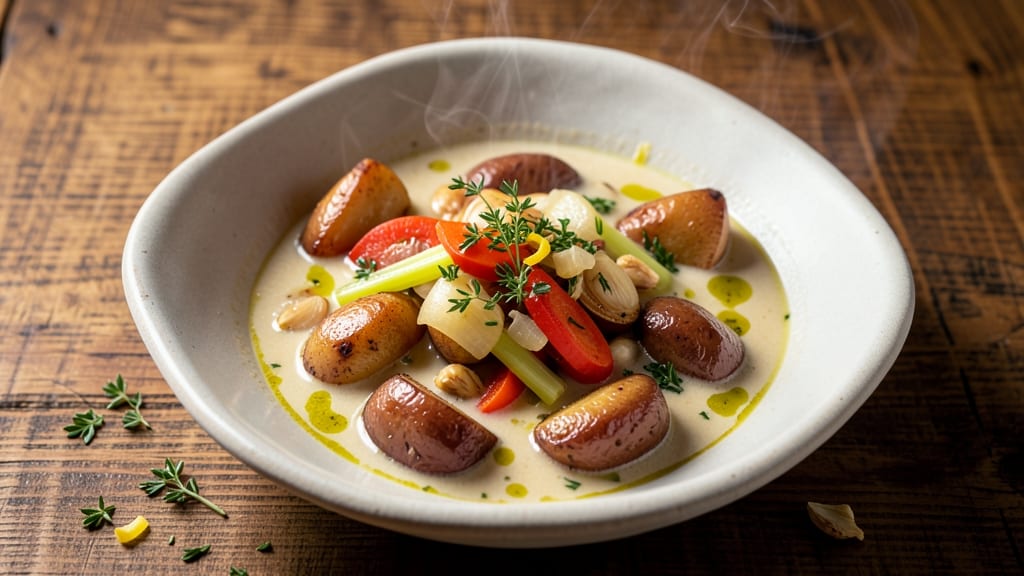
This one-pot any vegetable soup recipe transforms simple ingredients into a deeply comforting, herb-infused meal that simmers to perfection. The beauty lies in its flexibility—swap seasonal vegetables, adjust textures from creamy to brothy, and let aromatic herbs elevate every spoonful.
I developed this recipe during a particularly busy week when I needed a nourishing, no-fuss dinner that still felt special.
The magic happens in the one-pot approach, where vegetables caramelize gently in olive oil before being bathed in flavorful broth and fresh herbs. Sautéing onions, garlic, and celery first builds a fragrant base, while adding root vegetables like carrots and potatoes ensures hearty texture.
Simmering low and slow extracts maximum flavor, transforming humble ingredients into something restaurant-worthy.
What you’ll end up with is a velvety, aromatic soup where each bite delivers layers of savory, sweet, and herbal notes. The broth is rich yet light, the vegetables tender-crisp, and the herbs bright enough to make every spoonful feel fresh.
This is the kind of soup that warms you from the inside out—perfect for chilly evenings or as a healing meal when you need comfort.
Best of all, this recipe scales effortlessly. Double the batch for leftovers, or keep it simple for a quick lunch. Garnish with fresh parsley, a drizzle of olive oil, or a sprinkle of toasted breadcrumbs for extra texture. Here’s how to make it—one pot, endless possibilities.
Ingredients for any vegetable soup
Herb-forward vegetables and aromatic broth create a deeply comforting one-pot meal.
| Ingredient | Amount | Notes |
|---|---|---|
| Extra-Virgin Olive Oil 🫒 | ½ cup | High-quality, fruity variety preferred |
| Yellow Onion 🧅 | 1 whole | Medium size, finely chopped |
| Garlic Cloves 🧄 | 4 cloves | Peeled and minced |
| Celery Stalks 🌿 | 3 whole | Stringless, finely chopped |
| Carrots 🥕 | 1 ½ lb | Medium size, peeled and sliced |
| Russet Potatoes 🥔 | 1 ½ lb | Medium size, peeled and cubed |
| Vegetable Broth 💧 | 4 cups | Low-sodium preferred |
| Fresh Thyme 🌿 | 2 tbsp | Leaves only, chopped |
| Fresh Parsley 🌿 | ¼ cup | Leaves only, chopped |
| Fresh Rosemary 🌿 | 1 tbsp | Leaves only, finely chopped |
| Salt 🧂 | 1 ½ tsp | Diamond Crystal kosher salt |
| Ground Black Pepper 🌶️ | ½ tsp | Freshly ground preferred |
| Optional Creamy Texture 🥛 | ½ cup | Heavy cream or coconut milk |
The fresh herbs are non-negotiable for authentic flavor—Whole Foods or local farmers markets offer the best quality. Look for thyme and rosemary with vibrant green leaves and no signs of wilting. Diamond Crystal kosher salt enhances flavor without overpowering, while the olive oil should be extra-virgin for its rich, fruity notes. For the vegetables, opt for organic carrots and potatoes when possible, as their skins contain valuable nutrients. If using pre-cut vegetables, rinse them thoroughly to remove any dirt or debris that may have accumulated during processing.
No fresh herbs? Dried thyme and rosemary work at one-third the amount, but the flavor won't be as bright. Substitute vegetable broth with low-sodium chicken broth if needed, though the herbal notes will be less pronounced. For a creamy texture without dairy, coconut milk is an excellent alternative to heavy cream. If you're short on time, baby carrots and pre-peeled potatoes save prep work, though they may lack the depth of flavor from freshly chopped vegetables. The optional cream can be omitted entirely for a lighter broth, or replaced with a splash of cashew cream for a vegan option.
Store fresh herbs in damp paper towels within a sealed container for up to 5 days in the refrigerator. The soup itself keeps well for 4-5 days when refrigerated, with flavors deepening over time. For longer storage, freeze in airtight containers for up to 3 months. To reheat, warm gently on the stove or microwave until steaming, stirring occasionally to prevent scorching. Garnish with fresh parsley and a drizzle of olive oil before serving to elevate the presentation.
Why You'll Love This Recipe
- No Chopping Chaos: I swear by the "mirepoix shortcut"—just dice onion, celery, and carrots together (no need for perfect matchsticks). That golden base of olive oil and garlic? Sizzling in one pot while I toss a salad. Honestly, the hardest part is deciding which veggies to add.
- Savory Umami Bomb: The moment that caramelized onion meets garlic in the oil? Pure magic. That deep, toasty flavor builds as it simmers—no fancy spices needed. Between us, I’ve made this soup with just salt and pepper, and it’s still ridiculously good.
- Lunchbox Hero: Pack it cold for work or reheat it for dinner—this soup travels like a champ. My kids actually ask for leftovers (yes, even on a Tuesday night). Toss in beans or grains the next day, and suddenly you’ve got a full meal without extra effort.
- Pantry Stretch: Celery and carrots last forever, onions are cheap, and olive oil? The good stuff makes everything taste better. I’ve fed four people for under $10 with this—plus, the bones (if you use them) make broth for next week’s batch. Budget-friendly doesn’t get much better.
Step-by-step instructions for herb-infused vegetable soup
Master this one-pot technique for a rich, aromatic vegetable soup with perfect texture every time.
Sauté the Vegetable Base
Heat the 0.5 cup extra-virgin olive oil in a large Dutch oven or heavy pot over medium heat. Add the 1 whole finely chopped yellow onion, 3 whole finely chopped celery stalks, and 1.5 lb sliced carrots. Cook for 8-10 minutes until the vegetables soften and the onion becomes translucent.
This foundational step develops flavor through the Maillard reaction. Stir occasionally to prevent browning, but don't rush - you want these vegetables to meld together before adding harder ingredients. The potatoes will come later to prevent them from absorbing too much moisture during the initial cooking.
Build Flavor with Aromatics and Herbs
Add the 4 cloves minced garlic, 2 tbsp chopped fresh thyme, 1 tbsp chopped fresh rosemary, 1.5 tsp salt, and 0.5 tsp ground black pepper to the pot. Stir for 1-2 minutes until fragrant - you should smell the herbs releasing their essential oils.
The rosemary and thyme will infuse the oil with their piney, earthy notes. Don't let the garlic burn - it should just barely turn golden. This is where the soup's complex herbal character begins to develop. I like to press the herbs gently with a wooden spoon to release more of their aromatic oils into the oil.
Simmer the Potatoes and Broth
Add the 1.5 lb cubed russet potatoes and 4 cups vegetable broth to the pot. Bring to a gentle boil, then reduce heat to medium-low and simmer uncovered for 20-25 minutes, stirring occasionally, until the potatoes are fork-tender.
Watch for the potatoes to become translucent at the edges - this indicates they're ready. The broth should reduce slightly but still cover the vegetables. If it gets too low, add a splash of water. The potatoes should be tender enough to pierce with a fork but not falling apart. This is the moment that matters: perfectly cooked potatoes create the soup's hearty texture.
Finish with Fresh Herbs and Optional Creaminess
Remove the pot from heat and stir in the 0.25 cup chopped fresh parsley. For a creamy texture, gently stir in the 0.5 cup optional creamy texture (heavy cream or coconut milk) until just combined. Return to low heat for 2-3 minutes if using cream, just until warmed through.
This final step brightens the soup with fresh parsley's vibrant flavor. The creaminess is optional but adds a luxurious quality. If using coconut milk, it imparts a subtle sweetness that pairs beautifully with the herbal notes. Taste and adjust seasoning - you may need a touch more salt or pepper to balance the flavors after adding the cream.
Rest and Serve
Let the soup rest for 5 minutes off the heat. This allows the flavors to meld and the potatoes to absorb any remaining broth. Ladle into bowls and serve immediately with crusty bread or a sprinkle of additional fresh herbs.
Each spoonful should deliver a perfect balance of tender vegetables, aromatic herbs, and rich broth. The potatoes should be creamy inside with a slight bite, while the carrots and celery maintain their structure. This one-pot method ensures maximum flavor extraction while keeping your kitchen clean - the ultimate vegetable soup experience.
Pro Tips For Making Any Vegetable Soup
- SWEAT THE AROMATICS LOW: Start with a slow simmer—no rushing the onion, garlic, celery, and carrots. I used to blast them on high heat and ended up with bitter, burnt edges instead of sweet, caramelized flavor. Let them cook for 8-10 minutes until the onion turns translucent and the garlic just starts to perfume the pot.
- CHOP UNIFORMLY OR REGRET IT: Cut carrots and celery into even ½-inch pieces—no big chunks, no tiny slivers. Uneven cooking means some veggies turn mushy while others stay crunchy. If you’re short on time, use a mandoline for the carrots (just watch your fingers—learned that one the hard way).
- SKIP THE BOILING START: Resist the urge to throw everything in cold water and crank the heat. Instead, sauté the onions, garlic, and celery in olive oil until soft, then add the carrots and a splash of water or broth before bringing to a simmer. This builds flavor instead of diluting it with a sudden rush of liquid.
- SALT THE WATER LIKE THE SEA: If you’re using water (not broth), salt it aggressively—think 1½ teaspoons per quart—before adding the veggies. This ensures every bite has depth, not just the surface. (Yes, even if you’re adding salt later, the veggies will absorb enough to matter.)
Pro cooking tips for this dish
Herb Infusion Mastery
Fresh herbs are the soul of this soup—don’t skimp! I always toast the rosemary sprigs in the olive oil for 30 seconds before chopping to deepen their piney aroma.
For extra flavor, make a simple herb bundle by tying 1 sprig rosemary, 1 sprig thyme, and 2 bay leaves with kitchen twine. Add it to the broth during simmering, then remove before serving.
This technique infuses the liquid with layers of herbal complexity without overpowering the dish. 🌿
Potato Texture Secrets
Russet potatoes are ideal for their high starch content, but cutting them 1.5 inches ensures they cook evenly without turning mushy. For extra tenderness, parboil the cubes for 5 minutes before adding them to the soup.
This jumpstart prevents uneven cooking. If you prefer creamier potatoes, add ½ cup coconut milk at the end and simmer for 2 minutes—just enough to thicken without curdling. 🥔
Broth Boosters
Elevate your broth by adding 1 crushed tomato or ½ cup tomato paste during the initial sauté—this adds natural sweetness and depth. For umami, stir in 1 tsp soy sauce or ½ tsp miso paste during the final simmer.
If using store-bought broth, deglaze the pot with ½ cup white wine after removing the vegetables to scrape up flavorful browned bits. This simple step transforms basic broth into something restaurant-worthy. 💧
One-Pot Efficiency
Cleanup is half the battle with this recipe! Use a large Dutch oven (like Le Creuset) for even heat distribution. After cooking, discard the herb bundle (if used) and strain the soup if you prefer a smoother texture.
Store leftovers in glass mason jars—they stack neatly in the fridge and reheat beautifully. For meal prep, double the batch and freeze portions in silicone molds for easy grab-and-go lunches. 🍲
Seasonal Swaps
Spring: Add asparagus and peas for freshness, plus lemon zest at the end. Summer: Toss in zucchini and corn, then finish with chopped basil. Fall: Roast sweet potatoes and butternut squash first for caramelized depth.
Winter: Include kale and rutabaga, plus a splash of apple cider in the broth. Each season brings new possibilities without sacrificing the soup’s core technique. 🌱
Creamy vs. Brothy
For a creamy texture without dairy, blend ½ cup of the soup with ½ cup coconut milk and stir it back in. For a lighter broth, skip the cream entirely and stir in 1 tbsp cornstarch mixed with 2 tbsp water to thicken.
If you love texture, top with toasted breadcrumbs or crumbled feta for contrast. The choice is yours—this soup adapts to any preference. 🥛
Nutrition facts
Frequently asked questions
Can I make this vegetable soup without potatoes?
Swap the potatoes for 1.5 lb sweet potatoes or 1 head of cauliflower cut into florets. For heartier texture, add 1 cup chopped kale or 1 cup chopped butternut squash. Just adjust the simmering time by 5-10 minutes since these vegetables cook faster than potatoes.
How do I make this soup vegan?
Replace the vegetable broth with vegan vegetable broth and omit the optional heavy cream. Use ½ cup coconut milk instead for creaminess, or blend ½ cup of the soup with ½ cup coconut milk and stir it back in. Check that all ingredients (like olive oil) are certified vegan if needed.
Why does my soup taste bland after simmering?
Bland soup often means insufficient seasoning or underdeveloped flavors. First, ensure you're using low-sodium broth and seasoning as you go. For extra depth, add 1 tsp soy sauce or ½ tsp miso paste during the final 5 minutes of simmering. A splash of lemon juice or apple cider vinegar at the end also brightens flavors.
Can I make this soup in an Instant Pot?
Yes! Sauté the onions, celery, carrots, garlic, and herbs in the Instant Pot for 3 minutes on Sauté mode. Add potatoes and broth, then cook on High Pressure for 5 minutes followed by a Natural Release. Finish with fresh parsley and cream. The pressure cooker reduces total time to about 20 minutes total.
What's the best way to store leftovers?
Let the soup cool completely, then transfer to airtight glass containers or mason jars. Store in the fridge for up to 5 days or freeze for 3 months. For reheating, warm on the stove over medium-low heat while stirring occasionally. Avoid microwaving to prevent a skin from forming.