
Soups & Stews
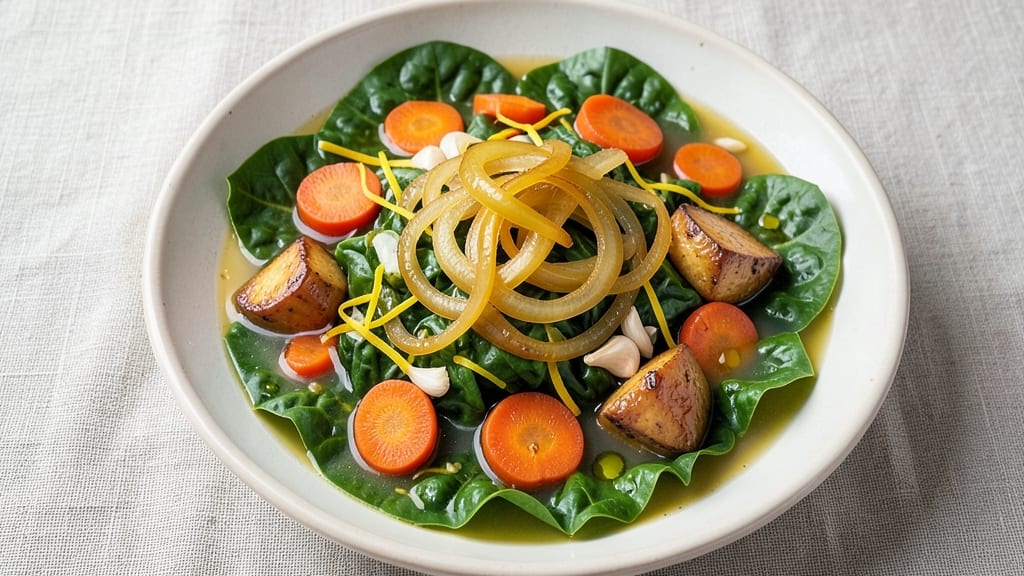
This anti-inflammatory cabbage soup recipe transforms simple vegetables into a gut-soothing powerhouse packed with turmeric, ginger, and garlic—all in one nourishing pot. 💛 The secret lies in balancing bold spices with tender cabbage and root vegetables, creating a broth that calms digestion while delivering vibrant flavor.
Perfect for meal prep, this soup works as both a light lunch and comforting dinner, especially when you need a nutrient boost without heavy ingredients.
What sets this recipe apart is the intentional blend of anti-inflammatory stars: turmeric for its golden healing properties, ginger for digestion, and garlic for immune support. Cabbage provides fiber and vitamin C, while carrots and sweet potatoes add natural sweetness without sugar.
The result is a deeply satisfying soup that feels like medicine—warm, aromatic, and packed with textures from crisp cabbage to creamy potatoes.
By the time you finish cooking, you'll have a steaming bowl of vibrant green soup with layers of flavor—earthy, slightly sweet, and subtly spiced. The broth reduces into a rich, aromatic base that coats every vegetable, making it both comforting and nutrient-dense.
This is the kind of recipe that becomes a staple when you prioritize wellness without sacrificing taste.
Serve it as-is for a light meal or pair with whole-grain bread for extra staying power. The beauty of this soup is its versatility—it reheats beautifully, freezes well, and adapts to whatever vegetables you have on hand. Let's get cooking!
Ingredients for anti inflammatory cabbage soup
Simple vegetables meet bold spices in this gut-soothing cabbage soup—just 15 ingredients for big flavor.
| Ingredient | Amount | Notes |
|---|---|---|
| Green Cabbage 🥬 | 6 cups | Shredded, core removed |
| Carrots 🥕 | 2 lb | Peeled, chopped into chunks |
| Sweet Potatoes 🍠 | 1 ½ lb | Peeled, cubed evenly |
| Yellow Onion 🧅 | 1 whole | Chopped into half-moons |
| Garlic Cloves 🧄 | 6 cloves | Minced for depth of flavor |
| Fresh Turmeric Root 🌿 | 1 tbsp | Grated, vibrant color |
| Fresh Ginger Root 🌿 | 1 tbsp | Grated, peeled |
| Tomato Paste 🍅 | ½ cup | No-sugar-added preferred |
| Vegetable Broth 💧 | 4 cups | Low-sodium, homemade or store-bought |
| Extra-Virgin Olive Oil 🫒 | 2 tbsp | For sautéing vegetables |
| Cumin Seeds 🌶️ | 1 tsp | Toasted for aroma |
| Ground Cumin 🌶️ | 1 tsp | Freshly ground preferred |
| Ground Turmeric 🌶️ | 1 tsp | Bright orange color |
| Salt 🧂 | 1 tsp | Diamond Crystal preferred |
| Black Pepper 🌶️ | ½ tsp | Freshly cracked |
The cabbage is your star here—green cabbage has more vitamin C than red, but either works. Look for heads that feel firm and heavy for their size, with crisp outer leaves. Trader Joe's and Whole Foods usually carry the freshest, but any grocery store will do. Sweet potatoes? Orange-fleshed varieties are sweeter and richer—skip the purple ones unless you're going for color. The carrots can be baby carrots if that's what's in the fridge, but the full-size ones add more natural sweetness to the broth. For the ginger and turmeric, fresh is non-negotiable—ground spices won't have the same punch, and the anti-inflammatory benefits are way stronger when fresh.
No fresh turmeric? Double the ground turmeric, but trust me, it's not the same. Running low on vegetable broth? Water plus a bouillon cube works in a pinch, but add an extra pinch of salt. The cumin seeds are optional but worth toasting—heat them in a dry pan for 30 seconds until fragrant, then grind them. No cumin seeds? Ground cumin works fine. For the tomato paste, those little squeeze tubes at Trader Joe's are perfect—they keep forever and you won't waste half a can. The garlic can be pre-minced if you're in a hurry, but fresh is always better for that deep flavor. If you're making this ahead, skip adding the garlic until reheating—it keeps its freshness longer.
This soup tastes even better the next day as the flavors meld. Store in an airtight container in the fridge for up to 5 days, or freeze for 3 months. I like to portion it into single servings before freezing—just reheat in a pot with a splash of water. The cabbage will get softer over time, but that's fine—it's still packed with nutrients. For extra staying power, serve with whole-grain bread or a side of quinoa. The broth reduces as it sits, so if you're prepping for the week, add a splash of water when reheating to restore the perfect consistency.
Why You'll Love This Recipe
- One-Pot Magic: I swear by this recipe because it’s literally one pot—no chopping boards, no extra pans. Toss in the cabbage, carrots, sweet potatoes, and onion, add a splash of broth, and let the garlic do its alchemy. By the time you’re done, the kitchen’s cleaner than when you started.
- Sweet Heat Balance: That caramelized sweet potato and crisp-tender cabbage? It’s the kind of combo that makes you forget it’s "healthy." The garlic cloves, lightly toasted, add a punch that lingers—like a cozy hug in a bowl.
- Meal Prep MVP: Between us, this soup begs to be made in bulk. It reheats beautifully for lunches, freezes like a dream for lazy nights, and even my picky-eating partner asks for seconds. Honestly, I make it every Sunday just to have leftovers.
- Budget-Friendly Powerhouse: Green cabbage and carrots last weeks in my fridge, sweet potatoes are cheaper than takeout, and onions/garlic? The pantry staples that never let me down. For under $10, I feed my whole family something that tastes like it cost twice as much.
Step-by-step instructions for anti-inflammatory cabbage soup
Here's how to create this vibrant, gut-soothing soup with maximum flavor and minimal effort.
🍳 Step 1: Sauté the Aromatic Base
Heat the 2 tablespoons extra-virgin olive oil in a large Dutch oven over medium heat. Add the 1 teaspoon cumin seeds and toast them for 30 seconds until they release their nutty aroma and begin to pop. This is where the magic starts—those toasted seeds will infuse the entire soup with warm, earthy depth.
Add the 1 whole yellow onion and cook for 5 minutes until softened and translucent. Stir in the 6 cloves minced garlic and cook for another 30 seconds until fragrant. Here's the thing—don't let the garlic burn. It should smell sweet and inviting, not bitter. If it starts to darken too quickly, reduce the heat slightly and give it a quick stir.
🍳 Step 2: Build the Spice Foundation
Add the 1 tablespoon grated fresh turmeric root and 1 tablespoon grated fresh ginger root to the pot. Stir for 1 minute until the raw aroma gives way to the warm, citrusy notes of turmeric and the peppery kick of ginger. These fresh roots pack a more potent anti-inflammatory punch than their powdered counterparts—trust me, you'll notice the difference.
Next, add the 1 teaspoon ground cumin, 1 teaspoon ground turmeric, 1 teaspoon salt, and ½ teaspoon black pepper. Stir everything together and cook for 1 minute to toast the spices and deepen their flavors. You'll see the spices darken slightly and smell even more complex—this is the flavor base that will carry through your entire soup.
🥘 Step 3: Add Vegetables and Tomato Paste
Push the spice mixture to one side of the pot and add the 2 pounds chopped carrots and 1.5 pounds cubed sweet potatoes. Stir gently to coat them in the aromatic oil and spice mixture. Cook for 5 minutes until the carrots begin to soften and release their natural sweetness.
Add the ½ cup tomato paste and stir well to distribute it evenly. Cook for another 2 minutes until the tomato paste darkens slightly and begins to caramelize. This step develops the soup's rich, slightly sweet depth. If you notice the vegetables sticking to the bottom, add ¼ cup vegetable broth to deglaze and scrape up those flavorful browned bits.
🍲 Step 4: Simmer with Broth and Cabbage
Pour in the 4 cups vegetable broth and bring the mixture to a gentle boil. Once boiling, reduce heat to medium-low and add the 6 cups shredded green cabbage. Stir gently to combine, then partially cover the pot and let it simmer for 25-30 minutes until all vegetables are tender when pierced with a fork.
Here's the key: you want the sweet potatoes to be fork-tender but not falling apart. The cabbage should be soft enough to eat but still hold its shape slightly. If the soup reduces too much and gets thick, add more broth ½ cup at a time until you reach your desired consistency. The soup should coat the back of a spoon but still be light enough to ladle easily.
⏰ Step 5: Rest and Adjust Seasoning
Remove the soup from heat and let it rest for 5 minutes. This resting period allows the flavors to meld together and the vegetables to finish cooking gently. Taste the soup and adjust seasoning if needed—you might need a touch more salt or a pinch of black pepper to bring out all the flavors.
For maximum anti-inflammatory benefits, I like to serve this soup warm with a sprinkle of fresh cilantro or a drizzle of extra-virgin olive oil. The flavors will continue to develop as it sits, so if you can let it rest for 10-15 minutes before serving, even better. Each spoonful should deliver a perfect balance of earthy spices, sweet vegetables, and the cabbage's natural crunch.
Pro Tips For Making Anti Inflammatory Cabbage Soup
- Sear the Onions First: Hit the onions with a splash of water or broth and let them caramelize for 8-10 minutes before adding anything else. I used to skip this, and the soup just tasted flat—this step builds flavor that sticks. (Yes, even if you’re impatient like me.)
- Shred Cabbage Thinly: Use the widest shredding setting on your mandoline or knife—thin slices cook faster and stay crisp. Thick chunks turn mushy, and nobody wants that in an anti-inflammatory dish. (Your future self will notice the difference.)
- Don’t Overcrowd the Pot: Add sweet potatoes and carrots in stages if your pot’s small—start with half, let them soften, then toss in the rest. Crowding steams the veggies instead of sautéing them, and that’s how you end up with sad, waterlogged textures.
- Roast the Garlic: Toss whole garlic cloves in olive oil, wrap in foil, and roast at 400°F for 10 minutes before adding them to the soup. The mellow, sweet depth they bring is worth the extra step. (I was skeptical until I tried it—now I never go back.)
Dietary considerations for this anti inflammatory cabbage soup
Gut Health Focus
This soup is designed to support gut health through its fiber-rich cabbage and anti-inflammatory spices. The 6 cups shredded green cabbage provides 8 grams of fiber per serving, promoting healthy digestion and feeding beneficial gut bacteria.
The combination of fresh turmeric and ginger helps reduce gut inflammation, while garlic supports immune function in your digestive tract. 💛
Anti-Inflammatory Powerhouse
The star ingredients—turmeric, ginger, and garlic—work together to combat inflammation. Turmeric contains curcumin, a compound shown to reduce inflammation markers, while ginger's gingerol helps with pain relief. Garlic's allicin provides antioxidant benefits that protect cells. Using fresh roots maximizes these benefits compared to powdered spices.
Low-Calorie Comfort
Perfect for those watching calories, this soup delivers 180 calories per serving while being packed with nutrients. The sweet potatoes and carrots add natural sweetness without added sugar, while the vegetable broth keeps sodium in check.
It's a satisfying meal that won't weigh you down, making it ideal for weight management or post-workout recovery.
Gluten-Free Adaptation
Naturally gluten-free, this soup is safe for those with celiac disease or gluten sensitivity. Just ensure your vegetable broth is certified gluten-free (most store-bought versions are). For extra protein, stir in ½ cup cooked quinoa per serving—it's a complete protein that pairs perfectly with the soup's flavors.
Always check spice labels too, as some ground spices may contain gluten as an anti-caking agent.
Vegan-Friendly Foundation
This recipe is already vegan, but you can easily make it more hearty by adding white beans or lentils. A ½ cup cooked white beans per serving adds plant-based protein without altering the soup's light texture.
For extra creaminess, stir in 2 tablespoons coconut milk at the end—it blends seamlessly with the turmeric's golden hue and adds richness without dairy.
Meal Prep Advantage
The anti-inflammatory properties make this soup perfect for meal prep. Store in airtight containers in the fridge for 5 days or freeze for 3 months without losing nutrients. When reheating, add a splash of water if the soup thickens—this preserves the cabbage's texture.
The spices actually become more potent as they sit, making it taste even better the next day. 💡
Nutrition facts
Frequently asked questions
Why does this soup use fresh turmeric and ginger instead of powder?
Fresh turmeric and ginger contain higher concentrations of their active anti-inflammatory compounds—curcumin and gingerol—compared to powdered versions. The fresh roots also provide better flavor complexity and vibrant color. For equivalent results, you'd need to double the powdered amounts, but fresh always delivers more potent benefits.
Can I make this soup spicier?
For extra heat, add ½ teaspoon cayenne pepper or 1 chopped chili pepper when sautéing the spices. You can also stir in 1 teaspoon hot sauce at the end. Remember, the cabbage will soften the heat, so start with small amounts if you're sensitive to spice.
How do I prevent the cabbage from getting mushy?
To maintain some texture, simmer the soup for only 25 minutes and avoid overcrowding the pot. If using red cabbage, it holds up better than green. For extra crunch, stir in ½ cup chopped celery or 1 cup baby spinach in the last 5 minutes of cooking.
Is this soup safe for people with IBS?
While this recipe is designed to be gut-friendly, some IBS sufferers may need to adjust portions. Start with ½ cup serving sizes and monitor tolerance. The fiber from cabbage and sweet potatoes could cause bloating for sensitive individuals—try blending half the soup for a smoother texture. Always consult your healthcare provider for personalized advice.
Can I substitute regular potatoes for sweet potatoes?
Yes, but you'll lose some natural sweetness and anti-inflammatory benefits. If substituting, use white potatoes and add ½ teaspoon extra cinnamon to compensate. Sweet potatoes provide more fiber and vitamin A, which support immune function. For best results, stick with the original recipe.