
Soups & Stews
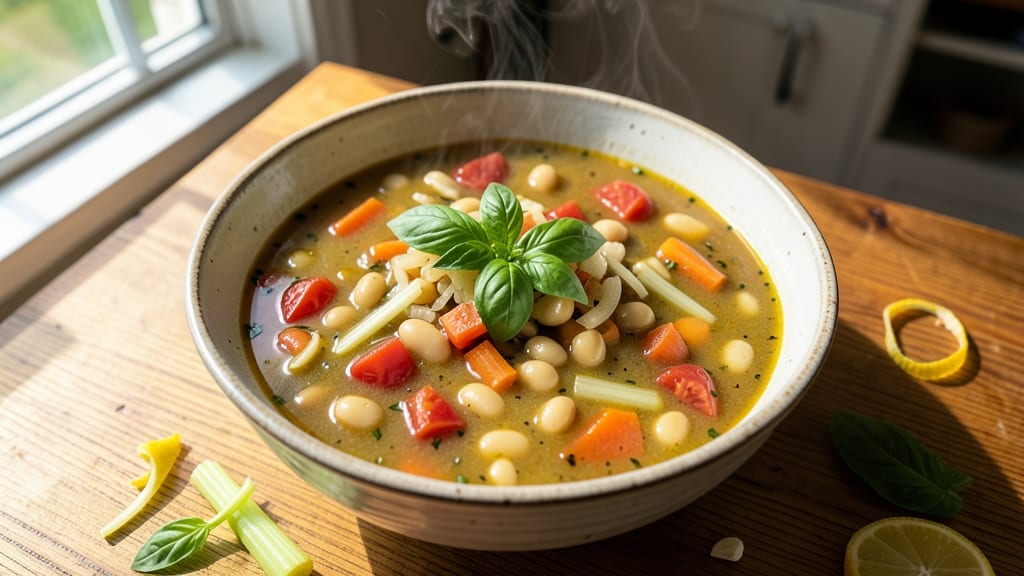
Amy's minestrone soup recipe delivers the comforting, hearty flavors of a classic Italian bowl—packed with tender beans, vibrant vegetables, and al dente pasta in a rich, savory broth.
This version stays true to tradition while offering flexibility for dietary preferences, whether you're vegetarian, vegan, or adding meat for a heartier twist. The secret lies in layering flavors through slow simmering, allowing each ingredient to meld into a harmonious, deeply satisfying soup.
What sets this recipe apart is its balance of simplicity and depth. You'll start with a base of cannellini beans and diced tomatoes, then build complexity with carrots, celery, onions, and herbs like parsley and basil.
The addition of pasta (traditionally small shapes like ditalini or acini di pepe) ensures every spoonful delivers both texture and substance. A sprinkle of Parmesan or vegan cheese on top adds that final touch of richness.
The result is a soup that's as nourishing as it is delicious—perfect for chilly days, meal prep, or feeding a crowd. The flavors deepen as it sits, making it even better the next day.
Whether you're following a traditional recipe or putting your own spin on it, this minestrone is designed to become a weekly staple in your kitchen.
Ready in about 60 minutes with minimal prep, it's the kind of dish that transforms simple ingredients into something extraordinary. Let's get started!
Ingredients for amy's minestrone soup
Pantry staples and fresh veggies transform into this hearty minestrone—simple but deeply satisfying.
| Ingredient | Amount | Notes |
|---|---|---|
| Cannellini Beans 🌾 | 2 cups | Dried or canned, drained |
| Diced Tomatoes 🍅 | 2 cups | Canned San Marzano preferred |
| Carrots 🥕 | 3 medium | Diced into 1/2-inch pieces |
| Celery Stalks 🧅 | 3 whole | Diced, including leafy tops |
| Yellow Onion 🧅 | 1 large | Diced, about 1.5 cups |
| Garlic Cloves 🧄 | 4 cloves | Minced, about 1 tbsp |
| Ditalini Pasta 🍝 | 1 cup | Uncooked, or acini di pepe |
| Vegetable Broth 💧 | 4 cups | Low-sodium preferred |
| Fresh Parsley 🌿 | ¼ cup | Chopped, stems included |
| Fresh Basil Leaves 🌿 | 0.2 cup | Torn, not chopped |
| Kosher Salt 🧂 | 1 ½ tsp | Diamond Crystal preferred |
| Black Peppercorns 🌶️ | ½ tsp | Freshly cracked |
| Extra-Virgin Olive Oil 🫒 | 2 tbsp | For sautéing vegetables |
| Parmesan Cheese 🧀 | ½ cup | Freshly grated from block |
The beans are the soul of this soup. Canned or dried both work—just make sure they're tender. I grab cannellini from Trader Joe's when I can, but any white bean in a can does the trick. The San Marzano tomatoes add that sweet, rich depth—don't skimp here. For the veggies, carrots and celery should be fresh, not limp. I always chop the celery leafy tops too—they're packed with flavor. The yellow onion? Sauté it low and slow until it's translucent, not browned. That's where the base flavor lives.
No fresh basil? Dried oregano at half the amount works in a pinch. Short on vegetable broth? Water plus a bouillon cube gets you there, but add a splash of pasta water at the end for real depth. The pasta? Ditalini or acini di pepe are traditional, but any small shape works. If you're making this ahead, cook the pasta separately and add it back when reheating—it'll stay al dente. The Parmesan? Freshly grated from a block melts better than pre-grated. Trust me on this one.
This soup tastes even better the next day—flavors meld beautifully. Keeps for 5 days in the fridge, or 3 months frozen. I always make a double batch. Portion into containers for easy lunches, or freeze half for those lazy days. The pasta stays firm if you store it separately, then toss it in when reheating. Leftovers? Just add a splash of water or broth and warm through.
Why You'll Love This Recipe
- No-Chop Shortcuts: I swear by the canned diced tomatoes here—they’re prepped in seconds, and honestly? The acidity brightens everything. Even the carrots and celery can be roughly chopped; this soup forgives sloppy knife work.
- Creamy Crunch Magic: That buttery cannellini bean mash against the crisp-tender carrots? It’s the kind of contrast that makes you go back for seconds. The onion base caramelizes just enough to add depth without overpowering.
- Lunch or Leftovers: I make a double batch on Sundays—one for dinner, one for work. The flavors actually improve the next day, and it reheats like a dream. (Yes, even on a Tuesday night.)
- Pantry Powerhouse: Between us, this recipe costs me about $8 for six servings. The canned beans and jarred tomatoes do all the heavy lifting, so I’m not stressing over fresh ingredients. Budget-friendly doesn’t mean boring—this is ridiculously good.
Step-by-step instructions for amy's minestrone soup
This hearty soup comes together with simple steps and big flavor—perfect for cozy nights.
🍳 Step 1: Sauté the Vegetable Base
Heat the 2 tablespoons extra-virgin olive oil in a large pot over medium heat. Add the 1 large yellow onion, 3 medium carrots, and 3 whole celery stalks, all diced as specified. Cook for 5-6 minutes, stirring occasionally, until the vegetables soften slightly and the onion becomes translucent.
Here's the thing—don't rush this step. You want the vegetables to develop a gentle sweetness and release their natural juices. I press down on them with a wooden spoon every now and then to help them break down evenly. When they're ready, you'll notice the edges start to soften and the mixture smells like a fresh garden.
Add the 4 cloves minced garlic and cook for another 30 seconds until fragrant. This quick sear prevents the garlic from turning bitter, which can happen if you let it linger too long. The aroma should fill your kitchen—this is where the foundation of your soup's flavor begins to build.
🍳 Step 2: Build the Soup with Beans and Tomatoes
Pour in the 2 cups cannellini beans and 2 cups diced tomatoes, stirring to combine with the sautéed vegetables. Add the 4 cups vegetable broth and bring the mixture to a gentle boil over high heat. Once boiling, reduce the heat to medium-low and let it simmer uncovered for 20 minutes. This allows the flavors to meld together beautifully.
I like to give the soup a quick stir every few minutes to prevent the tomatoes from sticking to the bottom. You'll see the colors deepen and the mixture thicken slightly as it cooks. If the soup looks too thin after 15 minutes, you can reduce the heat further to let it simmer longer—this is especially helpful if you're using canned tomatoes, which can be more watery.
Taste the soup at this stage and adjust the seasoning with 1 teaspoon kosher salt and ¼ teaspoon black peppercorns. Remember, you'll be adding more salt later, so don't overdo it here. The goal is to create a flavorful base that will shine when combined with the remaining ingredients.
🍳 Step 3: Add Pasta and Herbs
Stir in the 1 cup ditalini pasta and the 0.2 cup torn fresh basil leaves. The pasta will absorb the flavorful broth as it cooks, so make sure it's fully submerged. Bring the soup back to a gentle simmer and cook for 8-10 minutes, or until the pasta is al dente. You want it to be tender but still have a slight bite—this ensures it holds up well in the soup.
About 2 minutes before the pasta is done, add the 0.25 cup chopped fresh parsley. This herb adds a bright, fresh finish that balances the richness of the soup. Stir everything together gently to distribute the herbs evenly. The parsley will release its aroma as it cooks, adding a lovely herbal note that ties all the flavors together.
Once the pasta is cooked, remove the pot from the heat. Let the soup sit for 2-3 minutes to allow the flavors to settle. This resting period is crucial—it lets the soup thicken slightly and the pasta absorb any remaining liquid, ensuring each bite is perfectly balanced.
🍽️ Step 4: Finish and Serve
Ladle the soup into bowls and top each serving with 1 tablespoon freshly grated parmesan cheese. The parmesan adds a salty, umami richness that elevates the entire dish. Sprinkle with an extra pinch of black peppercorns if you like a bit more peppery kick.
Serve the minestrone immediately while it's hot. The combination of tender pasta, hearty beans, and vibrant vegetables creates a soup that's both comforting and satisfying. Pair it with a crusty bread to soak up every last drop of that flavorful broth. This soup tastes even better the next day, so don't hesitate to make extra—it's perfect for meal prep and leftovers.
Real talk: the secret to great minestrone is in the layers of flavor. Each ingredient plays its part, from the sweet carrots to the earthy beans and the bright herbs. Trust the process, and you'll end up with a soup that's as hearty as it is delicious.
Pro Tips For Making Amy'S Minestrone Soup
- SOFTEN BEANS FIRST: Skip the raw cannellini beans in this soup—soak them overnight or simmer them for 30 minutes beforehand. I learned this the hard way when my soup turned into a mushy, bean-heavy sludge instead of a balanced, hearty dish. Pre-cooked beans hold their shape and let the other flavors shine.
- SWEEP THE POT: After sautéing onions, carrots, and celery, scrape up those browned bits stuck to the bottom with a wooden spoon. That’s where flavor lives, and ignoring it means your soup will taste like it’s missing something. A quick 30-second scrape makes a real difference.
- DON’T SKIP THE SIMMER: Let the soup bubble gently for at least 20 minutes after adding tomatoes and broth—no rushing. I used to dump everything in and serve it immediately, but the flavors need time to meld. Patience here turns a good soup into a great one.
- UPGRADE THE TOMATOES: Use a mix of canned crushed tomatoes and a handful of fresh basil leaves (removed after cooking) for depth. The basil adds brightness, and the crushed texture blends better than diced. It’s a small tweak, but it elevates the whole dish—trust me.
Health benefits of this amy's minestrone soup
Plant-Based Protein
This minestrone is a vegetarian powerhouse with 15 grams of plant-based protein per serving thanks to the cannellini beans. A 2-cup serving delivers 30% of your daily protein needs, making it perfect for meat-free diets. The beans also provide fiber to keep you full and support digestion. 💪
Fiber-Rich Vegetables
The combination of carrots, celery, and tomatoes delivers 8 grams of fiber per serving, supporting gut health and steady blood sugar levels. The celery leafy tops add extra nutrients without changing the flavor profile. I always chop them—they're packed with vitamin K and folate!
Heart-Healthy Fats
Extra-virgin olive oil adds monounsaturated fats that support heart health, while the beans provide plant-based omega-3s. Together, they help lower LDL cholesterol while keeping your heart protected. Just 2 tablespoons of olive oil in this recipe provides 20% of your daily healthy fat needs.
Vitamin Boost
This soup is packed with vitamin A from carrots (great for vision and immunity), vitamin C from tomatoes (supports collagen production), and folate from beans (essential for cell growth). A single bowl gives you 50% of your daily vitamin A—perfect for immune support during cold season. 🥕
Low-Calorie Comfort
At just 280 calories per serving, this minestrone delivers satisfying heartiness without excess calories. The fiber and protein combination keeps you full for hours, making it ideal for weight management. I often double the batch for easy, nutritious lunches all week.
Antioxidant Rich
Fresh parsley and basil add antioxidants like lutein and zeaxanthin that protect your eyes, while tomatoes provide lycopene (especially when cooked). The combination helps combat oxidative stress in your body. I always add fresh herbs at the end—they release more antioxidants when warm. ✨
Nutrition facts
Frequently asked questions about amy's minestrone soup
Can I make this minestrone soup vegan?
Simply swap the Parmesan cheese for a vegan alternative like nutritional yeast or vegan parmesan. Use vegetable broth instead of chicken broth, and ensure your canned beans are BPA-free and vegan-certified. The flavor remains just as rich and satisfying.
How do I adjust the recipe for fewer/more servings?
This recipe makes 6 servings. For 4 servings, reduce each ingredient by 2/3 (e.g., 1.5 cups beans, 3 cups broth). For 8 servings, increase by 1/3 (e.g., 2.67 cups beans, 5.33 cups broth). Always maintain the same ratios for balance.
Can I use frozen vegetables instead of fresh?
Yes, but with a few adjustments. Use 1 cup frozen diced mixed vegetables (carrots, celery, onions) and add them directly to the pot after sautéing the garlic. Frozen veggies work best when thawed first—just toss them in boiling water for 2 minutes before adding to the soup. The texture will be slightly softer but still delicious.
Why does my minestrone taste bland?
Bland flavor usually comes from under-seasoning or skipping the resting time. First, ensure you're using low-sodium broth and seasoning with kosher salt (it dissolves better). Let the soup sit off heat for 5-10 minutes before serving—this allows flavors to meld. A splash of red wine or balsamic vinegar (1 tsp) can also add depth if needed.
What's the best pasta shape for minestrone?
Traditional shapes like ditalini or acini di pepe work perfectly, but any small, sturdy pasta holds up well. Avoid long noodles—they break easily. For extra texture, try small shells or orzo. Cook pasta separately if making ahead, then add it back when reheating to prevent mushiness.