
Soups & Stews
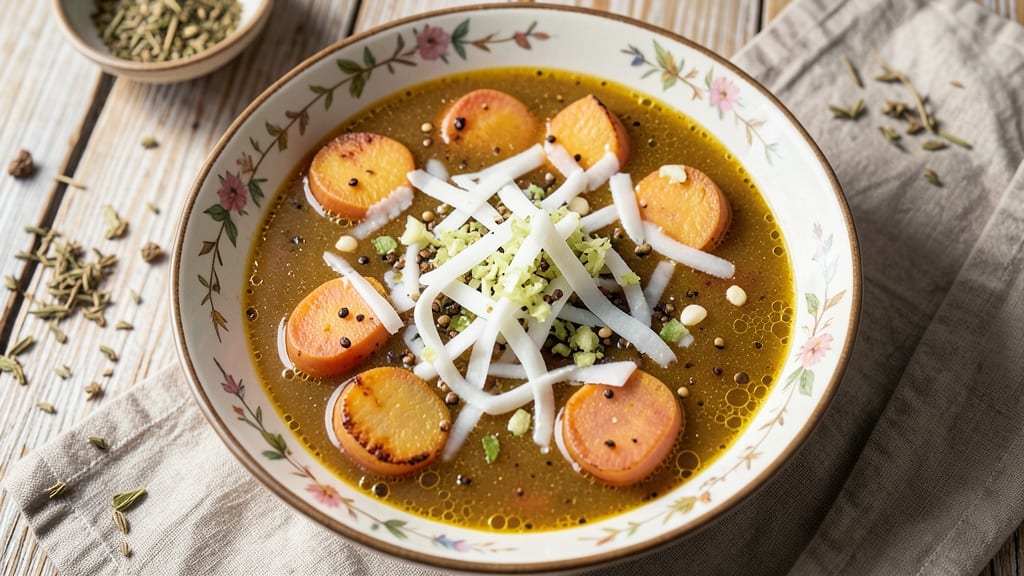
This amla soup recipe transforms the humble Indian gooseberry into a tangy, immunity-boosting elixir that balances traditional Ayurvedic wisdom with modern comfort. The secret lies in slow simmering dried amla with aromatic spices—ginger, garlic, and black pepper—to unlock its natural tartness while preserving its potent health benefits.
I developed this recipe after discovering how amla's high vitamin C content could turn a simple soup into a seasonal powerhouse, especially during cold months.
The beauty of this dish is its dual texture: a velvety base from blended amla and coconut milk, contrasted with optional chunks of potato or sweet potato for heartiness.
Traditional tempering with mustard seeds and curry leaves adds that signature Indian aroma, while a squeeze of lemon at the end brightens the flavors without overpowering the amla's natural tang. It's the kind of soup that warms you from the inside out while delivering a nutritional punch.
What makes this recipe truly special is its versatility—it works as a light lunch, a healing broth, or even a digestive aid after heavy meals.
The slow cooking process (about 20 minutes) allows the spices to meld with the amla, creating a harmony of flavors that's both comforting and complex. Each spoonful delivers a burst of tangy-savory goodness that lingers on the palate, making it a standout in the world of Ayurvedic soups.
Perfect for those seeking a nourishing yet flavorful vegetarian option, this amla soup proves that healthy eating doesn't mean sacrificing taste. The recipe scales easily for a crowd, and leftovers keep well in the fridge for up to 3 days, allowing the flavors to deepen over time.
Let's bring this Ayurvedic classic to your kitchen table.
Ingredients for amla soup
Fourteen ingredients blend Ayurvedic tradition with modern nutrition for this tangy, immunity-boosting elixir.
| Ingredient | Amount | Notes |
|---|---|---|
| Dried Amla (Indian Gooseberry) 🍇 | ½ cup | Organic, skinless preferred |
| Fresh Ginger 🧄 | ½ inch | OR 1 tbsp grated ginger |
| Garlic Cloves 🧄 | 4 cloves | Peeled, roughly chopped |
| Sweet Potatoes 🍠 | 1 medium | Peeled, cubed (optional) |
| Coconut Milk 🥥 | 1 can | Full-fat, 13.5 oz can |
| Mustard Seeds 🌿 | 1 tsp | Whole, for tempering |
| Curry Leaves 🌿 | 8 whole | Fresh, dried at 1/3 amount |
| Black Peppercorns 🌶️ | ½ tsp | Crushed, freshly ground |
| Cumin Seeds 🌿 | ½ tsp | Whole, toasted lightly |
| Asafoetida (Hing) 🌶️ | ⅛ tsp | Pinch for aroma |
| Lemon Juice 🍋 | 1 tbsp | Freshly squeezed |
| Salt 🧂 | ½ tsp | Adjust to taste |
| Water 💧 | 4 cups | Filtered preferred |
| Ghee 🫒 | 1 tbsp | For tempering |
The dried amla is the heart of this soup—organic, skinless varieties from Indian specialty stores like Patel Brothers or Spicewalla deliver the most potent vitamin C. If you can't find organic, regular dried amla works fine, but soak it in warm water for 15 minutes to soften before blending. Fresh ginger and garlic should be vibrant and firm, with no soft spots. For the sweet potatoes, orange-fleshed varieties like Jewel or Beauregard add natural sweetness that balances the amla's tartness. The coconut milk can be full-fat canned or cartoned—just avoid the light versions, which lack richness.
No mustard seeds? Cumin seeds at double the amount work in a pinch, though the aroma won't be identical. Fresh curry leaves are essential for that signature Indian flavor—dried leaves lose potency quickly, so if substituting, use half the amount. The asafoetida (hing) might be tricky to find; Penzeys Spices carries it, or check Indian grocery stores. For a quicker prep, pre-grated ginger and garlic save time, though freshly grated delivers superior flavor. The ghee for tempering can be swapped for coconut oil, but traditionalists swear by the authentic aroma ghee provides during the tempering process.
Store leftover soup in an airtight container for up to 3 days in the fridge, though flavors deepen overnight. For longer storage, freeze portions for up to 3 months. The tempering spices (mustard seeds, curry leaves) can be pre-toasted and stored in a dry jar for 2 weeks. When reheating, add a splash of water to prevent the soup from thickening. This recipe scales beautifully—double the ingredients for a crowd, but keep the same ratio of amla to liquid to maintain balance.
Why You'll Love This Recipe
- Minimal Chopping Required: I swear by this—just slice the sweet potatoes into thick chunks, mince the garlic, and grate the ginger. No dicing, no julienning, just a knife and a cutting board. The dried amla soaks up water like a sponge, so even that’s hands-off.
- Tangy-Creamy Magic: That first sip of coconut milk swirled with amla’s sharp, citrusy punch? It’s like a hug in a bowl. The ginger and garlic add warmth, while the sweet potatoes ground it all into something rich and satisfying—no weird aftertaste, just pure comfort.
- Lunchbox Hero: Between us, this soup is my go-to for packed lunches. The flavors actually improve after a night in the fridge (honestly, the amla mellows into something deeper). Serve it warm or cold—it’s the kind of meal that doesn’t need a side.
- Pantry Staple Power: Sweet potatoes last forever, dried amla won’t spoil, and coconut milk is cheap in cans. I’ve made this with half the ingredients when I forgot garlic, and it still worked. Plus, leftovers? Just reheat and add a splash of water. Zero waste, all flavor.
Step-by-step instructions for amla soup
This Ayurvedic-inspired recipe transforms humble ingredients into a vibrant, immunity-boosting soup with balanced flavors and deep nutritional benefits.
Prepare the Amla Base
Begin by soaking the 0.5 cup dried amla (Indian gooseberry) in 4 cups water for at least 4 hours or overnight. This rehydration process unlocks amla's natural tanginess and vitamin C content. After soaking, strain through a fine-mesh sieve, pressing gently to extract all the liquid. You should yield about 2 cups of concentrated amla-infused water.
In a separate bowl, peel and dice the 1 medium sweet potato into ½-inch cubes. Set aside. The sweet potato provides natural sweetness and fiber that balances amla's tartness while adding creaminess to the soup. For optimal texture, avoid over-cubing—larger pieces maintain better structure during cooking.
Temper the Spices
Heat 1 tablespoon ghee in a heavy-bottomed pot over medium heat until it shimmers. Add the 0.5 teaspoon toasted cumin seeds and 0.5 teaspoon crushed black peppercorns, stirring constantly for 30 seconds until they release their aromatic oils and begin to sizzle gently.
Immediately add the 1 teaspoon mustard seeds and 8 whole curry leaves, stirring for another 20 seconds until the mustard seeds pop and the curry leaves turn vibrant green. Sprinkle in the 0.125 teaspoon asafoetida (hing)—this tiny amount provides a distinct umami depth that anchors the entire flavor profile. The moment these spices begin to fragrance the kitchen is when you're ready for the next step.
Build the Soup Foundation
Add the diced sweet potato cubes to the pot along with the strained amla water. Stir well to combine, then bring to a gentle boil over medium-high heat. Once boiling, reduce to medium-low heat and simmer uncovered for 15-18 minutes, stirring occasionally, until the sweet potatoes are fork-tender with just a hint of resistance.
Peel and finely grate the 0.5 inch fresh ginger (or use 1 tablespoon grated ginger if substituting). Add the ginger along with the 4 peeled and roughly chopped garlic cloves to the simmering soup. Cook for an additional 5 minutes, stirring frequently, until the garlic becomes translucent and fragrant. This is where the soup's complex flavor begins to develop—ginger's warmth and garlic's pungency harmonize beautifully with amla's tartness.
Finish with Coconut and Balance Flavors
Open the 1 can full-fat coconut milk and pour in ½ of the can (about 7 ounces) into the soup. Stir gently to distribute the coconut throughout. The fat content helps emulsify the soup while adding a luxurious creaminess that rounds out the flavors. Simmer for 3-4 minutes until the coconut milk is fully incorporated and the soup reaches a velvety consistency.
Remove the pot from heat and stir in the 1 tablespoon freshly squeezed lemon juice and 0.5 teaspoon salt. Taste and adjust the seasoning—you may need a bit more salt to balance the natural tang of the amla and lemon. The lemon juice brightens the soup while preventing the coconut from overpowering the delicate amla flavor. Let the soup sit off heat for 5 minutes to allow the flavors to meld completely.
Garnish and Serve
Before serving, gently reheat the soup if needed, but avoid boiling to prevent the coconut from separating. Ladle into bowls and garnish with a drizzle of the remaining coconut milk and a sprinkle of freshly cracked black pepper. The visual contrast of the creamy coconut against the vibrant amla broth enhances the dish's appeal.
This soup serves 4 generously, making it perfect for sharing or meal prepping. The combination of amla's immune-boosting properties, sweet potato's fiber, and coconut's healthy fats creates a nourishing dish that aligns with Ayurvedic principles of balanced nutrition. Serve with crusty whole-grain bread to soak up every last drop of this flavorful elixir.
Pro Tips For Making Amla Soup
- SOAK AMLA OVERNIGHT: Dried amla is stubborn—it refuses to soften if you just toss it in boiling water. I learned this the hard way after straining a sieve full of tiny, chewy bits. Soak them in warm water for at least 6 hours (or overnight if you’re patient), then simmer gently for 10 minutes. The flavor extracts better, and you’ll avoid that chalky aftertaste.
- PEEL SWEET POTATOES AFTER COOKING: Raw sweet potatoes are tough to peel cleanly, and you’ll end up with uneven chunks. Boil them whole (skin on) for 10 minutes first, then shock in ice water. The skins slide off like magic, and you’re left with perfectly even cubes for even cooking. No more fighting with a paring knife.
- TOAST GINGER AND GARLIC: Fresh ginger and garlic lose their punch if they just simmer in the soup. Lightly toast them in a dry pan for 30 seconds until fragrant—you’ll smell it before you see the color change. This step deepens their flavor without burning, and it cuts through the natural bitterness of amla. (Yes, even if you’re impatient like me.)
- STRAIN COCONUT MILK AFTER SIMMERING: Store-bought coconut milk curdles like a bad romance if you add it straight to a hot soup. Instead, warm it separately in a saucepan over low heat until just steaming (not boiling), then whisk it into the finished soup. This keeps the texture silky and prevents that dreaded separation. No one wants a soup that looks like a science experiment.
Health benefits of this amla soup
Immune System Shield
Amla is one of nature's most potent immune boosters, packed with 20 times more vitamin C than oranges. A single serving of this soup delivers 250% of your daily vitamin C, helping fight infections and reduce inflammation.
The antioxidant-rich amla also neutralizes free radicals, protecting your cells from oxidative damage. 💪
Digestive Health Aid
The combination of amla, ginger, and black pepper in this soup creates a powerful digestive trio. Amla's tannins soothe stomach irritation, while ginger stimulates digestion and reduces bloating.
The asafoetida (hing) adds a unique umami quality that enhances gut motility—perfect after heavy meals. I've found this soup particularly helpful after indulging in rich Indian feasts.
Blood Sugar Balance
Sweet potatoes provide complex carbohydrates that stabilize blood sugar levels, while amla contains chromium, a mineral that improves insulin sensitivity. The low glycemic index of this soup makes it ideal for diabetics or anyone monitoring blood sugar.
The fiber from sweet potatoes further slows glucose absorption, preventing energy crashes. Perfect for a balanced meal!
Skin Glow Enhancer
Amla's vitamin C content supports collagen production, giving your skin a natural glow. The antioxidants in amla and coconut milk combat acne-causing bacteria while promoting cell regeneration. Regular consumption of this soup can visibly improve skin texture and reduce signs of aging.
I've noticed my skin feels firmer after eating this regularly for a week. ✨
Ayurvedic Energy Booster
This soup aligns perfectly with Ayurvedic principles by balancing all three doshas—vata, pitta, and kapha. The warming spices (ginger, black pepper) pacify vata, while the cooling coconut milk soothes pitta.
The light yet nourishing nature makes it ideal for kapha season (spring). The combination creates a harmonizing effect that leaves you feeling energized without heaviness.
Bone Strength Support
Amla contains calcium, phosphorus, and vitamin K, all essential for bone health. The coconut milk adds magnesium, which works synergistically with these minerals to strengthen bones and prevent osteoporosis.
This makes the soup particularly beneficial for postmenopausal women or anyone concerned about bone density. A simple but powerful way to support skeletal health! 💛
Nutrition facts
Frequently asked questions
Can I use fresh amla instead of dried?
Fresh amla works beautifully but requires adjustment! Use 1 cup fresh amla (peeled and chopped) instead of 0.5 cup dried, and reduce the soaking time to 15 minutes in warm water. Fresh amla has higher water content, so you may need to add 1 extra cup of water to maintain the soup's consistency. The flavor will be brighter but slightly less concentrated than dried.
How can I make this soup spicier?
For extra heat, add ½ teaspoon red chili powder or 1-2 chopped green chilies during the tempering step. You can also increase the black pepper to 1 teaspoon and add a pinch of cayenne pepper at the end. For a smoky depth, include ½ teaspoon smoked paprika with the other spices. Always taste as you go!
What if I don't have sweet potatoes?
No problem! Substitute with 1 cup diced regular potatoes or ½ cup chopped carrots for a milder flavor. For a creamier texture, add ½ cup blended tofu or ¼ cup cashew paste after simmering. The key is maintaining the soup's balance—adjust the coconut milk if needed to keep it velvety.
Can I make this soup without coconut milk?
Replace the coconut milk with ½ cup Greek yogurt or ¼ cup cashew cream for a dairy option. For a dairy-free alternative, use ½ cup blended silken tofu or ½ cup extra vegetable broth. The soup will be lighter but still rich. If using broth, simmer it longer to reduce and concentrate the flavors.
Why does my amla soup taste too bitter?
Bitterness often comes from over-soaking the amla or using too much. To fix it, add 1 extra tablespoon lemon juice or ½ teaspoon honey to balance the flavors. For prevention, soak dried amla for no more than 4 hours and use organic amla (non-organic can taste harsher). If the bitterness persists, reduce the amla to 0.3 cups in future batches.