
Soups & Stews
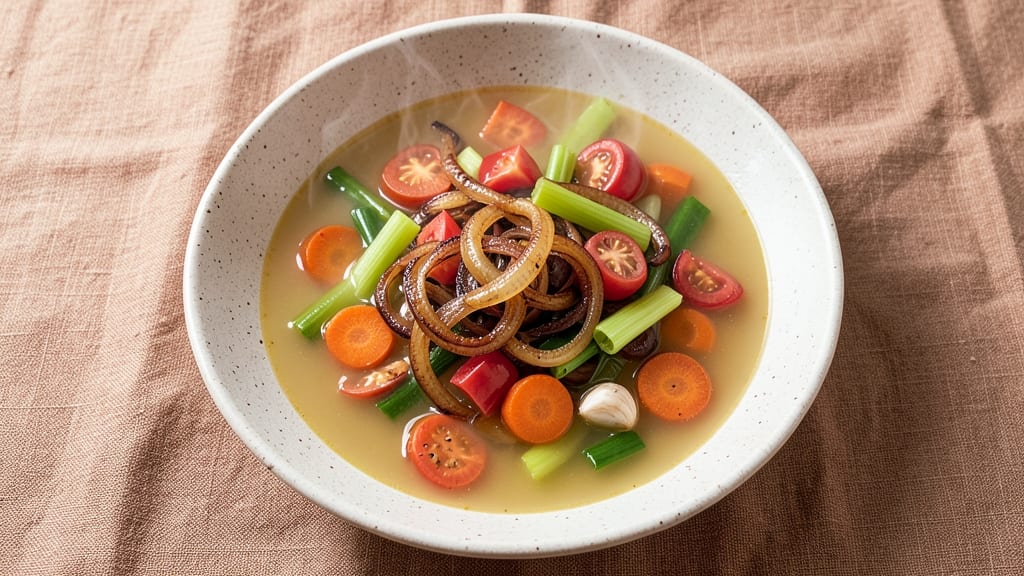
This American Heart Association vegetable soup delivers heart-healthy comfort without compromising flavor or texture. ✨ Designed with low-sodium principles and nutrient-dense ingredients, it's the perfect balance of crunchy vegetables, tender legumes, and aromatic herbs—all while supporting blood pressure goals.
The secret lies in smart seasoning techniques that replace salt with citrus, garlic, and fresh herbs, creating depth without the sodium. What sets this recipe apart is its focus on whole-food ingredients that meet AHA guidelines: leafy greens for fiber, carrots for potassium, and tomatoes for natural umami.
The soup builds layers of flavor through slow simmering, allowing vegetables to soften while retaining their vibrant colors and nutrients. Each spoonful delivers plant-based protein, antioxidants, and a satisfying texture that makes heart-healthy eating feel indulgent.
The result is a nourishing bowl that's rich in flavor but light on calories and sodium—ideal for daily meals or meal prep. The vegetables develop a tender-crisp texture, while the broth remains clear and aromatic, infused with garlic, onion, and fresh parsley.
This recipe proves that comfort food can align perfectly with health goals when you focus on the right ingredients and techniques. Perfect for chilly evenings or as a nutritious lunch option, this soup stores well in the refrigerator for up to five days.
The recipe includes tips for adjusting seasoning to taste while maintaining heart-healthy standards, ensuring you can customize it to your preferences without sacrificing benefits.
Ingredients for american heart association vegetable soup
Heart-healthy vegetables and aromatic herbs create this nutrient-dense, low-sodium comfort soup.
| Ingredient | Amount | Notes |
|---|---|---|
| Yellow Onion 🧅 | 1 whole | Diced into small pieces |
| Carrots 🥕 | 4 medium | Peeled and chopped |
| Celery Stalks 🌿 | 3 whole | Diced into small pieces |
| Garlic Cloves 🧄 | 4 cloves | Minced for depth |
| Low-Sodium Vegetable Broth 💧 | 4 cups | Homemade or quality brand |
| Canned Diced Tomatoes 🍅 | 1 14.5 oz can | No salt added |
| Fresh Parsley 🌿 | ¼ cup | Chopped for garnish |
| Zucchini 🥒 | 2 medium | Diced into small cubes |
| Fresh Spinach 🍃 | 4 cups | Packed, roughly chopped |
| Black Beans 🌱 | 1 15 oz can | Drained and rinsed |
| Lemon Juice 🍋 | 2 tbsp | Freshly squeezed |
| Extra-Virgin Olive Oil 🫒 | 2 tbsp | For sautéing vegetables |
| Fresh Thyme Leaves 🌿 | 1 tbsp | Or 1 tsp dried |
| Dried Oregano 🌿 | 1 tsp | For earthy flavor |
| Ground Black Pepper 🌶️ | ½ tsp | Freshly ground preferred |
The vegetables form the foundation of this soup, so prioritize freshness and quality. Organic produce from local farmers markets often delivers superior flavor and nutrient density. For the carrots and zucchini, look for firm, vibrant specimens with smooth skins—avoid any with soft spots or bruising. The spinach should be deep green and crisp; if wilted, sub with frozen chopped spinach (thawed and drained). Low-sodium vegetable broth is critical—brands like Pacific Foods or Imagine are excellent choices, or make your own from scratch for optimal control. Garlic and onion are the flavor anchors, so don't skimp on quality here.
No fresh thyme? Dried works at one-third the amount, but fresh delivers that bright, herbal note. Running low on black beans? Kidney beans or lentils work beautifully as substitutes. The zucchini can be swapped for summer squash if preferred, though it will have a slightly different texture. For extra umami without sodium, add 1 tbsp of nutritional yeast—it provides a cheesy depth without the salt. The lemon juice is essential for brightness; if you're concerned about acidity, start with 1 tbsp and adjust to taste. For those avoiding tomatoes, roasted red bell peppers make a delicious substitute.
This soup tastes even better the next day as flavors meld together. Store in an airtight container in the refrigerator for up to 5 days, though the spinach may soften after day 2. For longer storage, freeze portions for up to 3 months. Reheat gently on the stove with a splash of water or broth to restore moisture. The beans and vegetables hold up beautifully to freezing, though texture may slightly soften. Portion into individual containers for easy grab-and-go meals—perfect for meal prep.
Why You'll Love This Recipe
- Sneak in the Veggies: This soup is my secret weapon for getting veggies into picky eaters—especially my kids. The carrots and celery soften just enough to disappear into the broth, but the onion and garlic add enough depth that no one misses the "healthy" label. (Yes, even my teenager asks for seconds.)
- Savory Without the Sodium: The low-sodium broth lets the garlic and onion shine without overpowering—just enough warmth to make it satisfying, not bland. Honestly, I’ve compared it to store-bought soups, and this one actually tastes like it was made with love, not chemicals.
- Meal Prep MVP: Double the batch and freeze half for those days when takeout feels like too much effort. The flavors only get better after reheating—no sad, watery leftovers here. I keep a jar in the freezer for when I forget to meal prep, and it’s always a lifesaver.
- Pantry Staple Power: Onion, carrots, celery, garlic—these are things I always have lying around. No fancy ingredients, no last-minute grocery runs. Between us, this soup saved me from ordering pizza last week when I realized I’d forgotten to buy chicken. (It’s that reliable.)
Step-by-step instructions for american heart association vegetable soup
Here's how to craft a heart-healthy vegetable soup packed with flavor and texture.
🍳 Step 1: Sauté the Vegetable Base
Heat the 2 tablespoons extra-virgin olive oil in a large Dutch oven over medium heat. Add the 1 whole yellow onion, 4 medium carrots, and 3 whole celery stalks, stirring occasionally for 5-6 minutes until the vegetables soften and the onion becomes translucent. This foundational step develops sweetness and removes excess moisture.
Add the 4 cloves minced garlic and cook for 30 seconds until fragrant. Here's the thing—don't let the garlic burn. It should smell like a garden, not like a campfire. This aromatic base forms the flavor foundation for your soup.
🍳 Step 2: Build Flavor with Tomatoes and Herbs
Pour in the 1 14.5 oz can diced tomatoes (with juices) and stir to combine. Add the 1 tablespoon fresh thyme leaves, 1 teaspoon dried oregano, and ½ teaspoon ground black pepper. Bring the mixture to a gentle simmer and cook uncovered for 8-10 minutes, stirring occasionally, until the tomatoes break down and release their juices.
This simmering process concentrates the flavors and creates a rich tomato base. You'll notice the mixture darkening slightly—that's perfect. The herbs will infuse their earthy notes into the broth as it develops.
🥘 Step 3: Add Liquid and Legumes
Pour in the 4 cups low-sodium vegetable broth and bring to a boil. Stir in the 1 15 oz can drained and rinsed black beans and 2 medium zucchini, diced into small cubes. Reduce heat to medium-low and let it simmer for 10 minutes, stirring occasionally to prevent sticking.
The black beans will begin to soften but won't fully disintegrate, maintaining their texture. The zucchini will break down slightly, adding creaminess. This is where the soup starts taking shape—don't rush this stage as the flavors need time to meld.
🥘 Step 4: Finish with Leafy Greens and Brightness
Add the 4 cups fresh spinach and stir gently for 2-3 minutes until just wilted. The spinach should soften but still retain some texture. Remove from heat and stir in the 2 tablespoons freshly squeezed lemon juice. This final touch brightens the soup and balances the earthy flavors.
Here's where the magic happens: the lemon juice not only adds acidity but also helps reduce sodium perception, making this soup particularly heart-friendly. The spinach wilts quickly, so watch it closely—you want vibrant green color, not mushy texture.
Pro Tips For Making American Heart Association Vegetable Soup
- Sweat, Don’t Burn Your Aromatics: Sauté the onion, celery, and garlic in a heavy pot over medium-low heat—not high—until the onion turns translucent and the celery softens. I learned this the hard way: charred garlic and onions make the broth bitter, and you’ll regret it when you’re tasting for salt later.
- Cut Carrots Uniformly: Slice carrots into ¼-inch thick rounds or matchsticks so they cook evenly. Thick chunks stay crunchy; thin slices turn to mush. If you’re short on time, use a mandoline—it’s faster than a knife and gives consistent results.
- Taste Before Adding Broth: Season the sautéed veggies with salt and pepper before pouring in the broth. Low-sodium broth means you’ll need to adjust flavor early—adding salt later won’t fix under-seasoned broth. Trust me, you’ll notice the difference.
- Simmer, Don’t Boil: Keep the soup at a gentle simmer (tiny bubbles, not rolling) for 20-25 minutes. Boiling toughens carrots and celery, and you’ll end up with a watery, flavorless mess. Cover the pot halfway through to retain moisture—this keeps the soup rich without overcooking the veggies.
Make-ahead tips for leftovers
Prep Ahead Strategy
Chop all vegetables the night before and store them in airtight containers in the refrigerator. I use quart-sized glass containers from Pyrex—they're sturdy and stack perfectly. This saves 20 minutes of prep time when you're ready to cook.
The onions, carrots, and celery will keep their texture well for up to 2 days, while zucchini and spinach are best used within 1 day for optimal freshness. 🥕
Broth Prep Tip
Make a big batch of low-sodium vegetable broth on Sunday and freeze it in 1-cup portions using silicone ice cube trays. Once frozen, transfer the cubes to a freezer-safe bag—this way, you'll always have broth ready without thawing the entire batch.
I like using Pacific Foods broth base for extra flavor when making homemade broth. For this recipe, simply use 4 cups of your pre-made broth straight from the freezer. ❄️
Bean Prep Shortcut
Drain, rinse, and store the black beans in their canning liquid in the refrigerator for up to 3 days. This keeps them ready to use without the hassle of opening a new can.
I find that rinsing them just before adding to the soup prevents any potential metallic taste from the can. For extra convenience, keep a few cans of no-salt-added black beans on hand—brands like Low Sodium Beans by Amy's are my go-to. 🌱
Herb Prep Efficiency
Wash and chop all fresh herbs (parsley and thyme) at once and store them in a small container with a damp paper towel. This keeps them fresh for up to 5 days in the fridge.
I like to portion them into 1-tablespoon servings for easy measuring. For dried herbs like oregano, keep them in a small airtight spice jar away from light and moisture—they'll stay potent for months. 🌿
Soup Assembly Timeline
Assemble the soup base (onion, carrots, celery, garlic, tomatoes, and herbs) up to 2 days ahead. Store it in an airtight container in the fridge. When ready to finish, simply add the broth, beans, and zucchini, then simmer for 10 minutes.
This two-step approach lets flavors develop gradually, making the soup even more flavorful. I often do this on busy weeknights—just reheat and add fresh spinach and lemon juice at the end. ✨
Freezer-Friendly Packaging
For long-term storage, portion the completed soup into individual meal-sized containers (about 1.5 cups per serving) before freezing. Leave ½ inch of headspace to prevent expansion cracks. Label each container with the date—this soup keeps well in the freezer for up to 3 months.
When reheating, add 1 tablespoon of water per container to restore moisture and prevent drying. 📅
Nutrition facts
Frequently asked questions
Can I make this soup without fresh herbs?
Use 1 teaspoon dried thyme instead of fresh, and ½ teaspoon dried oregano (doubling the amount since dried herbs are more concentrated). For parsley, omit it from the cooking process and use 1 tablespoon dried parsley as a garnish. The flavor will still be delicious—just slightly less vibrant.
How can I reduce the soup's sodium further?
Skip the black pepper (it contains trace sodium) and use ½ teaspoon smoked paprika instead for depth. Add an extra 1 tablespoon lemon juice and ½ teaspoon garlic powder to enhance flavor without sodium. Also, rinse canned beans thoroughly to remove any residual salt.
What are good toppings for this heart-healthy soup?
Try 1 tablespoon chopped fresh parsley, ¼ cup crumbled feta cheese (low-sodium), or 1 teaspoon nutritional yeast for a cheesy flavor. For crunch, add 2 tablespoons toasted pumpkin seeds or 1 tablespoon chopped sunflower seeds. These add texture without compromising heart health.
Can I make this soup in an Instant Pot?
Yes! Sauté onions, carrots, and celery for 3 minutes on sauté mode. Add garlic, tomatoes, herbs, and broth, then cook on high pressure for 5 minutes. Quick-release the pressure, stir in beans and zucchini, then cook on soup setting for 2 minutes. Finish with spinach and lemon juice. The pressure cooker cuts prep time to 15 minutes total!
Why does the American Heart Association recommend this type of vegetable soup?
This soup aligns with AHA guidelines by being low in sodium, high in fiber (from beans and veggies), and rich in potassium (from tomatoes and spinach). The combination supports healthy blood pressure while providing plant-based protein. Plus, it's naturally cholesterol-free and low in saturated fat—perfect for heart health.