
Soups & Stews
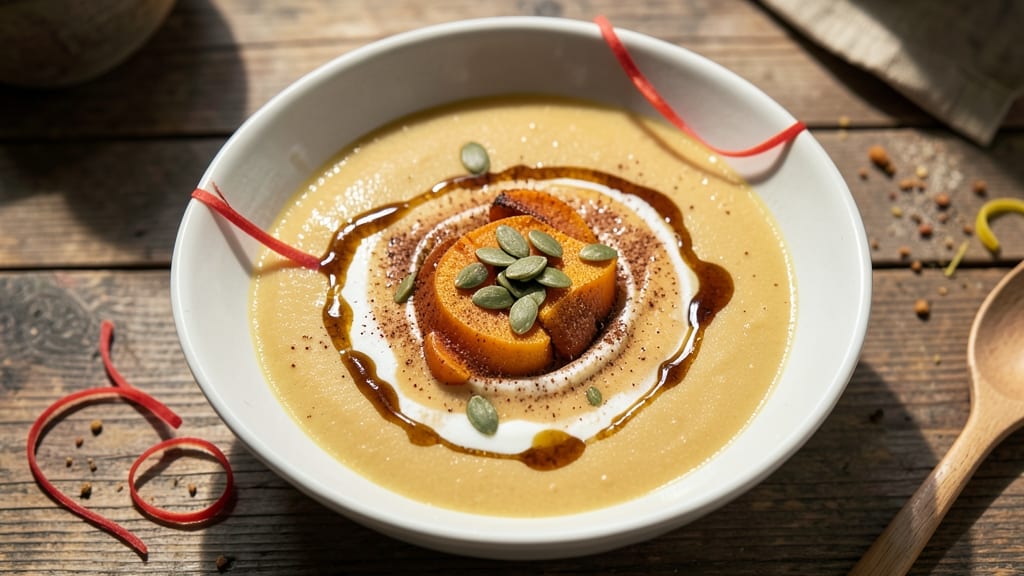
This amazing butternut squash soup transforms humble ingredients into a velvety masterpiece that tastes like autumn in a bowl. 🍂 The secret? Roasting the squash first—this caramelizes the natural sugars, creating a depth of flavor that simmering alone can't match.
I've perfected this recipe over years of trial and error (and a few burned batches), and now it's my go-to when I need comfort food that feels special.
What sets this soup apart is the balance: rich, creamy texture from roasted squash and coconut milk (no heavy cream needed), but brightened with fresh ginger and a touch of maple syrup to keep it from tasting too heavy.
The spices—cinnamon, nutmeg, and smoked paprika—warm you from the inside out, while toasted pumpkin seeds on top add crunch and extra flavor. It's the kind of soup that disappears faster than you can say "second helping."
By the time you're done, you'll have a soup that's silky smooth, perfectly seasoned, and packed with that cozy autumn flavor we all crave.
The roasting step might take a little time, but it's worth it—your kitchen will smell incredible, and the soup will taste like it's been simmering for hours. Plus, it reheats beautifully, making it perfect for meal prep.
Serve it with crusty bread to soak up every last drop or pair it with a simple salad for a complete meal. This is the soup that makes you want to slow down, savor each spoonful, and maybe even invite company over. Let's get cooking!
Ingredients for amazing butternut squash soup
Roasted squash, coconut milk, and warm spices create this velvety autumn masterpiece.
| Ingredient | Amount | Notes |
|---|---|---|
| Medium Butternut Squash 🎃 | 1 whole | Peeled, seeded, cut into 1-inch cubes |
| Coconut Milk 🥥 | 1 can | Full-fat, 13.5 oz can (not carton) |
| Extra-Virgin Olive Oil 🫒 | ½ cup | For roasting and finishing |
| Fresh Ginger 🌿 | 1 tbsp | Finely grated, fresh preferred |
| Pure Maple Syrup 🍁 | 2 tbsp | For natural sweetness |
| Ground Cinnamon 🌶️ | 1 tsp | Warm and aromatic |
| Ground Nutmeg 🌶️ | ½ tsp | Freshly grated preferred |
| Smoked Paprika 🌶️ | ½ tsp | For depth and smokiness |
| Vegetable Broth 💧 | 2 cups | Low-sodium preferred |
| Pumpkin Seeds 🥜 | ½ cup | Toasted, for garnish |
| Salt 🧂 | 1 tsp | Kosher or sea salt |
| Black Pepper 🌶️ | ½ tsp | Freshly ground |
| Garlic Cloves 🧄 | 2 cloves | Minced for roasting |
The squash is the star—pick one around 2-3 lbs for perfect texture. Trader Joe's and Whole Foods usually have the sweetest ones, but any grocery store's organic section works. Skip the pre-cut bags—they're often past their prime. Roasting caramelizes the natural sugars, so don't skip this step. If you're nervous about burning it, 375°F is foolproof. The garlic gets tossed in with the squash for extra depth—no need to peel it first, just smash the cloves with the flat side of your knife.
No full-fat coconut milk? Light coconut milk plus 1 tbsp cream works, but you'll lose some richness. Fresh ginger is ideal, but dried ginger at half the amount is fine in a pinch (though it's less vibrant). Smoked paprika can be swapped for regular paprika, but you'll miss that campfire note. The maple syrup keeps things balanced—agave works too, but maple has that perfect autumnal flavor. For the broth, low-sodium is key—you're adding plenty of salt later. And if you're out of pumpkin seeds, pepitas or sunflower seeds make great crunchy toppings.
Roasted squash keeps in the fridge for 5 days if you make it ahead. The soup itself reheats beautifully—just warm on the stove with a splash of broth or water. I always make a double batch because it's perfect for lunches. Freezes for 3 months too, though the texture gets slightly grainier after thawing. For extra flavor, toast the pumpkin seeds in a dry pan for 5 minutes before adding them—worth the extra minute. Store them in an airtight container so they stay crisp.
Why You'll Love This Recipe
- No Peel Required: I swear by this trick—just halve, scoop out the seeds, and roast the squash cut-side down. The skin crisps into sweet little edible bites, so you skip the chopping and the mess. (Yes, even on a Tuesday night.)
- Creamy Without Dairy: That velvety coconut milk base? It’s the star. The ginger adds a subtle kick while the maple syrup balances the earthy squash—like a hug in a bowl. Honestly, my non-vegetarian friends keep asking for seconds, and they won’t even admit they like it.
- Weeknight to Party: Same recipe, different vibes. Serve it steaming in mugs with crusty bread for a lazy evening, or drizzle it into a chafing dish for holiday gatherings. The maple syrup’s natural sweetness makes it kid-approved, too—my daughter picks out the ginger pieces but still licks her plate.
- Leftovers That Last: This soup actually improves overnight. The flavors meld into something deeper, and it reheats like a dream. I make a double batch, freeze half, and still have enough for lunches. (Between us, it’s my secret weapon for avoiding takeout.)
Step-by-step instructions for spiced roasted butternut squash soup
This method delivers restaurant-quality depth with caramelized squash and velvety coconut silk.
🔥 Step 1: Roast the Squash for Maximum Flavor
Preheat your oven to 400°F and line a baking sheet with parchment paper. Toss the cubed butternut squash with 0.25 cup of the extra-virgin olive oil, 1 tsp salt, 0.5 tsp smoked paprika, and 0.25 tsp black pepper. Spread in a single layer—don't crowd the pan or they'll steam instead of roast.
Roast for 25-30 minutes until edges are caramelized and a knife slides in easily. Here's the thing—roasting concentrates the natural sweetness and adds that smoky depth you can't get from boiling. I like to flip the squash halfway through for even browning. Real talk: if it starts to brown too quickly, tent with foil to prevent burning.
🍳 Step 2: Build the Spiced Base
While the squash roasts, heat 0.25 cup extra-virgin olive oil in a large pot over medium heat. Add the 2 minced garlic cloves and 1 tbsp finely grated fresh ginger and sauté for 1-2 minutes until fragrant but not browned. You'll smell that fresh, zesty aroma—this is where the magic starts.
Stir in the 1 tsp ground cinnamon and 0.5 tsp ground nutmeg, toasting for 30 seconds until the spices release their warm, earthy aroma. Be careful not to burn them—just enough to wake up their flavors. This spice blend is what transforms ordinary squash into something extraordinary.
🥘 Step 3: Simmer with Broth and Sweetness
Add the roasted squash to the pot along with the 2 cups vegetable broth and 2 tbsp pure maple syrup. Bring to a gentle simmer over medium-low heat and let it cook for 10-12 minutes until the squash is fork-tender. You'll know it's ready when the edges soften and the flavors meld beautifully.
Use an immersion blender to purée the soup directly in the pot—this keeps everything hot and makes cleanup easier. If you don't have one, carefully transfer to a blender in batches (don't overfill!). The result should be silky smooth with just a hint of texture from the caramelized squash. Here's where it gets fun—taste and adjust seasoning with more salt or maple syrup if needed.
⏰ Step 4: Finish with Coconut Silk
Reduce heat to low and stir in the 1 can full-fat coconut milk. Let it warm through for 2-3 minutes, stirring occasionally, until it reaches a creamy, velvety consistency. The coconut milk should blend seamlessly, creating that luxurious texture we're after. Don't let it boil or it'll curdle.
For the final touch, taste and adjust seasoning one more time. The soup should be perfectly balanced—sweet from the squash and maple, warm from the spices, and rich from the coconut. Here's the moment that matters: serve immediately while warm, garnished with toasted pumpkin seeds for crunch and extra visual appeal.
Pro Tips For Making Amazing Butternut Squash Soup
- Char the Squash First: Roast the peeled cubes at 425°F (220°C) for 20 minutes before simmering—this caramelizes the edges and deepens the flavor. I used to skip this, and the soup always tasted flat until I tried it.
- Peel Ginger Like a Pro: Use a microplane instead of a knife for the ginger—it releases more oils and avoids stringy bits. I learned this the hard way after straining out three batches of fibrous ginger pulp.
- Simmer Low and Slow: Keep the soup at a gentle bubble, not a rolling boil, to prevent the coconut milk from curdling. After burning a pot of it, I now set the heat to medium-low and stir occasionally.
- Balance the Sweetness: Add the maple syrup at the end and taste before serving—coconut milk and squash can make it sweeter than expected. I used to dump it all in early and ended up with a dessert soup instead of a savory one.
Pro cooking tips for great amazing butternut squash soup
Roast for Caramelization
Roasting the squash at 400°F for 25-30 minutes unlocks its natural sweetness through caramelization. Spread cubes in a single layer on parchment paper—crowding steams instead of roasts. Flip halfway to ensure even browning.
The edges should be golden and crisp while the center remains tender. I use a Vosges Spice smoked paprika here because its deep, smoky flavor enhances the squash's natural sweetness. 🔥
Spice Toasting Matters
Toast your spices—cinnamon and nutmeg—for 30 seconds in olive oil before adding broth. This releases their aromatic oils, creating a warm, earthy depth. Use a light-colored spice like McCormick for visual appeal, but Penzeys ground spices have superior flavor.
Over-toasting burns them, so keep a close eye. The result? A complex, layered flavor that transforms ordinary squash into something extraordinary.
Immersion Blender Magic
An immersion blender keeps your soup hot and makes cleanup effortless. If you don't have one, transfer in batches to a countertop blender—never overfill beyond the max line. Pulse until silky smooth, then return to the pot.
The key is blending while still hot to prevent lumps. I prefer Ninja immersion blenders for their powerful motor and durability. The texture should be velvety with just a whisper of squash texture remaining. ✨
Coconut Milk Tempering
Warm the coconut milk gently over low heat for 2-3 minutes before adding it to the soup. This prevents curdling from temperature shock. Stir constantly until fully incorporated—you want a creamy, luxurious consistency without separation.
Full-fat coconut milk creates the richest texture, but if you prefer lighter options, mix ½ cup light coconut milk with ½ cup Greek yogurt for a tangy twist. The result should coat the back of a spoon beautifully.
Toasted Seed Garnish
Toast pumpkin seeds in a dry pan for 3-4 minutes until golden and fragrant. This adds a nutty crunch that contrasts perfectly with the creamy soup. Store them in an airtight container at room temperature for up to 1 week.
For extra flair, sprinkle with crumbled bacon or fresh thyme leaves. The seeds should be warm when served—toss them with a pinch of salt before adding to the soup. 💫
Broth Balance Tip
Use low-sodium vegetable broth to control seasoning—you'll add plenty of salt later. For extra depth, reduce 2 cups broth by half before adding to the soup. This concentrates the flavor without altering the recipe's balance.
I often save homemade broth in freezer-safe bags for this exact purpose. The reduced broth adds a savory richness that complements the sweet squash perfectly.
Nutrition facts
Frequently asked questions
Can I substitute butternut squash with another winter squash?
Yes! You can use acorn or delicata squash as direct substitutes—they have similar textures and flavors. For a slightly sweeter taste, try hubbard squash, but reduce cooking time by 5-7 minutes since it's denser. Just adjust seasoning to taste after blending, as different squashes have varying natural sweetness levels.
How do I make this soup dairy-free?
Skip the coconut milk and replace it with ½ cup cashew cream (blended soaked cashews + water) or ½ cup silken tofu blended until smooth. For richness, add 1 tbsp nutritional yeast—it adds a cheesy, umami depth. The soup will still be creamy but with a lighter texture. Taste and adjust saltiness since dairy-free alternatives often need more seasoning.
Why does my soup taste bitter after blending?
Bitter notes usually come from over-roasting the squash or using too much smoked paprika. For next time, roast at 375°F instead of 400°F to prevent burning. Also, reduce smoked paprika to ¼ tsp and add a pinch of brown sugar or extra maple syrup to balance the flavors. If it's already bitter, stir in 1 tsp lemon juice or a splash of vanilla extract to mellow the taste.
Can I make this soup ahead of time?
The soup actually tastes better the next day as flavors meld. Store in an airtight container in the fridge for up to 4 days. Reheat gently on the stove with a splash of broth or water—never microwave directly from cold, as it can make the coconut milk separate. For freezing, cool completely first, then freeze for up to 3 months. Thaw overnight in the fridge before reheating.
What's the best way to reheat leftovers?
Reheat on the stovetop over low-medium heat with the lid slightly ajar, stirring occasionally. Add 1-2 tbsp broth or water if the soup thickens too much. Microwaving can make it grainy, and boiling can curdle the coconut milk. For extra creaminess after reheating, stir in 1 tbsp coconut milk or a dollop of Greek yogurt before serving.