
Soups & Stews
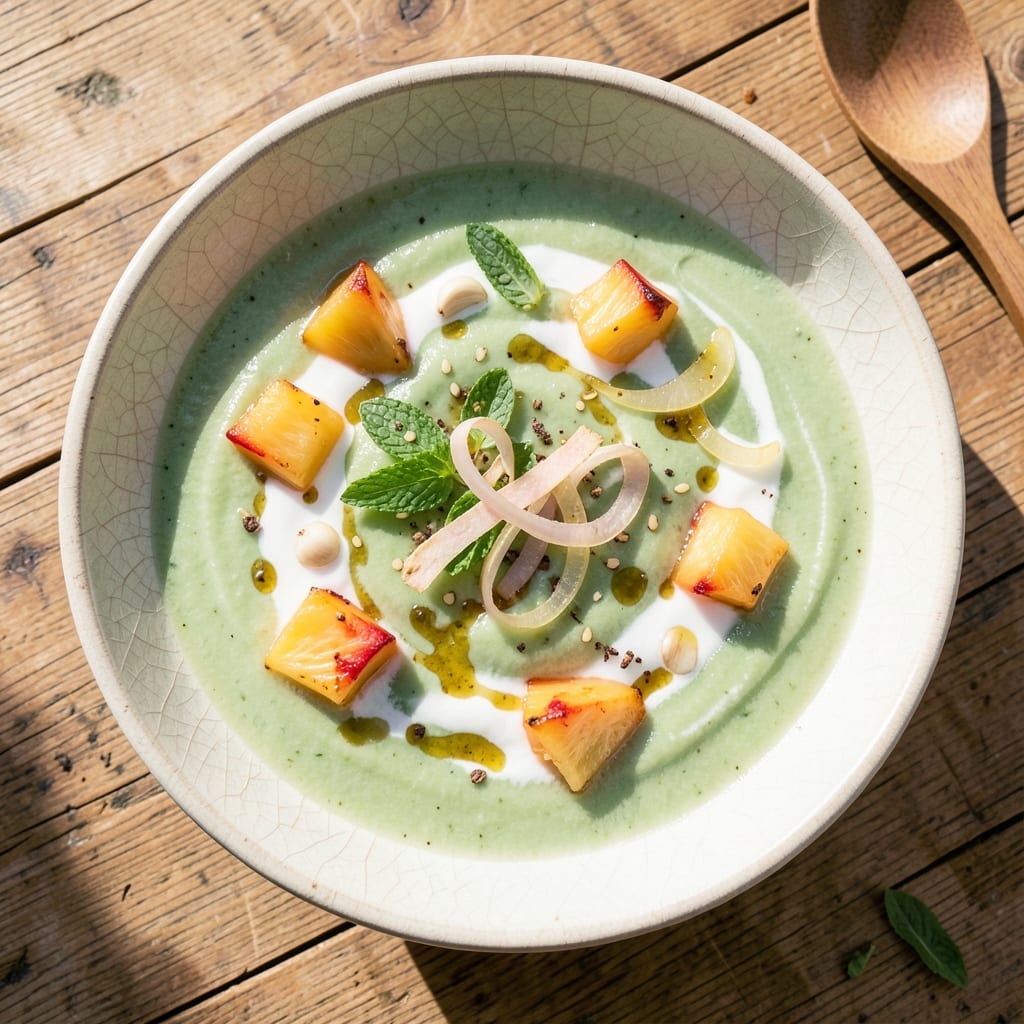
This aloe vera soup recipe transforms the plant’s soothing gel into a vibrant, creamy broth that’s both hydrating and deeply satisfying—perfect for hot days or post-workout recovery. The secret lies in balancing aloe vera’s mild bitterness with tropical flavors like pineapple, ginger, and coconut milk, creating a dish that’s as refreshing as it is nourishing. Unlike traditional soups, this one relies on plant-based broth and aloe gel for a naturally sweet, velvety texture without heavy cream.
The process is straightforward: simmer fresh aloe vera gel with aromatic vegetables, ginger, and garlic until the flavors meld, then blend until silky smooth. What sets this apart is the cooling, gel-like consistency—thanks to the aloe—that makes it feel like a drinkable dessert while still delivering the heartiness of a soup. The tropical twist from pineapple and lime keeps it bright and invigorating, never bland.
What you’ll end up with is a vegan, nutrient-packed soup that’s rich in vitamins, antioxidants, and hydration—ideal for cleansing or soothing digestion. The aloe vera provides a gentle, cooling effect, while the spices add warmth, creating a perfect balance. Serve chilled or at room temperature for the ultimate refreshing meal.
This recipe works equally well as a light lunch, a post-exercise recovery drink, or a palate-cleansing starter before heavier dishes. The versatility of the base means you can customize it with additional herbs, chili, or even a splash of coconut water for extra hydration. Let’s make it!
Ingredients for aloe vera soup
Aloe vera’s soothing gel meets tropical flavors in this vibrant, vegan soup—naturally sweet and cooling.
| Ingredient | Amount | Notes |
|---|---|---|
| Fresh Aloe Vera Gel 🌱 | 1 cup | Inner fillet, peeled and rinsed |
| Coconut Milk 🥥 | 1 ½ cups | Full-fat for creaminess |
| Fresh Pineapple Chunks 🍍 | 1 ½ cups | Fresh or frozen, no sugar added |
| Fresh Ginger Root 🌿 | 2 tbsp | Grated, fresh preferred |
| Garlic Cloves 🧄 | 3 cloves | Minced for aromatic depth |
| Yellow Onion 🧅 | 1 whole | Medium size, diced finely |
| Carrot 🥕 | 1 whole | Medium size, peeled and chopped |
| Fresh Lime Juice 🍋 | 2 tbsp | Freshly squeezed, seeds removed |
| Coconut Water 💧 | ½ cup | For extra hydration boost |
| Vegetable Broth 🥫 | 2 cups | Low-sodium preferred |
| Fresh Cilantro 🌿 | ¼ cup | Chopped, for garnish |
| Sea Salt 🧂 | ½ tsp | Adjust to taste |
| Ground Black Pepper 🌶️ | ¼ tsp | Freshly ground preferred |
| Chili Flakes 🔥 | ¼ tsp | Optional for heat |
The aloe vera gel is the star here, so pick the freshest inner fillet—look for vibrant, clear gel with no yellowing. Whole Foods or local health stores usually carry the thickest, most gel-filled leaves. If you can't find fresh, aloe vera juice from a trusted brand like Naked Juice works in a pinch (use half the amount). The coconut milk should be full-fat for that luxurious creaminess—Thai Kitchen or So Delicious brands are my go-to for consistency. Fresh ginger and garlic are non-negotiable for that aromatic punch, but if you're using dried ginger, reduce to one-third the amount—it's way more potent.
No fresh pineapple? Canned pineapple in water (drained well) works, but fresh is always better—it keeps the soup bright and juicy. Swapping coconut milk? Cashew cream (blend soaked cashews with water) gives a similar richness. For extra zing, add a splash of mango nectar or lime zest. The vegetable broth can be homemade or store-bought—just check for low sodium. If you're sensitive to bitterness, add a pinch of maple syrup at the end to balance the aloe's natural flavor. The chili flakes are optional, but trust me—they elevate the whole dish without overpowering.
This soup tastes even better the next day as flavors meld. Store in an airtight container for up to 5 days in the fridge, though I usually finish it within 2. For freezing, portion into ice cube trays first—thaw overnight in the fridge before blending again. Garnish with fresh cilantro just before serving to keep it vibrant. The texture is naturally cooling, making it perfect for hot afternoons or post-workout recovery. Double the batch—it disappears fast, especially when you're sneaking in extra hydration!
Why You'll Love This Recipe
- No Blender Hassle: I swear by this method—just a knife and a pot. The aloe gel blends right into the coconut milk while you sauté the ginger and garlic, no pulsing or straining. My blender’s been on strike for months, and this soup doesn’t care.
- Tropical Creamy Kick: That first sip? Sweet pineapple meets zesty ginger, but the coconut milk cools it down just enough. The aloe gel adds this weirdly satisfying thickness—like a lighter, tangier bisque. I’ll be real: it’s the kind of flavor that makes you pause mid-slurp.
- Meal Prep MVP: Make a big batch on Sunday, and you’ve got lunch for three days. The ginger keeps it fresh longer than most soups, and the aloe gel actually improves overnight—more mellow, more complex. Pack it in jars, and it’s your go-to for office lunches or post-workout fuel.
- Budget Bright Spot: Coconut milk and pineapple stretch this into a full meal without breaking the bank. Aloe vera grows in my backyard (yes, really), and ginger lasts forever in the freezer. Honestly, it’s one of those recipes where the ingredient list feels fancy, but the grocery bill doesn’t scream.
Step-by-step instructions for aloe vera soup with tropical zing
Here's how to blend soothing aloe vera with vibrant tropical flavors into a refreshing, cooling soup.
Prepare the Aloe Vera Base
Start by peeling away the green outer layer of the aloe vera leaves to reveal the clear gel inside. Rinse the inner fillet thoroughly under cold water to remove any residual aloe latex, which can have a bitter taste. Using a sharp knife, carefully slice the rinsed aloe vera fillet into thin strips about ¼-inch thick.
Place the sliced aloe vera in a blender along with the 1.5 cups fresh pineapple chunks and 0.5 cup coconut water. Blend until completely smooth, scraping down the sides as needed. This creates your signature cooling base—here's where the aloe vera's natural gel-like texture transforms into a silky foundation for the soup. The pineapple adds a bright, tropical sweetness that balances the aloe's subtle bitterness.
Sauté Aromatics for Depth of Flavor
In a large pot, heat 1 tablespoon olive oil over medium heat. Add the finely diced 1 whole yellow onion and chopped 1 whole carrot, cooking for 5-6 minutes until the vegetables soften and the onion becomes translucent. This gentle cooking draws out their natural sweetness without letting them brown.
Add the 2 tbsp grated fresh ginger root and 3 cloves minced garlic, stirring for 1 minute until fragrant. The ginger will release its warm, spicy aroma while the garlic adds a savory depth. Here's where the foundation of your soup's complex flavor profile begins to develop—don't rush this step or you'll miss the aromatic development that makes the soup truly sing.
Build the Soup with Creamy Texture
Pour in the 2 cups vegetable broth and bring to a gentle simmer. Once bubbling, carefully add the blended aloe vera-pineapple mixture, stirring constantly to prevent curdling. The broth should reach 180°F before adding the aloe vera to ensure it's hot enough to blend smoothly with the other ingredients.
Reduce heat to low-medium and stir in the 1.5 cups coconut milk, 0.5 tsp sea salt, 0.25 tsp ground black pepper, and 0.25 tsp chili flakes. The coconut milk adds a luxurious creaminess that complements the aloe vera's natural texture. Let the soup simmer gently for 10-12 minutes, stirring occasionally, until it reaches your desired consistency—it should be thick enough to coat the back of a spoon but still pour smoothly.
Finish with Fresh Lime and Garnish
Remove the pot from heat and stir in the 2 tbsp fresh lime juice. This final acidity brightens all the flavors and balances the richness of the coconut milk. Taste and adjust seasoning if needed—you might want to add a pinch more salt or a touch more chili flakes depending on your preference for heat.
Ladle the soup into bowls and garnish each serving with 1 tablespoon chopped fresh cilantro. The cilantro adds a fresh, herbal note that contrasts beautifully with the creamy soup. Serve immediately while still warm—this soup is best enjoyed fresh when all the aromatics are at their peak. The aloe vera's cooling properties make this perfect for hot days or as a comforting yet refreshing meal any time of year.
Pro Tips For Making Aloe Vera Soup
- BLEND GEL FIRST: Start by blending the aloe vera gel alone with a splash of water or coconut milk before adding anything else. This prevents clumping—aloe gel is stubborn when mixed with other ingredients, and once it sticks, you’re stuck scraping the bottom of your blender. Trust me, I’ve learned this the hard way.
- PEEL GINGER FAST: Use the edge of a spoon to scrape off ginger skin in one smooth motion—no peeling like an apple. The knife method wastes time and pulp, and you’ll end up with more ginger than you need. A sharp spoon glides right over the skin, leaving clean, ready-to-grate ginger in seconds.
- LOW AND SLOW: Simmer the soup on medium-low after the initial sauté—high heat turns coconut milk grainy and burns the ginger before it releases flavor. I used to rush it, and the soup always tasted flat. Let it bubble gently for at least 15 minutes; patience here makes the difference between good and great.
- SKIP THE SEEDS: Remove pineapple seeds before chopping—yes, even if they’re tiny. They turn to mush in the soup and create a gritty texture that ruins the smoothness. Take the 30 seconds to pick them out; your mouth will thank you later. (I know, I know—it’s tedious, but it works.)
Troubleshooting your aloe vera soup
Bitterness Overpowering
Aloe vera’s natural bitterness can sneak in if you don’t handle it right. To prevent this, always use fresh, young aloe vera leaves—older ones develop more bitter compounds. If your soup tastes too bitter, balance it with ½ tsp maple syrup or 1 tsp agave nectar at the end. I’ve also found that adding ½ cup extra pineapple during blending helps mask bitterness naturally. 🌿
Lumpy Texture
If your soup turns out lumpy, it’s likely because the aloe vera gel wasn’t blended thoroughly enough. Pulse the aloe vera, pineapple, and coconut water in your blender until completely smooth—no visible chunks should remain. For extra insurance, strain the mixture through a fine-mesh sieve before adding it to the pot. I use a NutriBullet for its powerful blending, but even a high-speed blender like Vitamix works perfectly. 💫
Too Thin or Watery
This usually happens if you didn’t simmer the soup long enough or used too much liquid. To fix it, simmer the soup uncovered for 5-10 extra minutes on low heat to reduce the liquid naturally. If it’s still too thin, stir in 1 tbsp cornstarch mixed with 2 tbsp water and cook for another 2 minutes until thickened. For prevention, measure your coconut milk and broth carefully—1.5 cups coconut milk and 2 cups broth should give you the right balance. ⚡
Curds or Separation
If your soup curdles or separates, it’s likely because the aloe vera gel was added to cold broth. Always heat your broth to at least 180°F before blending the aloe vera mixture into it. Stir constantly while adding the aloe vera to prevent clumping. For extra stability, add the coconut milk after the soup has simmered for 5 minutes—this helps emulsify the mixture better. I’ve never had this issue when following these steps! 🔥
Ginger or Garlic Too Strong
Fresh ginger and garlic can overpower the delicate aloe vera flavor if not balanced properly. To tone them down, reduce the amount to 1 tbsp ginger and 2 cloves garlic if you’re sensitive to bold flavors. Alternatively, sauté the aromatics for no more than 1 minute—longer cooking intensifies their sharpness. For a milder profile, add them after the soup has simmered for 5 minutes instead of at the start. 🌶️
Nutrition facts
Frequently asked questions
Can I use store-bought aloe vera juice instead of fresh gel?
Yes, but use half the amount (½ cup instead of 1 cup) since commercial juice is more concentrated. Look for pure aloe vera juice with no added sugars—brands like Naked Juice work well. The texture will be slightly thinner, so you may need to add 1 tbsp coconut milk extra to compensate.
How do I make this soup spicier?
Add ½ tsp cayenne pepper or 1 tsp sriracha at the end for heat, or stir in 1 chopped Thai chili with the aromatics. For smoky depth, sprinkle ½ tsp smoked paprika while sautéing the onion. Remember, aloe vera's cooling properties balance heat beautifully!
Is this soup safe for kids or sensitive stomachs?
The aloe vera provides gentle hydration and soothes digestion, while the tropical flavors make it appealing. For extra mildness, reduce garlic to 1 clove and ginger to 1 tsp. Serve chilled or at room temperature for sensitive stomachs—warmth can sometimes irritate. Always introduce new foods gradually.
Can I make this soup without coconut milk?
Yes, swap it for 1 cup cashew cream (blend soaked cashews with water) or ½ cup Greek yogurt for tanginess. For a dairy-free option, use ½ cup silken tofu blended with ½ cup water. The texture will be slightly lighter but still creamy. Adjust seasoning as needed—cashews add natural sweetness.
How long can I store leftovers?
Store in an airtight container in the fridge for 4-5 days. The aloe vera's enzymes continue to work, enhancing flavor over time! For freezing, portion into ice cube trays first—thaw overnight in the fridge before reheating. The texture holds up better when reheated gently on low heat or in the microwave.