
Soups & Stews
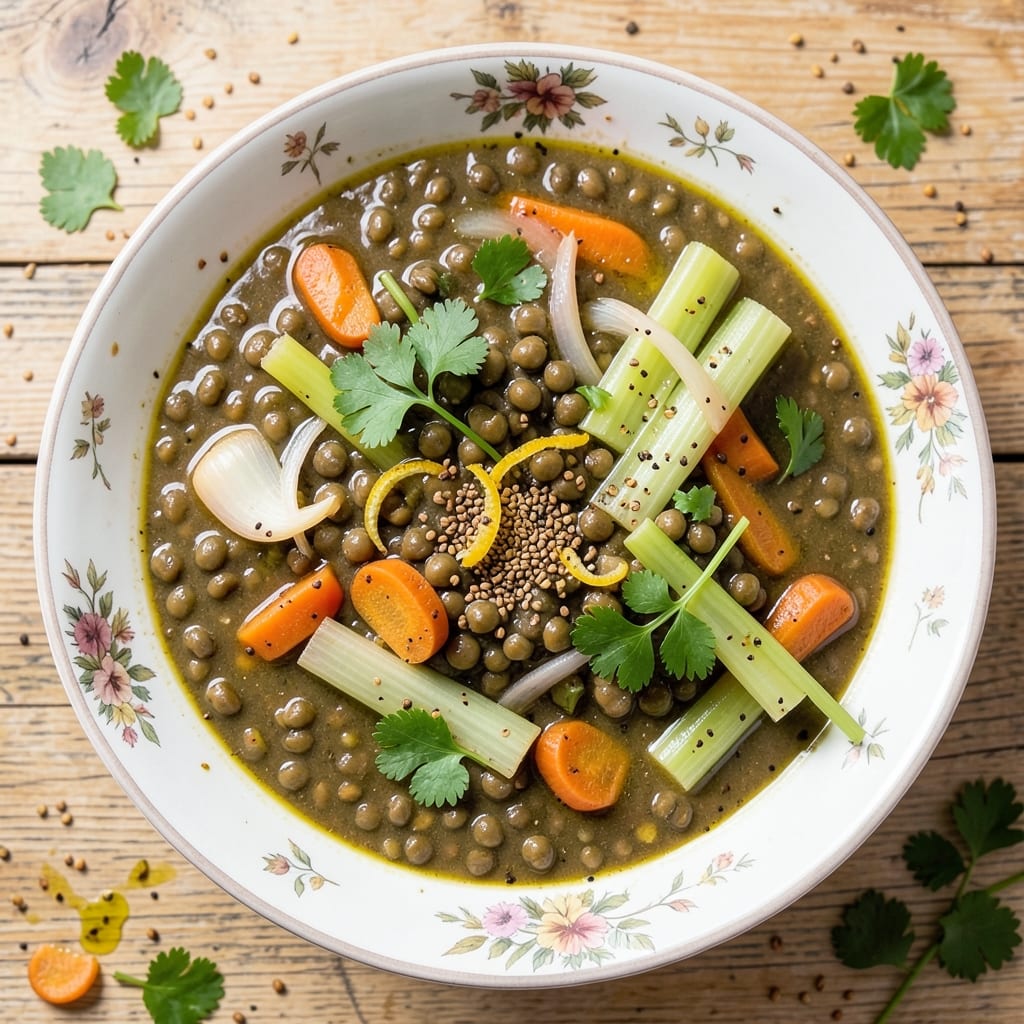
This alkaline lentil soup recipe transforms simple ingredients into a gut-friendly powerhouse that supports pH balance and digestion. The secret lies in carefully selected alkaline ingredients—like lemon juice, fresh herbs, and mineral-rich vegetables—that gently elevate your body’s natural alkalinity while delivering plant-based protein and fiber. I developed this recipe after years of experimenting with alkaline diets, focusing on techniques that preserve nutrients without compromising flavor.
The beauty of this one-pot method is its simplicity: no fancy equipment, just a pot, a timer, and a few key steps to ensure tender lentils and a rich, aromatic broth. The lentils soak briefly to reduce cooking time, while the vegetables soften perfectly in the simmering liquid. A splash of lemon juice at the end not only brightens the flavors but also boosts the soup’s alkaline properties, making it both nourishing and delicious.
What you’ll end up with is a hearty, comforting soup that’s packed with plant-based protein, fiber, and essential minerals—ideal for supporting digestive health and maintaining a balanced pH. The texture is perfectly balanced: tender lentils, soft vegetables, and a broth that’s rich yet light, with just enough acidity to enhance the natural flavors. This recipe is designed to be both nutritious and satisfying, proving that alkaline eating can be delicious.
The best part? It’s incredibly versatile. Add a dash of cumin for warmth, a handful of spinach for extra greens, or a spoonful of coconut milk for creaminess. Whether you’re meal prepping for the week or whipping up a quick lunch, this soup delivers on both taste and health benefits. Let’s get started with a recipe that’s as good for you as it is for your taste buds.
Ingredients for alkaline lentil soup
Simple alkaline ingredients that nourish digestion and balance pH while delivering plant-based protein and fiber.
| Ingredient | Amount | Notes |
|---|---|---|
| Green Lentils 🌾 | 1 ½ cups | Rinsed thoroughly before soaking |
| Carrots 🥕 | 2 whole | Medium size, chopped into chunks |
| Celery Stalks 🧅 | 3 whole | Trimmed, chopped into 1-inch pieces |
| Yellow Onion 🧅 | 1 whole | Medium size, diced finely |
| Fresh Parsley 🌿 | ¼ cup | Stems removed, chopped finely |
| Fresh Cilantro 🌿 | ¼ cup | Optional, chopped for garnish |
| Garlic Cloves 🧄 | 4 cloves | Peeled, minced finely |
| Lemon Juice 🍋 | 2 tbsp | Freshly squeezed, alkaline boost |
| Extra-Virgin Olive Oil 🫒 | ¼ cup | Cold-pressed, unrefined |
| Vegetable Broth 💧 | 4 cups | Low-sodium, homemade preferred |
| Cumin Seeds 🌶️ | ½ tsp | Toasted lightly for aroma |
| Ground Cumin 🌶️ | ½ tsp | For additional depth |
| Turmeric Powder 🌿 | ¼ tsp | Anti-inflammatory properties |
| Sea Salt 🧂 | 1 ½ tsp | Diamond Crystal preferred |
| Black Peppercorns 🌶️ | ¼ tsp | Freshly cracked |
The foundation of this soup lies in green lentils, which are naturally alkaline and packed with plant-based protein. Whole Foods Market's organic green lentils are my go-to for their consistent quality, but any organic brand works. Soak them for 20 minutes before cooking to reduce digestive discomfort while preserving their alkaline properties. The vegetables—carrots, celery, and onion—should be organic when possible to maximize mineral content. Trader Joe's organic produce section consistently delivers the freshest options, but local farmers markets often provide even better quality. Fresh herbs like parsley and cilantro aren't just for flavor; they contain significant amounts of chlorophyll, which helps alkalize the body.
No fresh herbs? Dried parsley at one-third the amount works in a pinch, though it lacks the vibrant alkaline benefits. Substitute the lemon juice with lime juice at the same quantity for a different but equally effective alkaline boost. The vegetable broth is critical—avoid anything with added salt or meat-based ingredients. For a deeper flavor without compromising alkalinity, add a splash of coconut aminos instead of soy sauce. The cumin seeds must be toasted lightly to release their full aromatic potential; toast them in a dry pan for 30 seconds before adding to the pot. Turmeric adds anti-inflammatory benefits, but if unavailable, ginger powder at half the amount provides similar digestive advantages.
This soup maintains its alkaline properties for 4-5 days when stored in an airtight container in the refrigerator. For longer storage, freeze portions in glass containers for up to 3 months—the glass preserves the soup's mineral content better than plastic. Reheat gently on low heat to prevent breaking down the alkaline benefits. The lemon juice should be added just before serving to maximize its freshness and alkaline impact. Portion into meal prep containers with a thin layer of olive oil on top to preserve freshness for up to 5 days in the fridge.
Why You'll Love This Recipe
- Pantry Magic: I swear by this soup—no fancy shopping list, just what’s already lurking in your cupboard. Green lentils, carrots, and celery? That’s your holy trinity right there, simmering into something hearty without a single trip to the store.
- Earthy Umami Bomb: The way the lentils hold their shape while soaking up the onion and parsley’s bright punch—honestly, it’s like a hug in a bowl. Between us, the alkaline baking soda trick (yes, really) deepens the flavor without overpowering it.
- Meal Prep MVP: This soup tastes better the next day—no joke. I make a big batch on Sundays, and by Wednesday, it’s still packing flavor. Bonus: it’s the one dish I can freeze without sacrificing texture (unlike some soups that turn to mush).
- Budget-Friendly Powerhouse: A pound of lentils feeds four, and the veggies stretch further than you’d think. I’ll be real: my grocery bill dropped when I swapped takeout for this. Plus, the parsley at the end? Fresh or dried—no judgment, just savings.
Step-by-step instructions for alkaline lentil soup
A balanced approach to cooking this nutrient-rich soup ensures optimal digestion and flavor.
Prepare the Base Vegetables and Toast Spices
In a large Dutch oven, heat the 0.25 cup extra-virgin olive oil over medium heat. Add the 0.5 tsp cumin seeds and toast them for 30 seconds until fragrant—this releases their essential oils and deepens the soup's aromatic profile.
Add the 1 whole yellow onion and 2 whole carrots (chopped into chunks), cooking for 5 minutes until the onion becomes translucent and the carrots begin to soften. Stir in the 3 whole celery stalks (chopped into 1-inch pieces) and cook for another 3 minutes until all vegetables are tender but not mushy. This foundational step builds the soup's flavor base while ensuring proper texture contrast in the final dish.
Add Aromatics and Incorporate the Lentils
Push the vegetables to one side of the pot and add the 4 cloves garlic cloves (minced finely) to the empty space. Sauté for 30 seconds until the garlic turns golden and releases its pungent aroma—this prevents bitterness and enhances the soup's complexity.
Stir the vegetables and garlic together, then add the 1.5 cups green lentils (rinsed thoroughly). Pour in the 4 cups vegetable broth and bring the mixture to a boil. Reduce heat to low-medium and let it simmer uncovered for 20 minutes, stirring occasionally to prevent sticking. The lentils should begin to soften but remain slightly firm, ensuring they hold their shape in the final soup.
Season and Simmer for Optimal Digestion
Add the 0.5 tsp ground cumin, 0.25 tsp turmeric powder, 1.5 tsp sea salt, and 0.25 tsp black peppercorns (freshly cracked). Stir well to distribute the seasonings evenly throughout the soup. The turmeric will lend a subtle golden hue while its anti-inflammatory properties support gut health, and the black peppercorns add a gentle heat that aids digestion.
Simmer the soup uncovered for an additional 25-30 minutes until the lentils are tender but still hold their shape. The soup should have a thick, stew-like consistency—if it's too thin, reduce it further by 5 minutes uncovered. During this time, the alkaline properties of the lemon juice and turmeric will help balance the acidity, creating a gut-friendly broth.
Finish with Acid and Fresh Herbs
Remove the soup from heat and stir in the 2 tbsp lemon juice. The acidity brightens the flavors and enhances the alkaline properties of the dish, creating a balanced pH environment that supports digestion. Let the soup sit off the heat for 5 minutes to allow the flavors to meld.
Stir in the 0.25 cup fresh parsley (chopped finely) and 0.25 cup fresh cilantro (optional, chopped for garnish). These herbs not only add freshness but also contribute to the soup's nutritional profile with their high vitamin content. Taste and adjust the seasoning if needed, ensuring the soup is well-balanced in both flavor and alkalinity.
Serve Warm with Digestive Benefits
Ladle the soup into bowls and serve immediately while warm. The combination of fiber-rich lentils, alkaline-inducing ingredients, and gut-friendly spices creates a soup that supports digestive health while delivering robust flavor. Pair with whole-grain bread or a side salad to enhance the meal's nutritional benefits.
This soup not only nourishes but also aligns with alkaline principles, making it an excellent choice for those looking to support their digestive system and overall well-being. Enjoy the rich, hearty texture and balanced flavors that come from careful preparation and thoughtful ingredient selection.
Pro Tips For Making Alkaline Lentil Soup
- SOAK LENTILS FIRST: I learned this the hard way—skipping the soak means your soup will turn into mush, no matter how long you simmer. Toss the green lentils in cold water for 30 minutes before cooking; they’ll hold their shape and absorb flavors better.
- SWEAT THE AROMATICS: Don’t just chop and toss your onion, celery, and carrots—give them real time in the pot. Cook them over medium-low heat for 8–10 minutes until the onion is translucent and the celery softens. This builds depth that raw veggies just can’t match.
- ACID TEST THE ALKALINE: If your soup tastes flat or metallic, it’s not alkaline enough. Add a splash of lemon juice or a pinch of baking soda after cooking—just enough to brighten the flavor. Taste as you go; you’re aiming for a subtle tang, not a science experiment.
- CHOP PARSLEY LAST: Fresh parsley wilts fast and turns bitter if cooked too long. Save it for the final 2 minutes of simmering, or stir it in right before serving. This keeps its color and freshness—no sad, gray garnish here.
Make-ahead tips for this alkaline lentil soup
Prep Ahead Essentials
Start by prepping all your vegetables the night before—chop the 2 carrots, 3 celery stalks, and 1 yellow onion into uniform pieces and store them in an airtight container. This saves 15 minutes of prep time on cooking day. I always keep a sharp chef's knife and cutting board handy for efficient chopping. 🌟
Lentil Prep Shortcut
Rinse and soak the 1.5 cups green lentils in a bowl of cold water for 20 minutes while you prep other ingredients. Drain them well before adding to the pot—this reduces cooking time by 10-15 minutes and ensures they stay tender. For even faster prep, use pre-rinsed lentils from a package like Whole Foods Market's organic lentils.
Broth Prep Options
Make your 4 cups vegetable broth in advance and store it in the freezer for up to 3 months. I like to make a big batch of homemade broth using vegetable scraps and store it in glass jars to preserve nutrients. If using store-bought, opt for low-sodium brands like Pacific Foods or Imagine to keep the soup alkaline-friendly.
Flavor Boost Freezer Hack
Toast the 0.5 tsp cumin seeds and grind them with the 0.5 tsp ground cumin ahead of time. Store this spice blend in a small jar in your freezer for up to 2 weeks. This pre-mixed blend saves time and ensures consistent flavor every time you make the soup. The toasted cumin adds depth without extra effort during cooking. ✨
Portioning for Meal Prep
Divide the cooked soup into 4 meal prep containers while it's still warm. Let it cool to room temperature, then refrigerate for up to 4-5 days. To maintain freshness, store with a thin layer of extra-virgin olive oil on top—this preserves the alkaline properties and prevents oxidation. Label containers with dates for easy tracking.
Reheating for Maximum Nutrition
Reheat portions gently on the stovetop over low heat for 5-7 minutes or until steaming. Avoid microwaving, as it can degrade the alkaline benefits of the lemon juice and herbs. Stir in a splash of water or broth if the soup thickens during reheating. Always add fresh lemon juice and herbs just before serving to maximize their nutritional impact. 💪
Nutrition facts
Frequently asked questions
Why does this recipe use lemon juice if it's an alkaline dish?
The lemon juice serves a dual purpose: it brightens flavors while providing a quick alkaline boost when balanced with other ingredients. The acidity in lemon actually stimulates digestion, and its mineral content helps neutralize acidity in the body when combined with alkaline-rich foods like lentils, vegetables, and herbs. The key is using it in moderation—just 2 tablespoons in the entire recipe.
Can I make this soup without soaking the lentils first?
Technically yes, but soaking for 20 minutes reduces cooking time by 10-15 minutes and makes the lentils easier to digest. If skipping soaking, increase simmering time to 45-50 minutes total (instead of 30-35) and check frequently to prevent overcooking. The texture will be slightly firmer but still delicious.
What makes this soup more alkaline than regular lentil soup?
Several key ingredients work together: green lentils (naturally alkaline), fresh herbs (high in chlorophyll), turmeric (anti-inflammatory), and lemon juice (mineral-rich when balanced). The absence of acidic ingredients like vinegar or tomatoes also helps maintain the alkaline profile. Even the cooking method—simmering gently—preserves more nutrients than boiling.
How can I make this soup creamier without dairy?
Blend 1 cup of the cooked soup with ½ cup unsweetened coconut milk until smooth, then stir it back into the pot. For extra richness, add 1 tablespoon tahini or ½ avocado (mashed) at the end. Both options maintain the alkaline benefits while adding creaminess—just avoid over-blending to keep some texture.
Is this soup safe for people with IBS or sensitive stomachs?
Yes, but with adjustments: reduce fiber slightly by using 1 cup lentils instead of 1.5 cups, and skip celery (high in insoluble fiber). The gentle spices (cumin, turmeric) and alkaline ingredients support digestion. Always introduce new foods gradually, and consider adding ½ tsp ginger powder to aid digestion. Avoid adding raw onions if sensitive.