
Soups & Stews
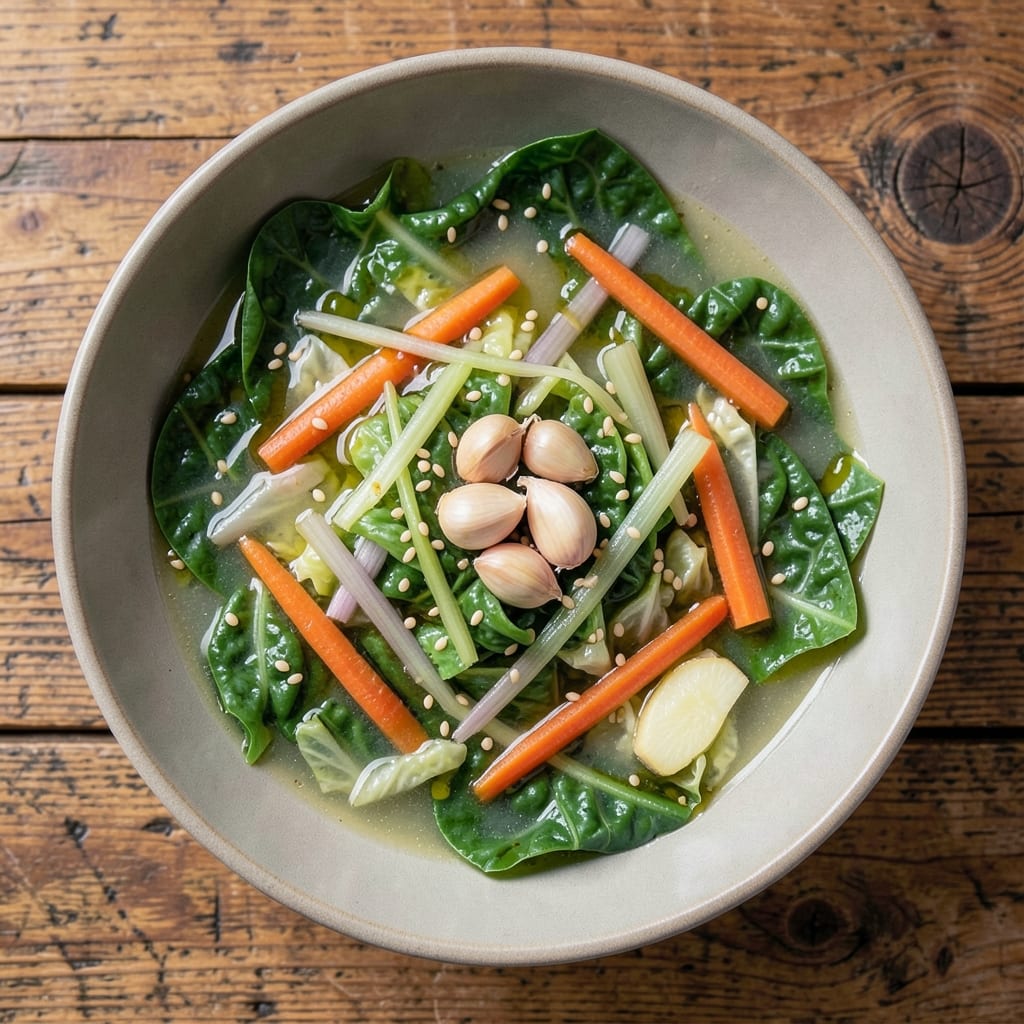
This alkaline cabbage soup recipe transforms humble cabbage into a vibrant, detoxifying elixir that supports digestion and balances pH levels. 💛 The secret lies in alkaline ingredients like lemon juice and fresh herbs, which preserve the soup's natural alkalinity while enhancing its tangy brightness. Perfect for a light lunch or cleansing reset, this recipe combines simple preparation with powerful health benefits.
What sets this soup apart is its vegan-friendly, nutrient-packed base—cabbage, carrots, and celery simmered until tender yet still vibrant. The addition of fresh ginger and garlic not only boosts flavor but also supports immune function, while a splash of lemon juice at the end ensures the soup remains alkaline without overpowering its natural taste. Simmering for 30 minutes allows flavors to meld, creating a comforting yet refreshing bowl.
The result is a cleansing, tangy soup that's rich in fiber, vitamins, and antioxidants—ideal for detoxifying the body or simply enjoying a lighter meal. The bright green hue and fresh aroma make it as visually appealing as it is nourishing. Serve warm with a sprinkle of fresh parsley for an extra burst of freshness and alkalinity.
This recipe is versatile enough to incorporate additional vegetables like zucchini or spinach, or a dash of apple cider vinegar for extra tang. Whether you're looking to support digestion, balance your body's pH, or simply enjoy a flavorful, nutrient-dense meal, this alkaline cabbage soup delivers.
Ingredients for alkaline cabbage soup
Vibrant vegetables and alkaline boosters—this soup delivers detoxifying benefits with every spoonful.
| Ingredient | Amount | Notes |
|---|---|---|
| Green Cabbage 🥬 | 8 cups | Shredded, core removed |
| Organic Carrots 🥕 | 2 cups | Chopped, medium size |
| Celery Stalks 🧅 | 3 whole | Chopped, leafy parts removed |
| Fresh Ginger Root 🌿 | 1 tbsp | Grated, organic preferred |
| Garlic Cloves 🧄 | 4 cloves | Minced, fresh preferred |
| Extra-Virgin Olive Oil 🫒 | 2 tbsp | Cold-pressed, fruity |
| Vegetable Broth 💧 | 4 cups | Low-sodium, homemade preferred |
| Fresh Lemon Juice 🍋 | 2 tbsp | Freshly squeezed, organic |
| Fresh Parsley 🌿 | ¼ cup | Chopped, for garnish |
| Sea Salt 🧂 | 1 tsp | Diamond Crystal preferred |
| Black Peppercorns 🌶️ | ½ tsp | Freshly ground |
| Apple Cider Vinegar 🍎 | 1 tbsp | Raw, unfiltered |
| Fresh Turmeric Root 🌿 | ½ tsp | Grated, optional for color |
The cabbage is the star here—opt for organic green cabbage for maximum nutrients. Whole Foods or local farmers markets often carry the freshest heads, which should feel heavy for their size and have crisp, unblemished leaves. Carrots and celery should be firm with vibrant color—no wilting or soft spots. Fresh ginger and turmeric root add anti-inflammatory power, so look for organic when possible. The vegetable broth is non-negotiable; even low-sodium store-bought works better than water for depth of flavor. For the ultimate alkaline boost, use freshly squeezed lemon juice—bottled versions often contain added sugars.
No organic cabbage? Regular green cabbage works fine—just rinse thoroughly. Swap carrots for beets or sweet potatoes if you prefer, but they'll alter the soup's natural alkalinity slightly. Fresh ginger hard to find? Ground ginger at half the amount is a decent substitute, though it lacks the same potency. The apple cider vinegar can be omitted if you're strictly avoiding acidity, but it enhances the soup's tangy brightness. For an extra nutrient kick, add 1 cup of chopped kale or spinach during the last 5 minutes of cooking. Always use extra-virgin olive oil—regular vegetable oils lack the same health benefits.
This soup keeps beautifully—5 days in the fridge or 3 months frozen. For best flavor, store in glass jars with a layer of olive oil on top to preserve freshness. Reheat gently on the stove with a splash of water to maintain texture. The alkaline properties actually improve over time as flavors meld. Portion into single-serving containers for quick lunches—just add a sprinkle of fresh parsley before serving. The lemon juice should be added fresh when reheating to maintain its alkalizing effects.
Why You'll Love This Recipe
- Here’s what sold me: it uses up those forgotten veggies lurking in your fridge. A few carrots past their prime? Toss ‘em in. A stalk of celery turning limp? No problem. It’s the kind of recipe that turns grocery day into a win—no waste, no fuss, just flavor.
- No-Chop Needed: I swear, this soup is one of those rare recipes where you can eyeball the veggies. Rough chop the cabbage, slice carrots into fat coins—no precision required. The ginger and garlic get minced, but even that’s just a few cloves and a thumb’s worth of root.
- Ginger-Garlic Zing: That fresh ginger and garlic combo? It’s the secret weapon here. The ginger adds a bright, almost citrusy punch, while the garlic softens into a warm, savory depth. Honestly, the first time I tasted it simmering, I nearly stole a spoonful straight from the pot.
- Meal Prep MVP: Between us, this soup tastes better the next day—yes, really. I make a big batch on Sundays, and it becomes my lunch for three days. The cabbage holds its crunch, the carrots get sweeter, and the broth just gets richer. Perfect for when you’re too tired to cook but still want something nourishing.
Step-by-step instructions for alkaline cabbage soup
Transform simple vegetables into a vibrant, detoxifying broth with balanced alkalinity and bright citrus notes.
🍳 Step 1: Sauté Aromatics Until Fragrant
Heat the 2 tablespoons extra-virgin olive oil in a large pot over medium heat. Add the 3 chopped celery stalks, 2 cups chopped organic carrots, and 1 tablespoon grated fresh ginger root. Sauté for 5 minutes until the vegetables soften slightly and release their aromatic oils.
Add the 4 minced garlic cloves and 0.5 teaspoon grated fresh turmeric root, stirring constantly for 30 seconds until the garlic becomes golden and fragrant. This step builds the flavor foundation—don't rush it. The turmeric will lend a subtle golden hue and anti-inflammatory properties to your soup.
🍳 Step 2: Add Cabbage and Seasonings
Increase heat to medium-high and add the 8 cups shredded green cabbage, stirring to coat the leaves in the aromatic oil mixture. Cook for 3 minutes until the cabbage begins to wilt slightly but remains vibrant green.
Add the 1 teaspoon sea salt, 0.5 teaspoon freshly ground black peppercorns, and 1 tablespoon raw apple cider vinegar. Stir well to distribute the seasonings evenly. The vinegar adds a bright tang that balances the earthy vegetables, while the salt enhances all flavors. Let the mixture cook for another 2 minutes while you prepare the broth.
🥘 Step 3: Simmer with Broth and Acid
Pour in the 4 cups low-sodium vegetable broth and bring the mixture to a gentle boil. Once boiling, reduce heat to medium-low and let it simmer uncovered for 20 minutes. The soup should bubble gently—this ensures the vegetables soften without losing their vibrant color.
After 15 minutes, add the 2 tablespoons freshly squeezed lemon juice. The acidity from the lemon juice helps maintain the soup's alkaline properties while adding a refreshing zing. Stir well and continue simmering for the remaining 5 minutes. The cabbage should be tender but still hold its shape with slight bite.
⏰ Step 4: Finish and Rest for Maximum Flavor
Remove the pot from heat and let the soup rest for 5 minutes. This resting period allows the flavors to meld completely. The vegetables will continue to absorb the broth's essence, creating a harmonious balance of detoxifying properties and vibrant taste.
Before serving, stir in the 0.25 cup chopped fresh parsley. The parsley adds a fresh, herbal note that brightens the soup's overall profile. Taste and adjust seasoning if needed—you may need a touch more salt or lemon juice to achieve the perfect balance of tangy, earthy, and slightly sweet flavors.
Pro Tips For Making Alkaline Cabbage Soup
- Sauté Veggies in Batches: Don’t crowd the pan—this soup needs room to breathe. Cook carrots and celery in 2-3 batches over medium-high heat until they soften but don’t brown. Overfilling means steaming instead of caramelizing, and you’ll miss that sweet depth that makes the soup sing.
- Shred Cabbage Fine: Skip the chunky cuts—this isn’t a stir-fry. Use a sharp knife or mandoline to slice cabbage into paper-thin shreds. They’ll soften faster and blend seamlessly into the broth, giving you that silky texture without mush.
- Salt the Broth Early: Add a pinch of salt (or a splash of water with baking soda if alkaline) to the broth before adding the ginger and garlic. It mellows their sharpness and lets the flavors meld better. Trust me, your taste buds will notice the difference.
- Use a Splatter Screen: Ginger and garlic go nuclear when they hit the pan. Pop a splatter screen over them while they cook—it keeps your stove clean and your kitchen from smelling like a spice market for hours. (Yes, even if you’re impatient like me.)
Pro cooking tips for alkaline cabbage soup
Alkaline Balance Secrets
To maintain the soup's alkaline properties, focus on lemon juice and apple cider vinegar—both add acidity that paradoxically supports alkalinity when consumed. I like adding 2 tablespoons of lemon juice at the end of cooking, but you can also stir in 1 tablespoon of vinegar during sautéing for a deeper tang. The key is balance: too much acidity can disrupt the alkaline effect, so taste as you go. 💛
Vegetable Prep Matters
Uniform chopping ensures even cooking—cabbage should be shredded into thin strips (about ¼-inch wide) for quick softening, while carrots and celery should be cut into ¼-inch dice. I use a mandoline slicer for consistency, but a sharp chef’s knife works too. Overcrowding the pot slows cooking, so sauté in batches if needed. The goal is tender-crisp vegetables that retain their bright color.
Broth Quality Boosts
Homemade vegetable broth elevates this soup, but even low-sodium store-bought works in a pinch. For extra alkalinity, simmer 1 sprig of fresh dill or ½ cup of chopped parsley in the broth before adding it to the soup. Avoid salt-heavy broths—they can overpower the delicate balance. If using water, add ½ teaspoon of sea salt directly to the pot to compensate for flavor.
Simmering Precision
A gentle medium-low simmer (small bubbles) prevents the cabbage from turning mushy while extracting maximum flavor. I cover the pot for the first 10 minutes to help soften the vegetables faster, then uncover it to let the liquid reduce slightly. This technique concentrates the broth’s depth without overcooking the cabbage. Keep an eye on it—20 minutes total is ideal for tender yet vibrant results. ⏰
Acid Adjustments
If your soup tastes too bland, a splash of lemon juice or vinegar brightens it up. For a spicy kick, add ½ teaspoon of red pepper flakes during the last 5 minutes of cooking. If you prefer sweetness, stir in 1 teaspoon of maple syrup—it enhances the natural sugars in the vegetables. Always taste before serving to fine-tune the balance of tangy, earthy, and sweet notes.
Garnish for Freshness
Fresh herbs and citrus elevate both flavor and presentation. I sprinkle ¼ cup chopped parsley on top, but cilantro or dill work too. For extra alkalinity, add a lemon wedge on the side—squeezing it over individual bowls lets everyone customize their tang level. A drizzle of extra-virgin olive oil adds richness without compromising the soup’s lightness. 🌿
Nutrition facts
Frequently asked questions
What makes this cabbage soup alkaline?
This soup maintains alkalinity through ingredients like lemon juice and apple cider vinegar, which support pH balance when consumed. The high vegetable content (cabbage, carrots, celery) provides natural alkalizing minerals, while avoiding acidic or processed ingredients. The key is the lemon juice added at the end—it enhances flavor while paradoxically helping the body maintain alkalinity.
Can I make this soup without lemon juice?
Yes, but the alkaline benefits will be less pronounced. For a similar effect, substitute with 1 tablespoon of lime juice or ½ teaspoon of baking soda (only if needed for pH balance, but sparingly). The soup will still taste great, though the tangy brightness will differ. For maximum alkalinity, always use fresh lemon juice.
How do I store and reheat this soup?
Store in airtight containers for 5 days in the fridge or 3 months frozen. When reheating, add 1-2 tablespoons of water or broth to prevent thickening. For best flavor, add fresh lemon juice and parsley after reheating. Never microwave directly from frozen—thaw overnight first to preserve texture.
What if my soup tastes too bitter?
Bitterness often comes from overcooked cabbage. To fix it, stir in 1 teaspoon of maple syrup or ½ teaspoon of honey (optional for vegan) to balance flavors. For prevention, reduce simmering time to 15 minutes and keep the lid slightly ajar during cooking. Fresh herbs like parsley also help mask bitterness.
Can I add protein to this recipe?
This recipe is intentionally vegan for optimal alkalinity, but you can add plant-based proteins like ½ cup of cooked lentils or tofu cubes** (firm tofu works best). For animal proteins, try white beans or chickpeas, but avoid meat/dairy to maintain the soup's alkaline properties. Add proteins during the last 5 minutes of cooking to prevent overcooking.