
Soups & Stews
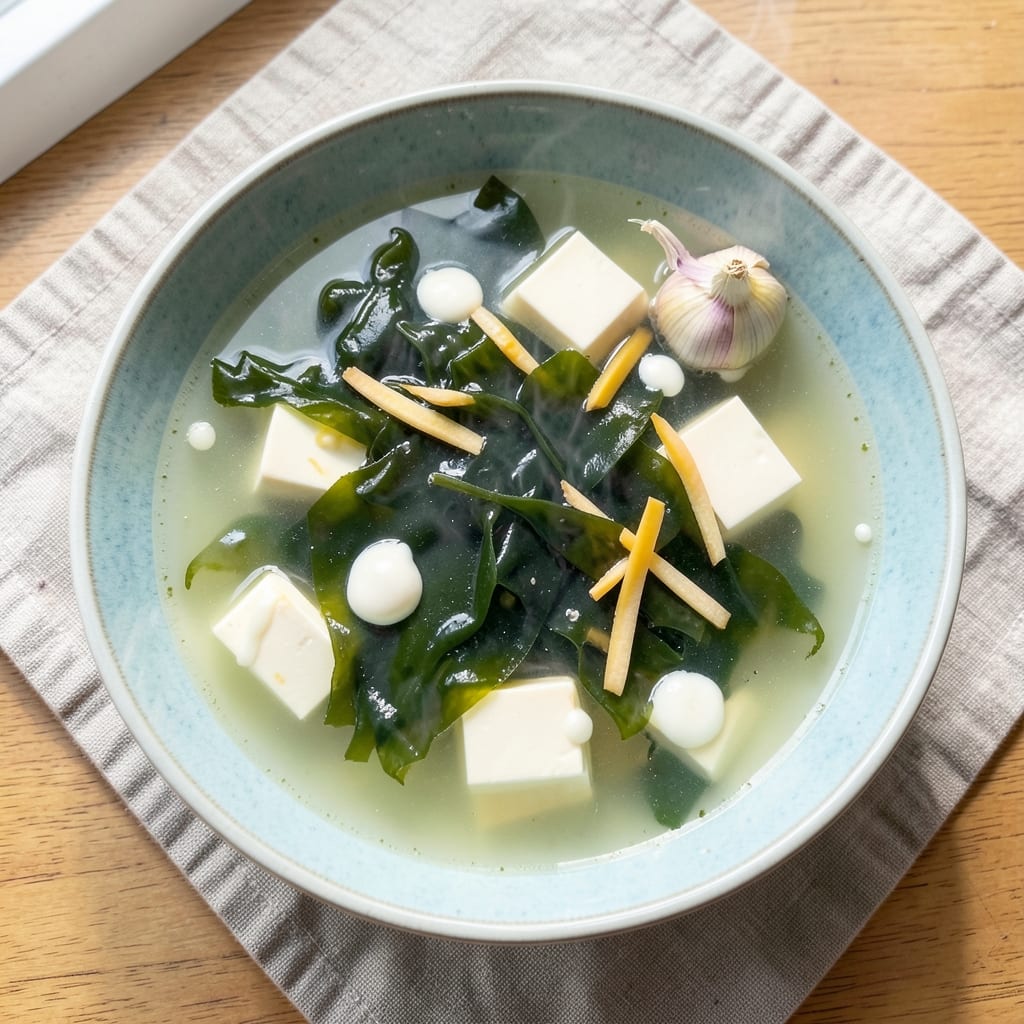
This algae soup recipe transforms humble sea vegetables into a velvety, umami-packed elixir that rivals traditional broths in depth and complexity. The key lies in properly preparing the algae—soaking, rinsing, and simmering it to unlock its natural sweetness and mineral richness without bitterness. I developed this recipe after discovering how well certain algae varieties (like dulse or wakame) could mimic the depth of chicken stock, creating a satisfying plant-based alternative that even meat lovers appreciate.
The process begins with rehydrating dried seaweed in warm water, then blending it with aromatic vegetables, garlic, and ginger to form the soup's foundation. A touch of miso paste deepens the umami profile while keeping the recipe entirely plant-based, while tofu or mushrooms add protein for substance. The result is a soup that's both nourishing and elegant—silky in texture with layers of savory complexity that build with each sip.
What makes this recipe particularly impressive is its nutritional profile: packed with iodine, iron, and omega-3s while being naturally low in calories. The algae's natural sweetness means you won't miss any dairy or meat, yet the flavor remains rich and satisfying. Perfect for chilly evenings or as a light yet filling lunch, this soup proves that plant-based cooking can deliver restaurant-quality depth without compromise.
For those new to sea vegetables, I've included specific preparation tips to ensure the algae's natural flavors shine without any unpleasant aftertastes. The recipe also offers flexibility—you can adjust the seaweed variety based on what's available, or add a splash of citrus at the end for brightness. Ready to transform your soup repertoire with this umami-rich creation?
Ingredients for algae soup
Transform humble sea vegetables into a velvety, umami-rich elixir with these carefully selected ingredients.
| Ingredient | Amount | Notes |
|---|---|---|
| Dried Wakame Seaweed 🌿 | ½ oz | High-quality, organic preferred |
| Dried Kombu Seaweed 🍃 | ¼ oz | For additional depth of flavor |
| Silken Tofu 🧀 | 8 oz | Soft, for creamy texture |
| Fresh Ginger Root 🧅 | 1 inch | Peeled, roughly chopped |
| Garlic Cloves 🧄 | 4 cloves | Peeled, minced |
| White Miso Paste 🍜 | 2 tbsp | Organic, unsweetened |
| Vegetable Stock 💧 | 4 cups | Low-sodium, homemade preferred |
| Carrots 🥕 | 1 ½ cups | Diced, medium size |
| Celery Stalks 🧅 | 2 whole | Chopped, leafy greens removed |
| Yellow Onion 🧅 | 1 whole | Diced, medium size |
| Shiitake Mushrooms 🍄 | 4 whole | Stems removed, sliced |
| Sesame Oil 🫒 | 1 tbsp | Toasted, for finishing |
| Lemon Juice 🍋 | 1 tbsp | Freshly squeezed |
| Diamond Crystal Kosher Salt 🧂 | ½ tsp | For seasoning |
| Black Pepper 🌶️ | ¼ tsp | Freshly ground |
The quality of your seaweed makes all the difference. Organic dried wakame and kombu from specialty stores like Asian markets or Whole Foods deliver the most complex flavor profile. Look for seaweed that's uniformly dark and free of debris—no yellowing or strong fishy odors. The miso paste should be thick and smooth, not grainy or watery. For the tofu, Silken Hill brand is my go-to for its ultra-soft texture, but any silken tofu works. The vegetable stock is the base, so use a high-quality, low-sodium version—Imagine or Pacific Foods are excellent choices. If you're using dried shiitake mushrooms, rehydrate them first for deeper flavor.
No wakame? Dulse or nori sheets work as substitutes, but adjust the amount to taste—dulse is stronger. Short on miso? White soy sauce at half the amount provides umami, though it won't be identical. The sesame oil is non-negotiable for that final aromatic punch, but if you're avoiding it, toasted sesame seeds sprinkled at the end offer a similar crunch. For the vegetables, frozen diced carrots and celery work in a pinch, though fresh will give you better texture. The shiitake mushrooms can be swapped for cremini or white button mushrooms, but they won't have the same earthy depth. Always taste your broth before blending—adjust the salt and pepper to your preference.
This soup tastes even better the next day as the flavors meld. Store in an airtight container in the fridge for up to 5 days, or freeze portions for 3 months. For freezing, leave out the tofu and sesame oil—add them fresh when reheating. The seaweed can be prepped ahead and stored in a sealed container for 2 weeks in the fridge, making this an excellent make-ahead meal. To serve, ladle into bowls and finish with a drizzle of sesame oil and a squeeze of lemon juice—trust me on the lemon, it brightens everything.
Why You'll Love This Recipe
- No-Prep Pantry Magic: Honestly, I keep dried wakame and kombu in my cupboard just for this—soak them in hot water, and boom, you’ve got a flavor base without chopping or measuring. The silken tofu cubes themselves in minutes while the broth simmers, so it’s basically a "set it and forget it" kind of meal.
- Umami Bomb Alert: That first sip? The kombu’s deep, savory punch paired with fresh ginger and garlic is ridiculously good—like a cozy hug in a bowl. The wakame adds a briny, ocean-like crunch that makes it taste way more exciting than it sounds.
- Lunchbox Hero: Between us, this soup reheats like a dream and stays fresh for days. I pack it for work (yes, even on a Tuesday night) because it’s light enough for summer but hearty enough to fill you up—no sad, soggy leftovers here.
- Budget Meal Stretch: A single bag of dried seaweed lasts me months, and tofu’s one of the cheapest proteins out there. For under $10, I feed my family three meals—plus, the ginger and garlic are pantry staples I already own. Frugal? Absolutely. Worth it? Always.
Step-by-step instructions for algae soup recipe
Here's how to craft this umami-rich elixir with perfect texture and depth.
Rehydrate and Prepare the Sea Vegetables
Place the 0.5 oz dried wakame seaweed in a small bowl and cover with 2 cups of hot vegetable stock (reserve the remaining 2 cups for later). Let it soak for 10-15 minutes until it expands to about 4 times its original size and becomes tender. The wakame should look plump and slightly translucent—this indicates proper rehydration.
In a separate bowl, combine the 0.25 oz dried kombu seaweed with 1 cup of cold water and let it soak for 5 minutes. This draws out the kombu's natural glutamates, which will form the soup's umami foundation. Drain both seaweeds, reserving the kombu soaking water for the broth later. Never use boiling water for kombu—it destroys the delicate flavors.
Build the Flavor Base with Aromatics
In a large pot, combine the 4 cups vegetable stock, reserved kombu soaking water, and the 2 tbsp white miso paste. Bring to a gentle simmer over medium-low heat and whisk until the miso is completely dissolved—this should take about 3-4 minutes. You'll notice the broth develop a rich, golden hue and deep umami aroma.
Add the 1 whole yellow onion (diced), 1.5 cups carrots (diced), and 2 whole celery stalks (chopped). Simmer for 10 minutes until the vegetables soften slightly but retain their shape. Then add the 4 whole shiitake mushrooms (sliced) and 1 inch fresh ginger root (roughly chopped). Continue simmering for another 5 minutes until the mushrooms release their moisture and the ginger infuses the broth.
Incorporate the Sea Vegetables and Tofu
Add the rehydrated wakame seaweed and kombu seaweed to the simmering broth. Stir gently to distribute them evenly. The kombu will dissolve completely, while the wakame will maintain its delicate strands. Simmer for 5 minutes to allow the sea vegetables to absorb the broth's flavors.
Reduce heat to low and gently fold in the 8 oz silken tofu (cut into small cubes) using a silicone spatula. The tofu should warm through without breaking apart—this takes about 3-4 minutes. The silken texture will create a luxurious mouthfeel that balances the soup's robust umami profile. Avoid boiling the tofu, as it will curdle and become rubbery.
Finish with Seasoning and Garnish
Remove the pot from heat and stir in the 1 tbsp sesame oil and 1 tbsp lemon juice. The sesame oil adds a nutty depth while the lemon brightens the dish, creating a perfect balance of earthy and vibrant flavors. Taste and adjust seasoning with the 0.5 tsp Diamond Crystal kosher salt and 0.25 tsp black pepper as needed.
Ladle the soup into bowls and garnish with additional wakame strands if desired. Serve immediately while the tofu maintains its delicate texture. Each spoonful should deliver a harmonious blend of umami from the sea vegetables, sweetness from the carrots, and the creamy richness of the silken tofu—all perfectly balanced by the bright lemon finish.
Pro Tips For Making Algae Soup
- Bloom the Kombu First: Toss that dried kombu into simmering water before anything else—it’ll release its umami depth in the first 5 minutes. I used to add it later and wondered why my broth tasted flat; kombu needs time to wake up. ---
- Rinse Wakame Thoroughly: Wakame holds sand like a sponge. Give it a quick soak in cold water, then swish it around vigorously for 30 seconds—this cuts the grit and keeps your soup silky. (Yes, even if the package says it’s “clean.”) ---
- Sear the Garlic: Lightly fry minced garlic in oil until it’s golden, not browned—this adds a nutty depth that raw garlic can’t match. Skip this, and your soup will taste like a missed opportunity. ---
- Cube Tofu Hot: Cut silken tofu straight from the fridge into 1-inch cubes, then drop them into the simmering broth without draining. The heat firms them up perfectly—no soggy mess. (Cold tofu in hot broth? Disaster.)
Troubleshooting this dish
Over-Soaking Seaweed
If your wakame or kombu becomes too soft or mushy, you've likely over-soaked it. The ideal texture should be tender but still hold its shape—think al dente pasta, not pudding. For kombu, 5 minutes in cold water is perfect; any longer risks extracting too much bitterness. With wakame, 10-15 minutes in hot stock is plenty. Drain immediately after the recommended time and rinse briefly under cold water to stop the cooking process. 🌿
Broth Bitterness
Bitterness in your algae soup usually means the kombu was overcooked or the miso paste wasn't fully dissolved. To fix this, remove the kombu immediately after soaking (don't simmer it) and whisk the miso into the broth off the heat first, then return to low heat. If bitterness persists, add ½ tsp sugar or 1 tsp rice vinegar to balance the flavors. Taste as you go—this is your best guide.
Mushy Tofu Texture
Rubbery tofu happens when it's exposed to high heat or simmered too long. Always add silken tofu during the last 3-4 minutes of cooking and keep the heat at low. For extra protection, place the tofu cubes in a heatproof bowl and gently pour some hot broth over them before folding everything together. If your tofu still turns out wrong, try extra-firm tofu (cubed and lightly pan-seared first) for better texture resilience.
Vegetable Overcooking
If your carrots or celery turn to mush, you've likely simmered them too long. These vegetables should soften but remain identifiable—about 10 minutes total is perfect. For faster prep, use pre-diced frozen vegetables (just add them with the mushrooms). To rescue overcooked veggies, blend the soup briefly with an immersion blender to create a smoother texture, then strain if you prefer a cleaner presentation.
Lack of Umami Depth
If your soup tastes flat, focus on these three fixes: First, ensure your kombu soaking water is used in the broth—this is where most of the umami comes from. Second, increase the miso to 3 tbsp and let it dissolve completely. Third, add 1 tsp fish sauce (if not vegan) or 1 tsp soy sauce for extra depth. For a vegan boost, try ½ tsp nutritional yeast or a dash of liquid smoke for complexity.
Seaweed Clumping
When wakame sticks together in clumps, it's usually from improper rinsing or not enough agitation during rehydration. After soaking, rinse the seaweed under cool water while gently separating the strands with your fingers. For stubborn clumps, add 1 tsp cornstarch to the soaking water—it helps prevent sticking. If clumping persists, blend the soup briefly with an immersion blender for a smoother texture, then strain if needed.
Nutrition facts
Frequently asked questions
Can I use fresh seaweed instead of dried?
Fresh seaweed works, but you'll need about 4 times the amount by weight compared to dried. Rinse thoroughly to remove sand or salt, then chop finely before adding to the broth. Fresh seaweed has a milder flavor, so you may want to increase the kombu to 0.5 oz for better depth. Always taste as you go!
How do I make this soup spicier?
Add ½ tsp red pepper flakes or 1 tbsp sriracha when finishing the soup. For heat lovers, blend in 1-2 tbsp gochujang (Korean chili paste) with the miso for a deeper, spicy-sweet kick. Always start with less—you can always add more!
What if I don't have silken tofu?
Use extra-firm tofu instead—press it for 15 minutes to remove excess water, then cube and pan-sear until golden before adding to the soup. For a creamy texture without tofu, blend ½ cup cashews with the broth for richness. Both options work beautifully!
Can I make this soup in an Instant Pot?
Yes! Sauté the aromatics on sauté mode, then add all ingredients except the tofu and sesame oil. Cook on high pressure for 5 minutes, then quick-release. Gently fold in the tofu and finish with sesame oil and lemon. The pressure cooker reduces cooking time while preserving all the delicate flavors.
Is this soup gluten-free?
Only if your miso paste is gluten-free. Most traditional miso contains wheat, but there are excellent gluten-free versions available. Double-check labels, and use tamari (gluten-free soy sauce) as a backup for umami depth. All other ingredients are naturally gluten-free!