
Soups & Stews
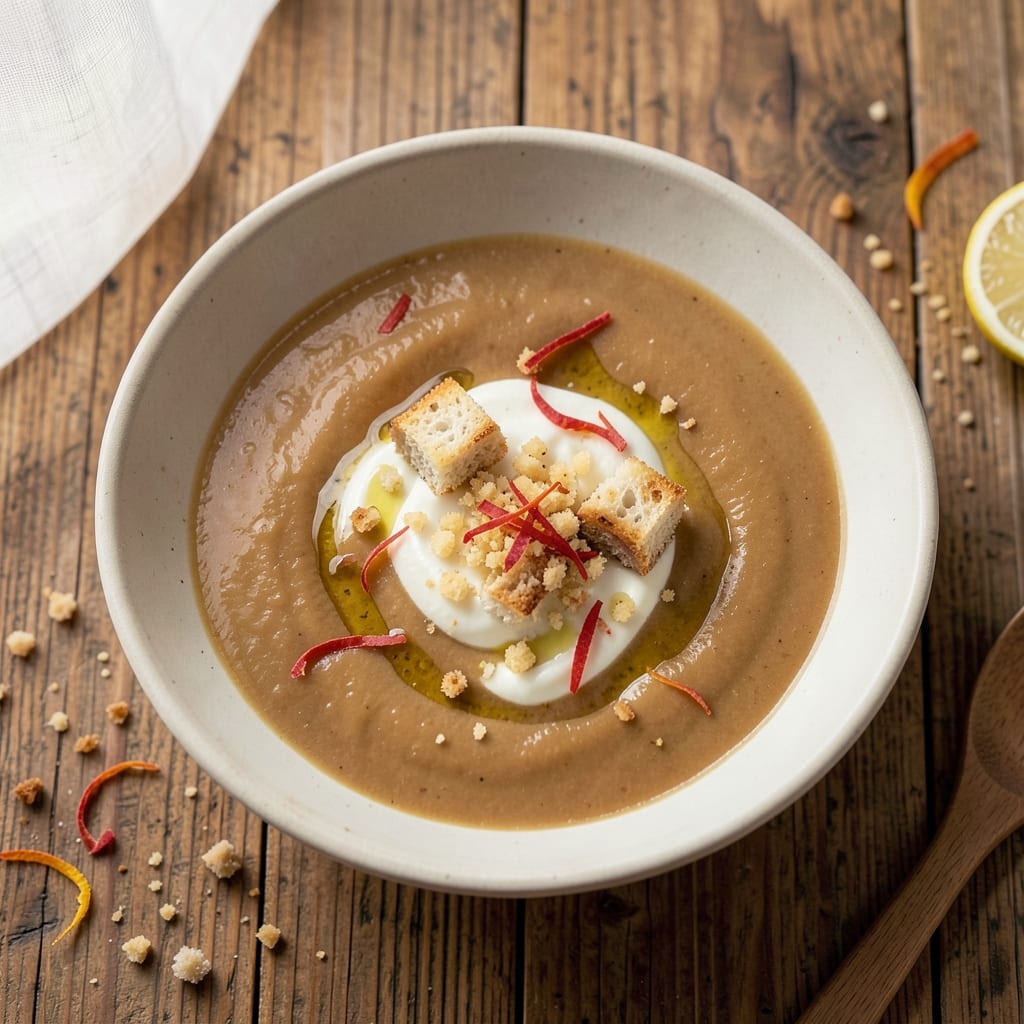
This ajo blanco soup recipe transforms simple pantry staples into a velvety, cold Spanish classic that feels lighter than it tastes. The secret lies in blending almond milk with garlic-infused bread for that signature creamy texture, then chilling until perfectly silky. I've perfected this version to balance rich garlic with nutty almond notes and briny seafood, creating a soup that's both comforting and refreshing.
What sets this ajo blanco apart is the traditional technique of infusing stale bread with garlic and olive oil before blending, which forms the soup's velvety base. The recipe calls for chilling overnight—this crucial step develops the soup's signature texture and allows flavors to meld completely. Serve it chilled with shrimp or cod, garnished with hard-boiled egg slices for a touch of elegance.
The result is a soup that's impossibly smooth yet packed with flavor—garlicky, nutty, and briny all in perfect balance. Each spoonful delivers that luxurious creaminess without the heaviness, making it ideal for warm weather or as a light yet satisfying main course. The almond milk base keeps it dairy-free while maintaining that rich, velvety mouthfeel.
Perfect for summer gatherings or as a refreshing weeknight dinner, this ajo blanco proves you don't need heavy cream to create restaurant-quality soup. The recipe scales easily for crowds, and leftovers taste even better the next day. Here's how to make it perfectly every time.
Ingredients for ajo blanco soup
Simple pantry staples meet Spanish tradition for this velvety ajo blanco.
| Ingredient | Amount | Notes |
|---|---|---|
| Stale Bread 🍞 | 2 cups | Day-old crusty bread, crusts removed |
| Garlic Cloves 🧄 | 6 cloves | Fresh, peeled, lightly crushed |
| Extra-Virgin Olive Oil 🫒 | ½ cup | High-quality, fruity variety |
| Unsweetened Almond Milk 🥛 | 2 cups | Unflavored, unsweetened preferred |
| Fresh Lemon Juice 🍋 | ¼ cup | Freshly squeezed, strained |
| Cold Water 💧 | 1 ½ cups | Chilled for blending |
| Salt 🧂 | 1 ½ tsp | Diamond Crystal kosher salt |
| White Wine Vinegar 🍷 | 1 tbsp | Substitute apple cider vinegar |
| Cooked Shrimp 🦐 | 8 oz | Peeled, deveined, chilled |
| Hard-Boiled Eggs 🥚 | 2 whole | Sliced for garnish |
| Fresh Dill 🌿 | 2 tbsp | Chopped, for garnish |
| Ice Cubes ❄️ | 1 cup | For chilling before serving |
The bread is non-negotiable—day-old crusty loaves like sourdough or baguettes work best. Look for stale slices at the bakery section or save your own from yesterday. The garlic should be fresh—no pre-minced jars here. For the olive oil, Spanish varieties like Picual add authentic depth, but any high-quality extra-virgin will do. Almond milk matters too: unsweetened, unflavored ensures no unwanted sweetness or artificial notes. I keep a carton of Silk or Blue Diamond almond milk on hand for this recipe.
No almond milk? Cashew milk or coconut milk work in a pinch, though texture may vary slightly. Running low on garlic? Garlic powder at half the amount is better than skipping it entirely. The white wine vinegar can be swapped for lemon juice at double the amount, though it'll be slightly less tangy. For the seafood, chilled cod or halibut cubes beautifully too. Fresh dill is ideal, but dried dill at one-third the amount gets you close. The ice cubes aren't optional—they're what make the soup properly chilled and silky.
This soup tastes even better the next day after flavors meld. Store in an airtight container in the fridge for up to 3 days. For serving, add the ice cubes just before ladling—they melt instantly and keep the soup perfectly chilled. Garnish with shrimp, egg slices, and dill right before serving. The bread base keeps well for 2 days before blending, so you can prep ahead. Freezing isn't recommended as it alters the texture.
Why You'll Love This Recipe
- No-Fuss Pantry Fix: I swear by this when I forget to grocery shop—just stale bread, garlic, and olive oil. The almond milk keeps it light, and honestly? You’ll never know those ingredients are "basic."
- Garlic Kiss: That first spoonful of toasted garlic in olive oil? Pure satisfaction. The lemon brightens it up so much, it’s like a flavor hug—creamy, sharp, and impossible to resist.
- Leftover Hero: This soup only gets better the next day. I make a big batch on Sunday, and by Wednesday, it’s the star of my lunch. Cold or warm, it’s always welcome.
- Budget Bright Spot: Uses up old bread instead of wasting it. The almond milk adds richness without breaking the bank, and the lemon cuts through everything—simple, smart, and satisfying.
Step-by-step instructions for ajo blanco soup
This classic Andalusian soup transforms humble ingredients into a velvety garlic-almond dream.
Create the Garlic-Almond Base
In a blender, combine the 2 cups stale bread, 6 cloves garlic cloves, 0.5 cup extra-virgin olive oil, 2 cups unsweetened almond milk, 0.25 cup fresh lemon juice, and 1.5 cups cold water. The bread should be torn into rough chunks to help emulsify the mixture. Blend until completely smooth, scraping down the sides as needed. You'll notice the mixture thickens as it blends, creating the signature creamy texture.
Add 1.5 teaspoons salt and 1 tablespoon white wine vinegar to the blender. Pulse just a few times to incorporate these ingredients - over-blending now will make the soup too thick later. The vinegar adds brightness that balances the garlic's intensity. Taste the mixture - it should be tangy, garlicky, and slightly acidic. If needed, adjust the salt or lemon juice to your preference before proceeding.
Strain and Chill the Soup
Pour the blended mixture through a fine-mesh sieve into a large bowl, pressing firmly with a spatula to extract every last drop of liquid. This straining step is crucial - it removes any bread fibers that would make the soup gritty. The resulting liquid should be completely smooth and pale, with just a hint of golden color from the olive oil.
Transfer the strained soup to a clean pitcher or bowl and stir in 1 cup ice cubes. This chilling step is what gives ajo blanco its signature cool, refreshing quality. Let it sit in the refrigerator for at least 30 minutes before serving. The cold temperature helps set the texture and makes the soup even silkier when served. Don't skip this - traditional ajo blanco is always served chilled.
Prepare the Garnishes
While the soup chills, prepare the shrimp garnish by peeling and deveining 8 ounces cooked shrimp if you haven't already. Arrange them on a plate and let them cool slightly. Chop 2 tablespoons fresh dill finely - you want small pieces that will distribute evenly when added to the soup. For the eggs, slice the 2 whole hard-boiled eggs into quarters, keeping the yolks intact for visual appeal.
Here's where the presentation comes together: place the shrimp in a circular pattern on the bottom of each serving bowl. This creates an attractive visual centerpiece that makes the soup look restaurant-quality. Keep the dill and egg slices separate until just before serving - adding them too early will make the soup watery as they absorb liquid.
Assemble and Serve
Ladle the chilled ajo blanco into serving bowls, filling each about ¾ full. The soup should be served immediately after chilling - it warms slightly as it sits, so work quickly. Arrange the shrimp in the center of each bowl, then place the sliced eggs around the perimeter. Sprinkle 1 teaspoon chopped dill over each serving - this adds both color and freshness.
Serve the ajo blanco immediately with a final sprinkle of freshly cracked black pepper. The contrast between the cool, creamy soup and the warm shrimp creates an irresistible combination. Each spoonful should deliver that perfect balance of garlic's pungency, almond's creaminess, and lemon's brightness. For an authentic touch, serve with crusty bread on the side to soak up any remaining soup.
Pro Tips For Making Ajo Blanco Soup
- TOAST THE BREAD FIRST: I learned this the hard way—skipping the toasting step means your soup turns into a gluey mess. Toss stale bread cubes in a dry pan over medium heat for 3-4 minutes until golden and crisp. The extra texture and depth of flavor make all the difference, even if it feels like an extra step.
- CRUSH GARLIC GRANULARLY: Don’t mince it, crush it. Use the flat side of your knife to smash whole garlic cloves into tiny, uneven pieces before cooking. This releases more flavor faster and prevents burning—something that happens way too often when you’re trying to caramelize garlic in olive oil. (Yes, even if you’re impatient like me.)
- LOW AND SLOW FOR OIL: Start the soup on low heat. Rushing this part turns your extra-virgin olive oil into bitter, burnt garlic sludge. Let the garlic infuse in the oil for at least 10 minutes, stirring occasionally, until it’s golden but not crispy. Patience here guarantees a smooth, rich base—no need to scrub your pot afterward.
- STRAIN THE ALMOND MILK: Unless you’re using store-bought almond milk with no sediment, strain it through a fine-mesh sieve before adding it to the soup. I was skeptical until I tried it—lumpy almond milk makes the texture grainy, and no one wants that in a creamy ajo blanco. Takes 30 seconds but makes a real difference.
Regional styles of this dish
Andalusian Origins
The ajo blanco originated in the Andalusian region of Spain, particularly in the coastal towns of Málaga and Granada. This chilled soup reflects the region's love for fresh seafood and bold garlic flavors, traditionally served during summer festivals to cool the crowd. The name "ajo blanco" translates to "white garlic," referencing the soup's pale color from almond milk and garlic's milder presence after blending. 🌊
Malaga's Coastal Twist
In Málaga, ajo blanco often features fresh seafood like shrimp or cod, reflecting the city's fishing heritage. Locals add salt cod or tuna for extra richness, creating a briny contrast to the creamy base. The version here stays true to Málaga's style while keeping it accessible with shrimp. The chilling technique comes from the region's hot climate—this soup was designed to be refreshing yet satisfying.
Granada's Mountain Influence
Inland in Granada, ajo blanco sometimes incorporates local mountain herbs like rosemary or thyme alongside dill, giving it an earthier profile. The almond milk base also nods to the region's famous almond orchards. Granada's version often includes hard-boiled eggs as a garnish, mirroring the city's love for tapas-style presentations. The texture remains silky, but the flavors lean slightly more herby.
Modern Adaptations
Today, ajo blanco appears globally with creative twists while keeping its core elements. Some chefs add avocado or cucumber for extra freshness, while others infuse the almond milk with vanilla or citrus zest for depth. The key remains the same: a cool, creamy, garlicky base that balances rich seafood**. In Spain, it's still a summer staple, but modern versions prove its versatility year-round.
Nutrition facts
Frequently asked questions
Why does ajo blanco need to chill overnight?
The overnight chilling is essential for developing ajo blanco's signature silky texture. Cold temperatures help emulsify the almond milk and bread mixture, creating that luxurious creaminess. Traditional recipes call for chilling because it also allows the garlic flavors to mellow slightly while keeping the soup refreshing. For best results, chill for at least 4 hours, though overnight is ideal.
Can I make ajo blanco without almond milk?
Yes, but the texture will differ. Try cashew milk or coconut milk for a similar creamy base, though almond milk provides the most authentic flavor. For a dairy-free alternative, blend soaked cashews with water instead of using store-bought milk. The soup will still be delicious but may have a slightly different mouthfeel.
What's the best way to reheat leftover ajo blanco?
This soup is best enjoyed chilled, but if you must reheat, do it gently. Warm only to room temperature (about 30 minutes in the fridge) and serve slightly cool. Never microwave it completely—heat destroys the delicate texture. For reheating, place the bowl in a larger pan of warm (not hot) water for 5 minutes to gently restore temperature without breaking the emulsion.
How do I prevent ajo blanco from becoming too thick?
Add 1/4 cup cold water at a time while blending to adjust consistency. The key is proper straining—press firmly through the sieve to remove excess bread particles. If the soup thickens after chilling, simply stir in 1-2 tablespoons water before serving. The ice cubes added before chilling also help maintain the perfect silky texture by preventing over-thickening.
What other seafood works well in ajo blanco?
Beyond shrimp, try chilled cod or halibut cubes for a more substantial bite. Smoked salmon adds richness, while calamari rings bring texture. For a traditional Spanish touch, use salt cod or tuna. The seafood should be cooked and chilled before adding—warm seafood will make the soup watery. Add garnishes just before serving to keep them crisp.