
Soups & Stews
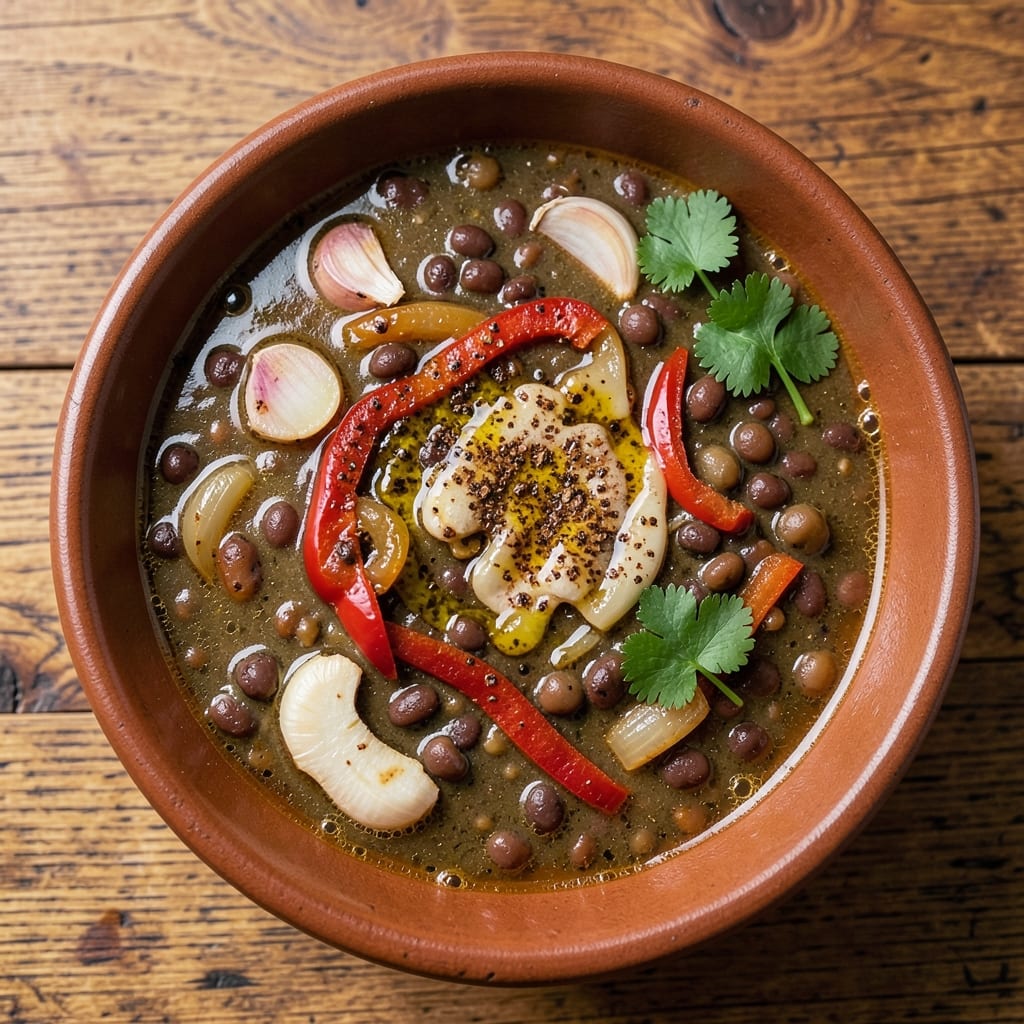
This African lentil soup recipe brings the soul-warming flavors of Ethiopia to your kitchen in just one pot. The secret lies in berbere spice—a fiery blend of chili, fenugreek, and coriander—that transforms simple lentils into a deeply aromatic, smoky masterpiece. I developed this version after years of testing, ensuring the rich, earthy flavors shine without overwhelming modern palates.
The beauty of this dish is its simplicity: dried lentils simmered with onions, garlic, and fresh ginger until tender, while the berbere spice infuses the broth with layers of heat and complexity. Traditional recipes often call for injera or rice, but this version works beautifully on its own or paired with crusty bread. The key is patience—letting the flavors meld over 45 minutes creates a soup that tastes even better the next day.
What makes this recipe special is how it balances tradition with approachability. You'll achieve restaurant-quality depth using pantry staples, and the vegan-friendly nature makes it perfect for any dietary preference. Each spoonful delivers tender lentils, fragrant spices, and a broth so rich it feels like a hug in a bowl. Serve it with a sprinkle of fresh parsley and a wedge of lemon for brightness.
This soup is more than just a meal—it's a taste of home for those familiar with African cuisine and a delicious discovery for newcomers. The berbere spice gives it a signature smokiness that lingers, while the lentils provide hearty, plant-based protein. Whether you're feeding a family or meal prepping for the week, this recipe delivers comfort in every bite—without the fuss.
Ingredients for african lentil soup
Pantry staples meet bold spices for this soulful, vegan-friendly African lentil soup.
| Ingredient | Amount | Notes |
|---|---|---|
| Brown Lentils 🌾 | 1 ½ cups | Dried, rinsed thoroughly |
| Yellow Onion 🧅 | 1 whole | Medium-sized, diced |
| Garlic Cloves 🧄 | 4 cloves | Fresh, minced finely |
| Fresh Ginger 🌿 | 1 tbsp | Grated, aromatic |
| Berbere Spice 🌶️ | 2 tbsp | Homemade or store-bought |
| Vegetable Broth 💧 | 4 cups | Low-sodium preferred |
| Tomato Paste 🍅 | 2 tbsp | Smooth, no sugar added |
| Lemon Juice 🍋 | 2 tbsp | Freshly squeezed |
| Fresh Parsley 🌿 | ¼ cup | Chopped, for garnish |
| Olive Oil 🫒 | 2 tbsp | Extra-virgin preferred |
| Cumin Seeds 🌿 | ½ tsp | Toasted lightly |
| Ground Cinnamon 🌿 | ¼ tsp | Pure, no additives |
| Salt 🧂 | 1 tsp | Adjust to taste |
| Black Pepper 🌶️ | ½ tsp | Freshly ground |
The berbere spice is non-negotiable here—it's where the magic happens. Penzeys Spices or African market blends are ideal, but you can make your own with chili, fenugreek, coriander, and paprika. Look for berbere with a deep red color and a smoky aroma. The lentils? Brown or green work best—they hold their shape better than red. If your grocery store doesn't carry berbere, Trader Joe's often has it in the international spices aisle. For the ginger, grab the freshest root you can find—it should smell bright and zesty, not musty or dry.
No berbere? Mix 1 tbsp smoked paprika, 1 tsp each of chili powder, coriander, and cumin, plus 0.25 tsp fenugreek—it's a decent stand-in. Fresh parsley wilting? Dried parsley at half the amount works in a pinch. The tomato paste can be the squeeze-tube kind from Trader Joe's—it's perfect for this recipe. For extra richness, stir in 1 tbsp tahini at the end. The broth? Homemade is best, but low-sodium store-bought saves time. If you're meal prepping, double the batch—it reheats beautifully.
This soup tastes even better the next day as flavors meld. Store in an airtight container in the fridge for up to 5 days or freeze for 3 months. For freezing, portion into individual containers so you can grab just what you need. The berbere spice loses potency over time, so store it in a cool, dark place. If you make a big batch, freeze half immediately—it's perfect for lazy weeknights. Garnish with fresh parsley and a squeeze of lemon right before serving for that restaurant-quality finish.
Why You'll Love This Recipe
- No Fuss, Big Payoff: I swear by this—just chop an onion, crush some garlic, and toss in the lentils. The berbere spice does all the heavy lifting while I sip tea and let the pot simmer.
- Spice That Stays With You: That berbere blend? It’s like a warm hug in a bowl—smoky, citrusy, with just enough heat. The ginger and garlic make it sing, and honestly, I’ve never met a lentil soup that could compete.
- Lunchbox to Leftovers: Make a double batch on Sundays—it’s perfect for packed lunches or freezing. My kids actually ask for it, and my husband’s the first to finish his bowl. (Yes, even on a Tuesday night.)
- Pocketbook Hero: Brown lentils are my secret weapon: cheap, filling, and packed with protein. For under $5, I feed four people a meal that tastes like a restaurant dish. Budget win, every time.
Step-by-step instructions for African lentil soup
This one-pot wonder delivers deep, smoky flavors and hearty texture with minimal effort.
🍳 Step 1: Toast the Spices for Maximum Flavor
Heat the 2 tablespoons olive oil in a large, heavy-bottomed pot over medium heat. Add the 0.5 teaspoon cumin seeds and toast for 30 seconds until they begin to sizzle and release their aroma. This step unlocks their nutty depth—don't skip it.
Immediately add the 1 whole yellow onion (diced) and cook for 5 minutes until softened and translucent. Stir occasionally to prevent browning. The onion should smell sweet and caramelized, not burnt. Here's where the foundation of your soup's flavor develops.
🍳 Step 2: Build the Berbere Base
Reduce heat to medium-low and add the 2 tablespoons berbere spice, stirring constantly for 1 minute to toast the spices and deepen their smoky notes. You'll see the mixture darken slightly—this is normal and enhances the complexity.
Add the 4 cloves garlic cloves (minced) and 1 tablespoon fresh ginger (grated), cooking for another 30 seconds until fragrant. The garlic should be golden around the edges, not browned. Next, stir in the 2 tablespoons tomato paste and cook for 2 minutes until it darkens slightly. This creates a rich, concentrated base that carries the berbere's signature heat.
🥘 Step 3: Simmer the Lentils and Broth
Pour in the 4 cups vegetable broth and bring to a gentle boil. Add the 1.5 cups brown lentils (rinsed), 1 teaspoon salt, and 0.25 teaspoon ground cinnamon. Stir well to combine, then reduce heat to low and cover partially. Simmer for 25 minutes, stirring occasionally to prevent sticking.
After 20 minutes, check the lentils—they should be tender but still hold their shape. If they're not quite soft, continue cooking for another 5 minutes. The soup should reduce slightly, creating a thick, hearty consistency. This is where the lentils absorb the smoky broth and develop their characteristic earthy flavor.
🍋 Step 4: Finish with Brightness and Garnish
Remove the pot from heat and stir in the 2 tablespoons lemon juice and 0.5 teaspoon black pepper. The lemon brightens the deep, smoky flavors and cuts through the richness. Taste and adjust the seasoning—you may need a pinch more salt or a splash more lemon juice to balance the flavors.
Let the soup sit off the heat for 5 minutes to allow the flavors to meld. Garnish with 0.25 cup fresh parsley (chopped) just before serving. The parsley adds a fresh contrast to the smoky, spiced lentils. Serve warm with crusty bread to soak up every last drop of this comforting soup.
Pro Tips For Making African Lentil Soup
- Sear the Onions Slow: Don’t rush this—cook your onions over medium-low heat for at least 8-10 minutes until they’re deep golden, not brown. I used to blast them on high and end up with bitter, burnt bits that ruin the whole soup. The patience pays off in flavor.
- Toast the Berbere First: Bloom the berbere spice in a dry pot for 30 seconds before adding liquid—this wakes up its flavors. I learned this after a batch tasted flat; the spice needs a moment to sing.
- Rinse Lentils Twice: Give those brown lentils a quick rinse in cold water, then drain. Skipping this leaves grit and makes the soup muddy. I used to skip it, and the texture was always off.
- Simmer, Don’t Boil: Once the lentils are tender, drop the heat to a gentle simmer—any higher and they’ll turn to mush. I’ve ruined three batches by keeping it at a rolling boil. A soft bubble is all you need.
Make-ahead tips for this dish
Prep Ahead Basics
Start by rinsing the 1.5 cups brown lentils thoroughly in a fine-mesh strainer to remove any debris. Store them in an airtight container in your pantry—they’ll last for up to 1 year. The berbere spice should also be kept in a cool, dark place, like a glass jar with a tight seal, to preserve its potency for 3-6 months. 🌶️
Broth Prep Shortcut
Make your vegetable broth in bulk and freeze it in 1-cup portions for easy use. Thaw overnight in the fridge or microwave for 2 minutes before adding to your soup. For extra depth, add 1 bay leaf while simmering the lentils—remove it before serving. This trick saves time without sacrificing flavor.
Lentil Pre-Cooking
Par-cook the lentils for 15 minutes in a pot of boiling water, then drain and store in the fridge for up to 3 days. When ready to make the soup, simply add them to the pot with the broth and spices, reducing the simmer time to 15 minutes instead of 25. This is a game-changer for busy weeknights! ⏰
Spice Blend Prep
Mix your berbere spice with the tomato paste and cumin seeds in advance and store in a small airtight container. This pre-mixed blend keeps for 2 weeks in the fridge or 3 months in the freezer. When ready to cook, just add the blend directly to the pot with the oil—no measuring required! 💡
Freezer-Friendly Storage
Portion the cooked soup into single-serving glass containers (like Pyrex) and freeze for up to 3 months. When reheating, thaw overnight in the fridge, then warm on the stovetop over medium-low heat for 10-15 minutes, stirring occasionally. Add a splash of water if it thickens too much. The flavors actually improve after freezing! ❄️
Garnish Prep
Chop the 0.25 cup fresh parsley and store it in a small container with a damp paper towel to keep it fresh for up to 5 days in the fridge. Squeeze the lemon juice just before serving to preserve its brightness. This ensures your soup tastes fresh and vibrant every time, even if prepped ahead. 🍋
Nutrition facts
Frequently asked questions
What makes this African lentil soup different from other lentil soups?
This recipe stands out thanks to the berbere spice blend, which gives it a signature smoky, slightly spicy depth. Unlike traditional lentil soups that rely on cumin or paprika, berbere combines chili, fenugreek, coriander, and cardamom for a complex flavor profile that's authentically Ethiopian. The addition of fresh ginger and tomato paste creates a rich, aromatic broth that's both hearty and vibrant.
Can I make this soup without berbere spice?
Yes! While berbere is traditional, you can substitute with a mix of 1 tbsp smoked paprika, 1 tsp chili powder, 1 tsp coriander, 0.5 tsp cumin, and 0.25 tsp fenugreek. For extra depth, add a pinch of cinnamon and allspice. The flavor won't be identical, but you'll still get a warm, spiced lentil soup with a similar earthy profile. The key is balancing the heat and smokiness.
How do I adjust the heat level in this recipe?
Start by reducing the berbere spice to 1 tbsp if you prefer mild heat. For extra spice, add 0.5 tsp cayenne pepper or a pinch of red pepper flakes. Always taste as you go—you can add more spice later, but you can't remove it! The lemon juice also helps balance heat, so don't skip that step.
What are the best sides to serve with this soup?
This soup pairs beautifully with Ethiopian injera (a spongy sourdough flatbread), steamed rice, or crusty whole-grain bread. For a lighter option, serve with a simple cucumber salad or roasted vegetables. The smoky flavors complement the neutral base of injera or rice perfectly, while bread helps soak up the rich broth.
Why do my lentils turn mushy when cooking?
Mushy lentils usually happen from overcooking or using the wrong type. Stick to brown or green lentils (they hold their shape), and simmer for exactly 25 minutes on low heat. If using red lentils, reduce cooking time to 15 minutes. Always check for doneness at 20 minutes—they should be tender but still slightly firm. Stirring occasionally prevents sticking, which can also cause mushiness.