
Soups & Stews
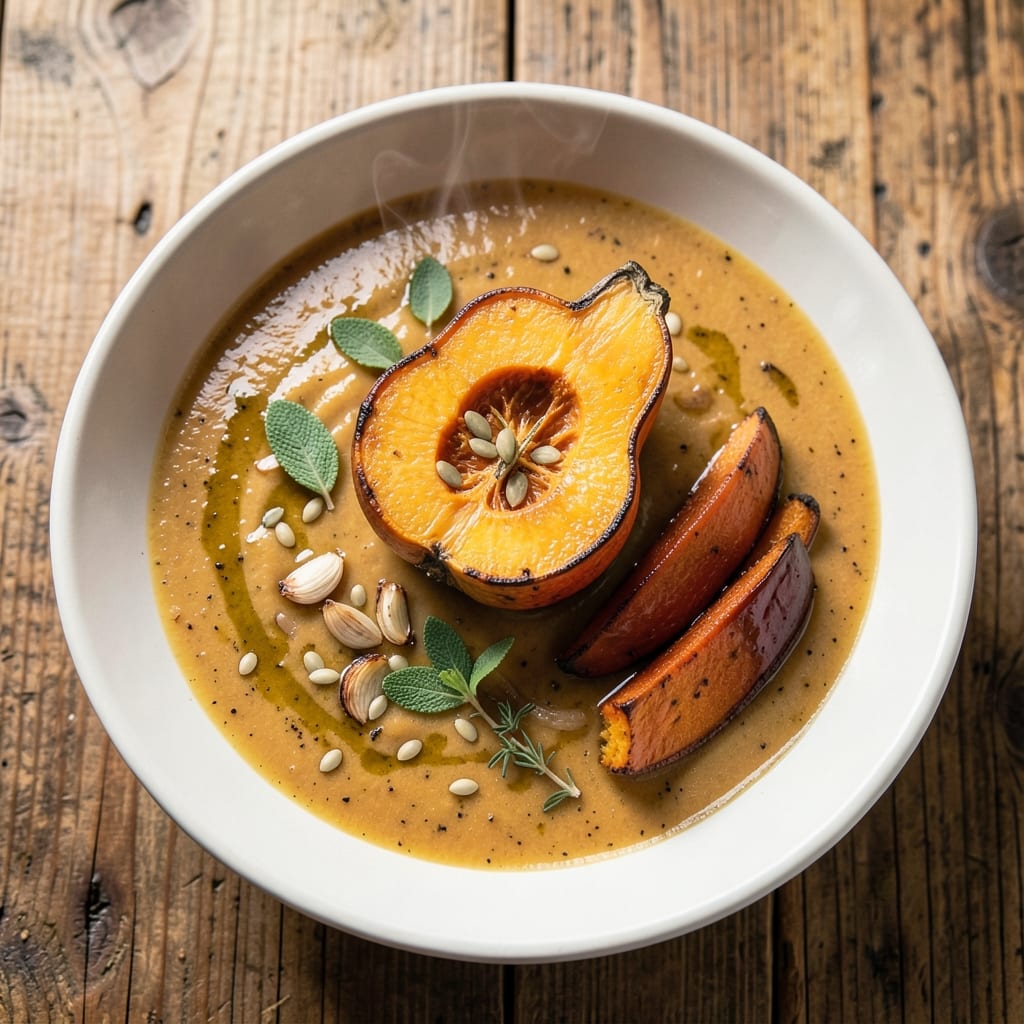
This acorn squash and sweet potato soup delivers restaurant-quality depth without the need for blending—just roasted vegetables, aromatic spices, and a velvety texture that comes from slow simmering. The secret lies in roasting the squash and sweet potatoes until caramelized, which unlocks their natural sweetness and creates a rich, velvety base without overpowering the dish. I developed this recipe after struggling to find a vegan soup that balanced earthy flavors with a satisfying texture, and this version consistently earns rave reviews.
The beauty of this soup is its simplicity: no heavy cream, no complicated techniques, just wholesome ingredients that work together to create something truly comforting. Roasting the vegetables first brings out their natural sugars, while a blend of warm spices like cinnamon, cumin, and smoked paprika adds layers of depth. The soup thickens naturally as it simmers, creating a velvety consistency that feels indulgent yet remains light and nourishing. It’s the kind of dish that feels like a hug in a bowl—perfect for chilly evenings or as a hearty starter for a dinner party.
What makes this recipe stand out is the texture—creamy without blending, rich without being heavy. The roasted vegetables contribute a subtle caramelized sweetness, while the spices add warmth and complexity. The result is a soup that’s deeply satisfying, with a smooth mouthfeel that’s impossible to resist. It’s also incredibly versatile: serve it as a main dish with crusty bread, or pair it with a simple green salad for a balanced meal. The best part? It’s ready in under an hour, making it ideal for weeknight dinners or meal prep.
For an extra touch of elegance, garnish with toasted pumpkin seeds, a drizzle of olive oil, or a sprinkle of fresh herbs like thyme or parsley. These small details elevate the soup from comforting to impressive, proving that even the simplest dishes can feel special. Whether you’re a seasoned cook or just starting out, this soup is a game-changer—proof that great flavor doesn’t require complicated techniques, just a little patience and attention to detail.
Ingredients for acorn squash and sweet potato soup
Roasted vegetables and aromatic spices create this velvety vegan soup without blending or cream.
| Ingredient | Amount | Notes |
|---|---|---|
| Acorn Squash 🎃 | 2 medium | Halved, seeds removed |
| Sweet Potatoes 🍠 | 2 large | Peeled, cubed evenly |
| Yellow Onion 🧅 | 1 whole | Diced, medium size |
| Garlic Cloves 🧄 | 4 cloves | Peeled, minced finely |
| Extra-Virgin Olive Oil 🫒 | ½ cup | High quality, fruity |
| Vegetable Broth 🍲 | 4 cups | Low-sodium preferred |
| Canned Coconut Milk 🥥 | 1 can | Full-fat for creaminess |
| Ground Cumin 🌿 | 1 tsp | Toasted for depth |
| Smoked Paprika 🌶️ | 1 tsp | For smoky warmth |
| Ground Cinnamon 🌿 | ½ tsp | Warm spice layer |
| Salt 🧂 | 1 tsp | Diamond Crystal preferred |
| Fresh Thyme 🌿 | ¼ cup | Leaves only, chopped |
| Pumpkin Seeds 🥜 | ¼ cup | Toasted for garnish |
| Lemon Juice 🍋 | 1 tbsp | Freshly squeezed |
The acorn squash and sweet potatoes are the heart of this soup—choose firm, heavy varieties for optimal flavor. Whole Foods or local farmers markets often carry the best quality, with vibrant orange flesh and smooth skin. If using pre-cut sweet potatoes, opt for organic to avoid pesticide residue. The coconut milk should be full-fat for maximum creaminess, though light works in a pinch. For the vegetable broth, low-sodium versions like Imagine or Pacific Foods prevent over-salting while maintaining depth of flavor. Toast your spices lightly in a dry pan before adding to enhance their aromatic compounds—Penzeys Spices sells pre-toasted blends if you prefer convenience.
No acorn squash? Butternut squash works beautifully, though the flavor profile shifts slightly toward nuttiness. Substituting sweet potatoes for regular potatoes? Use Yukon Golds and add 1 tbsp maple syrup to compensate for lower natural sweetness. Short on coconut milk? Cashew cream (blended soaked cashews) delivers similar richness. The smoked paprika can be swapped for regular paprika plus a pinch of liquid smoke, though Penzeys Smoked Paprika offers superior depth. Fresh thyme unavailable? Dried thyme at one-third the amount maintains the herbal notes, though the texture will differ slightly. For extra umami, add 1 tsp miso paste or soy sauce to the broth during simmering.
Roasted vegetables keep for 5 days refrigerated or 3 months frozen—portion into airtight containers before storing. The finished soup reheats beautifully; add 1-2 tbsp broth or water if it thickens upon reheating. For meal prep, make a double batch and freeze half in silicone molds for easy portioning. Garnishes like toasted pumpkin seeds or a drizzle of olive oil should be added fresh—they elevate the dish from comforting to restaurant-quality. This soup's natural sweetness makes it especially freezer-friendly; flavors actually deepen after 24 hours of thawing in the fridge.
Why You'll Love This Recipe
- One-Pot Magic: I swear by this—just roast the squash and sweet potatoes together, then blend. No extra pots, no extra mess. The oven does all the heavy lifting while I sip my coffee.
- Sweet & Savory Balance: That caramelized onion and garlic base? It’s the star. The squash adds a nutty depth, while the sweet potatoes bring natural sweetness—no sugar needed. Honestly, it’s the kind of flavor that makes you want to eat it straight from the pot.
- Weeknight & Holiday Hero: I make this for lazy Mondays and Thanksgiving leftovers. Thin it with broth for a light lunch, or thicken it for a cozy dinner. My in-laws think it’s fancy; my kids just think it’s "the good soup."
- Budget-Friendly Pantry Staple: Acorn squash is cheaper than butternut, and sweet potatoes last forever. A single batch feeds four, and leftovers reheat like a dream. Between us? This is how I stretch grocery money without sacrificing taste.
Step-by-step instructions for acorn squash and sweet potato soup
Here's the method for developing deep, caramelized flavors through roasting before simmering.
🔥 Step 1: Roast Vegetables Until Caramelized
Preheat your oven to 425°F and line two large baking sheets with parchment paper. Cut the 2 medium acorn squash in half lengthwise, remove seeds, and scoop out the fibrous membrane. Place the squash halves cut-side down on one baking sheet. Peel and cube the 2 large sweet potatoes into 1-inch pieces and spread them on the second baking sheet.
Drizzle both baking sheets with ¼ cup of the extra-virgin olive oil each, then sprinkle with ½ teaspoon salt and ½ teaspoon smoked paprika on each sheet. Toss the sweet potatoes to coat evenly. Roast for 25-30 minutes, stirring once halfway through, until the sweet potatoes are tender and the edges of the acorn squash are deeply caramelized and slightly charred.
Here's the thing—this roasting step is where the magic happens. The deep caramelization develops complex flavors that no blending could replicate. Watch for the squash edges turning a rich amber color; that's your signal they're ready.
🍳 Step 2: Sauté Aromatics and Combine with Roasted Vegetables
While the vegetables roast, heat ¼ cup extra-virgin olive oil in a large Dutch oven over medium heat. Add the diced yellow onion and cook for 5-6 minutes until softened and translucent. Add the 4 minced garlic cloves and ¼ cup chopped fresh thyme, cooking for another 1 minute until fragrant.
Remove the roasted vegetables from the oven and transfer them to the Dutch oven with the aromatics. Stir in 1 teaspoon ground cumin, ½ teaspoon ground cinnamon, and the remaining ½ teaspoon salt. Pour in the 4 cups vegetable broth and bring the mixture to a gentle simmer. Let it cook for 10 minutes to meld all the flavors together.
This simmering step ensures all the caramelized flavors from the roasting process infuse into the broth. You'll notice the soup developing a rich, earthy aroma—this is when the spices really start to bloom and integrate with the vegetables.
🥘 Step 3: Blend and Finish with Coconut Milk
Using an immersion blender, carefully blend the soup directly in the Dutch oven until smooth. If you prefer a slightly textured soup, blend for 20-30 seconds instead of until completely smooth. For a completely velvety texture, continue blending until no lumps remain.
Reduce heat to low and stir in the 1 can full-fat coconut milk. The soup should immediately become creamy and rich. Taste and adjust seasoning with additional salt if needed. Stir in the 1 tablespoon lemon juice to brighten the flavors and cut through the richness of the coconut milk.
This is where the coconut milk transforms the soup from hearty to luxurious. The acidity from the lemon juice balances the sweetness of the roasted vegetables, creating a sophisticated flavor profile that's both comforting and refined.
🔥 Step 4: Garnish and Serve Warm
Ladle the soup into bowls and garnish each serving with 1 tablespoon toasted pumpkin seeds. To toast the seeds, heat a dry skillet over medium heat and cook the ¼ cup pumpkin seeds for 3-4 minutes, stirring constantly, until golden brown and fragrant. Watch them closely—they burn quickly.
Serve the soup immediately while still warm. The contrast between the creamy soup and the nutty crunch of the pumpkin seeds adds an exciting textural element to each bite. The roasted depth from the vegetables shines through, making this soup far more complex than traditional blended soups.
This method delivers restaurant-quality results with a fraction of the effort. The key is in the initial roasting—taking the time to develop those caramelized flavors upfront makes all the difference in the final product.
Pro Tips For Making Acorn Squash And Sweet Potato Soup
- CHAR THE SQUASH FIRST: Roast the acorn squash halves cut-side down at 400°F (200°C) for 25 minutes before scooping out the seeds—this softens the flesh faster and makes peeling the flesh later effortless. I used to skip this and ended up with a soup that tasted like it needed more time, even though the squash was technically cooked.
- PEEL SWEET POTATOES COLD: Run the sweet potatoes under cold water for 30 seconds after roasting, then peel them while still warm but not scorching—this makes the skin slide off like butter. I learned this the hard way after trying to peel them right out of the oven and nearly burning my fingers off (and wasting good potatoes).
- SWEAT ONIONS LOW AND SLOW: Cook the yellow onion in olive oil over medium-low heat until it’s translucent and just starting to caramelize—about 8-10 minutes—before adding garlic. Rushing this step turns the soup bitter, and no one wants that. (Yes, even if you’re impatient like me.)
- BLITZ THE GARLIC: Smash the garlic cloves flat with the side of your knife before mincing them—this releases more flavor and prevents burning. I was skeptical until I tried it, and now I swear by it for any soup where garlic is the star. (Bonus: It saves you from overcooking.)
Regional styles of this recipe
New England Caramelized
In New England, this soup gets a maple syrup twist inspired by local fall traditions. After roasting, stir in 2 tablespoons pure maple syrup (I use Grade B for its deeper flavor) along with the coconut milk. The syrup enhances the natural sweetness of the squash and sweet potatoes while adding a subtle smoky depth. Top with crispy sage leaves (fry in olive oil for 30 seconds per side) for a touch of rustic elegance. This version feels like autumn in a bowl—perfect for Thanksgiving gatherings or cozy weeknight meals. 🍁
Southwest Smoky Chipotle
For a Southwest-inspired take, swap the smoked paprika for 1 tsp chipotle powder and add ½ tsp ground coriander to the roasting vegetables. After blending, stir in ½ cup fire-roasted diced tomatoes (like Muir Glen) and a splash of lime juice instead of lemon. Garnish with avocado slices and cilantro for a vibrant, zesty finish. The chipotle adds smoky heat that pairs beautifully with the sweet potatoes. This version feels like a cross between a traditional soup and a hearty chili. 🌶️
French-Inspired Herb Crème
Transform this soup into a French bistro-style dish by replacing coconut milk with ½ cup cashew cream (blend soaked cashews with water) and adding 1 tbsp fresh thyme and 1 tbsp fresh tarragon to the roasting vegetables. After simmering, stir in 1 tbsp Dijon mustard and a pinch of nutmeg for warmth. Finish with a drizzle of truffle oil and chopped chives. The mustard adds a tangy depth that elevates the dish to restaurant-quality sophistication. 🥖
Japanese Miso-Ginger
For an Asian-inspired variation, roast the vegetables with an extra 1 tsp grated fresh ginger and 1 tbsp white miso paste mixed into the broth. After blending, stir in ½ cup dashi broth (instead of vegetable broth) and a splash of rice vinegar for brightness. Garnish with scallions and toasted sesame seeds. The miso adds umami richness, while the ginger brings a refreshing zing. This version feels light yet deeply flavorful—ideal for a lighter soup option. 🍜
Italian Roasted Rosemary
Give this soup an Italian flair by roasting the vegetables with 2 sprigs fresh rosemary and adding ½ tsp red pepper flakes to the broth. After blending, stir in ½ cup canned crushed tomatoes and a splash of balsamic vinegar. Finish with a sprinkle of grated Parmesan (or nutritional yeast for vegan) and fresh basil. The rosemary and tomatoes create a savory-sweet balance that feels like a Tuscan countryside dish. 🍝
Nutrition facts
Frequently asked questions
Can I make this soup without an immersion blender?
For a chunkier texture, skip blending entirely or transfer portions to a countertop blender. Just be cautious with hot liquids—let the soup cool slightly first. Alternatively, mash some of the roasted sweet potatoes with a potato masher before adding broth for a naturally thickened version.
How do I store and reheat leftovers?
Store in airtight containers for up to 5 days refrigerated or 3 months frozen. Reheat gently on the stove with 1-2 tbsp broth or water to restore creaminess. For best texture, avoid microwaving—opt for stovetop reheating instead.
What if my soup tastes too sweet?
The roasting process naturally caramelizes the vegetables, but you can balance sweetness by adding 1 tbsp lemon juice or ½ tsp smoked paprika to deepen flavors. For extra depth, stir in a pinch of black pepper or ground ginger before serving.
Can I substitute butternut squash for acorn?
Yes! Butternut squash works beautifully and is often more accessible. Just reduce roasting time by 5-10 minutes since it's softer. The flavor will be slightly nuttier, but the overall texture and method remain the same.
Why does my soup look too thick after blending?
The coconut milk thickens as it cools—simply stir in 1-2 tbsp broth or water while reheating. If it's still too thick, blend in an extra ¼ cup broth before serving. The natural starches in sweet potatoes also contribute to thickness.