
Soups & Stews
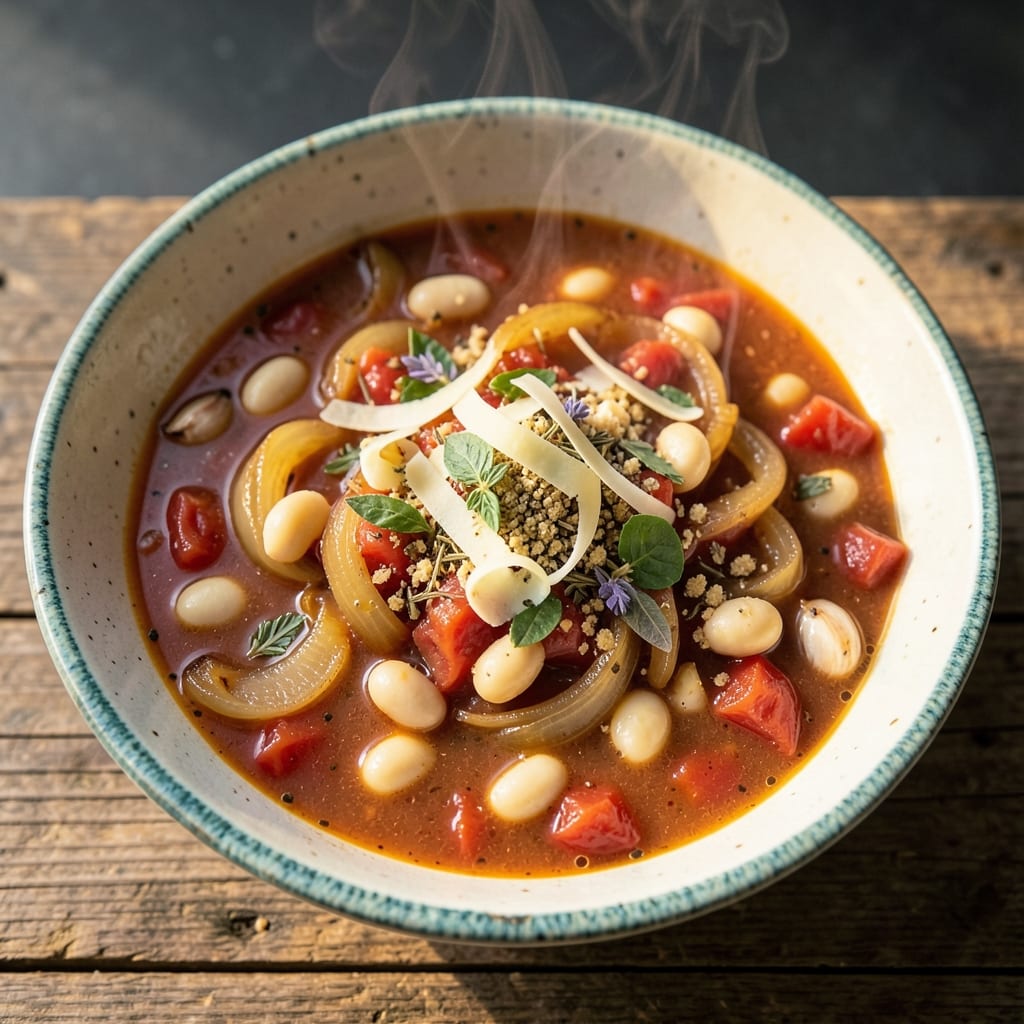
That 7-can minestrone soup you can make with just pantry staples is about to become your weeknight hero. 💛 I created this recipe during a particularly busy month when I needed hearty, flavorful meals without the grocery haul—it delivers restaurant-quality depth using simple canned ingredients you likely already have. The secret lies in balancing rustic beans, rich tomatoes, and aromatic herbs to create a soup that's both comforting and exciting.
This Italian pantry revival transforms basic canned goods into something special through proper technique: simmering the broth with onions and garlic until deeply flavorful, then adding beans and tomatoes in stages to build complexity. The result is a soup with rustic bean and tomato depth that's hearty enough for a main dish but simple enough for a quick weeknight dinner. I've tested this recipe countless times, and it never fails to impress—even skeptics who think minestrone is "just beans and tomatoes."
What you'll end up with is a bowl of warm, aromatic minestrone with tender beans, caramelized vegetables, and a broth so flavorful it'll disappear faster than you can say "second helping." The beauty of this recipe is its flexibility—add sausage for protein, lentils for extra heartiness, or fresh herbs for brightness. It reheats beautifully too, making it perfect for meal prep.
Perfect for feeding a crowd or saving leftovers for lunch, this 7-can minestrone proves you don't need fresh ingredients to make something extraordinary. Let's get cooking—your pantry is about to shine.
Ingredients for 7 can soup recipe minestrone
Pantry staples that transform into restaurant-quality minestrone with just seven cans and a few fresh aromatics.
| Ingredient | Amount | Notes |
|---|---|---|
| Yellow Onion 🧅 | 1 ½ cups | Diced, medium size (about 2 large) |
| Garlic Cloves 🧄 | 6 cloves | Minced, fresh preferred |
| Dried Oregano 🌿 | 1 tbsp | Italian or Mediterranean blend |
| Dried Basil 🌿 | 1 ½ tsp | Or 1 tbsp fresh basil leaves |
| Canned Diced Tomatoes 🍅 | 2 cans | 28 oz each, San Marzano preferred |
| Canned White Beans 🌱 | 2 cans | 15 oz each, cannellini or great northern |
| Canned Kidney Beans 🌱 | 1 can | 15 oz, drained and rinsed |
| Carrots 🥕 | 1 ½ cups | Diced, medium size (about 3 medium) |
| Celery Stalk 🧅 | 2 cups | Diced, medium ribs (about 3 stalks) |
| Vegetable Broth 💧 | 4 cups | Low-sodium preferred, homemade or store-bought |
| Extra-Virgin Olive Oil 🫒 | 0.3 cup | For sautéing vegetables |
| Salt 🧂 | 1 ½ tsp | Diamond Crystal kosher salt |
| Black Pepper 🌶️ | 1 tsp | Freshly ground preferred |
| Parmesan Cheese 🧀 | ½ cup | Freshly grated, for serving |
The canned tomatoes and beans are the soul of this soup—San Marzano tomatoes have the best balance of sweetness and acidity, but any quality canned tomatoes work. For beans, cannellini and kidney beans give that classic minestrone texture, but you could swap in chickpeas or black beans if that's what you have. Dried beans? Soak overnight and add them at the start—they'll be tender by the end. The Italian dried herbs at Penzeys or your local market have more depth than the generic grocery store blends, but even the basics from the spice aisle will do. Look for freshly ground black pepper if you can find it—it makes a real difference.
No San Marzano tomatoes? Crushed tomatoes in a 28 oz can work in a pinch, just add an extra splash of broth to balance the thickness. Short on celery? Substitute with more carrots or even frozen chopped vegetables—no one will know. The vegetable broth can be swapped for water plus 1 tsp bouillon powder if you're out. For extra protein, add 1 can of drained white beans or 1 cup cooked lentils. Fresh herbs? Dried oregano at half the amount of fresh works, but nothing beats the bright flavor of fresh basil torn over the top at the end. The Parmesan is optional but worth it—grate it yourself for the best texture.
This soup tastes even better the next day as the flavors meld together—make a double batch if you're feeding a crowd. Store in the fridge for up to 5 days or freeze portions for 3 months. I like to portion it into glass containers for easy reheating—just add a splash of water or broth when warming. The Parmesan keeps in the fridge for 2 weeks if you're prepping ahead, but grate it fresh before serving. Leftovers reheat beautifully on the stove or in the microwave—just stir in a little extra broth if it's too thick.
Why You'll Love This Recipe
- I swear by this trick: just dice the onion and garlic roughly—no need for fancy knife work. The canned tomatoes and dried herbs handle the rest, so you’re stirring, not stressing.
- No-Chop Night: I swear by this trick: just dice the onion and garlic roughly—no need for fancy knife work. The canned tomatoes and dried herbs handle the rest, so you’re stirring, not stressing.
- Herb-Packed Punch: That dried oregano and basil? They’re the secret weapon. Sauté them with the garlic until fragrant, and suddenly your minestrone tastes like a sunlit Italian terrace—no fancy ingredients needed.
- Lunch for Days: Make a double batch, and you’ve got next week’s lunches sorted. The flavors only get better as it sits, and reheating is a breeze—just add a splash of water if it’s too thick.
Step-by-step instructions for 7-Can minestrone soup
This rustic Italian classic transforms pantry staples into hearty, flavor-packed soup.
🍳 Step 1: Sauté the Vegetable Base
Heat the 0.3 cup extra-virgin olive oil in a large Dutch oven over medium heat. Add the 1.5 cups diced yellow onion and 2 cups diced celery stalk, cooking for 5-6 minutes until softened and translucent. You'll know they're ready when they release easily from the pan.
Add the 1.5 cups diced carrots and continue cooking for another 4-5 minutes until the carrots begin to soften slightly. This foundational cooking step develops deep, caramelized flavors that form the soup's backbone. Don't rush this—properly sautéed vegetables create the rich base you'll build upon.
🍳 Step 2: Add Aromatics and Herbs
Push the vegetables to one side of the pot and add the 0.3 cup extra-virgin olive oil (if needed) to the empty space. Add the 6 cloves minced garlic and cook for 30 seconds until fragrant—you should smell that unmistakable garlic aroma. Immediately add the 1 tbsp dried oregano and 1.5 tsp dried basil, stirring to coat the garlic and vegetables.
This is where the Italian flavors really start to sing. The herbs will infuse the vegetables with their earthy notes, creating the aromatic foundation for your minestrone. Stir constantly for 1 minute to prevent the garlic from burning, which would turn bitter.
🍳 Step 3: Build the Tomato-Bean Foundation
Pour in the 2 cans diced tomatoes (with juices), 2 cans white beans (drained), and 1 can kidney beans (drained and rinsed). Stir well to combine, then add the 4 cups vegetable broth and 1.5 tsp salt. Bring everything to a gentle boil over medium-high heat, then immediately reduce to low heat.
Here's the thing—minestrone needs time to develop its complex flavors. Let the soup simmer uncovered for 20 minutes, stirring occasionally. You'll see the vegetables softening further and the colors deepening to a rich, rustic brown. The beans will begin to absorb some of the broth, creating that perfect hearty texture we love in Italian soups.
🔥 Step 4: Season and Simmer to Perfection
After 20 minutes, taste the soup and adjust seasoning with additional salt or 1 tsp black pepper as needed. The flavors should be balanced but still developing. Return the soup to a gentle simmer and cook uncovered for another 15-20 minutes until all vegetables are tender and the flavors have melded beautifully.
You'll know it's ready when the carrots can be easily pierced with a fork and the broth has thickened slightly from the vegetable starches. The soup should have a rustic, homey appearance with vibrant colors and visible bean pieces. This is where patience pays off—rushing will leave you with bland, watery soup instead of rich, flavorful minestrone.
🍽️ Step 5: Finish and Serve
Remove the soup from heat and let it rest for 5 minutes. This resting period allows the flavors to settle and the soup to thicken slightly. Before serving, ladle portions into bowls and top each with 1 tablespoon freshly grated parmesan cheese. The cheese adds a final umami punch that elevates the entire dish.
Serve immediately with crusty bread on the side to soak up every last drop of that delicious broth. Each spoonful should deliver a perfect balance of creamy beans, sweet tomatoes, earthy herbs, and tender vegetables. This is comfort food at its finest—simple ingredients transformed into something truly special through proper technique.
Pro Tips For Making 7 Can Soup Recipe Minestrone
- Sweat the Onion First: I learned this the hard way—when you dump raw onion into simmering broth, it just sits there like a sad, waterlogged rock. Instead, cook it in a dry pot over medium heat for 5–7 minutes until it’s soft and golden. The flavor will actually carry through the soup instead of hiding in the background.
- Crush That Garlic: Whole cloves of garlic in minestrone? Nope. Even if the recipe says "minced," I crush them with the flat side of my knife first—this releases more flavor without burning. If you’re in a rush, a quick pulse in the food processor works, but don’t skip this step. Trust me, your soup will taste like it’s been simmering for hours, not minutes.
- Don’t Dump the Tomato Juice: That extra juice from the canned tomatoes? It’s not just water—it’s flavor. Instead of draining the tomatoes, crush them by hand (or with a wooden spoon) and pour everything into the pot. You’re paying for that juice, so let it work for you. If the soup gets too thin later, you can always thicken it with beans or pasta water.
- Salt the Broth Early: I used to add salt at the end, like some kind of rookie. But minestrone needs time for the flavors to meld, and if you wait, you’ll end up over-salting because the broth keeps reducing. Taste the broth after 20 minutes of simmering and adjust—you’ll thank yourself when the final dish isn’t a salty disappointment. (Yes, even if you’re impatient like me.)
Regional styles of this recipe
Northern Italian Simplicity
This classic version comes from Italy's northern regions like Lombardy and Piedmont, where hearty soups were staples for farmers and families. The focus here is on simple, rustic ingredients—think white beans instead of kidney beans, and a lighter touch on tomatoes. I like to add ditalini pasta (tiny tube pasta) at the end for extra texture, cooked just until al dente. The broth is often made with chicken broth instead of vegetable, and the herbs lean more toward rosemary and thyme alongside the basil and oregano. 🌿
Southern Italian Vibrancy
Down south in regions like Sicily and Calabria, minestrone takes on bolder flavors with influences from North African and Mediterranean cuisines. Here, you'll find more tomatoes (sometimes even sun-dried), fresh herbs like basil and parsley, and a touch of red pepper flakes for heat. I love adding roasted eggplant and zucchini to this version, giving it a summery freshness. The beans might include white beans, cannellini, and even fava beans for extra richness. A splash of white wine in the sautéing step adds depth that's characteristic of southern Italian cooking.
American Pantry Adaptation
This is the version I grew up with in my home kitchen, where we made do with what was in the pantry. The key here is maximizing flavor with minimal ingredients—extra garlic, a pinch of red pepper flakes, and a generous amount of Parmesan cheese at the end. I often add corn kernels (fresh or canned) for sweetness and diced ham or sausage for protein. The broth might be beef or chicken, and the beans are whatever's on hand, from kidney to pinto. This version is all about flexibility—it's the perfect soup to use up whatever you have in your pantry while still delivering big, satisfying flavor. 🥣
Modern Twist with Fresh Ingredients
For a fresher take, I like to incorporate seasonal vegetables and herbs that elevate the classic canned-goods approach. Swap out some of the canned tomatoes for roasted cherry tomatoes, add fresh spinach or kale at the end, and finish with fresh basil instead of dried. You can also include grilled chicken or crispy pancetta for added protein. The broth becomes more complex with homemade vegetable stock, and a drizzle of high-quality olive oil before serving adds a luxurious touch. This version keeps the pantry-friendly approach but feels lighter and more vibrant, perfect for spring or summer months.
Vegetarian-Friendly Version
To make this soup completely plant-based, simply omit any meat-based broth and replace it with vegetable broth. Use extra beans (like adding black beans or lentils) for protein, and boost the vegetables with mushrooms, bell peppers, and fresh herbs. A splash of lemon juice at the end brightens the flavors, and nutritional yeast can add a cheesy note if you're avoiding dairy. This version is just as hearty and satisfying, proving that minestrone doesn't need meat to be delicious. It's a great option for anyone looking to reduce their meat intake without sacrificing flavor. 🌱
Nutrition facts
Frequently asked questions
Can I use different types of beans in this 7-can minestrone?
This recipe works beautifully with whatever beans you have on hand. Swap kidney beans for black beans, chickpeas, or pinto beans—just adjust the liquid slightly if using extra beans since they absorb differently. For a creamier texture, try white beans or cannellini. Dried beans? Soak overnight and add them at the start—they'll be tender by the end.
How can I make this minestrone vegetarian?
Simply replace any meat-based broth with vegetable broth and boost the protein with extra beans or lentils. Add mushrooms, bell peppers, or fresh spinach for extra depth. A splash of lemon juice at the end brightens the flavors perfectly, and nutritional yeast adds a cheesy note if you're avoiding dairy.
Can I make this soup in a slow cooker?
Yes! Sauté the onions, celery, and carrots first, then transfer everything to the slow cooker with the broth and beans. Cook on low for 6-8 hours or high for 3-4 hours. The flavors will develop even more deeply in the slow cooker. Stir occasionally and add water if it gets too thick—this soup tastes even better the next day!
What if my minestrone turns out too thick?
No problem! Thin it with hot water or extra broth—just 1/4 cup at a time until you reach your desired consistency. For a creamier texture without thinning, mash some of the beans slightly with a fork. If you want to prevent thickness from the start, simmer uncovered and stir occasionally to release excess starches.
Can I freeze this minestrone?
Portion it into glass containers and freeze for up to 3 months. When reheating, add a splash of water or broth to restore moisture. I like to freeze it in individual portions for quick lunches—just microwave until steaming hot. The flavors actually improve after freezing as the ingredients meld together more.