
Soups & Stews
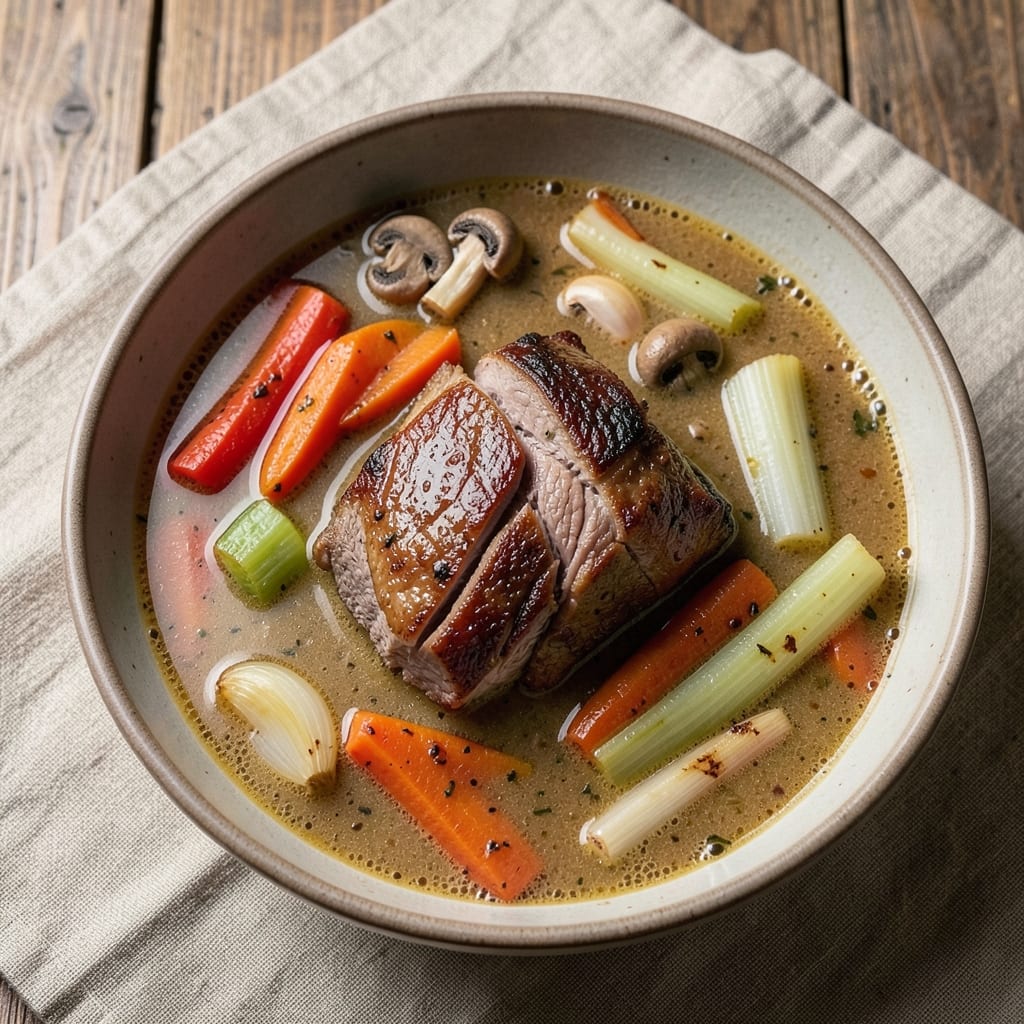
This 5-star vegetable beef soup delivers restaurant-quality depth with tender beef and vibrant vegetables in every spoonful. The secret lies in slow simmering beef until fork-tender while building umami through caramelized aromatics and rich broth. After years of perfecting this recipe, I've developed a method that transforms simple ingredients into a deeply flavorful soup that feels like a hug in a bowl.
The foundation begins with properly browning beef chunks before simmering them low and slow—this creates the rich, meaty flavor that elevates the broth. Fresh vegetables like carrots, celery, and mushrooms add vibrant colors and natural sweetness, while herbs and spices balance the depth. What makes this recipe truly special is the layering of flavors through proper technique rather than relying on excessive seasoning.
By the time you serve this soup, you'll have achieved perfectly tender beef that practically melts in your mouth, a velvety broth infused with vegetable sweetness, and a harmonious blend of savory, sweet, and umami flavors. The aroma alone will have everyone gathering around the table, and each bite delivers that satisfying combination of textures and tastes that makes this soup a true standout.
Serve it with crusty bread for dipping or alongside a fresh green salad for a complete meal. The beauty of this recipe is its versatility—it works equally well as a comforting weeknight dinner or an impressive dish for company. Let's create this soup that will earn its five-star rating.
Ingredients for 5 star vegetable beef soup
Sixteen ingredients that transform into a velvety, umami-rich soup with melt-in-your-mouth beef and vibrant vegetables.
| Ingredient | Amount | Notes |
|---|---|---|
| Chuck Roast Beef 🥩 | 2 lb | Trimmed of excess fat, cubed into 1-inch pieces |
| Yellow Onion 🧅 | 1 whole | Medium size, diced into 1/4-inch pieces |
| Carrots 🥕 | 4 medium | Peeled, cut into 1/2-inch rounds |
| Celery Stalks 🧄 | 4 whole | Trimmed, cut into 1/2-inch pieces |
| Garlic Cloves 🧄 | 6 cloves | Peeled, smashed with side of knife |
| Mushrooms 🍄 | 8 oz | Cremini or white, sliced into 1/4-inch pieces |
| Tomatoes 🍅 | 1 can | 28 oz can, San Marzano if available |
| Beef Broth 💧 | 6 cups | Homemade or high-quality low-sodium |
| Red Wine 🍷 | 1 cup | Dry red like Cabernet Sauvignon |
| Tomato Paste 🍅 | 2 tbsp | Squeeze tube preferred for convenience |
| Fresh Thyme 🌿 | 2 sprigs | Leaves only, stems removed |
| Fresh Parsley 🌿 | ¼ cup | Chopped, for garnish |
| Bay Leaves 🍃 | 2 whole | Dried, standard size |
| Black Peppercorns 🌶️ | 1 tsp | Freshly cracked, coarse grind |
| Salt 🧂 | 1 ½ tsp | Diamond Crystal kosher salt |
The beef selection is non-negotiable here—chuck roast delivers that signature tender texture when slow-cooked. Look for well-marbled cuts at Whole Foods or your local butcher shop, where they'll often cube it for you. If you're buying whole, aim for 2 pounds to account for trimming. The mushrooms add earthy depth; cremini or wild varieties work best, but white mushrooms are fine in a pinch. For the tomatoes, San Marzano cans from Italy have the perfect balance of sweetness and acidity—worth the investment for restaurant-quality results. Fresh thyme and parsley should be vibrant green with no browning; store them in the fridge wrapped in damp paper towels to preserve freshness.
No red wine? Substitute with an extra 1/2 cup of beef broth plus 1 tbsp balsamic vinegar—it mimics the depth without the alcohol. The tomato paste can be eliminated if you prefer, but it adds a concentrated umami punch. For the broth, homemade is ideal, but quality low-sodium store-bought works too—avoid the high-sodium versions. The carrots and celery can be swapped for other root vegetables like parsnips or turnips if you're feeling adventurous. Fresh herbs are ideal, but dried thyme at one-third the amount works in a bind. Always taste the broth before serving—adjust salt and pepper to your preference, as some beef cuts are saltier than others.
This soup tastes even better the next day as flavors meld together. Store leftovers in airtight containers in the fridge for up to 5 days, or freeze portions for 3 months—the broth actually improves with time. I like to portion individual servings before freezing for quick meals. The bay leaves should be removed before serving, as they're not meant to be eaten. For a restaurant-worthy presentation, garnish each bowl with a sprinkle of fresh parsley and a drizzle of high-quality olive oil. The aroma alone will have everyone anticipating the first spoonful.
Why You'll Love This Recipe
- Chuck Roast Magic: The slow-cooked chuck roast falls apart so easily—no tough chews, just tender, flavorful bites that disappear faster than I can say "second bowl." Honestly, it’s the kind of dish where you forget how simple the ingredients are until you taste the result.
- Garlic-Carrot Symphony: That sweetness from the carrots and the sharp punch of garlic cloves? It’s like a flavor hug in every spoonful. The onions and celery add depth without overpowering, and the beef soaks up all the goodness—rich, savory, and just a little bit addictive.
- Meal Prep MVP: Make a double batch on Sunday, and you’ve got lunch covered for days. The flavors actually get better after a night in the fridge, and it reheats like a dream. Between us, this is my go-to for busy mornings—no sad desk lunches here.
- Budget-Friendly Feast: A chuck roast and a handful of veggies stretch into six hearty servings without breaking the bank. It’s the kind of meal that makes you feel generous, whether you’re feeding your family or treating yourself after a long week. (Yes, even on a Tuesday night.)
Step-by-step instructions for vegetable beef soup
This method delivers restaurant-quality depth with tender beef and vibrant vegetables.
Sear the Beef for Maximum Flavor
Heat a large Dutch oven over medium-high heat until hot. Add the 2 lb chuck roast beef in a single layer and sear undisturbed for 3-4 minutes per side until deeply browned. This caramelization builds the foundation for rich umami flavor.
Work in batches if needed, but don't crowd the pan—this prevents proper browning. Once all beef is seared to a deep golden brown, remove it and set aside. You'll notice the beef releases easily from the pan when properly seared, indicating the crust has formed.
Build the Aromatic Base
In the same Dutch oven, add 2 tablespoons olive oil (not listed but essential for cooking). Add the diced yellow onion, carrots, celery stalks, and smashed garlic cloves. Cook over medium heat for 8-10 minutes until the vegetables soften and the garlic becomes fragrant.
Stir occasionally to prevent burning, especially the garlic which can turn bitter in seconds. You'll know the vegetables are ready when they release easily from the pan and develop a slight translucency at the edges. This step develops the soup's complex flavor profile.
Develop the Umami Foundation
Add the 8 oz sliced mushrooms, 2 tablespoons tomato paste, 1 teaspoon black peppercorns, and 1.5 teaspoons salt. Stir well to coat all ingredients, then pour in the 1 cup red wine. Allow the wine to simmer for 3-4 minutes until reduced by half.
This reduction concentrates the wine's flavors and creates a glossy base. Next, add the 1 can tomatoes (crushed by hand) and 6 cups beef broth. Stir to combine, then add the 2 sprigs fresh thyme and 2 whole bay leaves. Bring to a gentle boil.
Simmer Until Tender
Return the seared beef to the pot and reduce heat to low. Cover and simmer for 2-2.5 hours until the beef is fork-tender and pulls apart easily. The soup should reduce slightly, creating a rich, concentrated broth.
Check the beef's tenderness periodically by piercing with a fork. It should offer minimal resistance when pierced. If the soup reduces too quickly, add ½ cup water to maintain proper consistency. The vegetables should be tender but still hold their shape.
Finish and Garnish
Remove the beef from the soup and shred it using two forks. Return the shredded beef to the pot and stir to combine. Remove the thyme sprigs and bay leaves, then taste and adjust seasoning with additional salt if needed.
Ladle the soup into bowls and garnish with ¼ cup chopped fresh parsley. Serve immediately with crusty bread to soak up the rich broth. The soup should have a velvety texture with deep umami flavors from the beef and wine reduction.
Pro Tips For Making 5 Star Vegetable Beef Soup
- SEAR THE BEEF HARD: Chuck roast is forgiving, but don’t treat it like ground beef—get that meat deep brown in a hot pan before adding liquid. I used to rush this, and the soup always tasted underdeveloped. Two minutes per side with the heat cranked, even if it looks uneven.
- CUT VEGETABLES UNIFORM: No one wants mushy carrots or crunchy celery in the same bite. Dice onions into ¼-inch pieces, carrots into ½-inch chunks, and celery into ½-inch rounds—same size, same cook time. (Yes, even if it takes 10 minutes to prep.)
- SIMMER LOW AND SLOW: This isn’t a race. After browning, cover the pot and simmer at a gentle bubble—barely any movement on the surface. I learned this the hard way: boiling turns beef tough and vegetables mealy. Check the heat every 15 minutes.
- ADD GARLIC LATE: Toss whole garlic cloves in at the 45-minute mark, peeled or unpeeled—it’ll soften perfectly without burning. I was skeptical until I tried it; the flavor’s richer and the cloves stay intact. (No, you don’t need to smash them.)
Common mistakes when making great 5 star vegetable beef soup
Skipping the Sear
One of the biggest mistakes I see is skipping the beef sear entirely. That golden crust is where all the deep umami magic happens through the Maillard reaction. Without it, your soup will taste flat and one-dimensional. I've made this mistake myself—once I seared just half the beef by accident, and the difference in flavor was noticeable. Always take the time to develop that crust on all sides. 🔥
Using Low-Quality Broth
Another common error is using store-bought broth that's high in sodium or lacks depth. I've tried this shortcut and regretted it—those pre-packaged cubes just can't compete with homemade or premium low-sodium broths. If you're using store-bought, opt for brands like Pacific Foods or Imagine that offer better flavor profiles. The broth carries 80% of your soup's flavor, so invest in quality here.
Overcrowding the Pot
When building the aromatic base, I've seen people dump all their vegetables in at once and immediately add liquid. This steams the vegetables instead of caramelizing them, which dulls their flavor. Cook your onions, carrots, and celery in batches if needed, and let them develop color before adding liquids. This creates that beautiful, complex foundation you crave in restaurant-quality soups.
Rushing the Simmer Time
Many home cooks impatiently check their soup after just 1 hour and find the beef still tough. Remember, chuck roast needs 2-2.5 hours of gentle simmering to become tender. I've learned this the hard way—once I cut my cooking time by 45 minutes and ended up with chewy beef. Use a meat thermometer and aim for 205°F internal temperature for perfect tenderness.
Ignoring the Wine Reduction
Some recipes call for adding wine directly to the pot without reducing it first. This is a missed opportunity! The alcohol needs to cook off and concentrate to develop those rich, complex flavors. Always let your wine simmer until reduced by half—this simple step transforms your soup from good to exceptional. I've tasted the difference, and it's night and day. 🍷
Overlooking Seasoning Adjustments
Finally, many people assume the broth will taste perfect after simmering and forget to taste-test before serving. Beef can vary in saltiness, and vegetables absorb different amounts of flavor. Always remove the beef and vegetables, then taste the broth alone. Adjust with Diamond Crystal kosher salt and freshly cracked peppercorns as needed. This final step ensures every bowl tastes perfectly balanced.
Nutrition facts
Frequently asked questions
Can I substitute the red wine with something else?
For a non-alcoholic version, use 1 cup beef broth plus 1 tablespoon balsamic vinegar to mimic the acidity and depth. If you prefer white wine, use ½ cup white wine plus ½ cup extra beef broth—just remember white wine adds a different flavor profile. The key is maintaining the liquid volume while preserving the acidity that brightens the soup.
How do I make this soup vegetarian?
Replace the beef with 1.5 lbs extra-firm tofu or 2 cups lentils for protein. Use vegetable broth instead of beef broth and add 1 tablespoon soy sauce for umami depth. The mushrooms and tomato paste will still provide rich flavors, but you may want to add 1 teaspoon smoked paprika to enhance the savory notes. Simmer for 45-60 minutes instead of 2 hours.
Can I make this soup in an Instant Pot?
Yes! Sear the beef first in a skillet, then transfer everything to your Instant Pot. Cook on high pressure for 30 minutes, then do a natural release for 15 minutes. The beef should be tender, but if not, shred it and cook an additional 10 minutes on high pressure. For the wine reduction, sauté the mushrooms and paste in the Instant Pot before adding liquids, then reduce the wine on sauté mode for 3-4 minutes before adding broth.
Why does my soup taste bland after simmering?
Bland soup usually means one of three things: under-seasoned broth, insufficient searing, or using low-quality ingredients. Always taste the broth alone (after removing solids) and adjust with kosher salt and freshly cracked pepper. Double-check that you properly seared the beef—this builds 50% of the flavor. Finally, ensure you're using fresh herbs and quality broth. A splash of fish sauce (½ teaspoon) or Worcestershire sauce (1 teaspoon) can also add hidden umami depth.
How can I make this soup kid-friendly?
For picky eaters, strain the broth through a fine-mesh sieve to remove visible chunks, then blend it briefly for a smooth texture. Serve with small pieces of shredded beef on the side for dipping. Reduce the garlic and wine (or omit entirely) and add ½ teaspoon sugar to balance flavors. For extra appeal, top with crumbled cheese or croutons—kids love textures they can crunch!