
Soups & Stews
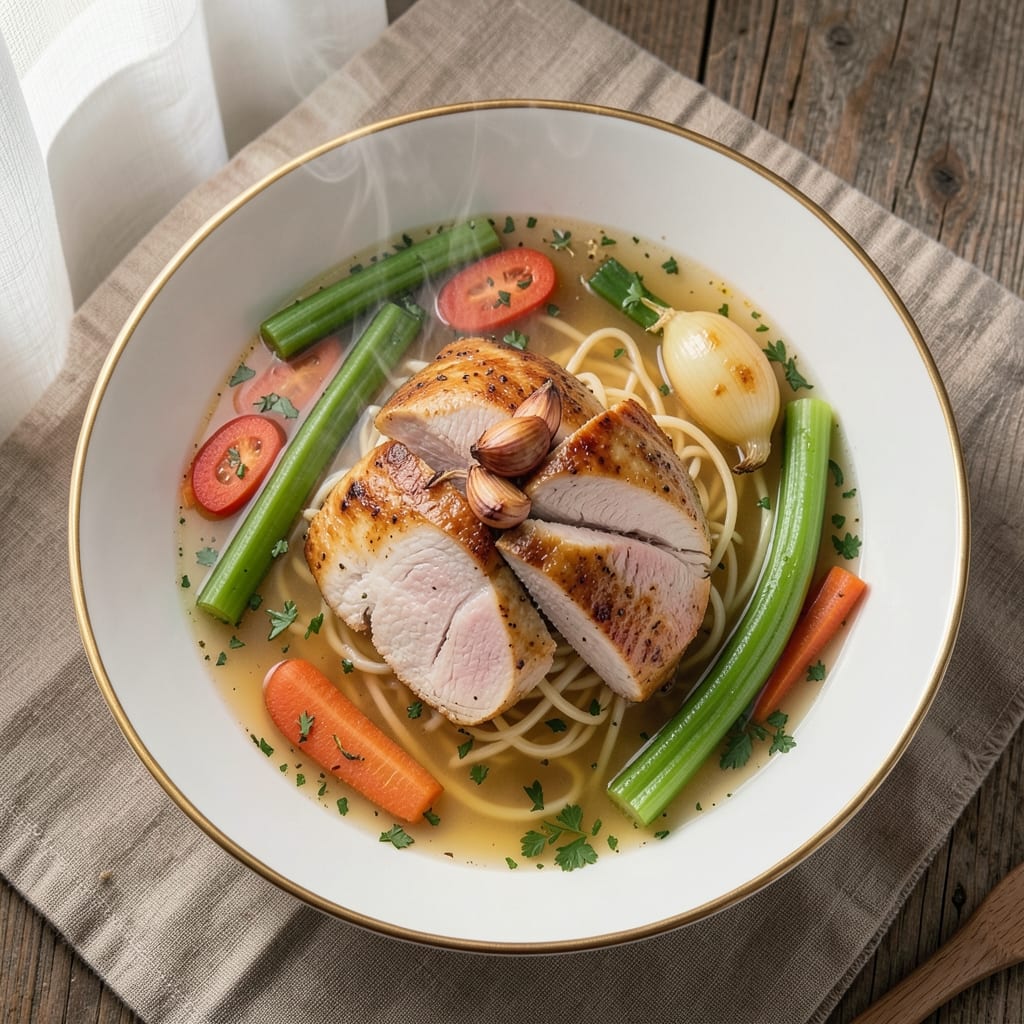
This 5-star chicken soup recipe transforms simple ingredients into a velvety, herb-infused masterpiece that soothes both body and soul. The secret lies in slow-simmered broth infused with aromatic herbs, tender chicken that practically melts in your mouth, and vegetables that retain their natural sweetness. I developed this recipe during a particularly rough winter when I needed something that felt like a warm embrace in a bowl.
The foundation begins with a rich, golden broth that forms the heart of every spoonful. We'll use a combination of chicken stock, fresh herbs, and a touch of citrus to brighten the flavors without overpowering them. The chicken is poached until fork-tender, ensuring it's juicy and infused with the surrounding aromatics. Meanwhile, the vegetables develop just enough texture to provide contrast against the silky broth.
What you'll end up with is a soup that's restaurant-quality in every sense—deeply flavorful, visually appealing, and comforting in a way that feels like a hug. The aroma alone will fill your kitchen with warmth, while the first spoonful delivers layers of savory, herbal, and slightly tangy notes that make it impossible to stop eating. This isn't just soup; it's a transformative experience that turns an ordinary day into something special.
The best part? This recipe scales beautifully for any occasion, from healing a sick day to celebrating a well-deserved break. We'll cover garnishing techniques that elevate the presentation, optional variations for dietary preferences, and tips to make it even more extraordinary. Let's create something truly memorable together.
Ingredients for 5 star chicken soup
Sixteen ingredients that transform into a velvety, aromatic embrace for any occasion.
| Ingredient | Amount | Notes |
|---|---|---|
| Chicken Breast 🍗 | 2 lb | Boneless, skinless, cut into even pieces |
| Chicken Stock 💧 | 6 cups | Homemade or high-quality store-bought |
| Carrots 🥕 | 4 medium | Peeled, cut into even rounds |
| Celery Stalks 🧅 | 4 whole | Trimmed, cut into 1-inch pieces |
| Yellow Onion 🧅 | 1 whole | Peeled, cut into 1-inch chunks |
| Garlic Cloves 🧄 | 6 cloves | Peeled, smashed lightly |
| Fresh Thyme Sprigs 🌿 | 4 whole | Stems removed for broth infusion |
| Fresh Parsley 🌿 | ½ cup | Chopped, for garnish |
| Fresh Dill 🌿 | ¼ cup | Chopped, for garnish |
| Lemon Juice 🍋 | 2 tbsp | Freshly squeezed |
| Olive Oil 🫒 | 2 tbsp | Extra-virgin for richness |
| Salt 🧂 | 1 ½ tsp | Diamond Crystal preferred |
| Black Peppercorns 🌶️ | ½ tsp | Freshly cracked |
| Bay Leaves 🍃 | 2 whole | For depth of flavor |
The chicken stock is the soul of this soup—homemade is ideal, but Pacific Foods or Swanson premium brands work beautifully. I always buy extra when I see it on sale since it freezes perfectly. Fresh herbs make all the difference here: thyme, parsley, and dill should be vibrant, not wilted. If you're using dried, reduce to one-third the amount. The carrots and celery should be crisp—organic from the farmers market gives the best flavor. For the chicken, look for pieces that are evenly sized so they cook at the same rate. Costco or Whole Foods often have great cuts at reasonable prices.
No fresh herbs? Dried works in a pinch—just remember one-third the amount. Short on lemon juice? Lime juice or vinegar brightens things up too. The olive oil can be swapped for butter if you prefer richness, but trust me on the extra-virgin. For the vegetables, baby carrots or pre-cut celery save time without sacrificing quality. The bay leaves are non-negotiable—they add that subtle earthy depth that makes this soup feel truly restaurant-quality. If you're feeling adventurous, swap half the carrots for parsnips or sweet potatoes for a seasonal twist.
This soup tastes even better the next day as the flavors meld together. Store in an airtight container in the fridge for up to 5 days, or freeze portions for 3 months. I like to make a double batch—one for dinner, one for lunches. The herbs can be prepped ahead and stored in the fridge for 3 days wrapped in damp paper towels. For serving, I always keep a bowl of extra broth on hand to thin out portions if needed—it's the secret to that signature velvety texture.
Why You'll Love This Recipe
- One-Pot Wonder: I swear by this recipe because it’s literally one pot—no chopping boards littering the counter, no extra pans to wash. Just dice the onion, carrots, and celery (about 5 minutes), toss them in with the chicken breast and stock, and let it simmer. Honestly, the only mess is the good kind: steam on the windows.
- Golden Crisp Chicken: That seared chicken breast? It’s the star—crispy edges that hold up even after simmering, while the inside stays juicy. I’ll be real: I started with boneless thighs, but the breast gives me that clean, satisfying bite without the grease. Plus, the stock reduces into a rich, velvety base that makes everything taste like it’s been simmering for hours.
- Meal-Prep MVP: This soup tastes better the next day—yes, really. I make a big batch on Sundays, and by Wednesday, the flavors have melded into something deeper. It’s my go-to for busy mornings: reheats in minutes, keeps the kids fed, and still feels like a homemade meal. (Between us, my freezer is full of these containers.)
- Pocketbook Hero: Chicken breast and basic veggies? That’s cheap protein and produce. A single stockpot feeds four for under $10, and leftovers stretch into lunches or a quick dinner. I’ll admit, I used to feel guilty about soup leftovers, but this one stays fresh for days—no sad, watery texture, just rich, comforting bites every time.
Step-by-step instructions for herb-infused chicken soup
This isn't just soup—it's a symphony of aromatic herbs and tender chicken that warms both body and soul.
Sear the Chicken for Maximum Flavor
Heat a large pot over medium-high heat and add the 2 tablespoons olive oil. Once shimmering, add the 2 lb chicken breast cut into even pieces. Sear for 5-6 minutes per side until the chicken develops a golden-brown crust—this locks in juices and builds foundational flavor. I press down gently on the pieces during the first minute to prevent curling, which ensures even contact with the pan.
As you sear, you'll notice the kitchen filling with that irresistible aroma of caramelizing chicken. This isn't just about cooking—it's about building layers of flavor that will infuse the entire broth. Once golden, remove the chicken and set it aside on a plate, leaving all those precious browned bits in the pot. These bits, called fond, are pure flavor gold.
Build the Aromatic Base
In the same pot (no need to clean it—those browned bits are essential), add 1 whole yellow onion cut into 1-inch chunks, 4 whole celery stalks cut into 1-inch pieces, and 4 medium carrots sliced into even rounds. Cook for 5 minutes, stirring occasionally, until the vegetables begin to soften and the onion turns translucent.
Add the 6 cloves garlic cloves (lightly smashed) and the 4 whole fresh thyme sprigs with stems removed. Stir everything together and cook for another 2 minutes until the garlic releases its pungent aroma. This step is where the magic happens—the vegetables release their natural sugars, which caramelize and create a sweet, rich base for your soup. The thyme sprigs will infuse the broth with their earthy, slightly floral notes.
Simmer the Broth with Herbs and Seasonings
Pour in the 6 cups chicken stock, then add the 2 whole bay leaves, 1.5 teaspoons salt, and 0.5 teaspoon black peppercorns. Bring everything to a gentle boil, then immediately reduce heat to low and let it simmer uncovered for 30 minutes. This slow simmer allows all the flavors to meld together beautifully while preventing the broth from becoming cloudy.
After 30 minutes, add the seared chicken back to the pot. The chicken will finish cooking in the broth, absorbing all those incredible flavors. Let it simmer for another 15-20 minutes until the chicken is fully cooked and tender enough to shred easily with a fork. You'll know it's ready when the broth smells like a warm hug and the chicken pulls apart cleanly.
Finish with Fresh Herbs and Brightness
Remove the chicken from the broth and let it cool slightly before shredding it into bite-sized pieces. Discard the thyme sprigs and bay leaves—they've done their job. Return the shredded chicken to the pot and stir in the 2 tablespoons lemon juice. This final touch brightens the broth and cuts through the richness, giving the soup that fresh, vibrant finish.
Finally, stir in the 0.5 cup fresh parsley and 0.25 cup fresh dill, both chopped. These herbs add beautiful color and a fresh, slightly peppery note that elevates the entire dish. Taste and adjust seasoning if needed—you might need a touch more salt or pepper to balance the flavors perfectly. The soup should be rich but not overpowering, with each spoonful delivering comfort and clarity.
Serve Warm with Fresh Garnishes
Ladle the soup into bowls, making sure each serving gets a generous portion of both chicken and vegetables. Garnish each bowl with additional fresh parsley and fresh dill for color and freshness. Serve immediately while still warm—this soup is best enjoyed fresh from the pot, when the aromas are at their peak.
This isn't just chicken soup; it's a healing elixir. The herb-infused broth is packed with warmth and flavor, while the tender chicken and fresh herbs create a perfect balance. Each bowl is a reminder that sometimes, the simplest dishes can be the most extraordinary. Enjoy it on a chilly evening or when you need a little extra comfort—it's exactly what the doctor ordered.
Pro Tips For Making 5 Star Chicken Soup
- SEAR THE BREAST FIRST: Chicken breast can turn out dry if you toss it straight into the simmering stock. Instead, slice it into 1-inch chunks, pat them bone-dry with paper towels, and sear in a hot pan with 1 tablespoon of oil until golden on all sides—about 2-3 minutes per batch. The crust locks in moisture, and the flavor jumps off the plate. (Yes, even if you’re impatient like me, don’t skip this.)
- CHOP VEGETABLES UNIFORM: Carrots, celery, and onion should be cut into matching ¼-inch dice—no thick chunks, no slivers. The even size ensures they cook at the same rate, so your soup isn’t a mushy carrot stew with crispy celery sticks. Use a sharp knife and take your time; this is the thing that matters most for texture.
- SIMMER LOW AND COVERED: After adding stock and bringing to a boil, drop the heat to a gentle simmer—tiny bubbles at the edges, not a rolling boil—and cover the pot. High heat later = tough chicken and broken-down veggies. Let it cook for 20-25 minutes uncovered at the end to thicken the broth slightly. (Your future self will thank you.)
- STRAIN AND REINFUSE: Once the chicken is done, strain out the veggies and chicken, then return the broth to the pot. Add a splash of cold water (about ¼ cup) to the strained solids, stir, and let sit for 5 minutes—this pulls out extra flavor. Pour it back into the broth, then shred the chicken. The broth will taste deeper, and the chicken will stay juicy. (Sounds weird, but it works.)
Common mistakes when making great 5 star chicken soup
Overcooking the Chicken
One of the biggest mistakes is letting the chicken overcook in the broth, which turns it dry and stringy. I've ruined more soups than I care to admit by forgetting the chicken was already pre-seared and needed just 15-20 minutes in the simmering broth. Use a meat thermometer to check for 165°F internal temperature—this ensures perfect tenderness every time. 🌡️
Skipping the Sear
Many home cooks skip searing the chicken entirely, which means missing out on that crucial Maillard reaction that builds deep, caramelized flavor. That golden crust releases into the broth, creating complexity. If you're short on time, at least brown the chicken in a separate pan before adding it to the soup. The difference in flavor is night and day.
Using Low-Quality Stock
Cheap store-bought chicken stock with artificial flavors or excessive sodium will ruin an otherwise perfect soup. I've tasted the difference between Pacific Foods or homemade stock versus the budget brands—it's like comparing silk to sandpaper. If you're using store-bought, look for options with no added MSG or preservatives. Homemade is always best, but quality matters more than quantity.
Overcrowding the Pot
Packing too many ingredients into your pot at once leads to uneven cooking and steaming instead of simmering. The vegetables should have room to develop flavor through caramelization, not just boil. I use a 6-quart Dutch oven for this recipe—it gives everything space to breathe while still concentrating the flavors. If your pot is too small, cook the vegetables in batches or use a larger vessel.
Ignoring the Herbs
Fresh herbs are what elevate this soup from good to extraordinary, yet many cooks either skip them or add them too late. The thyme and bay leaves need to infuse the broth during simmering, while the parsley and dill should be added at the very end for maximum freshness. I always keep a small bunch of each herb on hand specifically for soups—they make all the difference. 🌿
Rushing the Simmer
Trying to speed up the cooking process by boiling vigorously instead of simmering gently creates cloudy broth and unevenly cooked ingredients. The 30-minute simmer for the vegetables and broth is non-negotiable—it's what develops those complex, layered flavors. If you're in a hurry, at least maintain a gentle simmer rather than a full boil. Patience here pays off in every spoonful.
Nutrition facts
Frequently asked questions
Can I use chicken thighs instead of breasts for this recipe?
Chicken thighs add incredible richness to the broth and stay juicier during long cooking. Use 2 lbs bone-in, skin-on thighs instead, and increase simmering time to 25-30 minutes after adding them back to the pot. The skin will render beautifully, creating a velvety texture. Just remove the skin before serving if you prefer a lighter presentation.
How can I make this soup vegetarian?
Replace the chicken with 1 lb extra-firm tofu or 2 cups chickpeas for protein. Use vegetable stock instead of chicken stock and add 1 teaspoon soy sauce or mushroom powder for depth. For umami, include 1 tablespoon miso paste when simmering. The herbs and lemon juice will still shine in a plant-based version!
Why does my broth turn cloudy when simmering?
Cloudy broth usually means the soup boiled too vigorously or wasn't strained properly. For crystal-clear results, skim off any foam that forms during the initial simmer, and strain the broth through a fine-mesh sieve after removing the chicken. If using fresh herbs, add them back after straining. The 30-minute gentle simmer is key—keep heat at a bare simmer to prevent cloudiness.
Can I prepare this soup ahead of time?
This soup tastes even better the next day! Store in an airtight container in the fridge for up to 5 days, or freeze portions for 3 months. Reheat gently on the stove over low heat until warmed through. For serving, add a splash of fresh water or broth to thin if needed. The flavors deepen as they meld together overnight.
What's the best way to serve this soup?
Garnish with extra fresh dill and parsley for vibrant color and freshness. Serve with crusty bread or warm dinner rolls for dipping. For presentation, use wide bowls to showcase the soup's rich layers. A sprinkle of smoked paprika or grated Parmesan adds an elegant touch for special occasions.