
Soups & Stews
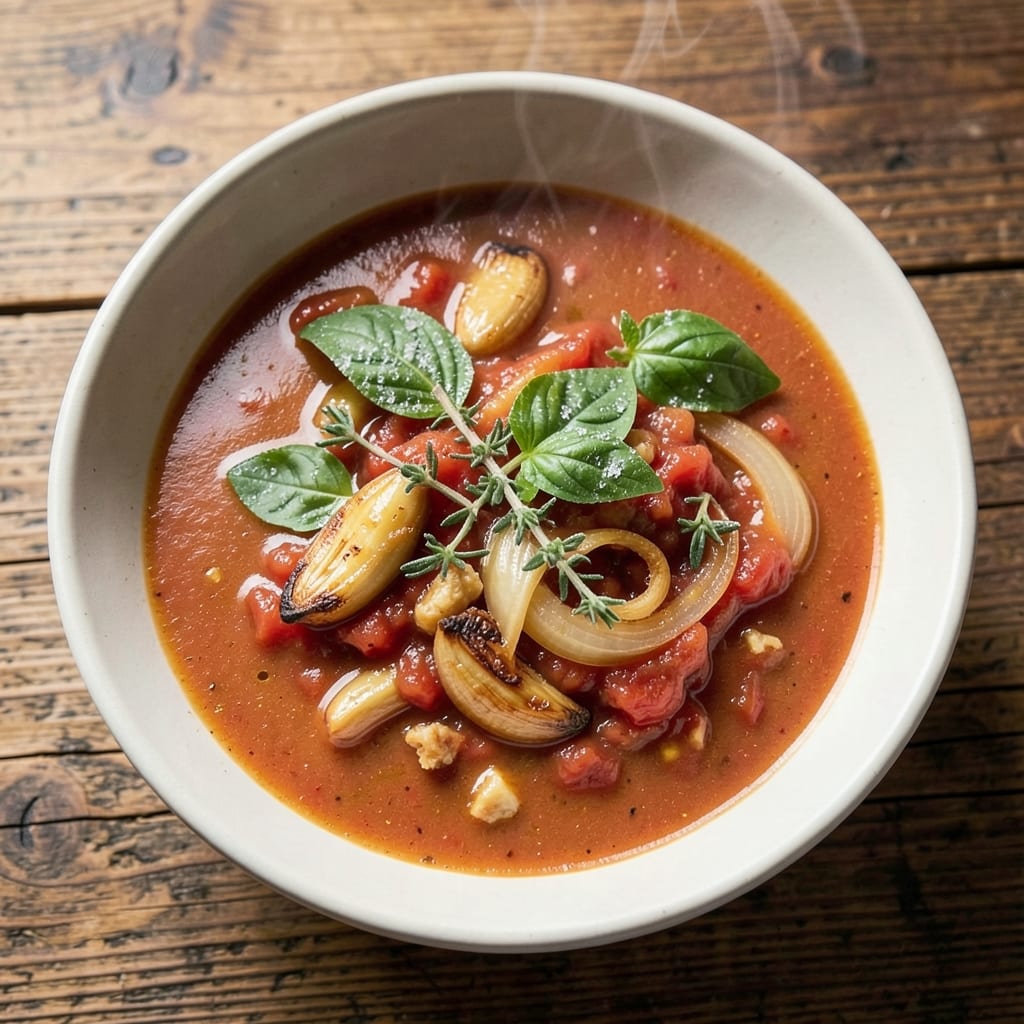
The 4Bs Restaurant tomato soup recipe delivers the rich, smoky depth that makes this dish legendary—every spoonful carries layers of caramelized garlic, fresh herbs, and slow-simmered tomatoes. I’ve recreated their signature technique, where the soup develops a velvety texture with just the right balance of sweetness and acidity, finished with a touch of cream that elevates it to restaurant-quality perfection. The secret lies in the slow reduction and careful blending, ensuring no graininess remains.
What sets this recipe apart is the smoky garlic base, developed by cooking whole cloves until deeply fragrant before blending them into the soup. Fresh basil and thyme add bright, herbal notes, while a splash of red wine vinegar brightens the richness. The result is a soup that’s creamy yet light, with a depth of flavor that pairs beautifully with crusty bread or a sprinkle of grated parmesan.
This version stays true to the restaurant’s approach but simplifies the process for home cooks—no shortcuts, just authentic technique. The soup simmers for 45 minutes, allowing flavors to meld and the tomatoes to break down into a luscious, velvety consistency. The final touch? A swirl of heavy cream and a pinch of sugar to balance the acidity, ensuring every bowl tastes like it came straight from 4Bs.
Serve it warm with a side of garlic bread or a sprinkle of fresh herbs for that restaurant-worthy presentation. The recipe scales easily, so you can make a big batch for gatherings or enjoy leftovers—though they rarely last that long. Let’s get started on recreating this classic.
Ingredients for 4bs restaurant tomato soup
These twelve ingredients transform into the legendary smoky garlic tomato soup from 4Bs Restaurant.
| Ingredient | Amount | Notes |
|---|---|---|
| Extra-Virgin Olive Oil 🫒 | ½ cup | High-quality, fruity variety |
| Whole Garlic Cloves 🧄 | 12 cloves | Peeled, left whole for caramelization |
| Yellow Onion 🧅 | 1 whole | Medium size, finely chopped |
| San Marzano Crushed Tomatoes 🍅 | 28 oz | High-quality canned tomatoes |
| Fresh Basil Leaves 🌿 | ½ cup | Packed, stems removed |
| Fresh Thyme Sprigs 🍃 | ¼ cup | Leaves only, finely chopped |
| Heavy Cream 🥛 | ½ cup | Full-fat for creaminess |
| Red Wine Vinegar 🍷 | 1 tbsp | For bright acidity |
| Granulated Sugar 🍚 | 1 tsp | Balances acidity |
| Salt 🧂 | 1 ½ tsp | Diamond Crystal preferred |
| Black Pepper 🌶️ | ½ tsp | Freshly ground |
| Vegetable Broth 💧 | 4 cups | Low-sodium preferred |
| Parmesan Cheese 🧀 | ¼ cup | Freshly grated |
The foundation rests on San Marzano tomatoes—their natural sweetness and acidity are unmatched. Whole Foods or specialty Italian markets carry the best cans, but any high-quality crushed tomatoes work in a pinch. The garlic deserves special attention: 12 whole cloves are caramelized whole to develop their smoky depth before blending. For the olive oil, California Avocado or Bertolli brands deliver consistent quality. Fresh herbs like basil and thyme are non-negotiable—they bring that bright, restaurant-quality freshness that dried herbs can't replicate.
No San Marzano tomatoes? Whole peeled tomatoes crushed by hand work beautifully, though they'll be slightly chunkier. Short on fresh thyme? Dried thyme at one-third the amount suffices, but toast it first to deepen its flavor. The heavy cream can be swapped for coconut cream for a dairy-free version, though the texture will differ slightly. For a tangier finish, balsamic vinegar makes an excellent substitute for red wine vinegar. The vegetable broth should be low-sodium to avoid over-salting the final soup—Pacific Foods or Imagine brands are reliable choices.
This soup develops deeper flavor with time, so make it a day ahead if possible. Store in airtight containers in the fridge for up to 5 days, or freeze for 3 months. The cream may separate when chilled—simply stir before reheating. For serving, a sprinkle of freshly grated Parmesan and a drizzle of high-quality olive oil elevate it to restaurant standards. The garlic aroma alone will have everyone gathering around your table.
Why You'll Love This Recipe
- Minimal Chopping Required: I swear by this—just dice one onion and crush a few garlic cloves. No peeling, no finicky prep, just raw flavor from those San Marzano tomatoes doing all the heavy lifting.
- Garlic-Basil Magic: That first spoonful? Pure brightness. The whole garlic cloves caramelize into sweet, mellow notes while the fresh basil leaves add a peppery punch—like a hug in a bowl, but way more delicious.
- Weeknight & Potluck Hero: I make a double batch on Sundays because it’s the ultimate lazy dinner (just add crusty bread) and freezes beautifully. Bring it to a gathering—no one will guess it’s restaurant-quality.
- Budget-Friendly Luxury: San Marzano tomatoes might sound fancy, but they stretch like crazy, and the rest of the ingredients are pantry staples. Honestly, I’ve fed my whole family for under $10 with this—taste that doesn’t break the bank.
Step-by-step instructions for 4Bs restaurant tomato soup
Here's the professional method for creating restaurant-quality tomato soup with smoky depth and vibrant herb notes.
Develop the Garlic and Onion Base
Heat the 0.5 cup extra-virgin olive oil in a large Dutch oven over medium-low heat. Add the 12 whole garlic cloves and 1 whole yellow onion, stirring occasionally for 15-20 minutes until the garlic turns golden brown and the onion becomes translucent. This slow cooking process creates deep caramelization without burning.
Watch the garlic carefully—it should smell sweet and nutty, not bitter. If it starts to darken too quickly, reduce the heat slightly. The onions should soften completely while maintaining their structure. This aromatic foundation forms the flavor base for the entire soup.
Build the Tomato Base with Acid and Sweetness
Add the 28 oz San Marzano crushed tomatoes, 1 tbsp red wine vinegar, and 1 tsp granulated sugar to the Dutch oven. Stir well to combine, then bring the mixture to a gentle simmer over medium heat. Cook uncovered for 20-25 minutes, stirring occasionally, until the tomatoes break down and the mixture thickens slightly.
The vinegar brightens the tomatoes while the sugar balances their natural acidity. You'll notice the mixture darken and develop a rich, concentrated tomato flavor. This reduction step intensifies the tomato essence, creating a more complex base for the final soup.
Incorporate Herbs and Vegetable Broth
Add the 0.5 cup fresh basil leaves and 0.25 cup fresh thyme sprigs to the tomato mixture. Stir in the 4 cups vegetable broth and 1.5 tsp salt. Bring to a boil, then reduce heat to medium-low and simmer for 15 minutes, allowing the herbs to infuse their flavors into the soup.
Remove the thyme sprigs after simmering, but leave the basil leaves in until the soup is finished. The herbs should impart their aromatic qualities while maintaining a fresh, vibrant character. Taste the soup at this stage and adjust seasoning if needed—you may need additional salt or a touch more sugar to balance the flavors.
Finish with Cream and Parmesan
Reduce heat to low and stir in the 0.5 cup heavy cream and 0.5 tsp black pepper. Simmer gently for 5 minutes, stirring occasionally, until the cream is fully incorporated and the soup reaches your desired consistency. Remove from heat and stir in the 0.25 cup freshly grated Parmesan cheese.
The cream adds luxurious body while the Parmesan contributes a nutty, umami depth. The soup should be velvety smooth with a perfect balance of sweet, smoky, and acidic flavors. If the soup is too thick, thin it with a splash of warm vegetable broth. Let it rest for 5 minutes before serving to allow the flavors to meld completely.
Serve with Crusty Bread
Ladle the soup into warm bowls and garnish with additional fresh basil leaves and a sprinkle of Parmesan cheese. Serve immediately with crusty bread for dipping. The soup should be hot and vibrant, with each spoonful delivering layers of smoky garlic, sweet tomatoes, and fresh herbs.
This soup keeps well in the refrigerator for up to 5 days, though it's best enjoyed fresh. The flavors continue to develop as it sits, making it even more complex the next day. For a vegetarian option, ensure your vegetable broth is well-seasoned to compensate for any lack of meaty depth.
Pro Tips For Making 4bs Restaurant Tomato Soup
- Smash That Garlic: After burning three batches of garlic, I finally figured out the trick—peel the cloves, wrap them in a damp paper towel, and smash them flat with the side of your knife before cooking. This releases more flavor without turning your soup into a charred mess. ---
- Sweat the Onion Low: Don’t rush the onion—cook it on medium-low heat for 8-10 minutes until it’s translucent and just starting to caramelize. High heat here means bitterness later, and nobody wants that in a creamy tomato soup. ---
- Salt the Tomatoes Early: Toss the San Marzano tomatoes with a pinch of salt right after adding them to the pot. This breaks down the skins slightly and pulls out more juice, giving you a richer, smoother texture without extra blending. ---
- Blend in Batches: If your soup is thick, resist the urge to blend everything at once—it’ll clog your blender. Split it into two batches, blend until smooth, then stir them back together. (Yes, it’s extra work, but your blender will thank you.)
Serving suggestions for this dish
Crusty Bread Pairings
Serve this tomato soup with a warm, crusty baguette or ciabatta for the ultimate dipping experience. I love toasting slices with garlic-infused olive oil and a sprinkle of flaky sea salt—the contrast of crispy bread against the silky soup is pure magic. For extra flair, try a rosemary-focaccia with its herby aroma complementing the basil in the soup. 🥖
Avoid soft, dense breads—they’ll get soggy too quickly. Instead, opt for sourdough with its tangy bite or focaccia with olive oil pockets that soak up the creamy broth beautifully. Preheat your bread in the oven for 5 minutes at 375°F to enhance its crunch while keeping it fresh.
Cheese Board Accompaniments
Elevate your soup experience with a cheese board featuring Parmigiano-Reggiano, pecorino romano, and aged Gouda. The nutty, sharp notes of these cheeses mirror the soup’s umami depth while adding a satisfying contrast. I like to include prosciutto for a salty-sweet element that pairs wonderfully with the tomato’s acidity. 🧀
Add dried figs or honey-drizzled walnuts to the board for natural sweetness that balances the soup’s acidity. A sparkling wine like Prosecco or a dry Riesling on the side helps cleanse the palate between bites. For a vegetarian twist, swap the prosciutto for marinated artichoke hearts or roasted red peppers.
Herb and Garnish Finishes
Fresh basil leaves and thyme sprigs aren’t just for garnish—they’re flavor boosters. Tuck a few leaves into each bowl before serving so guests can add a fragrant touch. A drizzle of high-quality extra-virgin olive oil (like California Avocado brand) and a pinch of freshly cracked black pepper right before eating enhances the soup’s richness. 🌿
For a smoky finish, sprinkle crispy fried shallots or toasted pine nuts over the top. These add texture and a subtle crunch that contrasts the soup’s velvety texture. If you’re feeling adventurous, a few drops of truffle oil (about ½ tsp) add an earthy luxury that feels like a restaurant secret.
Wine and Beverage Pairings
A dry white wine like Pinot Grigio or Sauvignon Blanc cuts through the soup’s creaminess with bright acidity. I prefer a Sardinian Vermentino for its citrus notes that complement the tomato’s sweetness. For red wine lovers, a light Chianti with its cherry undertones balances the dish beautifully. 🍷
Non-alcoholic options? A sparkling water with lemon keeps things refreshing, while a chilled hibiscus tea adds a floral contrast. For a cozy vibe, serve with hot herbal tea like chamomile or peppermint to balance the soup’s warmth. Avoid heavy beers—they’ll overpower the delicate herb notes in the soup.
Nutrition facts
Frequently asked questions
Why does this recipe use whole garlic cloves instead of minced?
Cooking whole garlic cloves creates a deeper, smokier flavor through caramelization. When heated slowly, the cloves develop sweet, nutty notes that infuse the entire soup. Minced garlic would burn quickly and lose that complexity. The cloves are blended into the soup later, creating a velvety texture without any harsh bits.
Can I make this soup without heavy cream?
Yes! For a lighter version, substitute with ½ cup coconut cream or ½ cup full-fat Greek yogurt. The texture will be slightly tangier but still creamy. If you prefer a dairy-free option, use ½ cup cashew cream (blended soaked cashews with water) for a neutral flavor. The soup will still be rich, just with a different mouthfeel.
How do I prevent the soup from being too acidic?
The recipe balances acidity with sugar and cream, but if it tastes sharp, add ½ tsp more sugar or a pinch of salt to round out the flavors. For a smoother finish, stir in 1 tbsp tomato paste at the end to deepen the tomato flavor without adding acidity. Taste as you go—adjust gradually to avoid overpowering the dish.
What’s the best way to reheat leftovers?
Reheat gently on the stovetop over low heat while stirring constantly to prevent separation. If the soup looks too thick, add 1-2 tbsp warm vegetable broth to restore creaminess. Avoid microwaving—it can make the cream break and the soup watery. For best results, reheat only until hot, then let it sit for 2-3 minutes before serving.
Can I make this soup in a slow cooker?
Sauté the garlic and onion first, then transfer everything to the slow cooker. Cook on LOW for 6-7 hours or HIGH for 3-4 hours, stirring occasionally. The long cook time enhances the flavors, but you may need to adjust the cream at the end—add it only during the last 30 minutes** to prevent curdling. The texture will be slightly thicker due to the evaporation.