
Soups & Stews
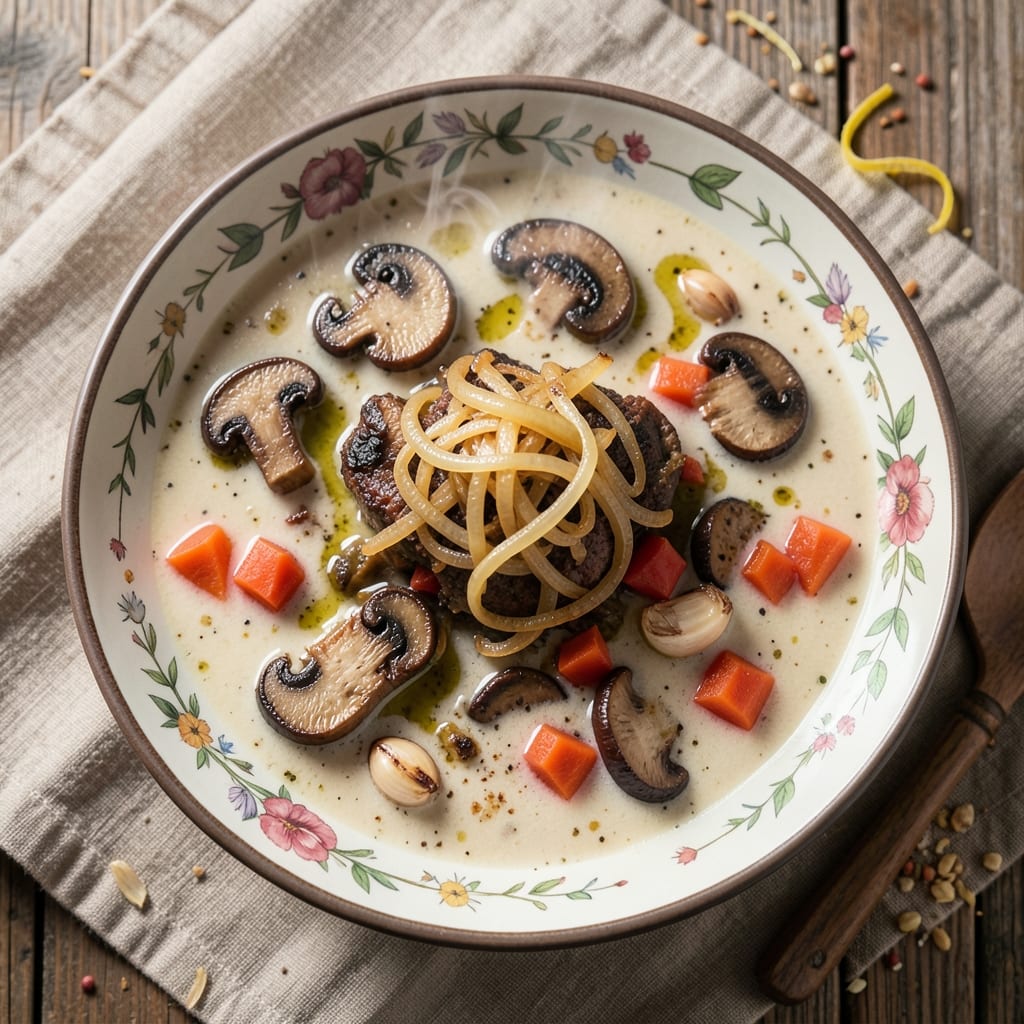
This 3 mushroom soup recipe delivers restaurant-quality depth in just 25 minutes, transforming humble ingredients into a velvety, umami-rich bowl of comfort. The secret lies in proper mushroom preparation—sautéing until deeply caramelized unlocks their earthy complexity, while a slow simmer builds layers of flavor that no shortcut can replicate. What starts as a simple broth becomes a symphony of textures and tastes, with tender mushrooms, creamy broth, and optional garnishes that elevate it to special occasion status.
The beauty of this recipe is its versatility—whether you prefer a classic French-style version with a touch of cream or a lighter vegan adaptation using coconut milk, the technique remains the same. We'll focus on proper mushroom prep (cleaning, slicing, and sautéing) to maximize flavor, then build the broth with aromatic vegetables and herbs that form the foundation. The result? A soup so rich and satisfying that it becomes the centerpiece of any meal, not just a side dish.
What makes this recipe truly special is how it balances tradition with simplicity—no fancy ingredients, just thoughtful preparation. The mushrooms (cremini, shiitake, and wild varieties) caramelize beautifully in the pan, their flavors intensifying as they cook. When combined with a well-built broth and finished with fresh herbs, you get a soup that's both comforting and sophisticated, perfect for chilly evenings or as a starter before a hearty main course.
Ready in just 25 minutes, this recipe delivers restaurant-quality results without the fuss. The key steps—proper mushroom prep, slow simmering, and finishing touches—ensure every spoonful is packed with flavor. Whether you're serving it to guests or treating yourself, this 3 mushroom soup will become a staple in your rotation. Let's get started with the ingredients and techniques that make it shine.
Ingredients for 3 mushroom soup
Thoughtful ingredient selection transforms simple mushrooms into restaurant-worthy umami richness.
| Ingredient | Amount | Notes |
|---|---|---|
| Cremini Mushrooms 🍄 | 8 oz | Sliced into even pieces |
| Shiitake Mushrooms 🍄 | 8 oz | Stems removed, caps sliced |
| Wild Mushrooms 🍄 | 6 oz | Mixed variety, cleaned well |
| Yellow Onion 🧅 | 1 medium | Diced finely for base |
| Garlic Cloves 🧄 | 4 cloves | Minced for aromatic depth |
| Carrots 🥕 | 2 medium | Diced into small cubes |
| Celery Stalks 🧅 | 2 medium | Diced finely for mirepoix |
| Vegetable Stock 💧 | 4 cups | Low-sodium preferred |
| Heavy Cream 🥛 | ½ cup | Full-fat for richness |
| Fresh Thyme 🌿 | 2 tbsp | Leaves only, chopped |
| Fresh Parsley 🌿 | ¼ cup | Chopped for garnish |
| Extra-Virgin Olive Oil 🫒 | ¼ cup | For sautéing mushrooms |
| Salt 🧂 | 1 ½ tsp | Kosher or sea salt |
| Black Pepper 🌶️ | ½ tsp | Freshly ground preferred |
| Dried Bay Leaves 🌿 | 2 whole | For subtle earthy notes |
The mushrooms are the heart of this dish—cremini, shiitake, and wild varieties each bring distinct textures and flavors. Local farmers markets often carry the freshest wild mushrooms, but Trader Joe's and Whole Foods have reliable pre-packaged options. Look for firm, unblemished mushrooms with vibrant caps; discard any with slimy stems or bruises. The yellow onion, carrots, and celery form the aromatic base—organic produce from the grocery store's fresh section works well, but avoid wilted or rubbery vegetables. For the vegetable stock, Homemade is ideal, but Pacific Foods or Imagine brands offer high-quality low-sodium options that elevate the broth without overpowering the mushrooms' natural depth.
No shiitake? Oyster mushrooms make a reasonable substitute, though they have a slightly different texture. Wild mushrooms unavailable? Extra cremini mushrooms work—just increase to 12 oz for comparable earthiness. The heavy cream can be swapped for coconut milk for a vegan version, though the texture will differ slightly. Thyme and bay leaves are non-negotiable for the classic French profile; dried herbs work in a pinch but fresh deliver superior aroma. For the olive oil, California avocado oil has a higher smoke point, making it ideal for sautéing mushrooms without losing flavor. The garlic should be freshly minced—pre-minced garlic loses potency quickly and can make the soup taste harsh.
Fresh mushrooms keep best in a paper bag in the fridge for 5-7 days. The vegetable stock can be made ahead and stored in the freezer for up to 6 months. Once prepared, the soup reheats beautifully—gentle warming on the stove preserves its velvety texture. For leftovers, portion into airtight containers and refrigerate for 4-5 days; it freezes well for up to 3 months. The fresh parsley should be added just before serving to maintain its vibrant color and bright flavor. This soup's depth comes from patience—don't rush the sautéing or simmering stages, as that's when the mushrooms release their maximum umami potential.
Why You'll Love This Recipe
- No Chopping Nightmare: I swear by this recipe because the mushrooms take zero prep—just wipe them clean, slice them thick, and toss them in. Even my lazy nights end with something warm and satisfying.
- Umami Bomb: That combo of cremini, shiitake, and wild mushrooms? It’s like a flavor explosion in your mouth. The garlic and onion caramelize just enough to make every spoonful feel like a little hug.
- Freezer-Friendly Gem: Make a big batch on Sunday, and you’ve got soup for three meals. It reheats beautifully—no watery texture, no sad leftovers. My go-to for when I’m too tired to cook.
- Budget Luxury: Fresh mushrooms might seem fancy, but they stretch so far in this recipe. A single jar of wild mushrooms and a handful of cremini feed my family for days. Fancy taste, grocery-store prices.
Step-by-step instructions for 3 mushroom soup
Here's how to build depth of flavor in every spoonful using precise technique.
Sauté the Mushroom Base
Heat the 0.25 cup extra-virgin olive oil in a large pot over medium heat until shimmering. Add the 8 oz sliced cremini mushrooms and 8 oz sliced shiitake mushrooms (stems removed), spreading them evenly in the pot. Cook for 5-6 minutes until they release their moisture and begin to soften. Here's the thing—don't stir constantly. Let them develop a light golden crust in patches before gently tossing with a wooden spoon.
Add the 6 oz cleaned wild mushrooms and continue cooking for another 3-4 minutes until all mushrooms are tender but still hold their shape. The key is patience here—rushing leads to mushy mushrooms. You'll know you're on track when the mushrooms release their earthy aroma and the pot smells deeply umami. Remove them to a plate and set aside temporarily.
Develop the Aromatic Base
In the same pot, add the 1 medium diced yellow onion, 4 minced garlic cloves, 2 medium diced carrots, and 2 medium diced celery stalks. Cook over medium heat for 5-6 minutes until the vegetables soften and the onion becomes translucent. This mirepoix forms the flavor foundation of your soup.
Add the 2 whole dried bay leaves, 1.5 tsp salt, and 0.5 tsp black pepper, stirring to combine. Here's where the magic happens—sprinkle the 2 tbsp chopped fresh thyme over the vegetables and cook for another 1 minute until fragrant. The thyme's piney notes will complement the earthy mushrooms beautifully.
Simmer the Vegetable Stock
Pour in the 4 cups vegetable stock and bring the mixture to a gentle boil over high heat. Once boiling, reduce heat to medium-low and return the mushrooms to the pot. Stir gently to combine, then add the 0.5 cup heavy cream. Let the soup simmer uncovered for 10-12 minutes until the flavors meld and the vegetables are completely tender.
Taste the soup and adjust seasoning if needed. I usually add a pinch more salt at this stage—mushrooms are naturally salty, but the cream can dilute the flavor. The soup should have a velvety texture with visible mushroom pieces suspended throughout. If it's too thick, whisk in 2-3 tablespoons of water to reach your desired consistency.
Finish and Garnish
Remove the pot from heat and let the soup rest for 5 minutes to allow the flavors to settle. Stir in the 0.25 cup chopped fresh parsley just before serving. The parsley adds a bright contrast to the rich mushroom flavors and a pop of color that makes the soup visually appealing.
Serve the soup immediately in warm bowls. Each spoonful should deliver layers of umami from the mushrooms, sweetness from the carrots, and a creamy finish from the heavy cream. The thyme and parsley provide fresh herbal notes that balance the earthy depth. For an extra touch, top with a drizzle of olive oil and an additional sprinkle of black pepper.
Pro Tips For Making 3 Mushroom Soup
- SAUTÉ MUSHROOMS IN BATCHES: Don’t dump all your mushrooms in the pan at once—crowding steams them instead of browning. Work in two batches over medium-high heat for 5–6 minutes each until they release their moisture and develop that rich, caramelized edge. (Yes, even if you’re impatient like me.)
- TRIM WILD MUSHROOMS THOROUGHLY: Wild mushrooms hide grit and sand like nobody’s business. Give them a good wipe with a damp paper towel, then use a small paring knife to scrape out any stubborn debris from the stems. I learned this the hard way—skipping this step turns your velvety soup into a gritty disappointment.
- DEGLAZE WITH WHITE WINE: After cooking the onions and garlic, don’t just splash in broth—deglaze with ¼ cup white wine first. The alcohol burns off, leaving behind a bright, aromatic base that cuts through the earthiness of shiitake and wild mushrooms. (Save the wine reduction for later—it’s liquid gold.)
- SIMMER LOW AND SLOW: Rushing the soup to reduce it faster? You’ll end up with a gluey, pasty mess. Keep it at a gentle simmer (small bubbles, occasional swirls) for at least 20 minutes. This breaks down the mushrooms’ fibers into a luscious, cohesive texture—no thin, watery letdown here.
Troubleshooting this dish
Mushrooms Too Watery
If your mushrooms release too much moisture and turn into a mushy mess, it’s likely because you sliced them too thin or stirred them constantly. Solution: Slice mushrooms evenly (about ¼-inch thick) and let them develop a golden crust in 2-3 minute batches before stirring. For extra flavor, pat them dry with a paper towel before sautéing—this removes excess moisture and promotes better browning. 💧
Broth Too Weak
A bland broth often means the vegetables weren’t cooked long enough or the stock lacked depth. Fix it by simmering the mirepoix (onion, carrots, celery) for 8-10 minutes before adding stock to build flavor. For an instant upgrade, use 1 tbsp tomato paste or 1 tsp soy sauce in the stock for umami richness. If using store-bought stock, opt for Pacific Foods or Imagine brands—they’re specifically crafted for deeper flavor.
Soup Too Thick
If your soup is too thick, it’s probably from over-reducing the stock or not adjusting consistency properly. Solution: Whisk in 2-3 tablespoons of warm water or vegetable stock gradually until you reach a silky, spoonable texture. For a creamier finish, stir in 1-2 tbsp of cold heavy cream at the end—this adds richness without altering the soup’s body. Avoid over-simmering, as this can break down the mushrooms into a gluey texture. ⚡
Mushrooms Undercooked
Wild mushrooms and shiitake need extra time to soften properly. Prevent this by adding them to the pot after the cremini mushrooms have caramelized (they cook faster). For stubborn stems, slice them thinly and cook them separately for 5-7 minutes before adding to the soup. If using frozen wild mushrooms, thaw and pat them dry first—they release more moisture when cooked raw. 🍄
Overpowering Cream
If the heavy cream tastes too heavy or overpowers the mushrooms, you likely added it too early. Fix it by stirring the cream in during the last 5 minutes of simmering, or even better, temper it first: Warm 2 tbsp of cream separately, then whisk it into the hot soup. For a lighter texture, replace some of the cream with ½ cup coconut milk—it adds creaminess without the same richness. 🥛
Herbs Lose Flavor
Fresh herbs like thyme and parsley can become bitter or lose their brightness if cooked too long. Solution: Add thyme during the mirepoix stage (it’s hardy) and parsley only at the very end. For extra aroma, tie the thyme sprigs in a cheesecloth bundle and remove it before serving. If using dried herbs, reduce the amount by half—they’re more concentrated than fresh. 🌿
Nutrition facts
Frequently asked questions
Can I substitute frozen mushrooms in this recipe?
Yes, but with adjustments! Thaw frozen mushrooms first and pat them completely dry with paper towels to prevent excess moisture. For best results, use 12 oz frozen cremini mushrooms (instead of fresh) and add them to the pot after the fresh shiitake and wild mushrooms have caramelized. Frozen mushrooms release more liquid, so you may need to simmer the soup uncovered for an extra 5 minutes to reduce any wateriness.
How can I make this soup vegan?
Swap the heavy cream for ½ cup full-fat coconut milk and use vegan vegetable stock. For extra richness, stir in 1 tbsp nutritional yeast at the end—it adds a cheesy, umami depth that mimics cream. The texture will be slightly lighter, but the earthy mushroom flavors will still shine. Garnish with fresh parsley and a drizzle of olive oil for brightness.
Why do my mushrooms turn mushy when cooking?
Mushrooms release moisture quickly when sliced too thin or stirred constantly. Solution: Slice them evenly (¼-inch thick) and let them develop a golden crust in 2-3 minute batches before stirring. Pat them dry before cooking, and avoid overcrowding the pan. For extra flavor, sauté them in olive oil over medium-high heat until deeply caramelized.
Can I make this soup ahead of time?
The soup actually tastes better the next day as flavors meld. Cool it completely, then store in an airtight container in the fridge for 4-5 days. Reheat gently on the stove, stirring occasionally, and add a splash of water or stock if it thickens too much. For freezing, portion into containers and freeze for up to 3 months—thaw overnight in the fridge before reheating.
What's the best way to serve this mushroom soup?
Pair it with crusty sourdough bread or garlic toast for dipping. For a complete meal, serve with a simple mixed green salad dressed with lemon vinaigrette. The acidity cuts through the soup's richness beautifully. If you love cheese, top individual bowls with a sprinkle of grated Gruyère or Parmesan** just before serving—it adds a salty, nutty contrast.