
Soups & Stews
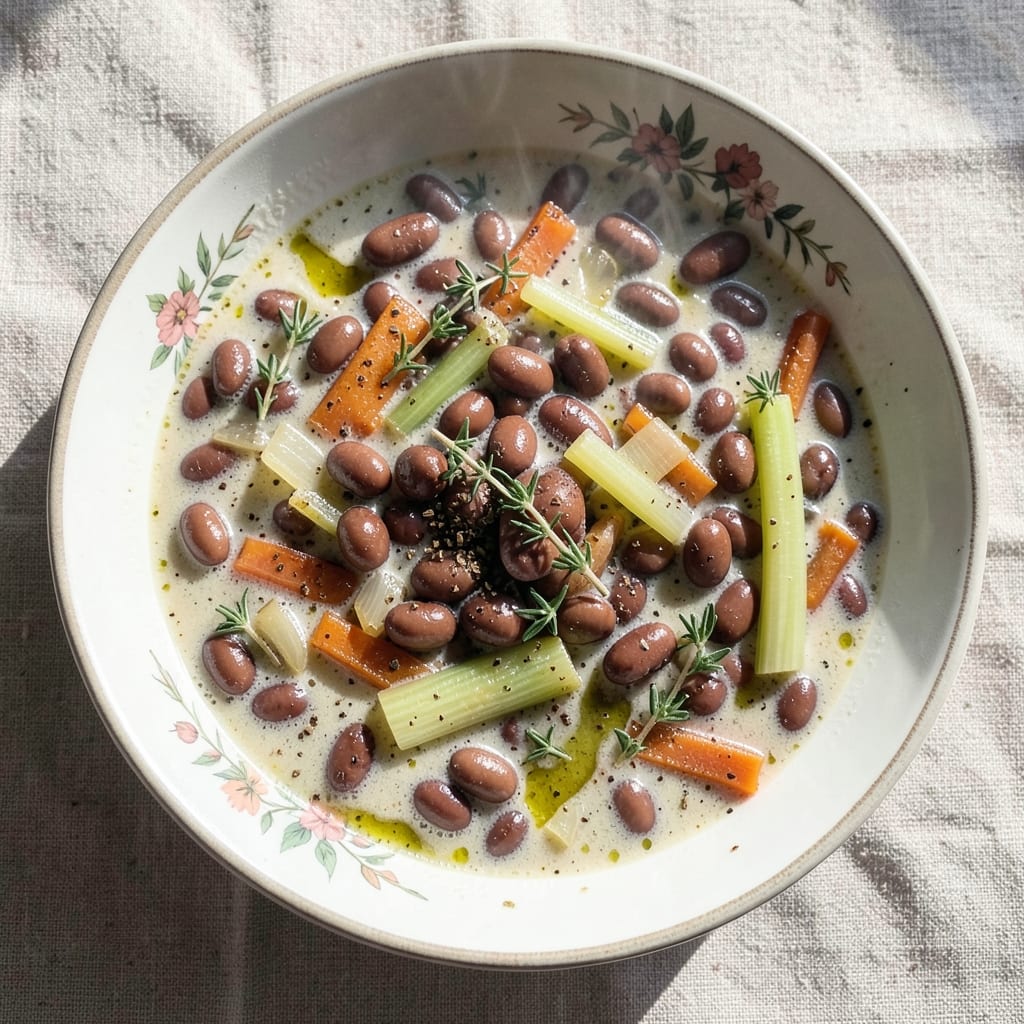
This 3 bean minestrone soup recipe transforms humble ingredients into a hearty, herb-infused symphony that warms the soul. The secret lies in combining three distinct beans—cannellini, kidney, and pinto—for a perfect balance of texture and flavor, while aromatic vegetables and fresh herbs create depth without overpowering. What makes this version special is the two-stage simmering technique that develops rich, layered flavors while keeping the beans tender yet firm.
The foundation begins with sautéing onions, carrots, and celery until deeply caramelized, forming the flavor base that infuses every spoonful. A blend of Italian herbs—thyme, oregano, and rosemary—adds complexity, while crushed tomatoes introduce acidity that brightens the broth. The key to achieving restaurant-quality results at home is patience: letting the soup simmer for at least 45 minutes allows all the flavors to meld into a cohesive, comforting bowl.
By the time you serve this soup, you'll have a dish that's naturally hearty yet light, packed with plant-based protein and fiber. The tri-color beans add visual appeal, while the herb-infused broth ensures every bite is aromatic and satisfying. This recipe scales beautifully for meal prep or feeding a crowd, and it's easily adaptable for vegan diets by omitting the optional parmesan garnish.
Perfect for chilly evenings or as a make-ahead meal, this minestrone delivers authentic Italian comfort with minimal effort. The beauty lies in its versatility—serve it as-is for a classic version, or customize with your favorite vegetables and herbs. Ready to create a bowl that tastes like a trip to Italy?
Ingredients for 3 bean minestrone soup
Six cups of aromatic vegetables and three distinct beans create this restaurant-quality tri-color minestrone symphony.
| Ingredient | Amount | Notes |
|---|---|---|
| Yellow Onions 🧅 | 1 ½ cups | Diced into 1/4-inch pieces |
| Carrots 🥕 | 2 cups | Julienned or thinly sliced |
| Celery Stalks 🌿 | 4 whole | Diced into 1/4-inch pieces |
| Extra-Virgin Olive Oil 🫒 | ½ cup | For sautéing vegetables |
| Fresh Thyme 🌿 | ¼ cup | Leaves only, finely chopped |
| Dried Oregano 🌿 | 1 tbsp | Crushed between palms |
| Fresh Rosemary 🌿 | ¼ cup | Needles only, finely chopped |
| Crushed Tomatoes 🍅 | 2 cups | San Marzano preferred |
| Vegetable Broth 💧 | 6 cups | Low-sodium preferred |
| Cannellini Beans 🌱 | 1 ½ cups | Drained and rinsed |
| Kidney Beans 🌱 | 1 cup | Drained and rinsed |
| Pinto Beans 🌱 | 1 cup | Drained and rinsed |
| Garlic Cloves 🧄 | 4 cloves | Minced for depth of flavor |
| Kosher Salt 🧂 | 1 ½ tsp | Diamond Crystal preferred |
| Fresh Basil Leaves 🌿 | ¼ cup | Chopped for garnish |
| Parmesan Cheese 🧀 | ¼ cup | Freshly grated, optional |
The foundation begins with the sofrito—onions, carrots, and celery—sautéed until deeply caramelized for that umami-rich base every great minestrone demands. Trader Joe's carries pre-diced mirepoix if you're short on time, but fresh is ideal. Look for vibrant orange carrots and crisp celery—wilting means flavor loss. The extra-virgin olive oil should be Italian or Spanish—Bertolli or Gaea are reliable choices. Fresh herbs like thyme and rosemary add complexity; if using dried, reduce to one-third the amount of fresh. The San Marzano crushed tomatoes are non-negotiable for their sweetness and acidity balance—Whole Foods sells them canned if you can't find them fresh.
No cannellini beans? Great Northern beans work perfectly—they hold their shape similarly. Short on kidney beans? Black beans or lentils add richness. The vegetable broth should be homemade if possible, but Pacific Foods or Imagine low-sodium versions are solid pantry staples. For extra depth, add 1 bay leaf while simmering and remove before serving. The garlic should be freshly minced—pre-minced loses potency fast. If you prefer a smoother texture, blend half the soup at the end for a velvety finish, then stir back in. The optional Parmesan is purely for garnish—omit entirely for vegan adaptation.
This soup tastes even better the next day as flavors meld. Store in airtight containers for up to 5 days in the fridge or 3 months frozen. For meal prep, portion into single-serving containers—reheat with 2 tbsp broth to restore moisture. The beans will soften further upon reheating, so simmer for 10 minutes after adding broth. Garnish with fresh basil and extra-virgin olive oil just before serving to preserve color and aroma. For a restaurant-quality presentation, serve in pre-warmed bowls with a sprinkle of freshly cracked black pepper and a drizzle of olive oil.
Why You'll Love This Recipe
- One-Pot Magic: I swear by this—just dice the onions, carrots, and celery (that’s your sofrito base), toss them in olive oil with a few thyme sprigs, and let them caramelize while you chop beans. No separate pans, no fuss, and the aromas alone make the kitchen feel like a warm hug.
- Thyme for Adventure: That fresh thyme? It’s the secret weapon. The bright, earthy notes cut through the beans’ earthiness while the olive oil mellows everything into this ridiculously balanced broth. Honestly, I’ve tried dried thyme—don’t.
- Lunch to Leftovers: Make a double batch on Sunday, and you’ve got lunch for the week. The flavors only deepen overnight, and it reheats like a dream. My kids grab it straight from the fridge—no complaints, just empty bowls.
- Pantry Staple Power: Carrots, celery, onions—stuff you already have. Beans? Canned or dried, no judgment. This soup is my go-to when I’m staring at a half-empty fridge wondering what to feed everyone. Budget-friendly? More like guilt-free feeding.
Step-by-step instructions for herb-infused tri-color bean minestrone
Master this rustic Italian classic with a vibrant herb profile and three distinct bean varieties.
Sauté the Vegetable Base
Heat the 0.5 cup extra-virgin olive oil in a large Dutch oven over medium heat. Add the 1.5 cups diced yellow onions, 2 cups julienned carrots, and 4 whole diced celery stalks, stirring frequently for 8-10 minutes until the vegetables soften and the onions become translucent.
Here's where the herb magic begins: Add the 0.25 cup finely chopped fresh thyme, 1 tablespoon crushed dried oregano, and 0.25 cup finely chopped fresh rosemary. Stir for 1 minute until fragrant—this layer of aromatics will infuse the entire soup with complex herbal notes. The vegetables should release their moisture and begin to caramelize slightly at the edges.
Develop the Tomato-Garlic Foundation
Push the vegetable mixture to one side of the pot and add the 4 cloves minced garlic to the empty space. Sauté for 30 seconds until the garlic becomes golden and aromatic—don't let it burn, as it will turn bitter. Stir to combine with the vegetables.
Add the 2 cups crushed tomatoes and cook for 5 minutes, stirring occasionally, until the tomatoes break down and form a thick paste. This step builds the soup's rich, umami base. Season with 1.5 teaspoons kosher salt, adjusting to taste, and let the mixture simmer for 2 minutes to meld all the flavors together.
Build the Bean and Broth Matrix
Pour in the 6 cups vegetable broth and bring the mixture to a gentle simmer. Stir in the 1.5 cups drained and rinsed cannellini beans, 1 cup drained and rinsed kidney beans, and 1 cup drained and rinsed pinto beans. The beans should be fully submerged in the broth—if not, add a splash of water.
Reduce heat to low and let the soup simmer uncovered for 30-40 minutes, stirring occasionally. You're aiming for a thick, hearty consistency where the beans are tender but still hold their shape. The soup should develop a deep, aromatic steam that fills your kitchen—this is your cue that the flavors are integrating beautifully.
Finish with Fresh Herbs and Garnish
Once the beans are tender, stir in the 0.25 cup chopped fresh basil leaves and simmer for an additional 2 minutes to infuse the basil's bright, peppery notes. Taste and adjust seasoning with additional salt if needed—the beans should be seasoned throughout, not just on the surface.
Ladle the soup into bowls and garnish each serving with 0.25 cup freshly grated Parmesan cheese (about 1 tablespoon per bowl). The Parmesan adds a salty, umami contrast to the earthy bean medley and fresh herbs. Serve immediately while the soup is steaming hot, with crusty bread to soak up every last drop of this herb-infused symphony.
Pro Tips For Making 3 Bean Minestrone Soup
- SOFTEN THE VEGETABLES FIRST: Toss chopped carrots and celery in cold water for 10 minutes before cooking—this jumpstarts their softening so they don’t turn to mush while the beans simmer. (Yes, even if you’re impatient like me, this actually cuts down on total cooking time.)
- SWEAT THE AROMATICS LOW: Cook onions, carrots, and celery in olive oil over medium-low heat until the onions turn translucent and the celery’s edges just start to brown—about 12 minutes. I learned the hard way that rushing this step makes the whole soup taste dull.
- SALT THE BEANS EARLY: Add salt to the pot with the beans and broth, not after. The beans need time to absorb flavor, and waiting until the end leaves them bland. (Pro move: Use 1½ teaspoons salt per 4 cups broth.)
- STIR IN THYME LATE: Tuck fresh thyme sprigs into the soup just 10 minutes before serving—this keeps their bright flavor intact instead of letting them turn bitter. Remove them before eating, or your guests might wonder why they’re chewing on stems.
Pro cooking tips for this recipe
Sofrito Perfection
Start by sautéing your onions, carrots, and celery in extra-virgin olive oil over medium heat for 8-10 minutes until deeply caramelized. This step is non-negotiable for building flavor—don't rush it! Use a large Dutch oven (like All-Clad Stainless Steel) to give the vegetables room to develop their sweetness. If your celery is particularly fibrous, trim the tough strings first for cleaner texture. 🌱
Herb Layering
Add your fresh thyme, rosemary, and dried oregano after the vegetables soften. The fresh herbs should sizzle slightly—this releases their essential oils. I like to crush the dried oregano between my palms first to maximize flavor. If using fresh rosemary, chop the needles finely so they distribute evenly throughout the soup. 🌿
Tomato Integration
When adding the crushed tomatoes, let them cook down for 5 minutes until they form a thick paste. This removes excess acidity and concentrates their sweetness. Stir frequently to prevent burning, especially around the edges of your pot. The San Marzano tomatoes are worth seeking out—their natural sweetness balances the earthy beans perfectly. 🍅
Bean Simmering
Simmer the beans uncovered for 30-40 minutes to achieve tender yet firm texture. If your beans are pre-cooked (like canned), reduce simmering time to 20-25 minutes. The key is maintaining a gentle simmer—boiling will break down the beans too much. Stir occasionally to prevent skin formation on the surface. 🔥
Fresh Herb Finish
Add the fresh basil in the last 2 minutes of cooking to preserve its bright flavor. Basil wilts quickly when exposed to heat, so this timing ensures maximum freshness. Taste the soup before serving—often, another pinch of kosher salt (about ¼ teaspoon) elevates the flavors. The Parmesan should be added just before serving to maintain its sharpness. ✨
Equipment Essentials
Invest in a high-quality Dutch oven (I recommend Le Creuset or Lodge) for even heat distribution. A fine-mesh strainer comes in handy for rinsing beans thoroughly. For herb chopping, a sharp chef's knife and cutting board make quick work of fresh thyme and rosemary. Don't forget a wooden spoon—it won't scratch your pot like metal utensils. 💡
Nutrition facts
Frequently asked questions
Why use three different beans in minestrone?
The tri-color combination of cannellini, kidney, and pinto beans creates a perfect balance of textures and flavors. Cannellini adds creamy richness, kidney beans contribute earthy depth, while pinto beans provide a satisfying heartiness. This trio also ensures better nutritional variety—different beans contain different fiber types and protein profiles.
Can I make this soup without canned beans?
For the best texture, use pre-cooked dried beans (like cannellini and pinto) simmered separately until tender. Kidney beans need 1.5 hours of soaking and 45 minutes cooking. Drain and rinse them thoroughly before adding to the soup. This method gives you more control over doneness and flavor development.
How do I prevent the soup from getting too thin?
Simmer uncovered for 30-40 minutes to let excess liquid evaporate naturally. If needed, mash ¼ cup of beans gently with a fork to thicken the broth. For extra richness, stir in 1 tablespoon tomato paste at the end—it adds body without altering flavor significantly.
What vegetables can I substitute if I don't have carrots or celery?
Swap carrots for sweet potatoes (diced and par-cooked) or zucchini (julienned). Celery can be replaced with leeks (white parts only) or fennel. The key is maintaining the vegetable-to-onion ratio (about 2:1) to keep the soup's hearty texture and flavor balance.
Is this recipe vegan-friendly?
Yes! Simply omit the Parmesan cheese garnish and use vegetable broth throughout. For extra depth, add 1 teaspoon nutritional yeast when serving—it mimics the umami quality of cheese beautifully. The soup remains completely plant-based while maintaining all its rich, herbal flavors.